The Kingdom of Saudi Arabia is busy working toward its mission to diversify its economy as part of its Vision 2030. Tourism plays a major role in its development plans. As an example of one of many projects, in November, Saudi’s Ministry of Culture announced an initiative to establish a world-class center dedicated to the management, restoration and protection of underwater cultural heritage in the Red Sea and the Arabian Gulf. The center will be affiliated with the Ministry’s Heritage Commission and will be responsible for developing the tourism sector in Saudi Arabia and the region.
Saudi is also seeking to play a main role in strengthening the global economy. In November, Saudi hosted the G20 Leaders’ Summit for the first time in its history, chaired by His Majesty King Salman bin Abdulaziz Al Saud.
The G20 Leaders’ Summit, which was kicked off in the wake of the 2008 global financial crisis, occurred this year amid exceptional circumstances as world leaders urged solidarity against the backdrop of the Covid-19 pandemic. G20 economies are expected to contract by about 4% to reach US$65.8 trillion in 2020, down from US$68.6 trillion a year ago. Members of the group represent around 80% of the world’s economic output, which is projected to be worth US$83.8 trillion in 2020, two-thirds of the global population, and 75% of international trade. They represent the voices of 4.6 billion people around the world.
The pandemic crisis, healthcare plans and the recovery of the global economy were at the top of the G20 agenda this year. Saudi hosted an exceptional virtual meeting to discuss the Covid-19 outbreak. “At this critical time, with the world facing the coronavirus pandemic, which affects humans, health systems and the global economy, we meet with the G20 in an exceptional summit; to come up with initiatives that fulfill the hopes of our people, strengthen the role of our governments, and unite our efforts to confront this pandemic,” said His Majesty King Salman bin Abdulaziz Al Saud on Twitter in March.
The G20 meetings also touched on enhancing trading ties. “In these challenging times, the need for an open, fair and rules-based multilateral trading system is critical to support global economic recovery,” said Majid bin Abdullah Al Qassabi, Minister of Commerce and Investment of the Kingdom of Saudi Arabia at an earlier virtual G20 trade and investment ministerial meeting.
So far G20 countries have contributed over US$21 billion to support the production, distribution and access to diagnostics, therapeutics, and vaccines; injected over US$11 trillion into safeguarding the global economy; and launched a debt suspension initiative for the least developed countries that allowed beneficiary countries to defer US$14 billion in debt payments due this year and use the funds instead for financing their health systems and social programs. As 2020 comes to a close, the world will be watching and waiting to see what further help is coming.
In this report exploring the future of Saudi Arabia, some of its key influential business leaders share their insights on the impact of Vision 2030 and Saudi’s ambitious plans.
The Philippine central bank governor, Benjamin Diokno, in a recent speech affirmed that the country’s economy remains robust, characterized by strong fundamentals that include low interest rates, a strong currency, record gross international reserves, low debt ratios, stable inflation and improving employment figures.
Public infrastructure projects, agriculture and high technology are driving the economic recovery. Among the services sector, domestic tourism is poised for a rebound, led by the Department of Tourism’s efforts to ensure the careful reopening of top local destinations. “We hope that this will soon make way for greater inter-regional travel,” says Tourism Secretary Bernadette Romulo- Puyat. “But visitors from all over the Philippines can now enjoy some of the world’s best islands at their safest and most tranquil.”
A diverse range of industries, from food manufacturing to financial services, continue to stay buoyant. The business process outsourcing sector (BPO) also remains optimistic, with increased demand for outsourced health-related services encouraging some BPO companies to expand. The pandemic has prompted greater work flexibility in the sector, with almost 70% of its labor force now working from home, according to the Information Technology and Business Process Association of the Philippines. This means multi-use developments, such as those offered by Alveo Land, remain attractive for both tenants and investors. “Our projects offer dynamic configurations that balance residential, lifestyle options and workspaces,” explains Alveo Land President Robert Lao. “They can easily adapt to the demands of the new normal, where convenience and innovation are key.”
With crises also come opportunities, as seen in the dramatic rise in digital banking during the quarantine period. Increased financial digitalization has enabled greater access to financial services and quicker capital turnaround, thus accelerating income growth. By strengthening their e-commerce operations, companies such as SM Investments Corporation are evolving with the circumstances while positioning themselves for a post-recovery future. “Even across different platforms, we’ve managed to keep our brand front and center,” says SM President and CEO Frederic DyBuncio. “This assures our customers that they can count on us, whatever the situation.”
The Philippine central bank expects GDP to bounce back and grow by 6.5% to 7.5% in 2021 and 2022. The Asian Development Bank also expects growth to accelerate in 2021 with effective fiscal support and monetary policies keeping the economy on track. JPMorgan Chase is even more bullish on the country. In August, it increased its 2021 growth forecast to 9.5%, which would be among the strongest in the region.
Southeast Asia may have seen a decrease in foreign direct investment (FDI) in the first half of this year, but the Philippines managed to buck this trend. The central bank reported FDI net inflows increased for the fourth consecutive month in August, expanding 47% from a year earlier, while net equity capital investments rose by 33%. This show of confidence by investors demonstrates the country’s sound financial management, effective pandemic control efforts and unshakeable resilience.
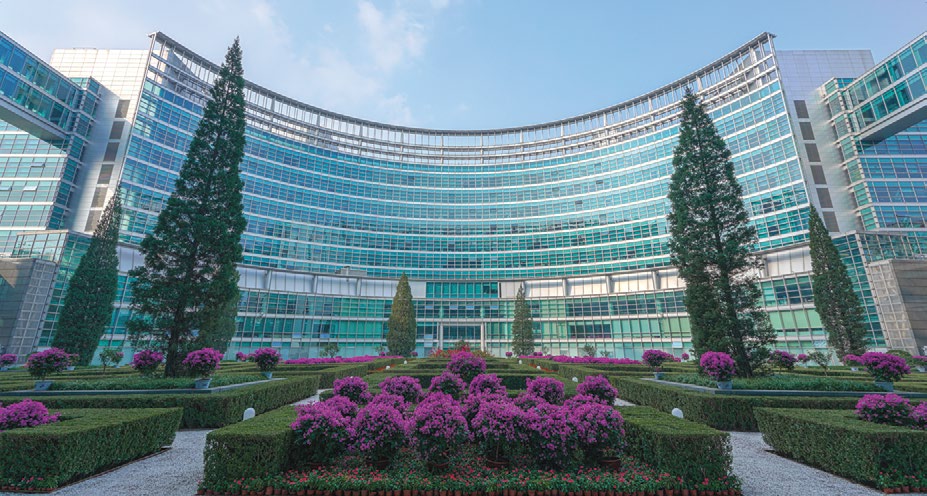
ICBC Private Banking this year marked its 12th anniversary of becoming China’s first licensed private banking institution. Over that time, it quickly expanded and distinguished itself from competitors to become a market leader. It has built a team of more than 5,000 financial advisors, extended its presence to all major Chinese cities and established a worldwide service network. As of June, ICBC Private Banking had 169,000 clients, with assets under management hitting 2.9 trillion yuan (US$425.75 billion).
As an integral part of ICBC Group’s strategy to become the No. 1 personal bank in China, ICBC Private Banking is pushing forward with innovative products and services. It is well positioned to leverage the parent group’s advantages in personal banking, asset management, corporate investment banking, financial technology, fund insurance and risk management, which allow ICBC Private Banking to provide a full package of integrated, professional, quality services.
ICBC Private Banking provides its high net worth clients—comprised of individuals, businesses and families—with all-market, omni-target and full-term asset allocations while focusing on comprehensive, personalized solutions. In recent years, the bank zeroed in on market trends and used its extensive resources to launch a string of successful products and services, such as its “fixed income plus” solution.
Its distinctive offerings extend to a diverse lineup of advisory services. ICBC Private Banking is committed to providing a full package of value-added services for high net worth clients and their families that include health, business travel, inheritance, art and lifestyle.
When it comes to online services, ICBC Private Banking pools its digital resources in an innovative way. It offers a VIP version of the ICBC Mobile Banking app, which allows premium clients to use WeChat and other social media platforms to contact the ICBC Private Banking team with a click for timely support.
In the fight against Covid-19, ICBC Private Banking leveraged the group’s resources to support medical staff in Wuhan, Hubei Province. It started a fundraising program called “Caring for Hospital Nurses in the Pandemic Fight,” through which it was able to deliver 10,000 sets of personal protective equipment to frontline workers.
ICBC Private Banking continues to expand its network across China.
It also moved quickly to launch financial services and products targeted at Hubei businesses. It cooperated with other group departments to develop “ICBC Exclusive Loan” solutions for areas severely impacted by the pandemic, and assisted efforts to support small and micro businesses and their owners with sufficient credit and financing services to help them overcome ongoing difficulties. ICBC Private Banking delivered online sessions to explain financial, taxation and economic policies put in place by the Chinese government and the bank in response to the pandemic crisis as well as government guidelines for companies resuming operations. After the government eased travel restrictions, ICBC Private Banking allocated marketing resources and value-added services to help its Hubei branch resume its client services and business operations.
ICBC Private Banking remains committed to the group’s core value of “Integrity Leads to Prosperity,” and continues to build an ecosystem of services that features “group-wide collaboration, full market selection, all-product configuration and global service availability” to facilitate the development of the real economy and serve individuals, companies and family properties.
Despite the headwinds caused by the Covid-19 crisis, Indonesia continues to be an attractive destination for savvy investors. According to the IMF, Southeast Asia’s largest economy is expected to shrink by 1.5% this year due to the pandemic, before rebounding to expand by 6.1% in 2021.
The Indonesian government is preparing to spend about 2.75 quadrillion rupiah (US$186.3 billion) to bolster the economy next year, with most of the funds going to infrastructure, education and healthcare. Meanwhile, the Omnibus Law on Job Creation passed by parliament in October will help businesses by cutting red tape, easing restrictions on foreign investment and providing more incentives to free-trade zones.
Outperforming in a Crisis
Venture capital firm Alpha JWC Ventures is capitalizing on the potential of Indonesia’s economy as its funds continue to outperform its industry peers during this pandemic year. The firm’s two Southeast Asian venture funds invest primarily in early-stage Indonesian startups, with the aim of discovering and supporting exceptional entrepreneurs to create enduring industry champions. About two-thirds of its investments are in Indonesia-based companies.
Alpha JWC’s first fund was launched in 2016. The US$50 million fund has achieved a net asset value (NAV) of 3.6 times with a Distribution to Paid-In (DPI)—cumulative investment returned to the investor relative to invested capital—of at least 12% by the second quarter of 2020. The second fund (2018 vintage) has a NAV of 3.3x and a DPI of 26%. Reflecting its confidence in the region’s longer-term prospects, Alpha JWC is currently gearing up to launch its third fund next year.
Amid a tumultuous 2020, Alpha JWC’s portfolio companies have also continued to attract significant funding. For example, Indonesia’s largest grab-and-go coffee chain Kopi Kenangan completed a massive US$109 million Series B round, while the Indonesia-based B2B marketplace for FMCG traders, Gudang Ada, announced its US$25 million Series A funding in May, only 15 months after its inception. Both companies have Alpha JWC as their first institutional investor.
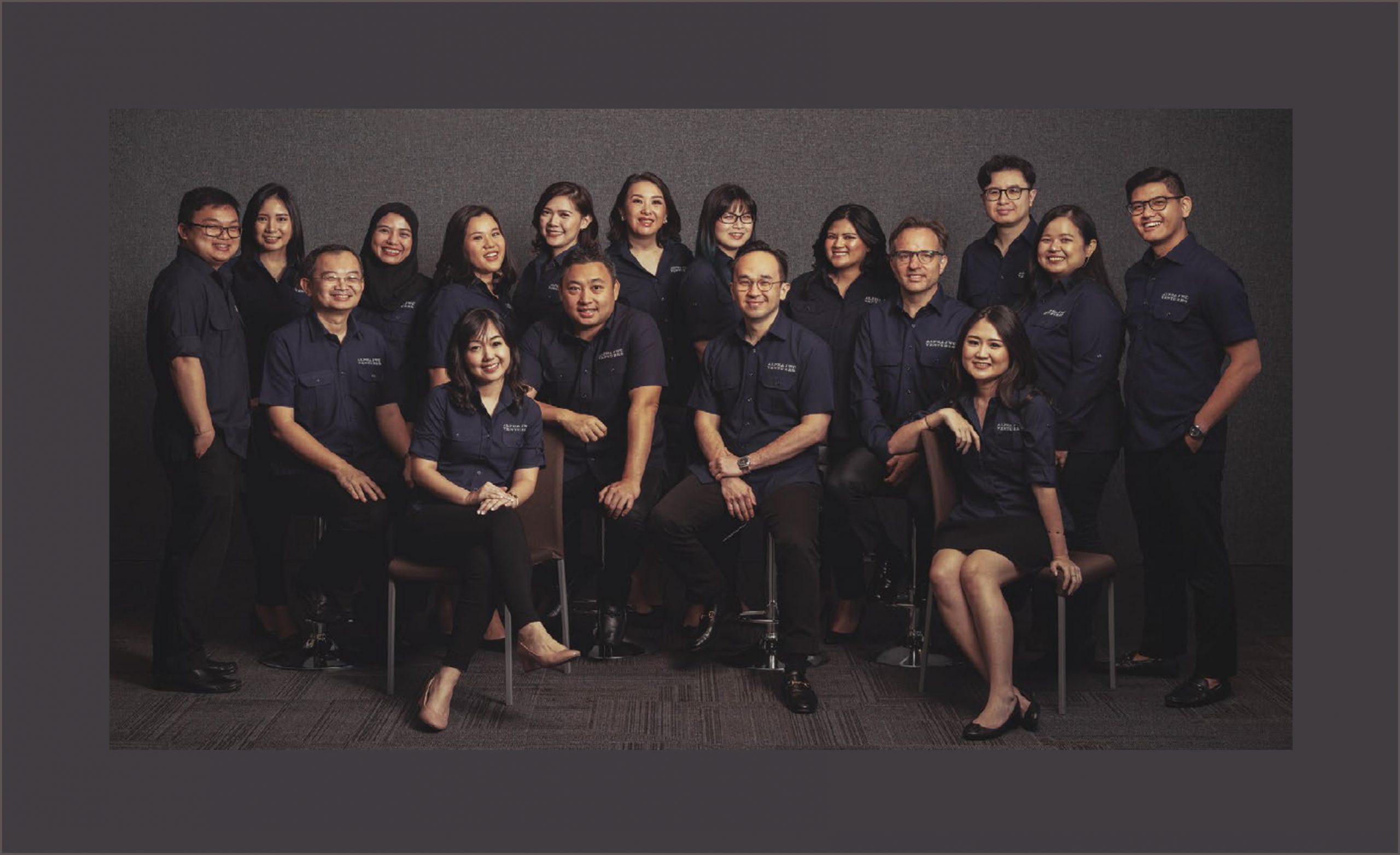
Alpha JWC Ventures is led by Cofounders and Managing Partners Chandra Tjan (L) and Jefrey Joe (R).
Long-Term Partnerships
Alpha JWC’s success is underpinned by its philosophy of prioritizing the vision, passion and grit of a company’s founder when it comes to assessing potential investments. Indeed, it is this philosophy that has made the firm a top-choice partner of many startups.
“We always say that we have a ‘Founder First’ philosophy, meaning that above all calculations and business potential, we put the quality of the startups’ founders on the highest regard. This also includes spotting their unfair advantages and track record, which would be a determining factor in the company’s success in the future,” says Alpha JWC Cofounder and Managing Partner Chandra Tjan. “Finding the right ones doesn’t only require thorough due diligence, but also experience and gut feelings, something that you can only get after doing something for a long time.”
Prior to Alpha JWC, Tjan made a name for himself investing in Indonesian unicorns such as Traveloka and Tokopedia in his previous role as Cofounder and Managing Partner of venture capital firm East Ventures. He has been in the industry for more than a decade, starting when Indonesia’s tech ecosystem was still nascent.
The firm is also led by Cofounder and Managing Partner Jefrey Joe, formerly Chief Operating Officer of Groupon Indonesia and Cofounder of Indonesia’s leading bill payment aggregator Alterra. With one of the largest early-stage funds in the region, Alpha JWC is well positioned to support startups as they progress on their journey of expansion.
“However, for us, investing right does not stop at finding and funding the right companies and founders. We believe that the VC should be an active partner and support its portfolio companies throughout their journey,” Joe says. “Studies show that a hands-on approach improves fund performance significantly. Over the years, we have seen the positive impact of value creation on our companies’ performance, but the past months have shown everyone just how important it is for investors to support their founders in good times, and especially in bad times. We’re lucky we’ve had a long head start so we were more than ready when the pandemic brought unprecedented challenges.”
The firm has one of Southeast Asia’s largest VC teams, made up of high quality and experienced professionals from various backgrounds including regional investment funds, tech giants and global consulting firms. As a value-adding partner, it is the firm’s commitment to provide the best resources and platform to company founders during both early days and the growth stages.
A Pandemic Boost
The pandemic has pushed companies, both established and startups, to pivot and adjust to survive. While the turbulence has been disruptive, Covid-19 also boosted digital adoption in some sectors, including technology. Many Alpha JWC portfolio companies have gained momentum and accelerated their growth during the pandemic, including healthy food producer Lemonilo. The Jakarta-based company has seen sales surge as more Indonesians turn to a healthier lifestyle.
Another company that has benefited is B2B marketplace Gudang Ada. Transactions on its platform increased as regional lockdowns pushed industry players to quickly adopt technology solutions. In May, Gudang Ada launched pilot logistics services to ensure a steady supply of essential consumer goods in Indonesia’s cities.
Meanwhile, the social commerce sector has provided alternative jobs for workers laid off or forced to take a pay cut amid the economic downturn. It also has helped brands to connect with customers who have stopped visiting shopping centers. One of Alpha JWC’s social commerce startups, Evermos, noted significant user and transaction growth since the start of the pandemic.
“It is a tough time for everyone, but it’s not as grim as people painted it to be,” Tjan says. “Times like this reveal whether your investment thesis and portfolio management have been right, and we like what we are seeing right now. The pandemic has created unique investment opportunities, hence we are still actively investing. Our founders and internal team are stronger than ever, and the learnings we get throughout the pandemic will make us even more resilient.”
Joe adds, “We are confident that Indonesia and Southeast Asia is still the most lucrative hot spot for the tech industry in the world right now, which is why we will continue finding the next great companies and support them the best we can. Our third fund will hold the same investment thesis, but with even more dry powder, Alpha JWC will be able to double down on our existing extraordinary startups while also investing in new larger companies.”
For investors seeking opportunities in Southeast Asia, Alpha JWC has shown that there are still gems to be found even in the roughest of environments.
While the luxury sector was one of the first to be hit by the Covid-19 pandemic, it may also be the first to emerge on the other side. Already, there are encouraging signs of green shoots across the industry.
For instance, LVMH Moet Hennessy Louis Vuitton’s fashion and leather goods division in October reported a strong turnaround in third-quarter revenue, up 12% year on year, following a drop in sales in the first half of 2020. As safe-distancing curbs ease, wealthy shoppers are emerging from their homes to release their pent-up demand for luxury purchases. This is especially so in China, where consumers are estimated to account for 45% of global luxury sales this year, according to U.S. financial services firm Jefferies.
Travelers are also anticipating the easing of international travel restrictions and the return of luxury leisure travel. In this uncertain environment, however, discerning luxury travelers are likely to be even more selective in their destinations and choose locales and hotels that offer unparalleled experiences.
One such premium offering is the award-winning Pan Pacific London, which is set to become a striking architectural landmark in the heart of the British capital. To be unveiled in Spring 2021, the luxurious 43-story tower will be the first European property of the Singapore-based Pan Pacific Hotels Group, which has been recognized as the “Best Regional Hotel Chain” in Asia-Pacific, according to the Travel Weekly Asia Readers’ Choice Awards and the TTG Travel Awards.
Located in London’s premium Square Mile, Pan Pacific London will offer a unique blend of Asian hospitality and contemporary British elegance for both leisure and business travelers. The property has already made its mark in the hospitality world, with the hotel garnering various accolades for its architecture, design and mixed-use development.
For those seeking more exotic destinations far from the bustle of urban metropolises, The Residence by Cenizaro’s six luxury resorts are located in some of the world’s most desirable beachfront locations, including the Maldives, Zanzibar, Bintan and Mauritius. Each of the six unique properties in the collection offers breathtaking landscapes and memorable cultural experiences.
Meanwhile, those who can’t get away just yet are recreating premium experiences in their own home using the latest cutting-edge technology, such as Bang & Olufsen’s state-of-the-art home cinema solution. Its incredible audio quality will transport you to far-flung destinations around the world without leaving your living room.
It has been a challenging year on many fronts, but we can take comfort in the knowledge that when we emerge from this crisis, there will be plenty of luxe offerings waiting for you on the other side.
Offering an exquisite blend of secluded refinement, bespoke services and contemporary design, Fuin Properties is raising the bar for luxury living in Tokyo with the much-anticipated launch of AMOMA Hiroo. Nestled along an idyllic street in a neighborhood known for its embassies and prestigious higher learning institutions, the development features seven elegant residences set within a self-enclosed sanctuary, providing unrivalled privacy within the city’s most cosmopolitan district.
Fuin Properties—cofounded by Hong Kong-based, luxury real estate trailblazers Luke Fehon and Amy Li—has a reputation for crafting residential spaces suffused with sophisticated design and a unique sense of place, and these are qualities that AMOMA Hiroo embodies throughout. From the modern Japanese-inspired lines of the lofty perimeter facade and understated entranceway, to the serene simplicity of the communal courtyard garden, to the intrinsically chic interior design of the residences themselves, the development is imbued with an aesthetic that is at once minimal and cozy.
This luxurious and authentic expression of Japanese modernist architecture has been achieved in collaboration with a team of world-leading talents, including renowned Tokyo-based firm Wonderwall, French interior styling specialist Liaigre and Japanese landscape design mastermind Seijun Nishihata. The result is a true sanctuary in which each element combines to create a sense of harmony and tranquility.
Master bedroom
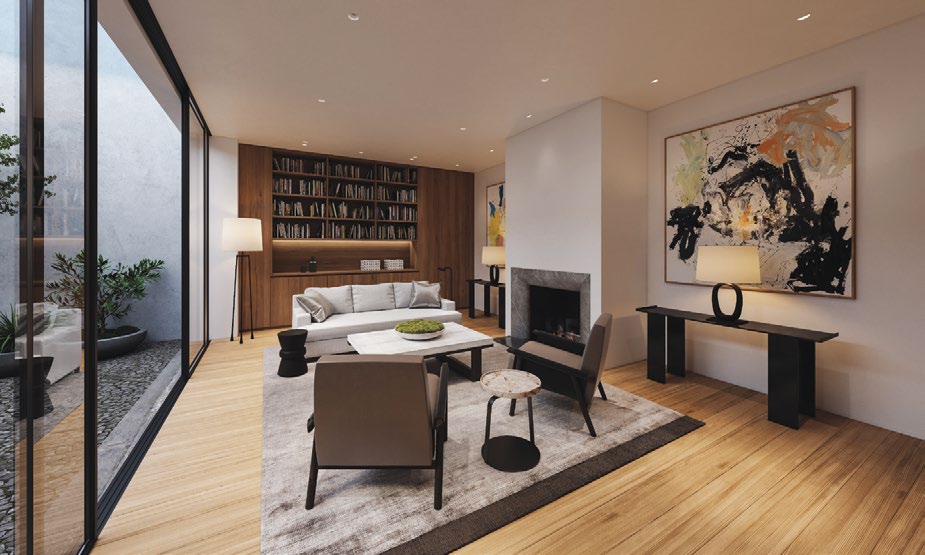
Each of the seven two-story residences has been designed to allow for the effortless flow of movement, energy and light, creating spaces that are open and airy yet warm and inviting. A palette of finishes, including natural woods, glass, stone and patinated bronze detailing, evokes a sense of calm reflection, while an individual private courtyard garden provides a meditative anchor point at the heart of each home.
The spacious kitchens, which can be customized to buyers’ specifications, are crafted from Italian marble and solid oak by Germany’s renowned Bulthaup, and are replete with the finest modern appliances from Miele, Gaggenau and Dornbracht. Other notable features include natural oak wood flooring, Japanese Hinoki wood bathtubs, and stone fireplaces, while there is also a fitness area lined with Japanese shoji screens and featuring state-of-the-art Technogym equipment.
AMOMA Hiroo is much more than just a physical space, and residents have access to a complete array of personalized services and tailored lifestyle experiences. These include key personnel such as concierge, housekeepers, private chefs and personal trainers, who are on hand round-the-clock to cater to any and every need. The developer has also partnered with Rolls-Royce Motor Cars and VistaJet to ensure that residents always arrive and depart in style: a fleet of bespoke Rolls-Royce Phantoms driven by a team of highly trained chauffeurs is available for use 24/7, while property owners also receive a complimentary one-year VistaJet Silver membership that provides preferred access to more than 70 private aircraft.
AMOMA Hiroo is the first of four such projects currently being developed under the AMOMA brand by Fuin Properties in Japan, with additional properties planned for Kyoto, Atami and Niseko.
Personal care and dietary supplement company Nu Skin exemplifies innovation is the best driver of industry. For more than 35 years, the company has developed premium nutrition and personal care products that have a strong foundation in science and technology that help one to look and feel younger. In Singapore, the company reached a key milestone in 2020 when it celebrated its 20th year of achievements in the city-state. Through these two decades, Nu Skin has grown to become a leading health, beauty and wellness brand in Singapore.
A New York Stock Exchange-listed company, Nu Skin develops and distributes a comprehensive line of high-quality beauty and wellness solutions. Leveraging a world-renowned scientific advisory board and a team of more than 75 in-house scientists and researchers, the firm is committed to developing and delivering leading-edge proprietary products. These include the Nu Skin personal care brand, the Pharmanex dietary supplement brand, and the ageLOC brand, which focus on products that help one look and feel younger.
“Technological innovation is part of our DNA and continues to be a primary driver of our product development and business growth,” says Nu Skin President Ryan Napierski.
In 2019, Pharmanex was the No. 1 weight management and wellbeing brand in Singapore* for a second consecutive year, according to Euromonitor International. This was an important milestone for both Pharmanex and ageLOC TR90, Nu Skin’s 90-day weight management program, and a result of the company’s continued investment in innovation in the wellness category.
“Our winning formula is having a passionate group of Brand Representatives and a dedicated corporate team that stay aligned and focused on a common goal of empowering people to improve lives. In 20 years, we have not only grown the business considerably to become one of the leading direct selling companies in Singapore, but have also contributed to help make a difference to the less privileged. This Force For Good culture has attracted many people from various professions and backgrounds, with different qualities, to join us with a common goal to uplift others and discover their best selves through Nu Skin’s innovative products and opportunities.”
– Neo Chiou Yee
General Manager, Nu Skin Singapore
Chairman, Direct Selling Association of Singapore (DSAS)
A Leading Business Opportunity Platform
Beyond its portfolio of premium-quality products, the company also innovates through its direct sales programs. The company sells its products through a global network of brand affiliates in Asia, the Americas, Europe, Africa and the Pacific. As a long-standing member of several direct selling associations globally, the company is committed to the industry’s consumer guidelines that protect and support those who sell and purchase its products through the direct selling channel.
Through both program and product innovation, the company is working to realize its vision of becoming the “World’s Leading Business Opportunity Platform.” One key aspect of this strategy is the Velocity Sales Performance Plan, which aims to provide a highly competitive and rewarding compensation plan for participants taking the next step to become entrepreneurs, who are known as Nu Skin Brand Representatives.
With Velocity, individuals can earn rewards and cash daily for sharing the products they love with others, while those who want to take their business to the next level can build a group of customers or lead teams of representatives to earn additional bonuses.
Velocity has helped to enhance the sales performance of Nu Skin sales leaders in Singapore since its launch in 2018, propelling the profile of the brand further as it celebrates its 20th anniversary in the country.
“To achieve continuous growth in a rapidly evolving world, an industry must stay relevant to its customers and be able to attract the future generation. In my past two decades partnering with Nu Skin, I witnessed how our R&D team continuously focused on innovation to develop products and solutions that have revolutionized the beauty and wellness industries. With an entrepreneur-focused business opportunity platform and a commitment to innovation, I am confident of Nu Skin’s potential to lead the growth in this industry.”
– Rayne Ho
Nu Skin Entrepreneur; Former Financial Consultant
“I never knew starting a Nu Skin career could be such a fun journey that encourages learning and growth. I learned to take ownership of my dreams, career progression and personal growth; to be a Force for Good and empower others to transform their own lives. I am thankful for my mentors who taught me how to lead a team, and in the process, I learned how to be the best version of myself.”
– Jordan Wang
Nu Skin Entrepreneur
“I am a firm believer that the gig economy is the way for more professionals to achieve flexibility in their lives and a better work-life balance. Nu Skin’s commitment to innovation extends beyond its products, as proven in its recent platform and program enhancements. Its globally seamless sales performance program has made building a business across markets and regions possible, without additional complexity or barriers, allowing me to grow my team and business beyond Southeast Asia.”
– Zan Zhou
Nu Skin Entrepreneur; Former Corporate Headhunter
Embracing Technology
To stay relevant in a fast-changing global landscape, the company is leveraging technology and a digital-first strategy to tap the growing influence of millennials and the gig economy. The younger demographic (ages 18 to 30) has been a key driver of Nu Skin Singapore’s growth in recent years. In 2019, customers in this category grew by 18% year-on-year, while the number of sales leaders rose 81%.
Among other technology-related initiatives, the company provides its sales leaders and customers with innovative digital tools to enhance their experiences. For instance, the My Nu Skin app allows sales leaders to track customer purchases and monitor team performance, and triggers their bonus payment.
Meanwhile, an upcoming skin-consultation app with machine-learning capability will offer customized product recommendations for different lifestyle and skin types.
This digital-first approach capitalizes on macro-trends such as the rise of the gig economy and the growth of social sharing that has made it easier to share products with friends and family.
Social media is opening a global market that is vastly different from any physical market, requiring the organization to be faster and more agile than ever before.
Leadership-Driven Growth
The company’s business model is designed to empower people to transform and improve their lives through “Products, Opportunity and being a Force For Good.”
Nu Skin sales leaders come from diverse backgrounds, including successful business owners, entrepreneurs, professionals, corporate executives and even fresh graduates. The company currently has more than 1 million independent Brand Affiliates in nearly 50 markets around the world and is looking to significantly boost growth in Southeast Asia.
Over the years, the company’s pioneer leader entrepreneurs have also built a solid foundation on which the next generation of sales leaders can build at a much-accelerated pace.
In Singapore, the company’s sales leaders have been key to building a strong legacy and fostering a culture of success over the past 20 years.
A Force for Good
The company’s innovative sales platform also creates opportunities for its Brand Affiliates to give back and fund its philanthropic Force For Good initiatives.
In Southeast Asia, the company encourages its leaders to contribute 1% of their commissions to the Southeast Asia Children’s Heart Fund (SEACHF), which provides medical assistance to underprivileged children born with congenital heart disease.
Nu Skin Singapore currently has more than 1,500 SEACHF donors. These funds have helped support children through the company’s partnership in Singapore with KK Women’s and Children’s Hospital.
Through its various initiatives around the world, the company is committed to being a force for good by empowering people to improve lives with rewarding business opportunities, innovative products and an enriching, uplifting culture.
“When I first understood the scalability and time flexibility that the business could offer years back, it motivated my wife and I to start the business almost immediately. As an entrepreneur and Board Member of the Southeast Asia Children’s Heart Fund, I feel encouraged that Nu Skin is not just about transforming people’s lives through products and business opportunities, but it also provides individuals the opportunity through its platform to give children suffering from heart disease a new lease on life.”
– Oliver Lim
Nu Skin Entrepreneur; Former Management Consultant
“If through teaching I helped my students discover their potential, it is through entrepreneurship that I discovered my own potential. With no network or connections and being an introvert, I discovered my potential through learning to make new friends, managing rejection and mastering my ego. With time, I developed a growth mindset and learned to lead with love. I sought knowledge and see every challenge I face as an opportunity instead.”
– Roziani Rashid
Nu Skin Entrepreneur; Former Educator
“Entrepreneurship is an exciting, ever-evolving and adaptive journey. As I grew my business, I sought opportunities with calculated risk, greater scalability and the potential to provide me with a balanced lifestyle. The direct selling industry, being highly versatile and designed for efficiency, allows me to tap seamlessly into current trends through today’s connected social space, with the potential to build a global business network. I see resilience in the industry and continued growth with this partnership.”
More than six months after the Covid-19 virus first emerged, the global economy continues to feel the effects of this unprecedented healthcare crisis. Countries that had appeared to have the pandemic under control are now facing second and third waves of infections. Meanwhile, businesses continue to suffer heavy losses due to safe distancing and travel restrictions.
Singapore has not been spared the fallout, and its ability to navigate difficult conditions is once again on show during this difficult period. The government has rolled out a series of five budget packages worth about S$100 billion (US$73 billion) to support businesses and workers who have been hit hard by the pandemic.
Besides cushioning the economy from the near-term shocks, policymakers have kept their eyes firmly on the horizon as they persevere with the country’s longer-term transformation. Whether it’s supporting local companies in their efforts to restructure their operations for the digital era, to spread their wings abroad, or to upgrade their workers’ skills, Singapore is once again positioning itself for success in the long run.
Nimble Response
Covid-19 has also highlighted the need for businesses to react quickly to a fast-changing landscape. With consumer needs shifting rapidly due to the pandemic, companies will need to leverage innovation to develop offerings that are relevant to their customers.
Painting solutions specialist Nippon Paint, for instance, is ramping up its investments in research and development during this time to deliver valuable customer-centric solutions. One key initiative in this effort involves the development of painting products that inhibit the growth of viruses on surfaces.
Nippon Paint is supporting communities that have been adversely impacted by the pandemic in other ways—from cash injections to donations of antiviral coatings to hospitals. In China, for instance, the company has donated 2 million yuan (US$290,000) to the Red Cross in Xianning city, Hubei province.
There are others who see interest in their company-led solutions amid the crisis. For example, in the insurance sector, Covid-19 has prompted consumers to review their need for financial protection. According to Swiss Re’s Covid-19 Consumer Survey, more than a quarter of the 6,000 respondents surveyed across 10 markets in Asia-Pacific are worried about how they will come out of the pandemic financially, and many are prioritizing insurance as a “must have” during this time.
Long-Term Focus
Furthermore, the pandemic is threatening efforts of business leaders to deal with longer-term issues such as climate risk. Global property insurance leader FM Global notes that Covid-19 has the potential to compound the impact of natural catastrophes due to restrictions on movement and essential services.
A survey conducted by the firm before the pandemic found at least 34% of Asia-Pacific executives thought their organization is significantly exposed to climate risk, while 57% of Asia-Pacific respondents said addressing climate risk was a high priority in their company.
The Singapore government has shown its commitment to climate action, even as it deals with more immediate problems. In February, it announced measures in its annual budget to promote sustainable living and to support the use of electric vehicles.
This persistent focus on the long term has helped Singapore overcome uncertainties time and again since its independence 55 years ago, and positioned the country to emerge stronger after each crisis.
The Philippine economy is expected to bounce back with a vengeance next year as businesses recover their momentum. This means now is an opportune time to consider new investments on the horizon.
Alveo Land, one of the country’s most respected and reliable names in real estate, is targeting visionary business investors with its extensive and strategic project portfolio. Banking on the heritage of its parent Ayala Land, the industry leader is forging ahead with innovative and exciting developments that are sure to make a lasting impact on the new business landscape.
In the middle of Metropolitan Manila, Alveo shines with its award-winning Stiles Enterprise Plaza. This 29-story building is Alveo’s flagship office-for-sale project in Circuit Makati, Ayala Land’s booming riverside district that is the city’s latest rising business address. Integrating eclectic office and lifestyle zones with dynamic workspaces, Stiles Enterprise Plaza is designed to provide an adaptable and inspirational environment for budding creatives, startups and entrepreneurs.
Ayala Land’s Arca South development in Taguig City is emerging as a cutting-edge, technology-charged urban hub. Strategically located at the convergence of major business districts and transport corridors in Metro Manila, the estate’s progressive urban design is complemented by verdant open spaces.
Stiles Enterprise Plaza
At the hub’s gateway rises Alveo’s Tryne Enterprise Plaza, another choice office-for-sale development offering flexible workspaces for future-focused businesses. With access to diverse retail destinations and lifestyle options, this master-planned estate is the next desirable business location for savvy urbanites.
Just outside Metro Manila, Alveo is contributing to the growth of emerging economic centers with Broadfield, Ayala Land’s newest estate in the Calabarzon region. Its location is highly accessible to the game-changing Cavite-Laguna Expressway, a key corridor of the Metro Luzon Urban Beltway.
Broadfield’s future-proof master plan upgrades the region to the next level, boasting green open spaces, pedestrian-friendly sidewalks, dedicated bike lanes and parks lined with shops and restaurants. This vibrant community will attract those seeking a healthy, invigorating environment to live, work and play in the south.
Multiple investment opportunities abound in the area—commercial land prices have quadrupled in the past 10 years. Leveraging the captive market of surrounding areas (including Laguna Technopark, multiple residential enclaves such as Alveo’s Aveia and Venido, and De La Salle University Laguna), Broadfield’s retail and commercial prospects are certain to take off as the estate progresses.
“On the road to recovery, we believe that we will see greater demand for developments that are greener, more spacious, adaptable and people-friendly,” says Robert Lao, Alveo Land President. “Thankfully, these sensibilities align with the values and principles that guide the master-planning of all our communities. Alveo is more than ready to fulfill these needs as we anticipate a brighter and healthier future for us all.”
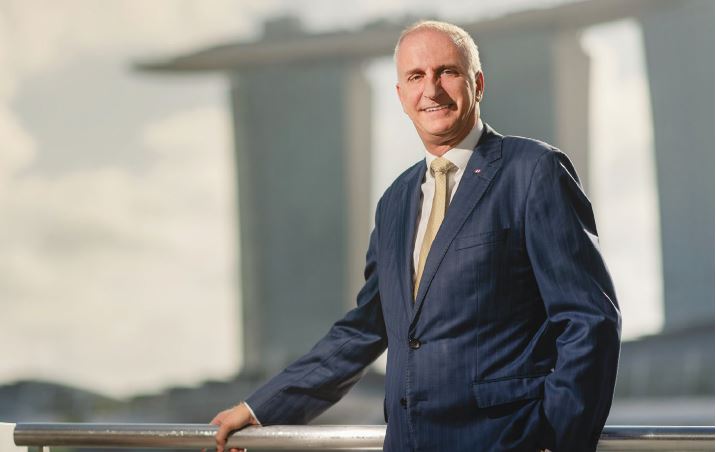
Philip Kunz, Head of Global Private Banking, Southeast Asia, HSBC Private Banking
The Covid-19 pandemic is rapidly changing the way we live and work, even as longer-term megatrends such as technological advancements and climate change continue to alter the global landscape. Amid this shifting environment, the needs of high net worth individuals and their families are evolving faster than ever.
Against this backdrop, HSBC Private Banking is transforming itself to stay relevant to its clients by leveraging its strengths as an international financial institution; one that combines talent with technology.
“Our ambition is to build a better and different Private Bank. Harnessing our international network, our role is to illuminate opportunities, ideas, places and people not known yet,” says Philip Kunz, Head of Global Private Banking, Southeast Asia, at HSBC.
This is part of a broader strategic transformation programme announced by the HSBC Group, which will involve reshaping and reorganising the organisation to improve efficiency, investing in new skills and creating a simpler and better digital experience. Simply put, HSBC aims to be a “bank fit for the future”.
Part of this strategic transformation programme involves a significant investment in accelerating HSBC’s growth in Asia over the next few years. Singapore is a key market for the HSBC Group, and the bank will continue to invest to grow its presence and market share in the city-state.
On its part, HSBC Private Banking will continue to steer towards growth by expanding in its areas of strength in the wealth management space.
Sustainable Solutions
HSBC Private Banking is focused on addressing the growing demand amongst its clients to integrate environmental, social and governance (ESG) factors into their investment decision-making processes. In particular, next generation private banking clients expect to see more from their investments beyond just financial returns. These young investors want to help better society and the environment through their investments.
The pandemic is likely to accelerate this movement towards investing in businesses that focus on impact and purpose, as the scale of the crisis prompts a rising wave of urgency when it comes to sustainability.
“I think what has been happening in the world has triggered a deep reflection about how we can change the way we live for a better world. This has resonated with clients in our conversations. We want to support our clients by inspiring and helping them to make positive changes,” says Kunz.
Thus, HSBC is taking a hands-on approach to this ethos, providing sustainability-related thought leadership and innovations with capital financing. “Integrating ESG into investing isn’t just about doing good, it also makes good business sense. Companies that are synonymous with ESG have shown to be agile enough to adapt, and therefore resilient and sustainable,” he adds.
In April this year, HSBC moved into its new head office at Marina Bay Financial Centre Tower 2, where it is the anchor tenant. The new office is part of an island-wide upgrade and investment of its branches across Singapore.
“Our ambition is to build a better and different Private Bank. Harnessing our international network, our role is to illuminate opportunities, ideas, places and people not known yet.”
– Philip Kunz, Head of Global Private Banking, Southeast Asia, HSBC Private Banking
Family Legacy
Legacy planning has always been a complexity for wealthy families, and the ongoing pandemic has led many to reflect on this important issue. HSBC Private Banking believes that one needs to take a holistic approach to legacy, which should go beyond financial wealth. More importantly, it should encompass ensuring the happiness and prosperity of future generations to come.
Among other things, this will require the senior generation of families to have open and constructive conversations regarding the paths that their heirs can take. This includes discussions around setting up a philanthropic trust or foundation in the family name that they can run in the future, and practical advice on establishing and running businesses of their own.
HSBC Private Banking is no stranger in this area. It has been supporting some of the world’s most influential families with wealth transition and legacy matters for generations, from trusts and estate planning to philanthropic and family office advisory.
“We’ve had several meaningful conversations with our clients to address what is close to their hearts. Good communication is essential to successfully navigate the storm and protect the wealth and sustainability of family businesses,” Kunz says.
Succession Planning
Closely related to family legacy is the topic of succession planning. The massive disruption wrought by Covid-19 puts in sharp relief the need for family businesses to invest in a proper succession plan. Indeed, the current uncertainties can be a catalyst for family members to conduct discussions about their future.
While every family business is unique in their makeup, what remains unchanged is their desire to avoid the curse of shirtsleeves to shirtsleeves in three generations—the very real risk of declining wealth.
“We have consistently seen that family businesses are better prepared for the future when they have a well-thought-out approach to communicating about succession,” Kunz says.
The world is changing rapidly, and perhaps irrevocably, as a result of the pandemic. Amid this sea of uncertainty, HSBC Private Banking is transforming itself for the future to ensure it remains capable of serving the group’s clients in supporting their sustainable ambitions for their family, business and legacy.
This article is issued by The Hongkong and Shanghai Banking Corporation Limited and its wholly owned subsidiary, HSBC Trustee (Singapore) Limited.