As the global economy begins to emerge from the depths of the pandemic, real estate markets across Asia-Pacific are poised for a strong recovery in 2021. In particular, the expected easing of border and travel restrictions this year should see investors return to key growth markets such as Hong Kong, Singapore and Sydney.
According to a recent report by global real estate services firm Cushman & Wakefield, total real estate investment volumes (excluding development sites) in Asia-Pacific are expected to bounce back in 2021 to around US$165 billion, or 90% of the level in 2019.
“This rebound in investment activity in the region is supported by greater investor confidence as Asia-Pacific leads the economic recovery across the world. The region is also riding on the positive momentum off the back of a surge in investments in the last quarter of 2020,” the report said.
In terms of asset classes, investors are expected to favor residential properties. Consultancy Knight Frank estimates 17 out of 22 prime markets in the residential segment will see stable to moderate price growth in 2021.
In Singapore, the residential market continues to be robust, with private condominium prices rising for the seventh straight month in February. Home buyers can look forward to high-profile luxury projects being launched in the city-state this year. One such development is the upcoming Park Nova in Singapore’s prime Orchard Road district.
The maiden project by Hong Kong-listed developer Shun Tak Holdings, Park Nova will include 51 luxurious units and three penthouses in a 21-story residential tower. The development, nestled amid a lush vertical garden, features a unique biophilic design.
In Hong Kong, the luxury development 8 Deep Water Bay Drive by Nan Fung Group also offers a premium green living experience to residents of the bustling metropolis. Nature is a key highlight of this development, with the surrounding greenery sculpted into multilevel green spaces within the grounds.
Meanwhile, office properties are another highly sought after asset class, especially those in prime locations. As companies adjust their office occupancy needs to take into account remote working arrangements, the office market should see some increase in momentum in the second half of this year, according to Cushman & Wakefield.
One upcoming prime office development that is catering to flexible working needs is CapitaSpring, located in the heart of Singapore’s Central Business District. The development features hybrid workplace solutions that offer fully integrated workspace options—including hot desks, meeting facilities, private offices and large enterprise suites—in one building. Tenants can maintain a core office for key operations and choose from a host of flexible workspace options when required.
After a subdued 2020, projects such as Park Nova, 8 Deep Water Bay and CapitaSpring are set to excite investors once again as real estate markets ride the global economic recovery in 2021.
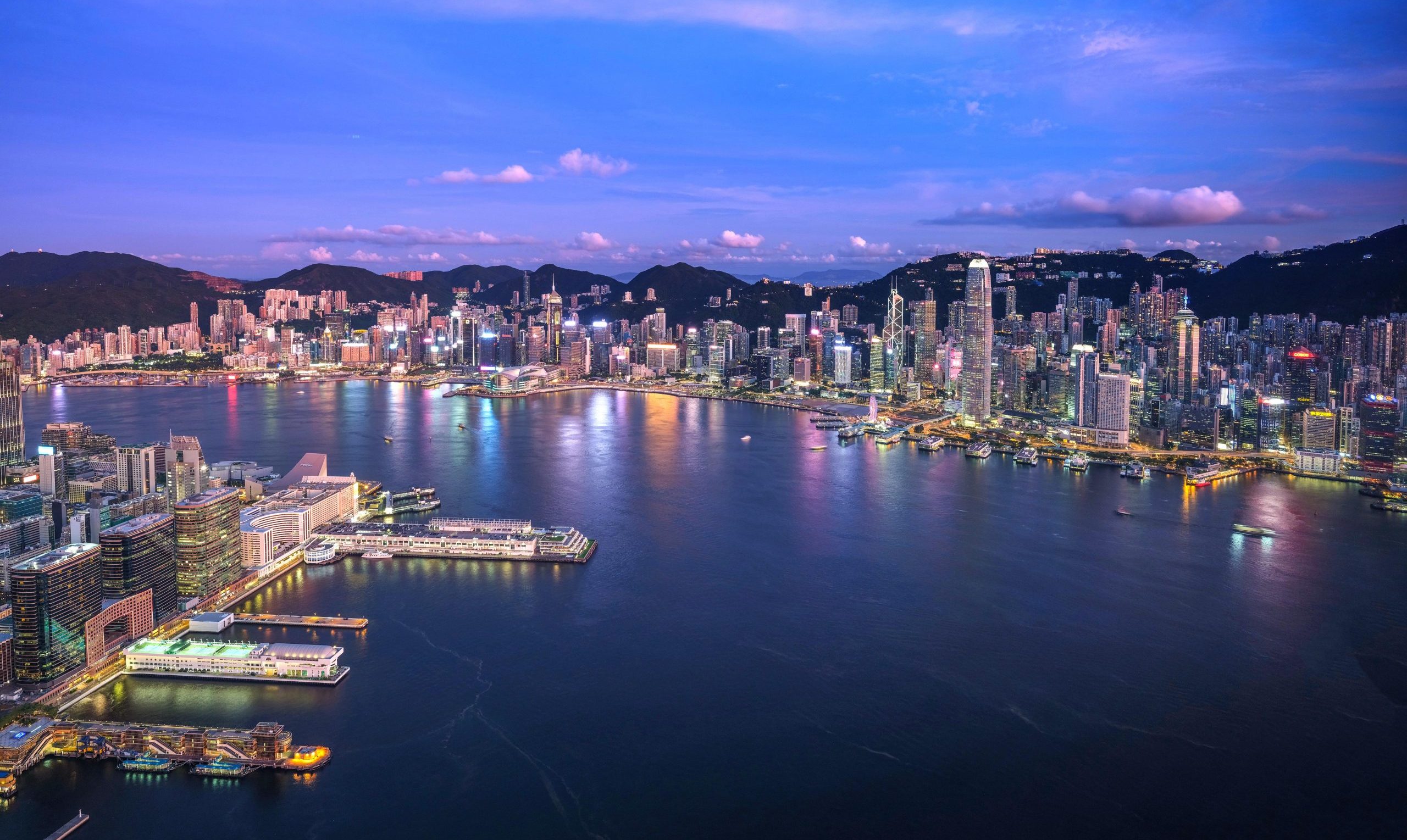
The past two years may have been among the most tumultuous in its history, but Hong Kong has risen to its recent challenges in its typically tenacious fashion to position itself at the forefront of the global economic recovery. Fast to respond to the pandemic and quick to identify new opportunities arising from the related seismic global changes, the city is now forging a confident path toward a bright future in which innovation, sustainability and forward-looking development are the keys to success.
Long hailed as one of the world’s most dynamic global financial centers, with an ever-favorable environment in which to invest, fundraise and do business, Hong Kong is driving a variety of bold policies and initiatives to blaze a trail in burgeoning new industries while simultaneously enhancing its traditional strengths. Nascent fields such as biotech and fintech are already thriving in Hong Kong, while the city—from the government and the stock market to property developers and entrepreneurs—are embracing environmental, social and governance (ESG) principles to ensure that sustainability and social responsibility will underpin the territory’s future growth.
Building for the future, both literally and figuratively, Hong Kong has embarked on a number of bold development projects that will further augment the city’s competitive advantages and livability. These encompass the West Kowloon Cultural District, which includes Hong Kong Palace Museum, Lyric Theatre Complex and the eagerly anticipated M+ museum of visual culture; the multibillion-dollar airport expansion, which will reaffirm Hong Kong International Airport’s status as a leading global aviation hub; and the development of SKYCITY into a new and exciting business and entertainment complex.
Leveraging its reputation as the gateway between mainland China and the rest of the world, Hong Kong is also set to be a key city within the Guangdong-Hong Kong-Macao Greater Bay Area, driving economic growth and new opportunities for years to come.
Fundraising: A Dynamic Business Environment Where Fundraising Thrives
Hong Kong has a long-held and well-earned reputation as a world-leading financial hub, and today the city is actively building on its strengths to ensure it remains a leader in this regard. Ranked as the third-easiest place to do business in the world by the World Bank in its Doing Business 2020 report, Hong Kong benefits from stable and transparent laws and regulations, a vibrant and deeply liquid financial market, and the financial and physical infrastructure to support the world’s largest companies and investment firms.
The city provides unrivaled connectivity with mainland China’s financial markets, offering direct two-way access through the Stock Connect and Bond Connect programs, and the new Wealth Management Connect scheme. In early 2021, the Hang Seng Index demonstrated its tenacity by showing impressive early gains after falling just 3.4% in 2020. “Despite significant market volatility around the globe, Hong Kong’s capital markets once again proved their resilience. In many ways our markets came out of 2020 stronger than ever,” said Hong Kong Exchanges and Clearing Limited (HKEX) Chairman Laura Cha at the Asian Financial Forum in January.
Laura Cha, Chairman, HKEX
“HKEX, and all of Hong Kong, is well positioned to serve as a vital channel for funding growth in the post-Covid world.”
– Laura Cha, Chairman, HKEX
This resiliency and potential for growth, together with Hong Kong’s world-class financial infrastructure, make it a top choice for raising funds, and the city has ranked as the world’s number one IPO venue in seven of the past 12 years. In 2020 alone, HKEX recorded a 24% year-on-year fundraising increase, raising a total of HK$398 billion (US$51.3 billion) from 154 listings. This was the highest amount in a single year since 2010 and included the second-largest listing of 2020 globally: JD.com at US$4.5 billion. HKEX is building on this momentum through innovative initiatives such as its commitment to go paperless for IPO listings—making it the first major financial market in the world to do so.
Following regulatory changes in 2018 that allowed the listing of pre-revenue companies, Hong Kong has swiftly become the world’s second-largest IPO fundraising center for biotech. The city is also a growing hub for fintech, an industry that has seen its adoption accelerate dramatically during the pandemic. “More than 60% of the IPO funds raised in Hong Kong last year came from new economy and biotech companies,” said Cha. “HKEX, and all of Hong Kong, is well positioned to serve as a vital channel for funding growth in the post-Covid world.”
In another forward-looking move, Hong Kong SAR Chief Executive Carrie Lam announced in October that the city was positioning itself as a hub for green finance. This included HKEX’s launch of the Sustainable & Green Exchange (STAGE), an online portal that is the first of its kind in Asia to provide information, access and transparency on a wide range of sustainable investment products, while connecting market participants, issuers and investors.
HKEX Chairman Laura Cha speaks at a market opening ceremony in 2019.
But while it has already enjoyed tremendous success as an international financial market, Hong Kong is poised to play an even greater role in the future. Highlighting that the global sustainable finance market has attracted about US$30 trillion in investments, and that less than 1% of that had been in Asia, Cha shared her belief that “the potential for Asian sustainable finance investment products is huge,” and that Hong Kong, as Asia’s international financial hub, is ideally placed to realize that potential.
“At HKEX we are optimistic that 2021 heralds a fresh start,” added Cha. “We are well positioned and ready to serve all stakeholders, and to play our role in creating more resilient and sustainable growth for the benefit of all.”
ESG: Hong Kong’s Focus on ESG Paves a Path to a Greener Future
As well as creating unprecedented challenges for governments and businesses, Covid-19 has also given the world a stark insight into the disruption that climate crisis will cause. This in turn has reinforced and accelerated the need for ESG factors to underpin investment and development strategies, and Hong Kong is leading the way in integrating those principles.
Driven by the urgency of climate change, the Hong Kong government has taken a proactive approach to ESG integration, establishing a strong policy framework and regulatory environment. In May 2020, five Hong Kong financial regulators and two government agencies established a steering group to push for sustainable finance policy and to coordinate on matters of environmental risk. HKEX is mandating disclosures on climate change and social issues for all listed companies from this year onward, bringing it in line with its competitors and making it more attractive to international investors. In November, the government pledged to make the territory carbon neutral by 2050.
Hong Kong companies, particularly those in the real estate and retail sectors, are aggressively pushing ESG integration to better meet the needs of both stakeholders and shareholders. Many of Hong Kong’s largest developers have long-established sustainability frameworks and most are committed to decarbonizing the city’s buildings by incorporating strict international green building standards such as LEED, WELL and BEAM, which are increasingly non-negotiable certifications required by corporate tenants.
Sino Land, one of the city’s leading property and real estate developers, last year became a signatory of the United Nations Global Compact, a scheme that commits companies to building sustainable communities. It plans to install 3,200 solar panels across 19 properties and three hotels to generate renewable energy. The company has also pledged to reduce the consumption of single-use plastics across its business by 50% by next year. In 2016, Swire Properties instituted its ambitious SD 2030 plan, a strategy to make it one of the world’s leading sustainable developers by 2030. Two years later, Swire launched the first certified green bond scheme in Hong Kong, with Hang Lung Properties and Landsea quickly following; the latter changed its name to Landsea Green Properties in 2019 to better reflect its commitment to sustainable development.
New World Development is another company that is raising the bar in this regard. As part of its ambitious Sustainability Vision 2030 plan, New World has set targets in four key pillars—Green, Wellness, Caring and Smart—through which it has pledged to achieve a variety of sustainability and social responsibility-driven targets, including halving its carbon emissions by 2030, ensuring all new building projects meet the LEED Gold and BEAM Plus certification standards, and supporting green startups through its Impact Kommons accelerator.
“Companies can no longer address stakeholder’s expectations without integrating ESG and demonstrating social responsibility in its business strategy and operations,” says Ellie Tang, Head of Sustainability at New World, adding ESG integration is key to the company’s long-term success.
Ellie Tang, Head of Sustainability, New World Development
“Companies can no longer address stakeholder’s expectations without integrating ESG.”
– Ellie Tang, Head of Sustainability, New World Development
ESG has also had an important role to play during Covid-19, as Tang explains. “In spite of the disruption caused by the pandemic on onsite construction works, we were able to respond quickly and maintain productivity and efficiency by deploying building information modelling (BIM) technology in project management. With the technology, certain construction plans and works were carried out in a virtual or contactless environment, which prevented colleagues and site workers from being exposed to health risks.”
A post-pandemic world provides a unique opportunity to reshape the global economy with ESG at its center, and through government action and proactive adoption by Hong Kong companies, the city is ahead of the curve as it rises to meet the challenges of the future.
Fintech: Hong Kong’s Fintech Industry Booms as Consumers Turn to Mobile Solutions
For most industries, the pandemic has brought a variety of setbacks and challenges, but for others—such as fintech—the need for remote access and increased dependency on mobile technology has accelerated growth. This has been particularly true in Hong Kong, where the fintech industry is dynamic and fast-growing, both in terms of innovation and fundraising, with 60% of funding in the city targeting new economy stocks in 2020.
Since announcing its support of the concept in 2017, the Hong Kong Monetary Authority has licensed eight virtual banks, all of which launched during 2020. Offering features such as near-instant account openings, 24/7 access and a full suite of financial services that can be performed remotely, virtual banks have found an receptive user base in Hong Kong at a time when most bricks-and-mortar banks have had to curtail their physical operations due to Covid-19 related restrictions.
Simon Loong, Founder and Group CEO, WeLab
“Hong Kong is a perfect landing pad for fintech companies eyeing opportunities in Asia.”
– Simon Loong, Founder and Group CEO, WeLab
Hong Kong’s only homegrown virtual bank, WeLab Bank, was among the first to launch. Founder and Group CEO of parent company WeLab, Simon Loong, says, “Hong Kong is a perfect landing pad for fintech companies eyeing opportunities in Asia. With its established and vibrant ecosystem, the city has enabled fintechs like WeLab to innovate and develop, and then expand to Greater China and beyond.”
Loong also believes that the fintech industry’s runway for growth is substantial. He points to customers’ evolving financial needs and mindset, and the benefits brought about by tech-enabled features that are changing people’s habits. “We’ve already seen customers taking advantage of the 24/7 fully remote access and user-centric experiences presented by virtual banks,” he says. “Virtual banks will become the norm in the next five years.”
William Lam, CEO, iFinGate
The regtech pioneer iFinGate, which focuses on compliance and regulatory automation, is a Hong Kong-based company that recorded impressive growth in 2020, onboarding more than 500 financial institutions and licensed corporate clients. “Clients in Hong Kong have become more receptive to online services and regulatory compliance,” notes CEO William Lam.
Lam also highlights the support of Hong Kong Cyberport Management, the Hong Kong Trade Development Council and the University of Hong Kong as crucial to this success. He also points to the “well recognized legal system, and easy access to excellent talent resources in multidisciplines, which provide a strong backbone for Hong Kong to build and position as an important fintech hub.”
Airwallex—a digital global payment platform—is another company thriving in Hong Kong’s vibrant fintech scene. “From day one, we set out with a purpose to empower businesses of all sizes to grow beyond borders,” says Lucy Liu, Cofounder and President of Airwallex.
Lucy Liu, Cofounder and President, Airwallex
“We also see the incredible opportunities Hong Kong presents…in addition to its robust and transparent legal and regulatory framework.”
– Lucy Liu, Cofounder and President, Airwallex
Liu says the company was attracted by “Hong Kong’s status as an international financial center, which is key for our global expansion.” She adds, “We also see the incredible opportunities Hong Kong presents as the bridge of financial innovation between China and the rest of the world in addition to its robust and transparent legal and regulatory framework.”
During the pandemic, Airwallex’ s growth continued apace. “With more businesses now operating online, Airwallex has been at the center of this evolution,” Liu says. In the second half of 2020, Airwallex saw a 50% increase in its global customer base while its net revenue doubled.
Building on that momentum, the company plans to fill more than 300 open roles this year to support its global expansion, using Hong Kong as its base. “The fintech industry—in Hong Kong and the rest of the world—is primed for growth, as fintechs will play an integral part of economic recovery post-2020,” Liu says.
Biotech: Right Mix of Government Support, Finance and Talent Make Hong Kong a Major Biotech Hub
Faced with the greatest global healthcare crisis in a century, the biotech industry has flourished during the pandemic, as demand for Covid-19 test kits, antiviral drugs and vaccines has skyrocketed. Because of its unique advantages, Hong Kong is ideally placed to capitalize on the boom in this sector.
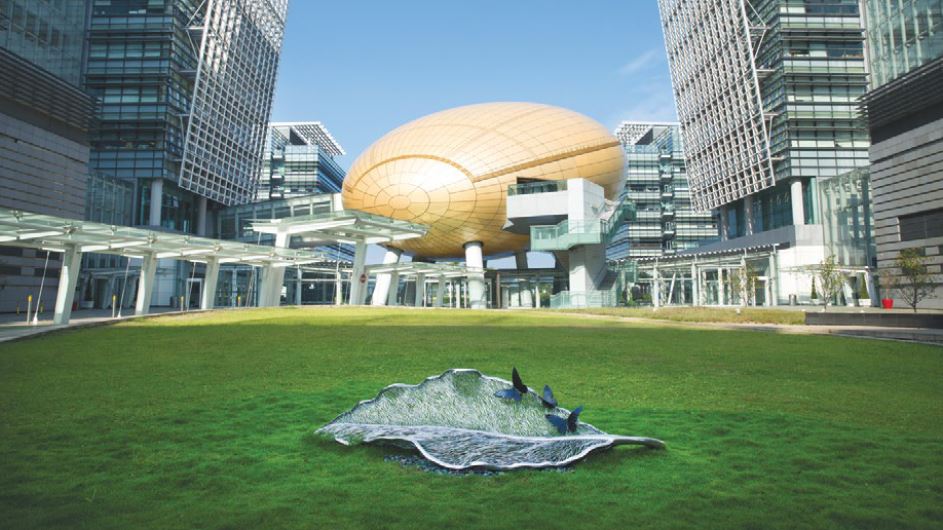
Hong Kong is a natural home for biotech, with five universities inside the top 100 of the QS 2021 World University Rankings, and the medical schools of the University of Hong Kong and the Chinese University of Hong Kong ranked among the 50 best globally in the same rankings. Building on that strong academic base is the Hong Kong Innovation & Technology Commission (HKITC) and the biomedical research cluster at Hong Kong Science & Technology Parks Corporation (HKSTP), which together have backed hundreds of ventures including successful local biotech startups such as Acaderma Asia and Sanwa BioTech.
Sanwa Biotech
Kelvin Chiu, CEO, Sanwa BioTech
“HKSTP has given us tremendous support during our early years.”
– Kelvin Chiu, CEO, Sanwa BioTech
“HKSTP has given us tremendous support during our early years as a small-scale startup and provided us with an international platform to accelerate our success,” says Kelvin Chiu, CEO of Sanwa BioTech, a diagnostics solution innovator with an advanced microfluidic-technologies platform in Asia. Chiu says HKSTP and HKITC provide startups with several funding schemes, such as the Innovation & Technology Fund, on top of offering world-class facilities at existing sites and investing in new locations such as the Advanced Manufacturing Centre (AMC) in Tseung Kwan O Industrial Estate, which is slated to open in 2022. Sanwa BioTech will base its new manufacturing facility at AMC, and Chiu believes the move will help the company scale by expanding its manufacturing capacity to enable it to supply its diagnostic products to Asia and other markets around the world.
This dynamic support structure and generous funding environment has attracted a slew of international businesses, including ACT Genomics, an integrated biomarker solution leader in Asia for precision cancer management with operations in Taiwan, Japan, Singapore and now Hong Kong. In 2019, ACT Genomics decided to open a facility in Hong Kong due to HKITC and HKSTP “actively promoting the biotech industry,” says the company’s Chief Financial Officer Victor Chan. “When we started considering establishing a world-standard [next-generation sequencing] lab in Hong Kong, we got strong support from HKSTP in terms of site preparation, infrastructure and facilities,” Chan adds.
Hong Kong Science Park
Victor Chan, Chief Financial Officer, ACT Genomics
Chan says Hong Kong’s location, on the doorstep of mainland China and as an integral part of the Greater Bay Area economic zone, is another reason that biotech companies are flocking to the territory, not only for the potentially huge market, but also the chance for regional collaboration fostered by the city’s innovation agencies. “HKITC and HKSTP have provided a very attractive environment, both physically and intellectually, for partners to interact for further scientific and innovation advancements,” he says.
Outside of government support, Hong Kong’s world-class financial infrastructure is also proving a boon to biotech. With the focus on R&D, biotech startups rarely generate meaningful revenue, let alone profit, and this can prove an obstacle in raising capital. But a recent rule change by HKEX has made the city a mecca for biotech listings.
In 2018, HKEX allowed qualified biotech businesses to list on the exchange before earning revenue, and the resultant change has seen dozens of companies go public, including Innovent Biologics, CanSino Biologics and Alphamab Oncology. With billions of dollars raised and more companies looking to list, Hong Kong has, in less than three years, become the second-largest biotech fundraising center in the world after the U.S.
Art & Culture: Hong Kong’s Cultural Events Show Resilience as well as Innovation to Adapt
Adeline Ooi, Director Asia, Art Basel
Hong Kong’s arts ecosystem has grown rapidly in size and sophistication over the past decade, with events such as Art Basel raising the city’s global profile while catalyzing the expansion of the broader cultural landscape. Although the pandemic forced the cancelation of many in-person events, Hong Kong has demonstrated resilience and innovativeness to find alternatives that turn adversity into opportunity.
Art Basel, for example, hosted its Online Viewing Rooms in March in an effort to provide an alternative platform to showcase art works that galleries were planning to bring to the physical fair. Adeline Ooi, Director Asia, Art Basel, says this allowed galleries to engage remotely with Art Basel’s global network of patrons and promote their artists to new collectors and buyers.
“We believe that digital platforms cannot replace the experience of seeing art in person or visiting the fair itself,” says Ooi. “However, digital tools and platforms such as Online Viewing Rooms have helped galleries build momentum among collectors and to stay connected at a time when it has not been possible to travel and meet.”
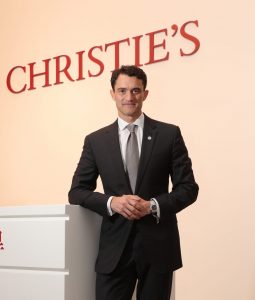
Francis Belin, President, Christie’s Asia Pacific
“The pandemic has hastened the digital evolution in the industry, with a new approach to client engagement.”
– Francis Belin, President, Christie’s Asia Pacific
The auction sector has taken many of its events online in the past year. Christie’s held a hybrid in-person and online New York-Hong Kong auction in December that was watched remotely by 500,000 people. Meanwhile, the auction house’s online-only sales rose more than 260% last year to a record US$311 million. Digital tools such as Augmented Reality, audio tours and virtual viewing rooms were employed to enhance the online auction experience.
“The pandemic has hastened the digital evolution in the industry, with a new approach to client engagement, marketing, sale formats and remote selling tools,” says Francis Belin, President of Christie’s Asia-Pacific. “Collectors will increasingly transact across multiple channels, not just live auctions, and auctions can be hosted more nimbly, tapping the level of demand and shifts in tastes throughout the year.”
S. Alice Mong, Executive Director, Asia Society Hong Kong Center
S. Alice Mong, Executive Director of Asia Society Hong Kong Center (ASHK), has been active in supporting the city’s art ecosystem during the pandemic through ART Power HK, a campaign that brings together more than 150 partners from across the local arts community. Launched in February 2020, ART Power HK provides an online platform where stakeholders can share art offerings through virtual exhibitions, tours, talks and videos.
In addition to being Covid-safe, ART Power HK’s virtual nature has the added benefit of giving its content a much larger—and truly global—reach. Since going digital in 2020, says Mong, ASHK has been able to connect to a global audience of 500,000, compared with an audience of 15,000 the year before. “It made art very accessible,” she says, adding, “I think these virtual and online shows and events are here to stay, to enhance our experience of the arts, and serve as a wonderful accompaniment to the in-person arts and culture offerings.”
While some organizations have adapted their operations to continue during the pandemic, others have found new opportunities amid the “new normal.” Hong Kong’s first purpose-built Covid-responsible entertainment offering, The Grounds at AIA Vitality Park, is one such example. Hosting movie screenings, live music, family activities and wellness classes that guests can enjoy from the safety of their own private pod, The Grounds serves as a blueprint for socially distanced events.
Hong Kong Spotlight by Art Basel in 2020
The Grounds at AIA Vitality Park
Simon Wilson, Managing Director and Cofounder, The Grounds
Simon Wilson, Managing Director and Cofounder of The Grounds, explains they had to completely reimagine the event experience from a Covid-responsible perspective, which includes temperature checks, mandatory hand sanitization and contactless food and beverage ordering, in addition to the socially distanced design.
Wilson says the response from guests has been overwhelmingly positive, with most events selling out, and he believes the format’s popularity will continue even after the pandemic has passed. “Guests are starting to see these sorts of event features as a premium plus point,” he says. “The pandemic has shifted consumer habits, and I think people will prefer an intimate experience to mass gatherings for some time to come.”
In the 2020 Globalization and World Cities Research Network report, which ranks global cities in terms of their advanced producer services, Chengdu jumped to the highly regarded Beta+ level, coming in 59th worldwide. Chengdu, also known as Rong, is the capital city of Sichuan Province. Besides being a major center of finance, science and technology in Western China, an international gateway and a world-famous cultural city, it is also one of China’s most innovative hubs. In 2020, its regional GDP stood at 1.8 trillion yuan (US$274.7 billion), up 4% year on year.
The trailblazing spirit of Chengdu dates back more than 2,000 years—it has a rich heritage of vision and the courage to persevere. From the city’s Dujiangyan irrigation system, the first-ever to achieve flood control without the use of dams, to its world-first adoption of woodblock printing and paper money, to its involvement in China’s first 5G network, groundbreaking ideas and inventions have flourished in this vibrant city.
Chengdu has an international outlook and is seeking a more active presence in the global economy. As one of the nation’s first innovative pilot cities and innovation demonstration zones, Chengdu shoulders the strategic mission of fostering China’s high-tech ambitions, and aims to become a global innovation hub.
As the first Chinese city to put forth a systematic proposal to develop a new economy, Chengdu has taken the lead in implementing measures to support the nation’s pursuit of high-quality growth. In 2017, Chengdu identified six new areas of focus: the digital economy, the intelligent economy, the green economy, the creative economy, the web traffic economy and the sharing economy. Its goal is to have a globally competitive and regionally significant new economy by 2022, with its output value exceeding 500 billion yuan (US$77.5 billion) and economic aggregates ranking among the top performers nationwide.
Kuanzhai Alley
Panda sculpture at Chengdu IFS
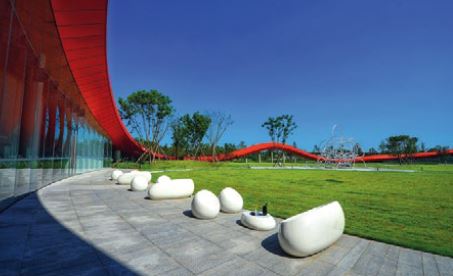
Loop of Wisdom, Tianfu New District
Jinli Ancient Street
Business & Innovation Centre for China-Europe Cooperation
First International Blockchain Industry Expo
As a strategic focal point for the city’s new economy initiatives, Chengdu Hi-Tech Industrial Development Zone (CDHT) is spearheading the development of cutting-edge technologies, such as 5G communications, AI, big data, netcasting and animation production, attracting Alibaba, Baidu, Kuaishou, iQiyi and other industry giants to settle in the area. CDHT is home to more than 180 firms focused on 5G or AI, who generated a total of 11.2 billion yuan (US$1.7 billion) in revenue in the first half of 2020. In the netcasting and animation production industries, CDHT supports over 600 companies. Over the same period, their combined revenue totaled 22.1 billion yuan (US$3.4 billion).
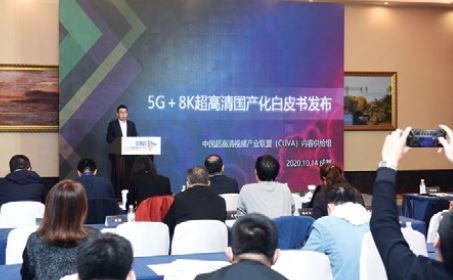
The releasing of China’s first 5G+8K Ultra HD New Scene White Paper
BOE Optoelectronics Technology at CDHT’s West Park
Chengdu-Chongqing Twin City Economic Circle, the coordinated regional development of the two cities, was proposed amid major shifts in the global landscape. Amid these significant and complex changes, the Chengdu-Chongqing area has become “the fourth pole of China’s economic growth” after the Yangtze River Delta, the Pearl River Delta and the Beijing-Tianjin-Hebei region. It is expected to support the high-quality development of advanced technology across the country, with the twin aims of tackling unbalanced growth and boosting China’s dual circulation strategy—shifting the focus to domestic consumer spending and placing less reliance on exports.
What’s more, Chengdu is the first city in China to fully embrace new urban planning concepts with its vision of becoming a “park city.” From the initial concept to building a park city demonstration zone with green and sustainable practices in mind, Chengdu is actively promoting ecological values in a high-quality urban development. Under the framework of the Chengdu-Chongqing Economic Circle, the park city demonstration zone is key to Chengdu’s efforts to attract people and industries and become a world-class city.
Among its accolades, Chengdu has appeared on several Forbes China lists, including Best Cities For Business, Top 30 Most Innovative Chinese Cities and Best Cities for Living. Top young entrepreneurs from Chengdu were also among the 2020 Forbes China 30 Under 30.
2020 Forbes China 50 Most Innovative Companies
Chocolate Cartoon, Chengdu
Chocolate Cartoon’s Ne Zha, an animated film jointly presented by Coloroom Pictures and October Media, broke more than 30 industry records in China. It took in over 5 billion yuan (US$775.5 million) at the box office, making it the country’s highest grossing animated film and the second-highest grossing film ever.
2020 Forbes China Up-and-Comers
Chengdu
Sinoseal Holding
ALD Aviation Manufacturing
Sichuan Haite High-Tech
Tianli Education
2020 Forbes China 30 Under 30
Chengdu
Li Ruihao, CEO Sichuan Weishu Lifang Education
Luo Yuyang, Cofounder Sichuan Weishu Lifang Education
Richard Chen, Cofounder Mint Consultancy
Zeng Xi, Founder LadyMyron
Sun Qiangqiang, Associate Professor/Ph. D Supervisor Southwest Jiaotong University
Tong Xin, Ph. D. Supervisor University of Electronic Science and Technology of China
2020 Forbes China Innovation Summit
The 2020 Forbes China Innovation Summit, held in Chengdu Oct. 29-30 under the theme “New Breakthroughs in Global Innovation,” was hailed as a success. Jointly organized by Forbes China and the Chengdu Municipal Government for the past three years, the event aims to highlight innovative achievements and breakthroughs, and share visions and insights about how urban innovation drives the modern development of cities and their surrounding regional economy.
According to Forbes World’s Billionaires list 2020, six out of the world’s top 10 richest cities are in Asia, and Hong Kong is ranked No. 2. As many of the city’s billionaires accumulated the majority of their wealth in a single lifetime, one of their priorities is to preserve it for future generations. Setting up a family office comes into the picture for wealth succession planning.
Over the past year, Hong Kong has continued to develop its edge in wealth management. In September, Hong Kong’s Securities and Futures Commission issued the first licensing guidelines for the family offices industry. Two months earlier, the government passed a law allowing fund managers to set up limited partnership funds in the city, a business format favored by family offices.
The DNA of Family Offices: Resilience and Versatility
“The development of family offices is very much in line with Hong Kong’s DNA as a comprehensive international financial center. One thing to highlight is the importance of family offices being endurable because families are built to last. On that front, Hong Kong has exhibited similar qualities as being highly resilient and versatile,” says Christopher Hui, Secretary for Financial Services and the Treasury.
As a sophisticated financial hub, Hong Kong has a robust legal system, a low and simple tax structure, and it is one of the world’s freest economies. Its strategic location in the Guangdong-Hong Kong-Macao Greater Bay Area (GBA) connects the city seamlessly with this robust growth engine and the rest of the world.
Nearly 80 of the world’s 100 largest banks and 70 of the top 100 global money managers have a presence in Hong Kong. It is a global offshore renminbi business hub and a major platform for international investors to allocate renminbi assets. The city is also the largest international asset management hub in Asia and it is the second-largest private equity center after mainland China. There are more than 500 private equity and venture capital firms based in Hong Kong, including 15 of the top 20 global PE managers. It is among the world’s largest equity fundraising centers and Asia’s third-largest bond center, excluding Japan. It offers an ideal platform for investment exit.
As a unique and dominant gateway between mainland China and the rest of the world, the city accounts for the largest inbound and outbound direct investment of mainland China. The Shanghai-Hong Kong Stock Connect, Shenzhen-Hong Kong Stock Connect, Bond Connect and Mutual Recognition of Funds all facilitate cross-border investment flow.
As one of the world’s largest green bond markets with US$10 billion arranged and issued in 2019, Hong Kong is cementing its position as a green finance hub in Asia-Pacific.
InvestHK’s Global Family Office Team
To encourage family offices from around the world to set up a presence in Hong Kong, InvestHK has set up a dedicated team. The Global Family Office Team is a strategic initiative supported by the Financial Services and Treasury Bureau and works in conjunction with regulators and industry stakeholders.
The family office specialists, who are located in Hong Kong and in key cities around the world, working alongside InvestHK’s network of 32 global offices, will offer bespoke support and tailor-made solutions. These include identifying opportunities, providing support during set-up and helping newly established family offices to become part of Hong Kong’s vibrant financial ecosystem.
In the past year, InvestHK supported wealth-services managers such as Pacific Hawk, Raffles Family Office, Hywin Wealth and AvantFaire Investment Management to set up or expand in the city.
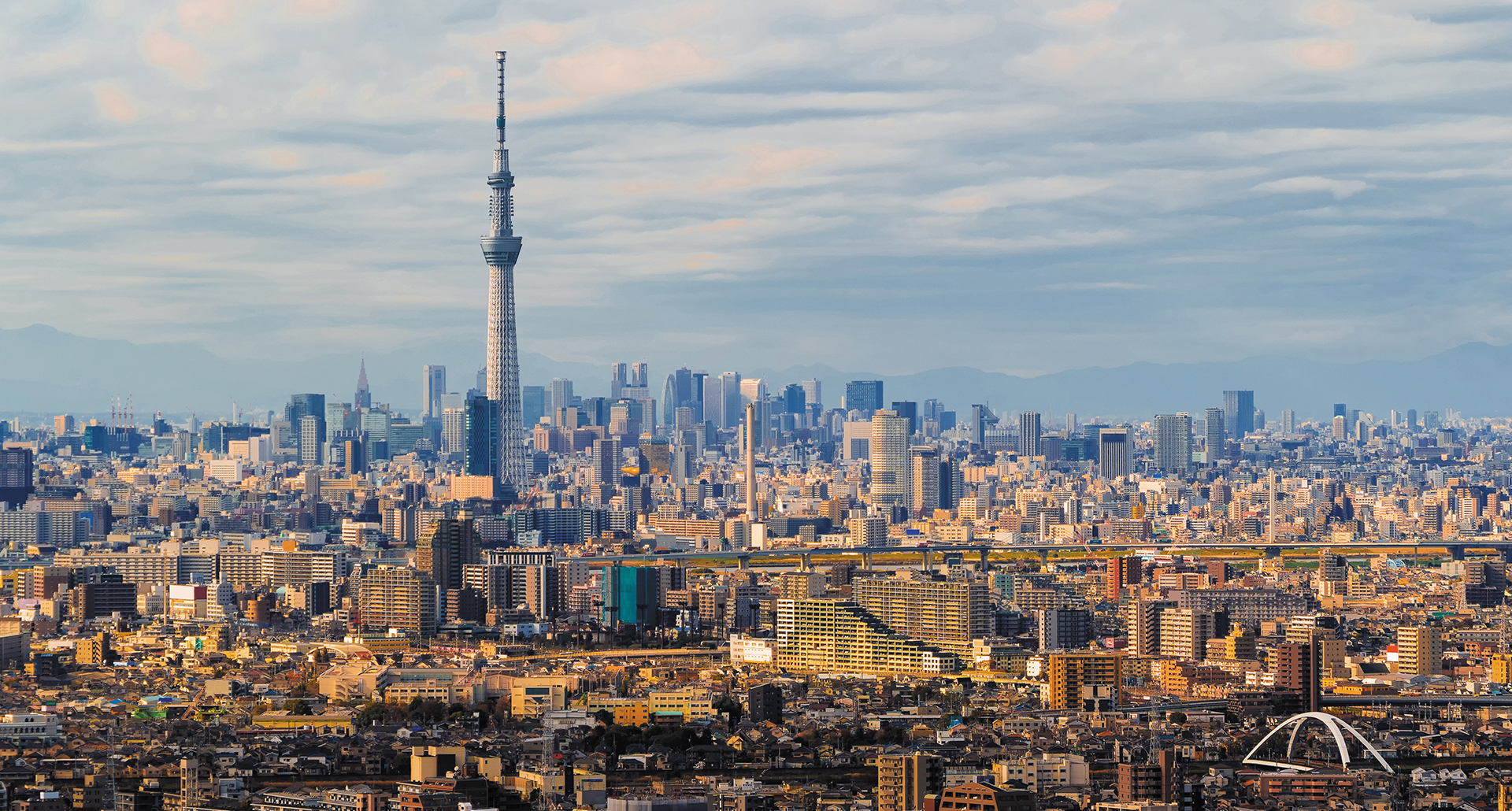
Last year should have been a banner year for Japan, with the Tokyo Olympic Games set to follow the country’s successful hosting of Asia’s first Rugby World Cup and the enthronement of its new emperor in 2019. While the pandemic did force the postponement of the prestigious sporting competition amid a slumping global economy, Japan is poised to make up for lost time in 2021.
Japan’s GDP returned to growth in the third quarter last year as foreign demand for Japanese goods fueled a trade surplus. This rebound, which represents the fastest pace of growth in more than 50 years, is expected to continue; in October, the IMF predicted Japan’s economy will expand by 2.3% this year.
Overcoming adversity to achieve success is nothing new for Japanese industry, and leading companies such as Canon, Kikkoman Corporation and Mobile Internet Capital (MIC) have once again displayed their ability to adapt and innovate during periods of volatility.
Canon Chairman and CEO Fujio Mitarai, who has led the company since 1995, is helping the company weather short-term uncertainty by focusing on strategies for positive transformation and long-term growth. While the pandemic posed challenges for Canon’s businesses—technicians have had to quarantine for weeks when travelling overseas, for example—Mitarai has kept the firm’s historic evolution into a strategically diversified imaging solutions provider on course.
While growing its traditional camera and printer businesses, Mitarai has also significantly expanded Canon’s medical and industrial equipment arms. The company is also innovating in sectors such as diagnostic imaging equipment and nanoimprint lithography, and plans to invest heavily in OLED display manufacturing equipment for smartphones and TVs.
Yuzaburo Mogi, Honorary CEO and Chairman of the Board of Kikkoman, is another corporate leader adept at adapting to changing conditions. Since he made the then-revolutionary decision to build a factory for the soy sauce maker in the U.S. in the 1970s, he has embraced innovative thinking to ensure Kikkoman’s continuing success.
Resolute in his belief that the most resilient firms are those that learn from experience to become stronger and smarter, Mogi sees the current environment as a time for strong leadership to leverage the company’s collective wisdom to achieve the best results.
As Japan’s first technology-focused venture capital firm, MIC has built its impressive reputation on looking to the future, and the company is helping drive the transformation of society by investing more than US$240 million in promising startups. Kan Ebisawa, President and CEO of MIC, is confident that technology will not only foster economic growth, but also provide a bridge between Japan and the rest of the globe.
As the world attempts to adapt to the new normal, companies—and leaders—such as these are well placed to face challenges head on and drive Japan’s future success.
Southeast Asia’s technology sector powers ahead despite an unprecedented crisis that has affected businesses and ravaged economies globally. The value of fundraising deals in the region rose 90% to US$2.7 billion in the second quarter from a year earlier, according to financial news site DealStreetAsia. Transaction counts increased by 60% to 184 over the same period.
Technology platforms welcomed healthy revenue boosts from the pandemic-fueled reshaping of homes and workplaces. Sectors such as health, education and online media, in particular, had strong showings as consumers and businesses spent big on digital offerings in the face of Covid-19.
Investors are paying attention. EMPEA’s 2020 Global Limited Partners Survey, featuring the views of 109 limited partners on the attractiveness of current conditions and outlook for private capital in emerging markets, saw Southeast Asia maintain its pole position.
Poised for Regional Growth
Singapore-based Openspace Ventures, an early investor in Indonesian decacorn Gojek, is a pioneer in the region. Established in 2014, the fund now manages over US$350 million in committed capital, and boasts 32 investments and counting. To date, the firm’s portfolio companies have attracted US$6.5 billion in follow-on capital. Even in the midst of Covid-19, Openspace’s companies raised more than US$2 billion in capital in the 12 months to September, outpacing its peer average by over seven times. The firm counts institutional powerhouses, including sovereign wealth funds, superannuations and university endowments, in its stable of limited partners.
Openspace’s strategy is clearly paying dividends. The VC’s first and second funds, launched in 2014 and 2017, respectively, are both performing in the top quartile against global peers, according to Cambridge Associates and Preqin benchmarks, with Fund I in the top 5%.
International players are expanding into the region to capitalize on Southeast Asia’s potential. Lightspeed, an established global venture capital (VC) firm, set up shop in Singapore this year, joining other well-known VCs like Sequoia Capital India, 500 Startups and Wavemaker in providing great liquidity to the market. But while ASEAN is gradually coalescing into an integrated market, it is not homogenous. Firms and investors must have boots on the ground to leverage strategic local networks for success.
Openspace is built for purpose. Its team of 22 includes 12 nationalities, and it has offices in Bangkok and Jakarta. The firm made four investments in Indonesia and Thailand in the midst of the pandemic, claiming a return on its dominant geographical advantage. While currently providing coverage out of Singapore, it plans to open offices in Vietnam and the Philippines in 2021, deepening its long-term commitment to Southeast Asia.
Capturing Alpha
Investor interest is expanding beyond fintech and surging into newer areas such as healthtech, edtech, agtech and cleantech. Openspace already has substantial expertise here, having entered these sectors and geographies ahead of the curve.
The firm attributes its early successes in Indonesia, including investments in Gojek, TaniHub, FinAccel and Halodoc, to a strategy of active anticipation. “Our ability to source and analyze data and have conversations with industry shapers on macroeconomic and geopolitical trends gives us an edge in picking startups that succeed at scale,” says Shane Chesson, Founding Partner at Openspace. The firm consistently evaluates a high number of startups—it assessed over 800 in 2019 alone.
Founding Partners Shane Chesson (left) and Hian Goh met at INSEAD.
Openspace’s team members at their Singapore office.
While Indonesia is home to many of Southeast Asia’s tech stars, others in the region are also producing winners. The Philippine and Thai markets have large youthful populations, an emerging middle class, and rising internet penetration. Kumu, the Philippines’ fastest-growing consumer app, saw average monthly active users increase by over 500 times since 2018 to exceed 1 million users earlier this year.
Deep Operations Expertise
Openspace propels value creation. The team features full-time, in-house operations experts in the key areas of technology, legal, human resources, and environmental, social and corporate governance. One notable example is Yiliang Zhao, who holds a Ph.D. in computer science (artificial intelligence). As the firm’s Vice President of Data Science he works with portfolio companies to develop machine learning models and optimization algorithms to generate revenue and streamline operations. Zhao worked with Finnomena, a Thai digital wealth management platform, to build predictive models identifying investment patterns as well as product recommendation models. Finnomena’s account openings tripled to over 42,000 in the third quarter from a year ago.
“Our diverse expert team gives us a clear competitive advantage and we can therefore take a high-conviction and constructive approach to investments. This drives out performance in our portfolio companies,” says Hian Goh, Founding Partner at Openspace.
Openspace’s strategy is clearly paying dividends. The VC’s first and second funds, launched in 2014 and 2017, respectively, are both performing in the top quartile against global peers, according to Cambridge Associates and Preqin benchmarks, with Fund I in the top 5%.
Halodoc’s Covid-19 rapid testing initiative with Indonesia-based hospital group Mitra Keluarga.
Openspace’s tech experts Dr Yiliang Zhao (left) and Wenbo Zong.
In the face of a once-in-a-generation crisis, Indonesia is proactively taking steps to mitigate the impact of the coronavirus on its people and economy.
Among other steps, the government has rolled out a series of measures to support hard-hit businesses and industries. These include 35.3 trillion rupiah (US$2.26 billion) in new tax incentives for 18 sectors such as tourism, food and beverage, and healthcare. The authorities have also expanded social assistance programs for low-income citizens across the country to help them meet their basic needs and maintain their purchasing power.
Meanwhile, the recently approved Omnibus Law on Job Creation is expected to make it easier to do business in Indonesia by cutting red tape, easing restrictions on foreign investment and providing more incentives to free-trade zones. According to Fitch Ratings, the new law should significantly enhance the business climate and improve the country’s international competitiveness over time if the changes are fully realized.
In particular, the reforms will help Indonesia capitalize on shifts in global manufacturing supply chains. Many multinationals are looking to diversify their supply chains in response to uncertainties created by ongoing U.S.-China trade tensions. Some have relocated operations to Indonesia in recent years, and the new measures introduced by the government are aimed at accelerating this trend.
“We believe that the law will bolster Indonesia’s long-term economic growth prospects. All else being equal, faster growth would have a positive effect on the sovereign’s public debt metrics, boosting fiscal inflows and reducing debt-to-GDP ratios,” said Fitch in its October report.
“Perhaps more importantly, the potential boost in Indonesia’s manufacturing exports and FDI inflows could make the country less dependent on commodity exports and on portfolio flows to finance its current-account deficit.”
State-owned enterprises such as Pertamina continue to play their part in supporting economic growth. The energy giant has a key role in developing Indonesia’s energy security and self-sufficiency. According to Nicke Widyawati, President Director and CEO of Pertamina, the company not only seeks profit, but also to serve as an engine of economic expansion and a driving force for the growth of the country’s small and midsized businesses.
On the manufacturing front, Indonesian corporates such as apparel maker Pan Brothers continue to keep their production lines running to meet global demand. The company’s targeted production capacity in 2021 is 130 million garment pieces annually.
Over the longer term, Indonesia’s plans to focus on infrastructure—including new airports, power plants and transportation projects—and the booming digital economy will help fuel the country’s growth in the post-crisis period and lead to new opportunities for businesses and investors.
In its latest report on Malaysia’s economy, the central bank noted GDP improved significantly, marking a smaller contraction of 2.7% in the third quarter compared with the 17.1% dip the previous quarter. The government expects the rebound will continue, projecting the economy will grow up to 7.5% next year.
According to the Ministry of Finance (MoF), production and trade picked up over July to September, combined with a rise in private consumption, while unemployment fell over the same period. Meanwhile, stimulus packages unveiled by the government to ease the economic fallout from Covid-19 are expected to contribute over four percentage points to the nation’s GDP growth.
Malaysia has moved quickly to accelerate digital adoption by businesses, education and society. This will help the nation’s industries, from manufacturing, healthcare, electrical and electronics to e-commerce, support the country’s recovery.
Amid a global call for more medical protective gear, which increases competition in the market, Top Glove, the world’s largest rubber glove maker, believes it can stay ahead of the game. Not content to rest on its laurels, Top Glove’s goal is to continue to dominate global market share—solidifying its No. 1 status in the rubber glove industry—and become one of the world’s top 500 companies by 2035.
Silverlake Group is another homegrown company that intends to push ahead with expansion plans. Its revenue rose to US$161 million in the year ended in June, with a compound annual growth rate of 8% since 2011.
Math is the basis for its latest cloud computing solutions as the company helps its customers detect, manage and combat fraud in the banking, finance and insurance industries. Silverlake Group is poised for further growth in 2021 on the back of its partnership with an institutional investor.
Going regional is also on the cards for BookDoc. The five-year-old medtech startup is ramping up its business to expand its footprint by complementing its patient-doctor booking system and healthmetrics monitoring system with chat-based medical teleconsultations.
The company has tied up with China’s WeDoctor, a global healthcare platform that boasts 700 million users. BookDoc uses WeDoctor’s AI technology to screen calls and offer teleconsultation services to patients in its ecosystem seeking advice for a range of medical concerns, including Covid-19.
Moving forward, the central bank believes the economy will improve in tandem with stronger global demand and domestic policy support that includes government-targeted wage subsidies, public projects and low interest rates. It also anticipates the economic impact of Covid-19 containment measures reintroduced in October will be less severe compared with earlier restrictions as businesses have been allowed to continue to operate.
Noting that Malaysia’s economic fundamentals are still strong and its economic base is sufficiently diversified to weather the storm, the MoF says it will continue to closely work with the private sector and the public to foster sustainable growth in 2021.
Have you been imagining what your next travel destination will be? When you are ready to explore again, Hilton is ready to help you create exciting new memories at their luxury resorts located in some of the world’s dreamiest destinations.
Whether it is in the Maldives or Bora Bora, these all-villa resorts will not only live up to your dreams of a perfect getaway, but also offer an enhanced level of cleanliness to give you peace of mind during your stay.
Waldorf Astoria Maldives Ithaafushi
Located in one of the world’s most desirable island locales, the award-winning Waldorf Astoria Maldives Ithaafushi offers memorable experiences in a highly exclusive setting.
Guests can choose from one of the resort’s 119 overwater, beach or reef villas. For an even more extraordinary experience, a stay on your very own private island awaits. The Ithaafushi Private Island Estate can accommodate up to 24 persons in two villas, and features five swimming pools, a dedicated team of chefs, a spa, a yacht mooring and its own entertainment clubhouse.
There is an extensive range of activities at the resort to keep you entertained throughout your holiday; whether it is snorkelling in the island’s pristine waters, indulging at the luxurious Waldorf Astoria Spa, or enjoying a private curated dinner on the sandbank while watching the sun set.
To satisfy discerning tastes, you can choose from no fewer than 10 destination dining venues—the largest variety of dining options available in the Maldives. Notable among them is The Ledge by celebrity chef Dave Pynt—the award-winning chef behind Michelin-starred Singapore restaurant Burnt Ends—which features an elevated barbecue set against the stunning backdrop of the Indian Ocean. Diners can also soak in spectacular views among the treetops at Terra or enjoy the magnificent sunset at Amber, the resort’s signature bar.
For those who desire a luxurious getaway, Conrad Bora Bora Nui is an ideal choice. Guests can leave their worries behind while strolling along the longest private stretch of soft, white sand beaches on the island of Motu Toopua, with the soaring Mount Otemanu presenting a breathtaking backdrop.
A range of accommodation options are available to suit every guest’s specific needs, from the spacious Lagoon View Suites designed for families to the spectacular overwater villas and Presidential Villas. The resort’s six restaurants and bars cater to all tastes and appetites. Enjoy innovative French cuisine amid stunning views of the lagoon at the resort’s signature Iriatai French Restaurant or indulge in modern Chinese fare at Banyan Chinese Restaurant.
Whether you want to fill your days with vibrant activity or simply relax at your own leisure, there are many ways to spoil yourself at Conrad Bora Bora Nui. The more adventurous can explore the island surrounded by incredible views while biking, swimming among sharks or hiking. Those who wish to take it easy can unwind at the stunning infinity pool or pamper themselves at the hilltop Hina Spa.
Top off your stay with a truly memorable experience by spending a day at the resort’s private islet, Motu Tapu, and enjoy a picnic prepared by chefs in one of the world’s most exclusive settings.
Diving and snorkelling enthusiasts will marvel at the sight of the sparkling waters off the Conrad Maldives Rangali Island, where an exceptional underwater experience awaits.
Nestled in atolls surrounded by azure blue waters and powdery white sand, the resort inspires travelers by offering them a memorable respite from the bustle of modern life. It features more than 150 purposefully designed villas and suites, a choice of 12 award-winning restaurants and bars, two spas and a selection of cultural activities. One notable highlight is Ithaa, the world’s first undersea restaurant that allows you to dine five meters below the surface of the ocean with panoramic views of coral gardens and tropical fish.
Guests also get to revel in the privacy of Rangali Island while enjoying access to the facilities of the larger and livelier Rangali Finolhu Island, which is linked by a 500 meters bridge. Indulge yourself at The Spa Retreat, an overwater destination spa set 100 meters off of the tip of the main island.
For a truly unique experience at Conrad Maldives, the resort offers the world’s first undersea residence that will allow you to social distance in the most exclusive setting possible. The MURAKA is a first-of-its-kind, two-level residence with a master bedroom submerged 5 meters below sea level. MURAKA, which means coral in Maldivian, is an awe-inspiring reflection of how the resort exists in harmony with the natural landscape of the Indian Ocean.
To ensure the safety and comfort of guests during this unprecedented time, Hilton has implemented Hilton CleanStay, an industry-leading program that delivers an even cleaner stay from check in to check out at their properties worldwide.
“For over 100 years, Hilton has been at the center of hospitality and was one of the first in the industry to foresee the global growth of luxury travel, setting the benchmark for discerning travelers all over the world. The brands in our luxury group, Waldorf Astoria Hotels & Resorts; Conrad Hotels & Resorts and LXR Hotels & Resorts, have all helped define the hospitality experience for the modern-day traveler,” says Nils-Arne Schroeder, Vice President, Luxury and Lifestyle, Asia Pacific.
“Today, we remain committed to being at the forefront of invigorating the essence of luxury travel to create the most unforgettable and inspiring experiences for our guests all around the world,” he adds. “Being in two of the most sought-after destinations in the world, our all-villa Waldorf Astoria and Conrad resorts in Bora Bora and the Maldives offer the highest levels of exclusivity and privacy. From arrival to departure, our guests are assured of a safe and uninhibited environment during this unique time where they can stay with peace of mind whilst enjoying unparalleled, bespoke service delivered by our dedicated team members at every turn.”
If you have been yearning to travel again, the time has come for you to plan your next travel memory with Hilton.
Hilton Honors
Hilton Honors is the award-winning guest loyalty program for Hilton’s 18 world-class brands. Through the current challenging times, the program continues to provide flexibility and value to members and guests—from offering flexible booking and cancellation policies, digital enhancement through the Hilton Honors App for a seamless booking and stay journey, to loyalty status extensions with no points expiry, to making it easier for members to qualify for higher tier status with reduced requirements, and much more.
*To stay up to date on the latest policies and programs, visit covid.hilton.com.
Hilton Honors offers its 108 million members worldwide hundreds of ways to earn and redeem points, including Hilton Honors Experiences, which gives greater opportunity for members to use their points outside of redemption stays. Members can redeem a wide range of exciting Hilton Honors Experiences, such as private beach dining at Waldorf Astoria Maldives, cocktail hour at Ithaa at Conrad Maldives or a relaxing 60-minute spa massage at either resort.
South Korea’s decisive, science-led response to the coronavirus pandemic offers insight into another successful partnership. Seoul is working with Korean entrepreneurs and their fledging companies to develop one of the world’s most promising startup ecosystems in line with the nation’s growth as a global economic center.
Across the South Korean capital, startups are harnessing government investment and services to make significant advances in industries engaged in the most crucial challenges of our time, notably finance, biomedical, manufacturing and social enterprise. Seoul is providing intensive support to 300 companies to prepare for global demand for banking and health services in the wake of the Covid-19 pandemic.
The city’s startup ecosystem already has a value of US$39 billion, according to the research firm Startup Genome’s Global Startup Ecosystem Report 2020. Driving that success has been the emergence of 13 Korean unicorns—privately held companies valued at US$1 billion or more. The near future promises more game-changing developments by a bevy of new Korean companies.
Kim Eui-Seung, Deputy Mayor for Economic Policy at Seoul Metropolitan Government (SMG), said at a news conference in Seoul in June, “Startups are drawing more attention amid global challenges such as the Covid-19 outbreak, and are becoming increasingly more influential in a technology- and innovation-dependent global economy.
He added, “The city of Seoul will focus on the scale-up of promising startups amid a prolonged pandemic, as we have steadily invested over the past few years to foster future industries such as AI, fintech and biomedicine.”
To support innovation in the financial services sector, Seoul Fintech Lab offers accelerate programs, mentorship and investment to fintech startups in Seoul. “We want to be a driving force to change the fundamentals of the existing financial industry and ultimately serve as an edge for international competition,” says Im Gug-hyun, Team Leader of the Financial Industry Team at SMG.
At the lab’s gleaming offices in Yeouido, Seoul’s financial district in the heart of the city, companies are provided workspaces as well as common areas to network and hold meetings to promote idea sharing and support. “There are many stages of business development, and Seoul city would like to encourage growth to generate synergy,” Im says.
Down one hallway sits Tanker Fund, an AI platform that provides real-time information on real estate. Its technology also can help determine terms of a property transaction, such as the optimal amount of a loan. Tanker Fund CEO Lim Hyun-seo says, “The centralization of data collection and sorting on a daily basis is challenging. Our competitive advantage is in the accuracy of our platform’s sorting and processing of data.”
Along with the office space offered by Seoul Fintech Lab to get his startup off the ground, Lim says, Tanker Fund has benefited from the ability to network with other startups while having a foothold in South Korea’s financial epicenter. “Being in a lab gives us access to the companies that can most benefit from our services,” he says, and its Yeouido address gives the firm additional clout.
Along with modernizing key industries such as finance, Seoul startups are also working on today’s most pressing health issues. Seoul BioHub, located at a nexus of ten universities and six hospitals in the north of the city, provides a space for companies to operate in an ecosystem while seeking to deliver valued-added health services in South Korea and beyond.
The sprawling green campus, which opened in 2017, features separate buildings for laboratories, education and events, as well as offices. From 2018 to 2022, the government will build a Seoul Bio Fund valued at 300 billion won (US$262.3 million) and allocate 24 billion won (US$21 million) for a R&D fund. It also will ease some government regulations to facilitate research. Sixty-six companies now operate in the hub, drawn from the medical device, pharma and digital healthcare sectors. The pandemic has made the hub’s activities particularly timely and relevant.
“Our key role is to recognize potential. This year, Covid provides opportunities for overseas expansion,” says Kim Ji-seung, a researcher at Seoul BioHub.
In one brightly lit office is Palogen, a startup that leveraged semiconductor technology to build the diagnostics industry’s first “Genomic Biosensor,” which provides fast, accurate testing for diseases including early-stage cancers and Covid-19. “Our goal is to harness the speed and efficiency of semiconductors to provide real-time testing,” says Palogen CEO Han Kyung Joon. “The workspace and support from Seoul BioHub have made it possible for us to pursue that.”
The fledgling ecosystem of the campus is also an attractive destination for global investors. U.S. healthcare giant Johnson & Johnson’s pharmaceutical division operates an office at Seoul BioHub, recognizing the opportunity for growth and development. “We came here to form a network, to get expertise and ideas. We need innovation to meet challenges in the bioscience field, and we want to help mature all of these ideas,” says Lee Joon-youp, Manager, Janssen Korea. “We’re all striving to meet challenges that are more important than at any other time.”
Seoul Fintech Lab
Seoul’s startups are using a diverse range of ideas, locations and technologies to find solutions. Throughout a maze of alleys in northeastern Seoul, disused university properties and converted shipping containers now serve as office space for startups, and a former underground parking lot is a hub for cutting-edge 3D printing technology.
The initiative was launched by Campus Town Startup at Korea University—a broad effort to merge technology innovation with the revitalization of the local community through collaboration between the government, the university, entrepreneurs and local residents.
With a 10 billion won (US$8.7 million) investment from the Seoul government, the project provides office space and equipment, including desks, printers and Wi-Fi, to fledgling companies along with facilities for the community, such as library space and public work stations. Campus Town organizers also hold local events and forums for dialogue between students and residents. “We focus on more than supporting startups. We also find ways to link them with the local community and make those connections sustainable,” says Kong Jung-sik, a Professor at Korea University’s School of Civil, Environmental and Architectural Engineering. “Creating a good living environment is our ultimate goal.”
One of the most promising startups to come out of Campus Town is AEOL Korea, which makes next-generation, energy-efficient heating and cooling ventilation systems. The company is in talks to supply its products to two large public companies in South Korea, and plans to continue developing energy-saving materials that can be applied across industries. Baek Jae-hyun, CEO of AEOL Korea, says, “Our technology can change the world and be part of a more sustainable future.”
In Seoul’s Seongsu area, in the east of the city, old challenges and new solutions come together. The neighborhood was once a buzzing ecosystem of auto repair shops and publishing houses. Lee Tae-hoon, Head of the Startup Division of the Seoul Business Agency, saw the now-struggling industrial area as the perfect location for Seoul Startup Hub Seongsu, which is focused on fostering social impact ventures.
Established in 1998, the Seoul Business Agency added the startup division in 2009, selecting 1,000 entrepreneurs for comprehensive early-stage support. The group has prioritized not just the firms’ rate of return but also the development of a startup culture in Korea and inspiring young entrepreneurs. Another aim is to establish a space for shared economies to address social issues.
Its annual 5 billion won (US$4.4 million) investment in the program is paying off with participating startups posting an average annualized rate of return of 160%. “Our goal was to create a culture where socially minded startups could pursue their vision without having to worry about money, and then provide direct investment when they advance to company form,” Lee says.
Ted Kwon, CEO of Coolidge Corner Investment, a Seoul-based venture capital fund, says Seoul Startup Hub Seongsu is a constant source of the kind of startups to which he is most drawn. “Before, questions of investment only focused on the financial aspects. Nowadays consumers, especially young people, are more interested in who made the product and why,” Kwon says. “The first question we ask is, ‘Did the founder start this company to solve a particular problem?’”
One particularly exciting startup to emerge from Seongsu that has enormous potential for social impact is The Wave Talk, whose core product measures the quality of drinking water with easy-to-use, inexpensive laser technology.
The Wave Talk CEO Kim Youngdug says he was motivated to find a solution since it can be difficult to tell the difference between safe and unsafe water with the naked eye. The Wave Talk has raised more than US$10 million in funding and plans to launch portable sensors that can be installed in homes around the world to potentially prevent millions of people from drinking tainted tap water and save lives.
“The technology measures bacteria, plastic, heavy metal and viral impurities and gives a numerical reading,” Kim says. “It currently takes 10 seconds, and we will get that down to five.”
















 “Our diverse expert team gives us a clear competitive advantage and we can therefore take a high-conviction and constructive approach to investments. This drives out performance in our portfolio companies,” says Hian Goh, Founding Partner at Openspace.


