Beximco Pharmaceuticals: Setting The Bar High For Generic Medicines

As the pandemic upended the healthcare supply chain over the past year, one company in Bangladesh did not only strive to ensure the continued distribution of medicines across the country, but also introduced its own antidote against Covid-19.

In the midst of the unprecedented health crisis, Dhaka, Bangladesh-based Beximco Pharmaceuticals introduced remdesivir, the world’s first antiviral drug approved by the U.S. Food and Drug Administration to treat those infected by the Covid-19 virus. Originally developed by U.S.-based Gilead Sciences, Beximco sells the generic drug under the brand name Bemsivir.

The company, which is a leading manufacturer and exporter of generic drugs, provided Bemsivir shots free to all government-designated Covid-19 hospitals in Bangladesh and donated large quantities of the medicine to several countries, including India, on humanitarian grounds.

“From the very beginning of this pandemic, Beximco Pharma has made an all-out effort to improve access to all repurposed drugs by ramping up their production in the quickest possible time,” says Nazmul Has-san MP, Managing Director & Chief Executive Officer of Beximco Pharma. “Despite tremendous challenges, Beximco has worked to ensure the uninterrupted supply of medicines throughout Bangladesh.”

The company is also playing a vital role in supplying vaccines to Bangladeshis, having secured 30 million doses of the Oxford/AstraZeneca vaccine from the Serum Institute of India.

The drug maker is now lending its expertise to a global initiative to ensure sufficient supply of drugs to fight the virus. In November 2020, it joined Medicines Patent Pool, a United Nations-backed public healthcare organization working to ensure the availability of life-saving medicines to low- and middle-income countries.

“As we grow, we continually strive to meet the needs and expectations of our stakeholders and society as a whole.”

– SHAYAN F. RAHMAN, PRINCIPAL AND ADVISOR TO THE BOARD OF BEXIMCO GROUP

A Leading Healthcare Player

Beximco Pharma’s proactive and humanitarian approach to combating the Covid-19 pandemic is part of its larger commitment to putting corporate social responsibility (CSR) at the core of its values.

“As a socially responsible corporation, Beximco Group constantly strives to make a positive impact in the communities we operate in,” says Shayan F. Rahman, Principal and Advisor to the Board of Beximco Group. “To this end, we have in place numerous programmes that make a truly unique contribution to development in Bangladesh. At Beximco, we believe we have a central role to play in creating positive social change.”

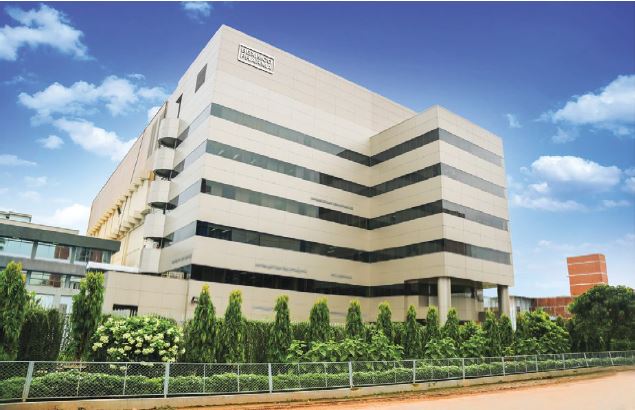
Beximco Pharma started operations in 1976 by importing products from leading drug makers Bayer from Germany and Upjohn from the U.S., before acquiring the license to manufacture these products domestically.

The firm has grown by leaps and bounds since then and has played a key role in the transformation of Bangladesh’s pharmaceutical industry from an import-dependent nation to an exporter. With a 4,500-strong workforce and a diverse portfolio of 500 products, the company is also emerging as a major global generic drug producer.

Beximco Pharma’s manufacturing facilities are accredited by leading regulatory authorities worldwide, and its products are now being exported to more than 50 countries, including the highly regulated markets of the U.S., Europe and Australia.

The company has also differentiated itself with its capabilities in hi-tech dosage delivery systems, such as metered dose inhalers. Today, the firm is the largest producer and exporter of inhalers in Bangladesh.

Enhancing Health and Well-Being

Beximco Pharma’s vision is to enhance human health and well-being by providing effective medicines at affordable prices and manufactured in full compliance with world-class quality standards. It also aims to be one of the most trusted, admired and successful pharmaceutical companies in the region, with a focus on strengthening research and development capabilities as well as creating partnerships and building presence across the globe.

“Beximco Pharma strives to provide access to life-saving therapies and make them affordable—at a fraction of the cost when compared to other developed and developing countries,” says Hassan. “The price of medicine in Bangladesh is probably the lowest in the world. Being a leading manufacturer, we have played an important role in introducing generic versions of many breakthroughs drugs and making them affordable to the patients.”

To realize these ambitions, the company has adopted a set of core values that encompass a commitment to quality by leveraging best industry practices. It also prioritizes talent development and strictly adheres to the highest ethical standards. At the same time, Beximco Pharma actively takes part in initiatives that benefits society and contributes to the welfare of its people.

Breaking New Ground

Beximco Pharma has been a trailblazer in the industry over the past four decades. It was the first Bangladeshi company approved by the USFDA and first to export medicines to the U.S. The firm also has the highest number of global accreditations in the industry among all local manufacturers and is the only Bangladeshi firm listed on the Alternative Investment Market of the London Stock Exchange.

Despite its achievements, the company isn’t resting on its laurels. It continues to make significant investments in R&D—equivalent to 1.5% of its annual revenues—particularly in areas such as biosimilars and vaccines, as it seeks to become a key player in the global market.

“We are the only Bangladeshi company to export medicine to the U.S. and within a short span of time the U.S. has become the largest export market for us,” says Hassan. “This was possible largely due to our stringent quality standards and commitment to excellence.”

Unsurprisingly, the company has won numerous accolades for its achievements. It is a five-time winner of the National Export (Gold) trophy, and remains the only company in Bangladesh to win highly prestigious global awards, including the SCRIP Awards, and the Global Generics and Biosimilars Awards, among others.

Looking a head, Beximco Pharma aims to ramp up contributions from its export business, expand its presence in regulated global markets and increase its focus on vaccines, biosimilars and oncology drugs. It also aims to foster more international collaborations and partnerships, and is also looking to make strategic acquisitions.

Giving Back to Society

As a responsible corporate citizen, Beximco Pharma focuses its CSR activities on healthcare, education for the underprivileged, and research in the areas of medical devices.

The company helped to fund biomedical research in developing a number of low-cost medical devices, including the country’s first negative pressure isolation canopy to protect doctors working in Covid-19 hospitals. It also fully sponsored the country’s lone clinical trial on a potential Covid-19 treatment.

Furthermore, the company collaborates with non-profit organizations that work to improve people’s lives through research, information and advocacy. For instance, it supports the JAAGO Foundation, the country’s largest youth-based volunteer organization. In a separate initiative, the company has sponsored several computer learning schools in remote districts across Bangladesh in partnership with U.S.-based Computer Literacy Program.

“As we grow, we continually strive to meet the needs and expectations of our stakeholders and society as a whole,” says Rahman. “We strongly believe we can only be successful if we create value not just for the company but also for the society, we live in.”

To find out more
www.beximcopharma.com

Petronas: Gearing Up For The Future With Cleaner And Renewable Energy

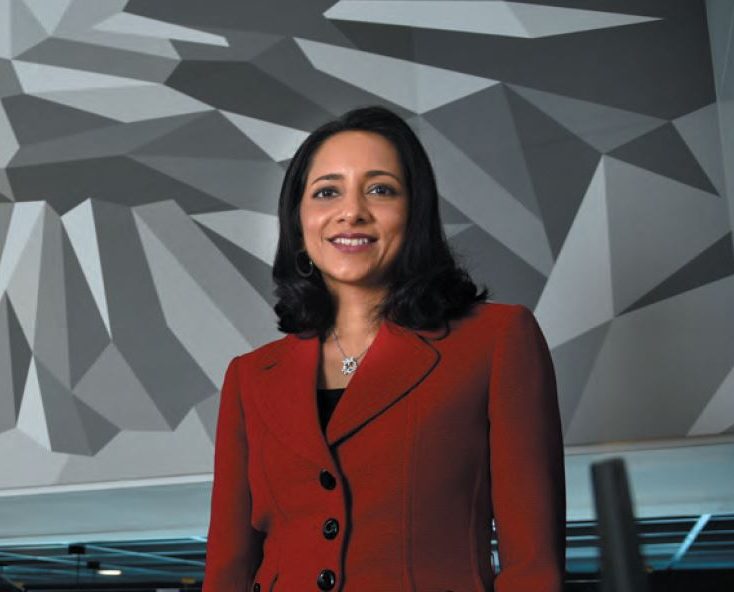
Adnan Zainal Abidin, Executive Vice President and Chief Executive Officer of PETRONAS G+NE

PETRONAS shares this vision for a greener future, guided by its Net Zero Carbon Emission 2050 goals. To drive this vision, PETRONAS established the Gas + New Energy (G+NE) business division, a one-stop center for cleaner energy solutions. G+NE will chart the course to ensure that PETRONAS continues to evolve as a cleaner and renewable energy provider, while supporting the energy transition.

“With PETRONAS’ diversified energy portfolio under G+NE, we have introduced forward thinking technologies and have tailor made our solutions to ensure our customers benefit from cleaner and sustainable energy covering natural gas, renewables and hydrogen,” says Adnan Zainal Abidin, Executive Vice President and Chief Executive Officer of G+NE.

Integrated Value Chain

Over the years, PETRONAS has developed its capabilities and an integrated value chain to provide reliable and accessible cleaner energy in order to meet the growing global energy demand.

As a leading Liquefied Natural Gas (LNG) supplier, PETRONAS operates one of the world’s largest LNG facilities in a single location in Bintulu, Sarawak. It also has presence across Egypt, Australia, and soon Canada, enabling the company to deliver LNG to more than 25 countries worldwide.

PETRONAS is also the world’s first owner and operator of two floating LNG (FLNG) facilities, which can produce almost three million tons of LNG per annum for its customers. PETRONAS’ leadership in FLNG technologies has redefined the LNG industry, allowing energy companies to monetize and unlock previously uneconomical and stranded gas fields, while safeguarding the environment.

The company’s public listed subsidiary, PETRONAS Gas Berhad, has been the backbone of Malaysia’s gas market, supplying customers with solutions that include gas processing, gas transportation, LNG regasification and utilities, as well as the provision of cross border pipelines.

PETRONAS also provides its customers innovative solutions such as LNG Bunkering to promote the use of cleaner fuel in the marine industry. To reach remote industries with no access to direct LNG infrastructure, PETRONAS offers solutions such as virtual pipeline systems that deliver LNG in ISO tanks onboard trucks.

In pursuit of renewable energy sources, PETRONAS continues to build its presence and capacity as a world-class solar energy provider with its fully-owned subsidiary, Amplus Energy Solutions based in India. Today, PETRONAS has over 1GW of solar capacity in operation and under development in India and Malaysia.

As for hydrogen-based solutions, PETRONAS has through the years been producing blue hydrogen—a byproduct of its LNG production process—and is now exploring the commercial production of green hydrogen. These solutions assure customers that PETRONAS is able to produce efficient clean energy output that’s reliable and sustainable.

PETRONAS’ floating LNG facility and solar farms reflect the firm’s commitment to cleaner energy.

Sustainable Business

In addition to providing cleaner and renewable energy solutions, PETRONAS is also embedding sustainability into its businesses by growing the use of solar energy to power its operations and production.

Along with this is PETRONAS’ commitment to Malaysia’s own Green House Gas emission reduction agenda and the nation’s aspirations to increase renewable energy mix by advocating greater usage of solar and hydrogen as a clean energy carrier.

“Behind our shared purpose is our incredible employees, customers and stakeholders who will continue to heed the call and work towards building a greener and sustainable future,” says Adnan.

www.petronas.com/our-business/gas-and-new-energy

HSBC Private Banking Extends Footprint To Thailand

Based in Hong Kong, Tan Siew Meng is the Regional Head of Global Private Banking for Asia-Pacific. Prior to this, she was most notably the CEO of HSBC Thailand.

HSBC Private Banking recently established an onshore private banking presence in Thailand as it strives to become Asia’s leading wealth manager. With a significant wealth pool and investor friendly regulations, the country is a key market in the bank’s goal of capturing a larger share of the high net worth (HNW) and ultra-high net worth (UHNW) market across Southeast Asia.

The new private bank in Thailand is HSBC’s second onshore private bank in Southeast Asia after Singapore. It will facilitate clients’ access to international capital markets by leveraging the group’s existing infrastructure in advisory, investment methodologies, controls and systems in Asia.

HSBC is focusing on Southeast Asia, which is rapidly becoming an economic powerhouse with a fast-growing HNW and UHNW population. Capgemini’s 2017 Asia Pacific Wealth Report estimated that the assets of HNW investors in the region will reach US$40 trillion by 2025, up from US$18.8 trillion in 2017.

Within the region, Thailand had the second highest growth, up 12.4% to US$548 billion in 2016. The number of UHNW individuals in Thailand will increase by 30% in the five years through 2023, it added.

“Thailand is key to HSBC’s ASEAN and Asia growth strategy,” says Philip Kunz, Head of Global Private Banking for South Asia at HSBC. “I believe we are strongly placed to meet the evolving private banking needs in the region with the group’s international and business connectivity.”

Philip Kunz is the Singapore-based Head of Global Private Banking for South Asia, responsible for driving and executing HSBC’s strategy for private banking and wealth management across the region.

Global connectivity and expertise

Thailand’s rising affluence is driving new aspirations and changing the behaviour of investors. Against this backdrop, HSBC has a unique opportunity to leverage its global network and expertise to tap into the market’s vast potential. “Thailand has a wealth pool that is large and impactful,” says Kunz. “We need to have the right operating model to effectively manage these assets.”

Establishing an onshore presence in Thailand is crucial, with about 80% of HNW individuals’ wealth in Asia held onshore with local banks. HSBC Private Banking’s team in Thailand will cover client management and advisory services, while clients’ assets will be booked in Singapore, a preferred wealth management hub for the region’s affluent individuals.

The onshore model will allow clients to transfer their wealth to Singapore and give them access to international capital markets, with the added advantage of onshore proximity and deep relationship management at their doorsteps.

HSBC is also leveraging the Bank of Thailand’s moves to relax foreign exchange regulations and encourage greater flexibility in financial markets to better meet the needs of its clients.

Saranya Arunsilp leads the onshore private banking team in Thailand. Supported by local relationship managers and investment counsellors—who work closely with the Singapore office—the team aims to deliver best-in-class wealth management.

“With greater flexibility in the financial markets, supported by regulations that welcome more offshore investments, we believe that now is the right time for HSBC to offer a distinctive onshore experience to serve the growing needs of our Thai clients”

– Saranya Arunsilp, Country Head of Global Private Banking, HSBC Thailand

Serving family-owned businesses

The vast majority of Thailand HNW and UHNW clients have accumulated their wealth from running successful businesses. Family-run enterprises in Thailand have a combined net worth of THB30 trillion (US$939 million), with around 80% of all businesses in Thailand family-owned or controlled, according to a study by Deloitte published in January 2020.

HSBC is well-positioned to serve the corporate requirements of family enterprises as well as their wealth management needs, particularly in succession planning. This is an area of increasing importance as owners of maturing businesses naturally start handing over the reins to the next generation.

“Most family-owned companies struggle to survive beyond a single generation,” says Tan Siew Meng, Regional Head of Global Private Banking for Asia-Pacific at HSBC. “We can utilise our expertise in wealth planning and offer advice on topics such as family governance, succession planning, even their philanthropic intentions.”

Thailand’s HNW individuals are also more inclined towards wealth creation than wealth preservation. They are shifting from traditional deposits to more diversified portfolios in the recent years, including funds, offshore investments and increasingly, ESG-linked products.

To meet these and other needs, HSBC is tapping its unparalleled international footprint and bringing the full breadth of the group’s capabilities to its clients via a “one bank” approach. These capabilities include market-leading expertise in wholesale banking, private banking, insurance and asset management.

An illustrious heritage

As the first commercial bank in Thailand, HSBC is backed by a long and trusted history dating back over 133 years. The bank supported the country throughout its economic development. It introduced the country’s first bank notes, financed the nation’s first foreign loan and most recently launched the market’s first sustainability-linked loan and green deposits.

“Our 133 years in Thailand puts us in an advantageous position,” says Tan. “Many people know who we are and the HSBC name sits well with wealthy families here. As they grow their wealth, these families are looking for a bank that they are confident will be here to serve their future generations.” Reflecting its achievements and status in the country, Finance Asia named HSBC as the Best International Bank in Thailand this year.

Looking ahead, HSBC will build on its expansion in Thailand and continue to invest in its capabilities to better serve wealthy clients in Southeast Asia. The bank will work to strengthen its UHNW proposition with specialised investment advisory, enhanced wealth planning and bespoke products for its most sophisticated clients.

BaaSid Focuses On Protecting The Data Across The Blockchain

James Huang, CEO of BaaSid Taiwan

Amid all the hype around blockchain and its popular creation—cryptocurrency—sceptics are wondering whether the data stored using this innovation is secure. BaaSid, which is short for Blockchain as a Service for identification, seeks to address this concern by providing data authentication and a secure storage location.

Founded in 2017, BaaSid develops applications using blockchain technology—the decentralised digital ledger on which transactions can be recorded. BaaSid’s key products are Soteria, a decentralized data storage platform, and Pisti, an authentication system such as DID (W3C standard Decentralization Identity), 2FA. These form part of an offering known as blockchain-as-a-service, the third-party management of company and institutional blockchain applications.

The company’s board members James Huang, Moon Inshic, Otaka Jun and three others, have been working on IT security for more than a decade, initially using the technology in telecommunications and then in online gaming. “We had been working with a company that was involved in blockchain and wanted an opportunity to learn more about it and how it could help internet businesses,” says Huang, who is the CEO of Baa-Sid Taiwan.

Core Technology

BaaSid’s core technology splits data into multiple fragments, and then encrypted and controlled through a chain of information across several computers known as nodes. Each node contains a unique information, unlike the current system of centralized storage of data in computer servers used by industries today. To secure the data across the blockchain, BaaSid offers cloud-based and on-premise authentication and data protection services.

Over the past four years, the BaaSid team has developed its products and now counts government departments and universities in Taiwan among its clients, says Huang. The company also works with healthcare companies to safeguard the patients’ sensitive medical information.

Otaka Jun, CEO of BaaSid Japan

In Japan, while hospitals have increasingly adopted electronic medical record systems in the past 20 years, the dissemination of this information remains low tech, or manual. A patient in Kyoto who goes for a medical check-up at a local clinic and is referred to a hospital in Tokyo might need to bring along his medical records. However, with BaaSid’s system, the medical records from Kyoto can readily be accessed by doctors in Tokyo. “Baas is very suitable for this method of storing medical data for access by different providers,” says Otaka, the CEO of BaaSid Japan. “But the data belongs to the patient.”

With the proliferation of both surveillance video cameras and programs such as deepfakes that can create entirely fictional videos, blockchain can come to the rescue with its authentication capabilities. Working with smart building system designer and solutions provider TouchLife, BaaSid has integrated a secured video recording system with camera manufacturers that can prevent tampering with video. BaaSid also works with Taiwan-listed company Leadtek Inc. to develop secured data transfer solutions.

Institutions that use very large amounts of video such as law enforcement agencies require massive data storage facilities—usually too much for most physical media. BaaSid has worked with camera system providers to create a smart system that only plays back the relevant segments of the video feeds from the blockchain storage. “One file becomes split into 10, 20, 100 or 1,000 pieces—depending on your security level requirement—distributed using a very powerful engine to encrypt the data,” Huang says. “And it’s dynamic—each piece is encrypted differently. Hackers can’t access that data if they don’t have a private key.”

Pan-Asian Ambitions

As BaaSid continues to innovate, the company is making inroads across Asia. It has incorporated companies in Korea, Japan, Singapore and Taiwan and established a joint venture in Malaysia. “Our goal is to increase our share with competitive products in the global storage market,” says Huang. “Through blockchain-based authentication, we are developing and distributing various types of authentication products such as people, data, copyrights, and various certificates.”

The group has made a lot of progress in the past year. Besides winning government projects in Taiwan, the company also works with global IT companies such as AsusCloud and Oracle as well as e-commerce giant Amazon, Huang says.

Meanwhile, Otaka noted that Japan is an attractive market because of its size and level of innovation. BaaSid is eyeing opportunities in Japan’s digital media and animation industry, he says.

Moon Inshic, Director of BaaS Holdings

South Korea looks promising too, says Moon, a director of BaaSid. “It’s among the regions’s most dynamic IT markets,” he says. “Consumers in the country provide quick feedback, allowing for faster innovation.”

Apart from geographical expansion, the company also aims to move up the value chain, by providing services such high-end genomic analysis. “Very rich people need very high security to protect their gene data,” Huang says.

Moving Up The Value Chain

To raise its profile, the company is joining Taiwan’s digital governance association and signing a memorandum of understanding with Taiwan Blockchain Academia, a grouping of 15 universities.

At the same time, BaaSid is in talks with major companies on how the blockchain technology could be commercialized beyond the financial industry.

Companies and governments have become suspicious of blockchain technology given the proliferation of fraud and crimes associated with cryptocurrency, the most popular asset created by the technology. This has now become a major stumbling block for the commercialization of blockchain across many other industries.

At the same time, many blockchain companies have promoted their blockchain technology with hype and falsehoods, adding to distrust and rejection of this innovation. Despite widespread claims that blockchain will solve a lot of things, there has been very little investment in R&D to commercialize the technology. Seeing this as a huge opportunity, BaaSid has invested US$8 million on R&D.

“With our unique blockchain technology and solutions, we work with governments on decentralized identity programs and with companies such as Internet of Things (IoT) solutions and healthcare solutions providers,” Huang says.

As companies increasingly adapt IoT, massive amounts of data are transmitted across wireless and fixed devices, making systems more vulnerable to data leaks and breaches. Data in the wrong hands is very dangerous, Huang says.

“We are working with IoT companies to build identity authentication solutions to ensure commands are really sent by data owners,” Huang says. “Devices from Apple watches to heart monitoring equipment can be hacked or deactivated. Blockchain can accurately record your data securely.” Huang said it was such problems that he and his colleagues experienced while working for online gaming services for more than 25 years that spawned the idea of BaaSid.

As the technology evolves, BaaSid hopes to attract a well-known fund to invest in the company soon and eventually list in Singapore, Japan or the U.S. in the next 2-3 years. “We will continue to work hard for continuous growth,” Huang says.

FUJIFILM Business Innovation: Reborn To Create Global Value

Hisanori Makaya

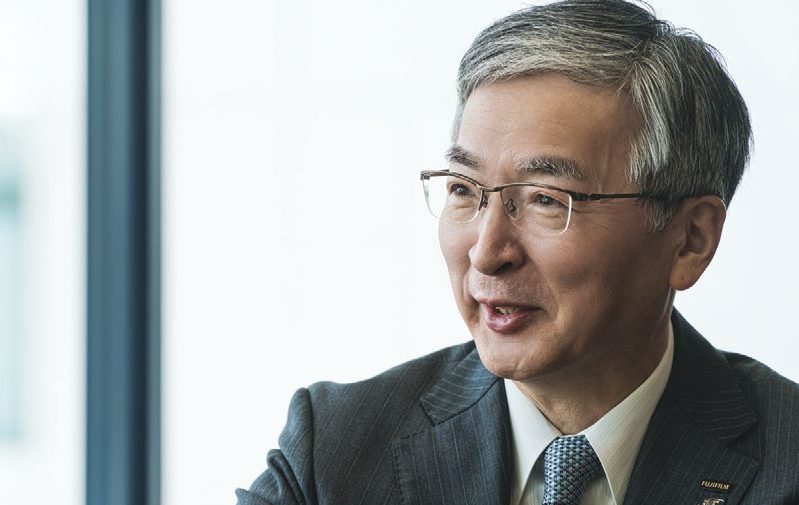
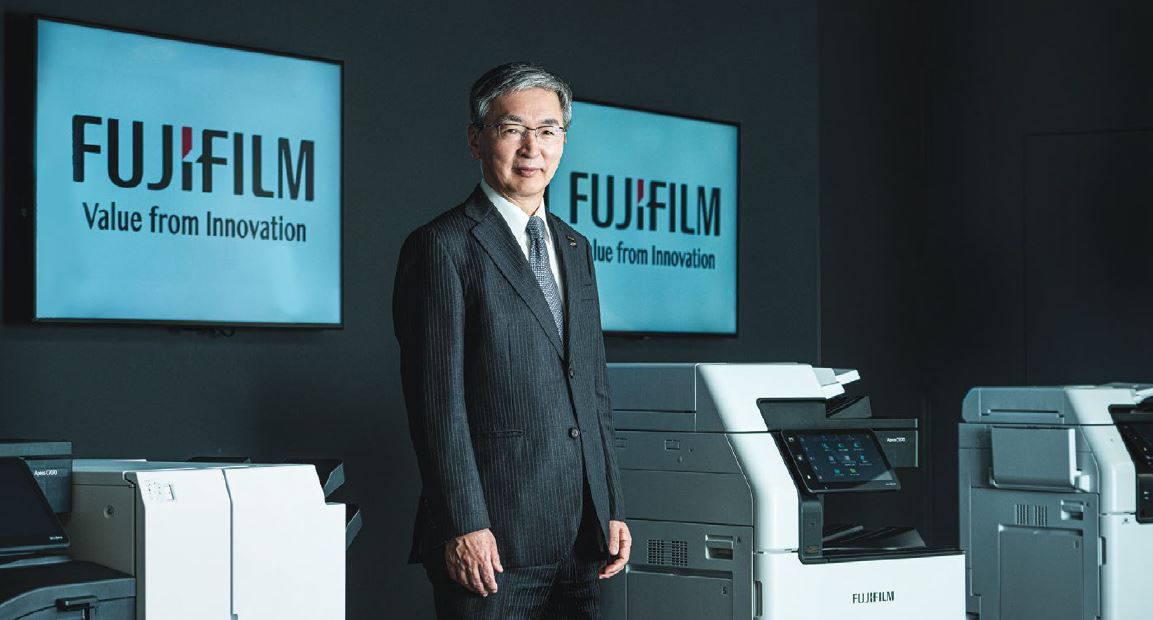
“We’ve changed our brand and set out on a new path,” says Hisanori Makaya, President and CEO of FUJIFILM Business Innovation (BI), formerly Fuji Xerox. “We are seizing this change, the biggest in our company’s history, as an opportunity to leverage the full wisdom of the Fujifilm Group to deliver innovative value to customers all over the world.”

The name change was brought about right after the Technology Agreement with Xerox Corporation ended on March 31, closing the curtain on almost 60 years as Fuji Xerox. Reborn under the Fujifilm brand, the company is now set to expand beyond Asia-Pacific to the world.

Leaping into New Businesses

Makaya says the company’s new name reflects FUJIFILM BI’s commitment to continued innovation. “Competition is growing fiercer by the day as businesses diversify and globalize, so we need to help our stakeholders exchange information quickly and accurately,” he explains. “Our role is to maximize our customers’ organizational capabilities by accelerating digital transformation (DX) and improving work efficiency so that they can concentrate on what matters most to them.”

“Customers can expect true technological innovation from the combined strengths of the Fujifilm Group.

– Hisanori Makaya, President and CEO, FUJIFILM Business Innovation

Makaya believes the company’s new name truly represents its mission.

“Fujifilm has a proven track record of successfully transforming itself from a photographic film manufacturer to a developer of various high-growth businesses such as healthcare, and with this amazing transformation, the Fujifilm story became a case study for many,” he notes. “Together with Fujifilm’s global branding, reach and expertise, customers can be further assured of the upcoming innovations for our products and services. We are also committed to providing our usual excellent service and quality assurance to all our customers. Our after-sales maintenance service level will be the same, if not better.”

Along with the rebranding, perhaps the most important step is expansion into new markets. Makaya’s wealth of experience in leading many major business changes, including mergers and acquisitions, is a key reason why he was promoted as CEO.

“Back when I joined Fuji Photo Film (now FUJIFILM Holdings) in the early 1980s, there was already talk about film eventually disappearing, so the company was destined to change,” he recalls. “I spent a lot of time in commercial printing and saw all kinds of new ventures. It might sound overblown, but periods of change can push people to evolve, and companies are the same. That’s why we never stop. The important thing is not responding to changes, but to anticipate them and guide our own evolution.”

Innovating Through Fujifilm Synergies

So, what changes will occur at FUJIFILM BI?

“Our biggest synergy within the Fujifilm Group is in commercial printing,” Makaya explains. “We are integrating related divisions to bring optimal printing solutions to our customers, as well as expand product lineups and collaborate in sales. In healthcare, we also combined respective strengths in image processing and natural language processing to support and improve diagnosis efficiency. Customers can expect true technological innovation from the combined strengths of the Fujifilm Group.”

While the company was previously limited to Asia-Pacific, FUJIFILM BI is ready to start selling products globally under the Fujifilm brand. It is also considering ways to provide IT solutions and services that match new work styles that have emerged during the pandemic.

The company’s passion for business innovation continues. As more offices go paperless, FUJIFILM BI is currently reassessing the future viability of multifunction printers (MFPs).

Hisanori Makaya

“I believe the MFP still has a huge role to play,” Makaya says. “Connecting a device to cloud services can support remote work. As times change, we will meet diverse customer needs by linking evolved MFPs with all kinds of software, either our own or third-party. Our mission as a leading company is to help create a benchmark for the various new ways of working.”

FUJIFILM BI continues to grow even though the work-from-home trend is slowing demand for office printing. Despite the pandemic, sales volumes of its products equipped with robust security features surpassed the previous fiscal year’s numbers.

The pandemic also didn’t stop the company from innovating. It launched 19 MFP models last June and successfully continued its mission by launching four additional models and 14 products of the ApeosPro, Apeos C and ApeosPrint series in April 2021, the company’s first product lineup under the Fujifilm brand.

The company also provides network security and other IT-related outsourcing for small and mid-sized enterprises (SMEs). One such service is from the company’s recent acquisition of CSG Limited, now called FUJIFILM CSG Limited. This service originated from FUJIFILM CSG’s Code- Blue business and has already launched in Japan, and the company is eyeing deploying it in the Asia-Pacific region as well.

When it comes to the new IT services business, Makaya believes the possibilities are endless.

“Last year, we established FUJIFILM RIPCORD, a joint venture with American startup Ripcord, and added a variety of engineering ideas to scanners equipped with robotics technology,” he says. “We succeeded in creating an automated solution that can scan hundreds of millions of sheets, easily surpassing earlier conventional limits to document digitization. This means we can contribute enormously to customers pursuing DX. We have already started sales in Japan, and are getting ready to expand into the Asia-Pacific. FUJIFILM BI will never stop bringing a brighter future for everyone.”

Hisanori Makaya was appointed President and CEO of FUJIFILM Business Innovation on April 1, 2021. Prior to that, he was executive vice president of Fuji Xerox since June 2019 and senior vice president since 2017. Before Fuji Xerox, he held various leadership roles at FUJIFILM Holdings, including in corporate planning, healthcare and graphic systems. He graduated from the Faculty of Economics, Doshisha University, Kyoto, Japan.

FUJIFILM Business Innovation
https://www.fujifilm.com/fbglobal/eng


MANAGEMENT PHILOSOPHY

Makaya believes in inspiring employees to embrace change. He mentors employees on presentation skills by explaining that a story with a clear and logical flow is vital. He puts words into action when he organizes important tasks using his favorite office tools: three beautiful and sophisticated pens and a leather-bound notebook. He believes that writing down the most essential content will help connect the dots and convey your story with clarity.

Supporting The Transition Into A Net Zero World

The unprecedented events of the past year underscores the daunting challenges posed by climate change. As the pandemic upended the global economy, governments around the world put sustainability issues to the top of their agenda, particularly in Southeast Asia.

While businesses are accelerating efforts to adapt to the new normal, consumers are increasingly turning to services and products that leave a smaller carbon footprint. They’re also actively seeking to support companies that demonstrate superior ESG (Environmental, Social, and Corporate Governance) standards.

The role of green financing

The urgency to reduce carbon emissions has spilled into financial markets. Financial institutions are accelerating the push towards a low-carbon world by employing the right financing and investment tools to influence the ways companies operate.

Indeed, investor demand for ESG-linked financing solutions has grown rapidly in recent years. Green, social and sustainability bond issuance climbed 5.2% to a record high of US$12.1bn in 2020 across Southeast Asia, compared to the previous year.

According to HSBC, 82% of individual investors consider sustainability, environmental or ethical issues to be important when managing their investments. Another 46% of individual investors believe their portfolios will comprise 100% sustainable investments in the next three to five years.

To address the growing demand for ESG-linked investment products, HSBC is mobilising its global resources to spur and lead the transition to a global net zero economy. In addition to transforming the bank’s own operations and supply chains, HSBC also aims to support its customers with green financing to reduce their emissions to net zero by 2050 or earlier.

Achieving ESG outcomes

The transition to a low-carbon environment often begins with conversations about awareness and improvisation.

“We have built a deep understanding of both our individual and corporate clients, many of whom have the ability to influence and inspire positive change as we embark on this collective journey,” says Philip Kunz, Head of Global Private Banking for Southeast Asia at HSBC.

This is where HSBC’s global network comes to the fore, connecting clients who are seeking ESG outcomes to like-minded individuals with the experience and know-how to help them succeed.

HSBC Private Banking is pooling investment expertise across the entire group to collectively accelerate ESG offerings. Its core portfolio approach imbues high-conviction themes aligned with the United Nations Sustainable Development Goals and the Paris Agreement.

“We strongly believe that sustainable investing does not detract, but instead is accretive to performance. It is a strategic priority for us to expand our range of products in order to find solutions that meet our clients’ evolving needs,” says Lavanya Chari, who oversees the private bank’s investment product strategy to deliver on the ESG agenda.

In April 2020, HSBC introduced its first private equity fund that seeks to achieve positive social and environmental impact, while providing competitive returns.

Its latest joint venture, HSBC Pollination Climate Asset Management, intends to establish a series of natural capital funds which invests in activities that preserve, protect and enhance the environment over the long term and address climate change.

“In addition, we will continue to be rigorous in our fund selection, hone our research and insight capabilities to better spot interesting opportunities in this space,” she adds.

Philip Kunz, Head of Global Private Banking, Southeast Asia at HSBC

Bringing more of HSBC to clients

As part of its net zero strategy, HSBC is utilising its international reach to proactively facilitate collaboration on two fronts.

One is to promote sustainability among public and private players. This involves working with investors, governments, nongovernmental organisations, other financial institutions and its suppliers to support long term investments in environmentally sustainable projects.

The other, and much closer to the heart of the organisation, is through its client relationships.

“With our global network and 150 years of heritage, I believe there is no other bank that is as well-positioned as HSBC to help customers embrace sustainability at every stage of their wealth creation journey. We also understand the impact of ESG issues on the community and the role that they can play,” says Kunz.

For instance, HSBC Private Banking works closely with HSBC’s Commercial Banking division to better identify specific areas that business owners can improve on.

“Rather than telling them to exit their business, we help these clients to continue pursuing their business, but in a far more sustainable way. And ultimately, helping them understand that while the path to sustainability may increase costs at the start, these (costs) will turn into an investment that brings huge benefits in time to come,” affirms Mr Kunz.

Another major factor that is driving interest in sustainable finance is unsurprisingly, the rise of younger entrepreneurs and investors. Studies have shown that the next generation, commonly referred to individuals between age 25 and 40, often have more progressive value systems than previous generations, and are hence drawn to investments that have direct social or environmental impacts.

Apart from providing thought leadership and innovations with sustainable financing, HSBC also takes a hands-on approach to engage the next generation. For more than three years, HSBC Private Banking has been running its Sustainability Leadership Programme, a platform built for the next generation to explore climate change and sustainability. The programme encourages them to apply sustainable practices to their own business and investment decisions.

Lavanya Chari, Global Head of Investments and Products Group, Private Banking and Wealth Management at HSBC

Finding purpose

While much progress has been made on the sustainable financing front, it may take a longer time for portfolios to truly reflect ESG objectives. That further reinforces HSBC’s commitment to its climate ambition, and Kunz echoes this sentiment.

“We aim to get every client on board this journey. It’s really about what HSBC represents and why we exist – and that is to work in partnership with our clients to realise the opportunity to build a more sustainable, resilient, and prosperous future. So, why stop here?”

Connect with us today


Citi Private Banking: A Pivot In The Post-Pandemic World

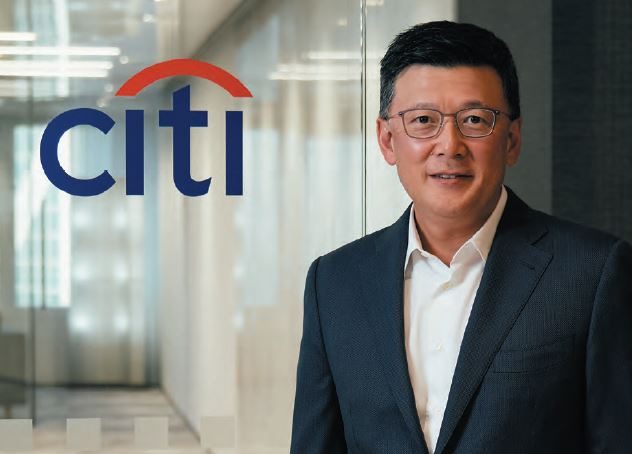
For Steven Lo, Citigroup’s announcement in April that it would exit retail consumer banking in major Asia-Pacific markets was not a retreat but a repositioning for future growth.

The U.S. bank said it would focus on wealth management in one of the world’s fastest-growing regions. According to McKinsey data, personal financial assets in the Asia-Pacific totaled US$34 trillion at the end of 2019, representing compound annual growth of 10% since 2014, about twice the 5% to 6% pace in Europe and North America over the same period. Managed assets account for only 15% to 20% of the total, signaling enormous potential.

Lo and his team, which has expanded with the recent formation of Citi Global Wealth by combining Citi’s Consumer Wealth and Private Bank businesses, expect to more than double their current staff of 1,765 by adding more than 2,300 positions across the platform by the end of 2025. Their aim is to secure a high proportion of unmanaged assets in the region and make Citi one of the top wealth management banks in Asia-Pacific.

He notes that the challenges facing the industry are not limited to the Covid-19 pandemic, and that their impact on global growth requires new strategies to overcome. “We have been in Asia for a very long time, since 1902, so exiting consumer banking in 13 markets was not a simple decision,” Lo says.

Focusing on wealth management makes sense given that it is a “superfast growth area in the region,” according to Lo. Citi will establish four “wealth hubs” outside its core operating area of North America: Hong Kong, Singapore, the UAE and London. Lo, who has been at Citi for 30 years, says the new direction is exciting. “We have a lot to offer, and we can win in a big way.”

REGIONAL DIFFERENCES

Private bankers have to account for the different investment preferences within Asia-Pacific, Lo points out. “Chinese investors are very comfortable with risk and willing to [be] overweight in equity,” he says, adding that Hong Kong and Taiwan investors have similar preferences. “They understand that much better than anything else, however, we have [also] seen growing interest in other asset classes such as fixed income and alternatives such as hedge funds and private equity.”

But in Southeast Asia, Lo notes, foreign exchange is a key preference, reflecting the export-oriented nature of some countries. “If you are in Indonesia, you know the rupiah, but the nature of your business may require exposure into Australian dollars or Canadian dollars, for example. People really know their currencies there,” Lo says, adding that crafting a portfolio for an individual client means “we have to look into the local flavor.”

Citi Global Wealth starts with clients having a minimum of US$200,000 to invest and extends all the way up to the region’s billionaire tycoons. While asset allocation is an important consideration in wealth management, Lo explains that its benefits are best enjoyed when a more substantial amount, say US$10 million, is available to work with. “Although US$5 million sounds like a lot of money, you can’t do any meaningful asset allocation as the amount limits how much you can actually diversify,” he says.

However, clients with US$10 million to invest “would be in a position to make good use of our capabilities,” Lo says, as Citi’s global reach comes into play at that level. “They demand more sophisticated financial help and tend to have a global perspective. They might be thinking about major real estate in London, [and] see the Citi franchise as highly coordinated and well positioned to help them achieve their financial goals.”

NATURAL PROGRESSION

Under Citi’s new direction, Lo says the key segments of its banking operations, including Citigold Private Client and Citi Private Bank, are linked in a kind of natural progression as clients’ wealth grows. “In the past there was a drop off point where clients left, so by unifying the whole platform we would have a higher degree of client retention as they climb the wealth ladder. That’s the beauty of an integrated network,” says Lo.

In addition to the clarity that an integrated network would provide, Lo says private banking clients appreciate that, on top of the products and services they enjoy at the private bank, they can also access other parts of the bank to “create a total solution.”

Through its Citigold level, the bank seeks to “capture the flow of our customers at the early stage of their wealth creation cycle,” which also enables Citi to train its younger employees on more straightforward portfolios, Lo explains. “We allow them to learn the true meaning of being a wealth adviser.”

Lo says Citi’s two Asia-Pacific “wealth hubs”—Hong Kong and Singapore—will cater to different client groups. “Hong Kong will continue to be able to capture the flow of newly minted multi-millionaires from North Asia,” and China-related capital market activities will continue to take place in Hong Kong. This flow should not be surprising since Hong Kong has become a major capital markets hub in the region.

Many potential clients operate in the technology sector. “If you look at recently listed companies from China which have been in the news, they are mainly on the technology side where you can command a much higher [price-to-earnings] ratio, which translates into a much bigger initial public offering,” says Lo. Many such companies desire a presence or tie to Silicon Valley, and Citi is “one of the few banks here that can provide a link to the U.S., and that’s a really important connection for them.”

While Hong Kong remains “highly Chinacentric,” he says, other economies are more important for Singapore. “Indonesia is a fairly important trading partner for Singapore, as is Malaysia, and for Australia and New Zealand clients, Singapore is where the first stop is going to be.” Singapore will also see more family offices as its “government makes things a lot easier for family offices to set up there,” he adds.

If you’re in the banking industry, it’s not about how much studying or reading you have done. The real value comes from apprenticeships, what you learn from people, that in-person dialogue. I’m missing that.”

– Steven Lo, Co-Head of Citi Global Wealth Asia and Region Head of Citi Private Bank Asia-Pacific

ADAPTING TO THE ‘NEW NORMAL’

Lo acknowledges that the past year has been intense. The “new normal” stemming from the pandemic has prompted many questions from clients. With the prospect of interest rates rising, fixed income could go out of favor, and “the conversation has changed to what we can do to hedge loan exposure,” he says. In addition, “more clients are asking about cryptocurrency.”

Lo’s short-term goal is to steer the private bank through Covid-19 and into the post-pandemic era. He says his own travel and client interaction has dwindled, but the biggest effect is on junior staff, who work at home, often in Hong Kong’s tiny apartments. “When we allow people to come into the office, I give priority to our junior staff. They are so happy,” Lo says. That said, he is impressed at how clients have adapted to the new normal. “I have clients in their 70s telling me to arrange a Zoom call,” he says with a laugh.

Despite his team adapting to work within pandemic-related restrictions, Lo maintains that private banking is a deeply personal endeavor. “I’m a believer that if you’re in the banking industry, it’s not about how much studying or reading you have done. The real value comes from apprenticeships, what you learn from people, that in-person dialogue. I’m missing that,” he says. “We have to get people back to the office: human interaction, that’s the endgame right there.”

www.citiprivatebank.com

Green For Go

Although the pandemic has undoubtedly been the main focus of governments around the world over the past year, an even greater challenge lies on the horizon: climate change. It’s a challenge that Hong Kong is meeting head on, not only by setting stringent climate goals such as becoming carbon neutral by 2050, but also through innovative environmental, social and governance (ESG) strategies and green and sustainable finance initiatives introduced by the Hong Kong Monetary Authority (HKMA). To date, Hong Kong is the first Asian jurisdiction that has committed to align specifically with the recommendations of the Task Force on Climate-related Financial Disclosures by 2025 across relevant sectors.

“The HKMA seeks to make our contributions in this area by leveraging on our role as a regulator, a major investor, as well as an active participant in international financial forums,” says Eddie Yue, Chief Executive of the HKMA.

A Three-Pronged Strategy

Underpinning much of the HKMA’s strategy are three initiatives outlined as early as May 2019. The first initiative is to promote green and sustainable banking. The first phase of work to develop a common framework to assess the “Greenness Baseline” of individual banks has been completed. Currently, in the second phase, the HKMA, in consultation with the banking industry, is formulating supervisory requirements on managing climate-related risks. Meanwhile, the HKMA has also launched a pilot exercise on climate risk stress testing in early 2021 to assess the climate resilience of its banking sector. The third phase will be for banks to implement the finalized requirements.

The HKMA’s second initiative seeks to cultivate a responsible investment (RI) environment by weaving ESG factors into the investment process of the Exchange Fund (EF), as well as giving priority to ESG investments when long-term risk-adjusted returns are comparable to other investments. “As one of the largest reserves managers globally, we embrace responsible investing,” says Yue. “ESG principles are now an integral part of our investment criteria, processes and asset allocation.”

Some examples of the RI efforts are:

  • Gradually building up EF’s investments in green bonds, ESG-themed equity mandates, and other green investments such as renewable energy and green buildings.
  • Embedding ESG factors in the selection, appointment and monitoring of the HKMA’s external managers of public assets and examining ESG policies and practices of general partners as part of due diligence of private market investments.
  • Incorporating ESG factors in the credit risk analysis of bond portfolios.

The HKMA’s third initiative is the launch of the Centre for Green Finance (CGF) to serve as a platform for technical support and experience sharing for the green development of the local banking and finance industry.

As one of the largest reserves managers globally, we embrace responsible investing. ESG principles are now an integral part of our investment criteria, processes and asset allocation.”

–Eddie Yue, Chief Executive of the HKMA

Taking the Lead

In May 2020, the HKMA joined forces with the Securities and Futures Commission to initiate the Green and Sustainable Finance Cross-Agency Steering Group. The Steering Group has set out five near-term action points, including achieving mandatory climate-related financial disclosures by 2025 and adoption of the Common Ground Taxonomy now being developed by the International Platform on Sustainable Finance.

Building on its status as an international financial centre, Hong Kong has also been quick to take on regional leadership roles for green finance initiatives pushed by supranational bodies such as the World Bank. For example, the HKMA is a founding member and the first regional anchor for the Asia Chapter of the Alliance for Green Commercial Banks, a global scheme launched by the International Finance Corporation (IFC) that encourages commercial banks to adopt greener investment practices.

“The HKMA’s vision and continued progress toward making Hong Kong a prominent green finance hub for Asia makes it the ideal inaugural partner to mainstream green finance in [the region],” said Stephanie von Friedeburg, Senior Vice-President of Operations at IFC, in November 2020.

Funding the Transition

Another area of green and sustainable finance in which Hong Kong is leading the way is its green bond strategy. Quick to recognize the value of a global market that HKMA’s Yue highlights has grown from practically non-existent ten years ago to US$290 billion annual issuance in 2020, the city has been enhancing its role as a regional green and sustainable bond hub. This includes providing the necessary infrastructure and catalyst for market development, such as the Green and Sustainable Finance Grant Scheme to provide subsidies for eligible bond issuers and loan borrowers to cover their expenses on bond issuance and external review services, while supporting international initiatives and alignment. In 2020 alone, US$12 billion green debt were arranged and issued in Hong Kong, with one-third of the issuers being first time issuers in the city. This is in spite of the disruptions caused by the pandemic. By the end of 2020, cumulative green debt issuance in Hong Kong amounted to over US$38 billion.

Such strengths have also come about on the back of the highly successful Government Green Bond Programme, with issuances being well received by global institutional investors. This, Yue says, is a testament to investors’ confidence in Hong Kong’s credit strengths and economic fundamentals in the long term, as well as their support of its efforts in promoting sustainable development.

Demand for the latest US$2.5 billion issuance in February was huge, and the three tranches of five-, ten- and 30-year tenors helped set a comprehensive benchmark yield curve for potential green bond issuers in the region. The pricing achieved was well within the spread of other U.S. dollar-denominated comparables over U.S. Treasuries, reflecting strong investor interest in this green bond.

For more information, visit: www.hkma.gov.hk

Petronas: Attractive New Upstream Prospects For Investors

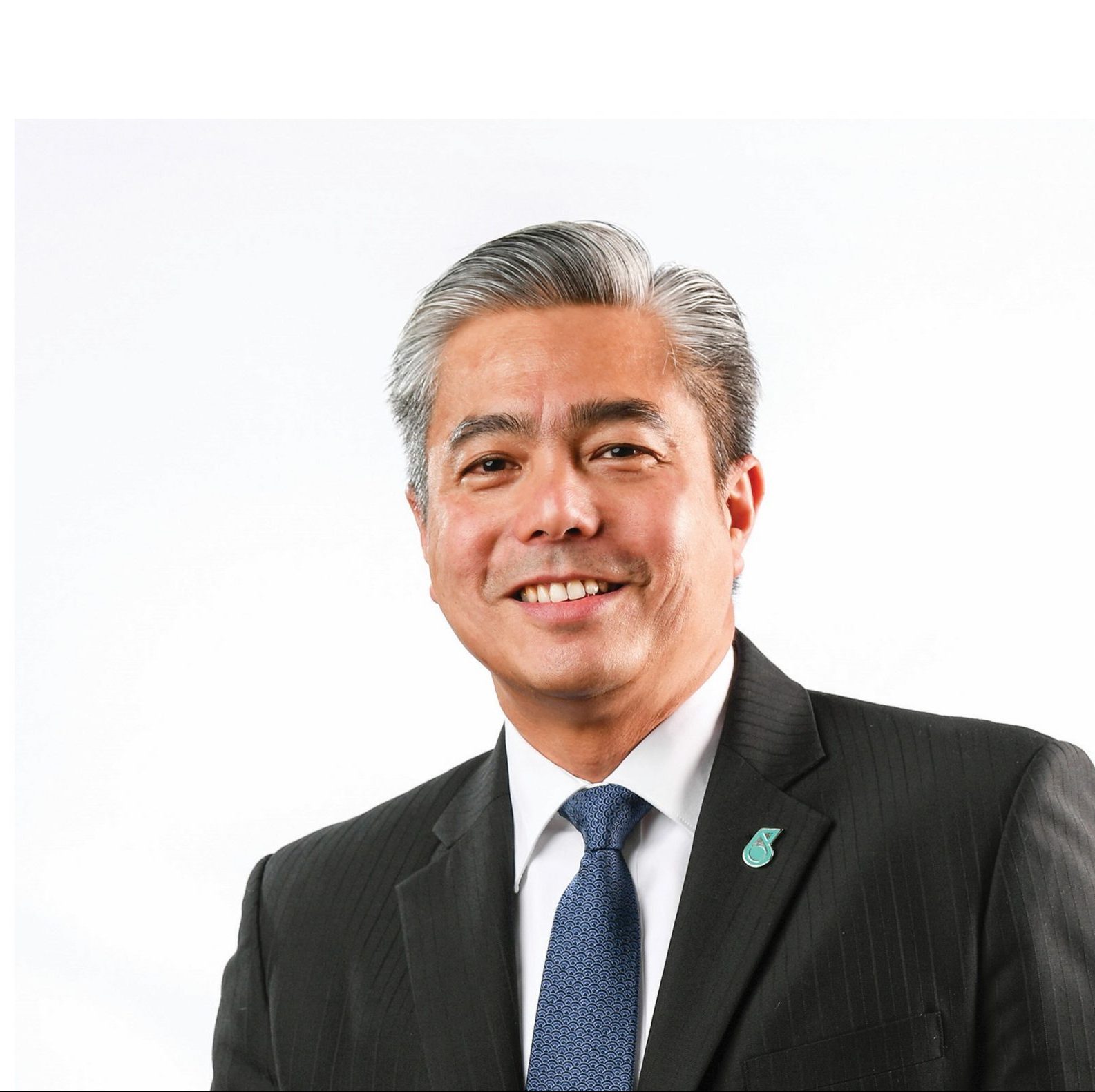
PETRONAS Executive Vice President and CEO of Upstream, Adif Zulkifli

Malaysia Petroleum Management (MPM) has launched the Malaysia Bid Round (MBR) 2021, a platform to offer 13 new offshore exploration blocks within proven hydrocarbon basins in Malaysia to interested investors.

These 13 blocks cover nine shallow-water and four deep-water acreages, with discovered resources opportunities (DRO) included in some of the exploration blocks. MPM, on behalf of the resource owner PETRONAS, manages Malaysia’s hydrocarbon assets.

Although there has been an accelerated shift toward renewables, petroleum demand is expected to remain robust in the coming years due to rising energy demand.

Thus, decarbonization of its core operations is critical in ensuring energy security, while helping countries to benefit from less emissions-intensive fuels.

To that end, there is a need to explore oil and gas in the right places and drill for what is known as “advantaged” barrels—oil that has the twin properties of being low in cost and carbon content.

PETRONAS Executive Vice President and CEO of Upstream, Adif Zulkifli, says advantaged barrels can be produced even when prices are low and when regulations are tightened, and is expected to be the source of the bulk of oil supply in the next few decades.

“For 2021, PETRONAS is offering attractive exploration blocks located within proven hydrocarbon basins. Our track record shows we have always been investment friendly as we continue to create a conducive environment to deliver value and promote sustainable development,” adds Adif.

Flexible Terms

Looking to draw in agile investors, MPM is enhancing its product offering to encourage collaboration and further investment in the industry, offering three types of new production sharing contracts (PSCs) under the MBR 2021.

The first, the Enhanced Profitability PSC Terms (EPT), includes a 70% fixed-cost recovery ceiling and linear profit sharing, based on a single oil and gas pool. Under this scheme, the contractor’s profit share will range between 30% and 90% depending on the asset’s profitability.

The second and third PSC—called the Small Field Assets (SFA) and Late Life Assets (LLA), respectively—provide opportunities for industry players with niche capabilities to monetize discovered fields with resource size of less than 15 million barrels of oil or less than 300 billion cubic feet of gas.

MPM also offers several nonfiscal enhancements for the exploration blocks such as larger block size, flexible bidding options, e.g. the option to merge two adjacent blocks under one PSC, transferable minimum work commitments between two adjacent PSCs and a phased exploration period.

MPM is hosting a virtual data room that is accessible now until August 6 to allow potential investors to conduct data room reviews within the bid round period. The bid evaluation exercise will take place between August and September. The contracts will be awarded to successful bidders by year-end.

MBR 2021 blocks on offer

Senior Vice President of MPM, Mohamed Firouz Asnan, says, “To date, some 40 billion barrels of oil equivalent (bboe) have been discovered in Malaysia, one of the highest in the region, with 20 bboe more waiting to be unlocked. This makes Malaysia a country with great potential for growth while providing investors flexibility and choice.

“Those seeking the right opportunities will not only balance but strengthen their portfolio, and we hope to see new investors, including existing players, bidding this year,” adds Firouz.

For more information, please visit
www.petronas.com/mpm

OSIM: Covid-19 Pushes More Singaporeans to Choose Home-Based Care To Manage Stress

 
Rejuvenate with uDream in the comfort of your home.

Many Singaporeans sought ways to relieve their stress at home over the past year as the Covid-19 pandemic raised their stress levels and disrupted usual methods of letting off steam. According to the inaugural OSIM Wellness Survey conducted by the health and wellness group last year, many respondents experienced heightened levels of stress as a result of the healthcare crisis. Left unchecked, chronic stress can lead to long-term health problems. According to a 2016 report by Harvard Medical School, prolonged stress can lead to a host of health problems such as high blood pressure, heart disease and diabetes. This highlights the pressing need for stress to be recognized and managed proactively.

Conducted between July and August 2020, the OSIM survey sought to assess the public’s perception toward overall well-being during the pandemic, how individuals perceived their stress levels, and consequently, how they sought to manage and relieve stress. It found that 61% of the 385 respondents indicated an increase in stress levels, with 81% reporting an above-moderate increase. Most respondents were also proactive in managing stress, reflecting a growing awareness among Singaporeans about the importance of maintaining their wellness amid trying times.

“As lifestyles shift and routines continue to be disrupted by Covid-19, the survey results indicate that individuals and families increasingly prefer de-stressing and unwinding in their own homes instead of heading out,” says Lynn Tan, Deputy CEO of OSIM International.

“We believe that this new normal will encourage more people to take better care of their well-being on a daily basis.”

The survey also identified how Singaporeans sought to lower their stress levels during the pandemic. Due to public health and safety measures, more than 50% of respondents said their usual stress management activities had been disrupted. These included gym workouts, group sports and wellness treatments such as massages.

In response, Singaporeans were more receptive toward a range of sensory therapies to relieve stress at home. Among the different options, massage therapy was selected as the most effective form of sensory therapy (85%), followed by music therapy (74%) and aromatherapy (71%).

While movement restrictions have since eased in Singapore, OSIM anticipates the growing emphasis on stress management is here to stay as individuals experiment with new therapies.

OSIM Wellness Survey results

Meeting the Wellness Needs of Individuals

Against this backdrop, OSIM continues to carry out its long-standing mission of developing solutions that address the health and wellness needs of its customers. In particular, the company is committed to using innovative technology to redefine the health and wellness landscape; creating products that empower individuals to take better care of themselves.

One such innovation is uDream, the world’s first 5-senses well-being chair designed to help individuals measure, monitor and manage stress levels from the comfort of home. The uDream’s AI Stress BioSensors use electrocardiography and AI technology to measure and translate stress signals into insightful and easy-to-understand Body Tension Scores. Through the proprietary uDream app, individuals can track their stress levels conveniently and effortlessly.

With uDream, those seeking to de-stress at home can now decide when and how to address any spikes in their stress levels to help stave off both the immediate and long-term health effects of chronic stress. Through initiatives such as the OSIM Wellness Survey and products such as the pioneering uDream, OSIM hopes to empower people to take better care of their health, not just during this challenging period, but also in a post-Covid world. An individual’s health will always be key to living better, regardless of the circumstances.

uDream 5-senses well-being experience

http://www.OSIM.com