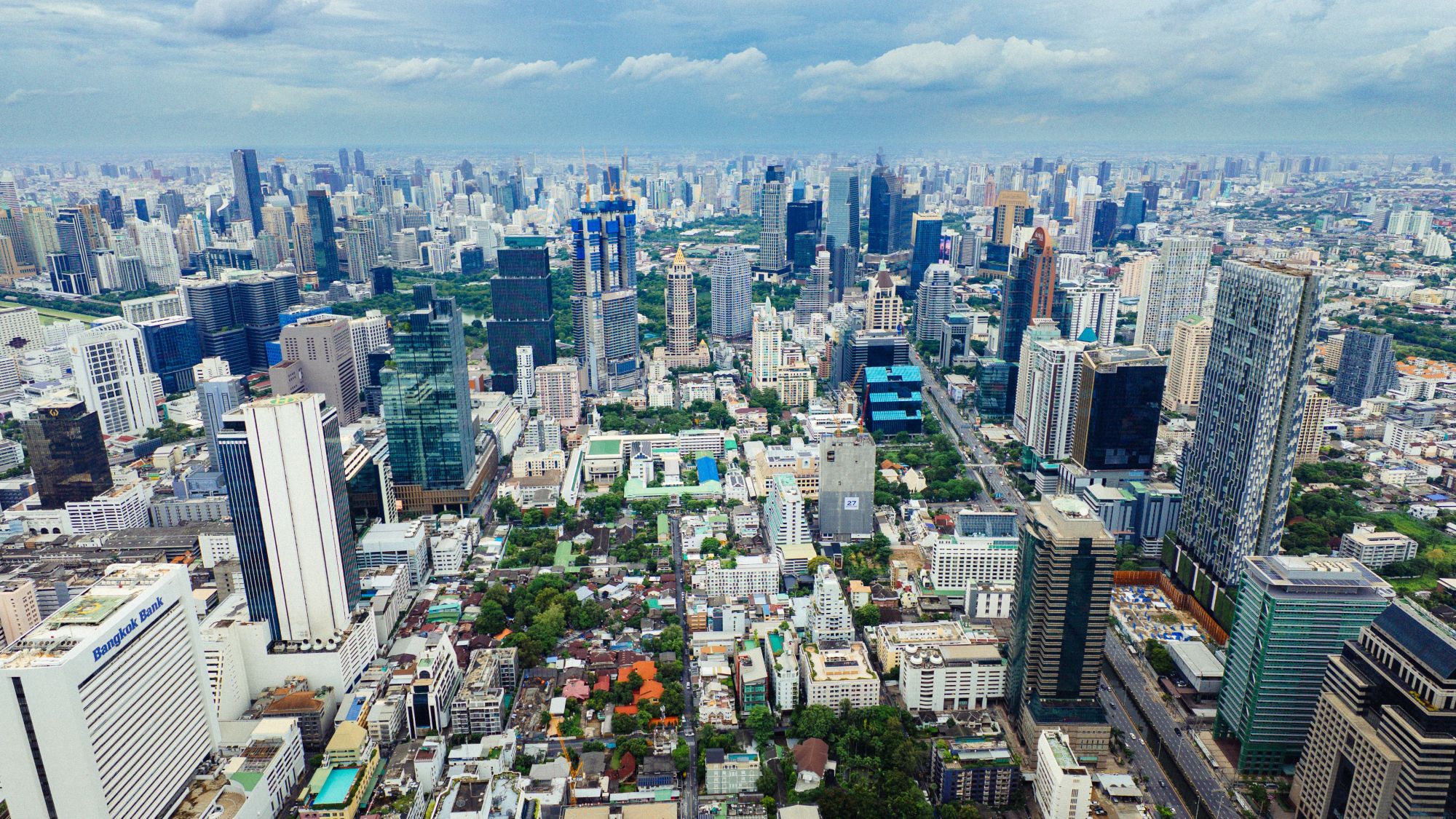
Thailand’s economy is projected to grow by 2.0% to 2.5% in 2026, supported by strong private investment, continued growth in household consumption, favorable merchandise export growth and government spending.
In the first half of 2026, foreign and domestic investment applications in Thailand surged to US$43.6 billion, up 37% year-on-year, driven largely by strong capital inflows into digital infrastructure and data centers. Investment applications in the digital sector alone reached US$33 billion, followed by commitments in other high-value industries. This strong investment momentum reflects growing investor confidence in Thailand’s potential as a hub for the industries of the future.
Shaping the Economic Agenda
Amid geopolitical tensions and global market realignment, Thailand is deepening economic cooperation and seeking new market opportunities by accelerating free trade agreement negotiations with key trading partners. A new national investment strategy was unveiled recently to reposition Thailand as a high-value industrial partner for international investors. The strategy focuses on investment in three key areas: advanced technology and artificial intelligence (AI), clean energy and sustainable infrastructure, and the longevity economy. The government will review existing business regulations and introduce reforms to attract foreign capital.
Thailand will have the opportunity to share its economic vision and experience on the global platform when it hosts the Annual Meetings of the International Monetary Fund (IMF) and the World Bank Group (WBG) in Bangkok in October 2026. As a middle power, Thailand aims to play a more active role in shaping the global economic agenda. The country also seeks to use the occasion to open new markets, deepen cooperation with economies of all sizes, accelerate development financing and progress toward the UN Sustainable Development Goals and contribute to reforming the global financial architecture.
Responding to Change
Rapid AI adoption continues to disrupt businesses. At the same time, companies are looking beyond the disruption to identify new opportunities, from adopting emerging technologies to reshaping supply chains and tapping into new growth areas.
KASIKORNBANK (KBank), one of Thailand’s largest banks serving about one-third of the country’s population, has weathered crises, technological disruptions and economic cycles with resilience over the past 80 years. KBank continues to reinvent itself by recognizing important shifts early and responding to customers’ evolving needs.
Meanwhile, a broader shift in the global economy, driven by aging demographics, is creating significant opportunities across the healthcare sector. Healthcare providers are tapping into the longevity economy by developing new care models and leveraging predictive analytics and smart technologies to meet the growing needs of aging populations.
BDMS Wellness Clinic, the flagship preventive arm of Bangkok Dusit Medical Services (BDMS), believes in combining evidence-based preventive medicine with personalized wellness programs to support long-term health and performance. Recently, the company unveiled WellEra, an integrated wellness ecosystem comprising four components: BDMS Wellness Clinic, a 262-unit Capella Residences Bangkok, a 168-room Urban Wellness Retreat and lifestyle retail spaces. Scheduled to be fully operational in 2030, WellEra represents BDMS’ vision of bridging medical science, environmental design and world-class hospitality to create a new model of healthy living.
As Bangkok prepares to welcome delegates to the IMF–WBG Annual Meetings, Thailand is embarking on its next phase of economic transformation—with the goal of becoming a high-income economy by 2037.
Thailand’s retail landscape is evolving, with new commercial districts in Bangkok, more diverse tourism demand and stronger regional consumer markets. Global, Asian and Thai brands are all seeking new avenues for growth.
The opportunity is clear, but scaling requires more than a successful flagship. It depends on understanding each city, catchment and customer group—and having the right partner to turn a first opening into a national growth strategy.
World-Class Scale, Nationwide Reach
As Thailand’s leading listed real estate developer and part of Central Group, Central Pattana offers access to 45 shopping centers and more than 18,000 partner stores. Its destinations welcomed over 510 million visits in 2025, including more than 70 million by international tourists.
Scale alone, however, is not enough. Central Pattana combines its network with local expertise, consumer intelligence and integrated marketing to help brands select the right catchment, launch effectively and expand in line with demand.
The Partner of Choice for Global Brands
The strongest evidence comes from the brands that have already placed their trust in the platform. More than 80% of global brands making their Thailand debut choose a Central Pattana destination, according to the company. Separately, the number of global brands in Central Pattana’s portfolio grew by 80% between 2022 and 2026, underscoring its ability to attract and support international brands.
Among the global names choosing its destinations for market debuts, flagship formats, new concept stores and strategic expansion are fashion and active lifestyle brands including UNIQLO, ZARA, POLO RALPH LAUREN, lululemon, adidas Brand Center, and Wilson; dining concepts such as Blue Bottle Coffee, Shake Shack, Kaiten Sushi Ginza Onodera, Hanam BBQ, NORIMAKI by Onitsuka Tiger and LOPIA; and lifestyle brands including Apple, POP MART, Sunnies, Tagi., and Xventure. Pokémon Center BANGKOK is also set to join the portfolio soon.
Powering Sustained Growth Through Data and Local Market Intelligence
Through Central Group’s The 1 loyalty and digital lifestyle ecosystem, with more than 23 million members, and The 1 Biz, reaching over 1,400 partner brands, Central Pattana helps businesses understand customers, sharpen targeting and drive engagement through coordinated campaigns, media and events.
Local knowledge complements this data. Central Pattana anticipated the rise of Asian consumer brands, most recently welcoming ‘heytea lab’ to centralwOrld for its Thailand debut. By identifying emerging trends and matching brands with the right locations and audiences, it creates a clearer path from market entry to scale.
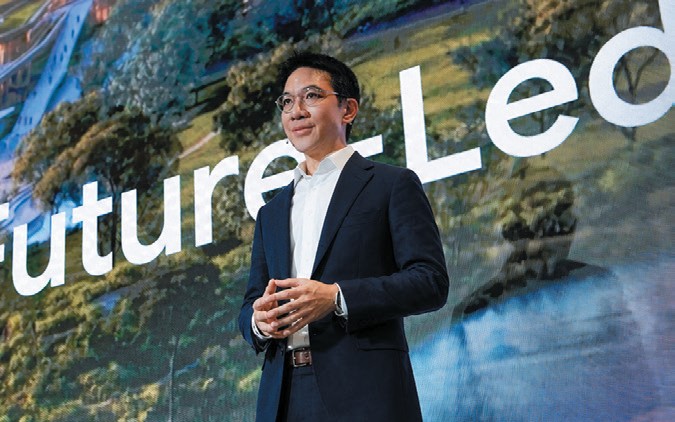
Chanavat Uahwatanasakul, President and CEO of Central Pattana
A Future-Led Ecosystem, Wider Opportunities
Central Pattana’s advantage extends through Central Group’s presence across Asia and Europe, including Selfridges, Rinascente and KaDeWe. This global ecosystem brings together international relationships, retail expertise and market perspective, connecting growth in Thailand with wider opportunities.
Under its “A Future-Led Ecosystem” vision, Central Pattana plans to invest 110 billion baht (US$3.3 billion) between 2026 and 2030 and expand to 33 retail-led mixed-use projects. This pipeline will create new growth platforms for brands, cities and communities.
“Our next chapter is about creating more than destinations. It is about building new growth platforms for brands, cities and communities,” says Chanavat Uahwatanasakul, President and CEO of Central Pattana. “By bringing together our nationwide scale, market intelligence and sustainable mixed-use ecosystem with the wider capabilities of Central Group, we can help partners move from first launch to nationwide growth.”
For businesses considering Thailand, the question is not simply where to open. It is who can help them keep growing once the doors open. Central Pattana offers one trusted partner for that entire journey, from market entry to nationwide scale and onward to wider opportunity.
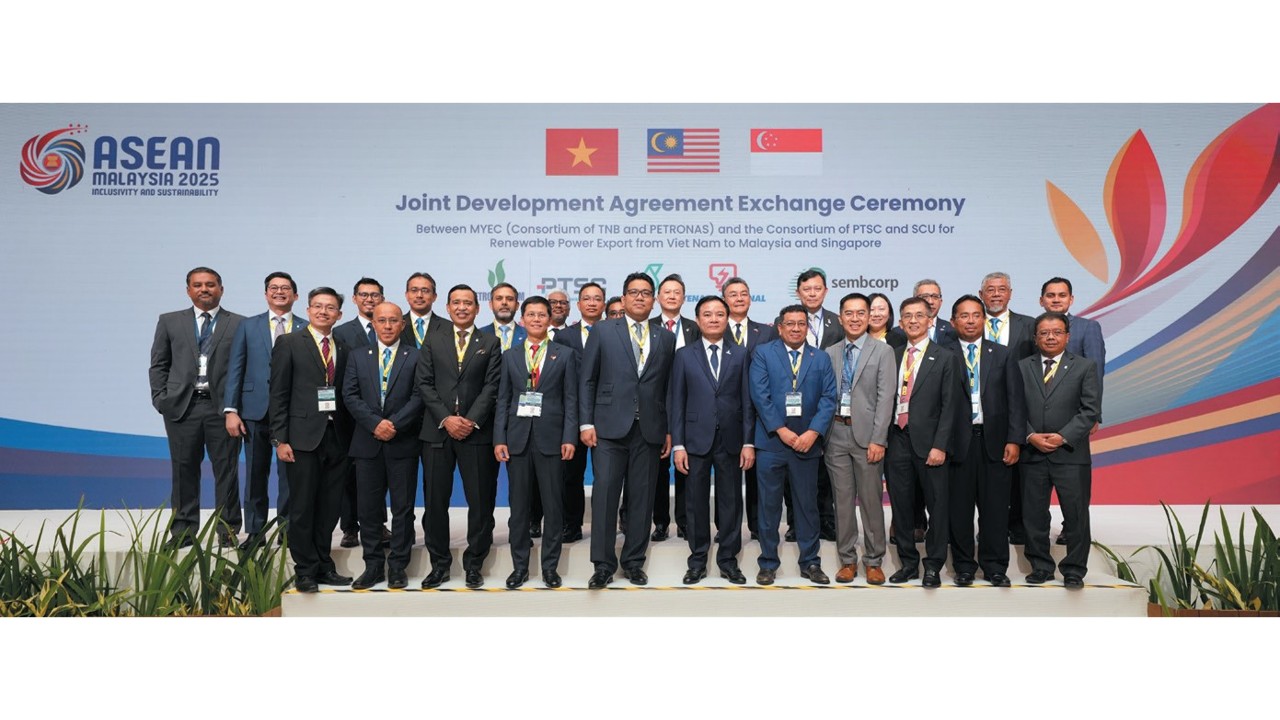
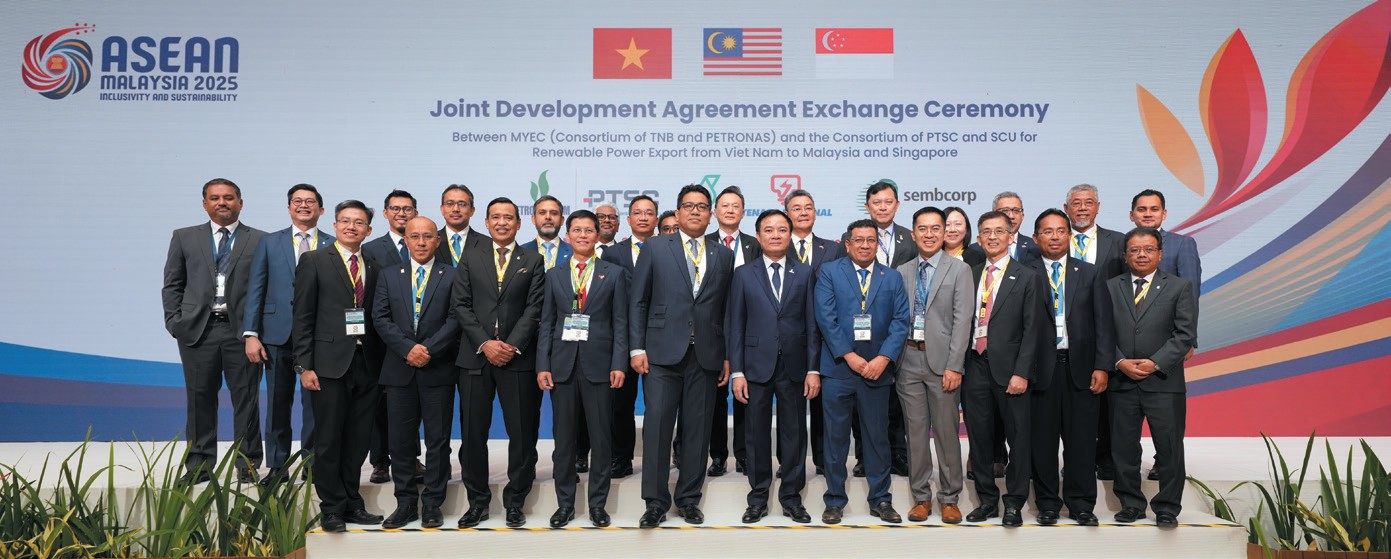
The Joint Development Agreement aims to explore the export of renewable electricity from Vietnam to Malaysia and Singapore.
Asia-Pacific faces an unusual energy challenge: it must expand its energy system while transforming it.
Artificial intelligence, data centers, advanced manufacturing and electrification are adding to electricity demand across the region. At the same time, governments and businesses are seeking lower-carbon energy without compromising the reliability and affordability that underpin economic growth.
The question is therefore shifting from how much clean energy can be built to how effectively it can be delivered.
That puts energy certainty—the ability to provide reliable, scalable and increasingly lower-carbon energy—at the center of the region’s next phase of growth.
From Capacity to Certainty
Renewable energy capacity remains fundamental. But capacity alone does not create an effective energy system.
Variable generation must be supported by storage, stronger grids, flexible demand and technologies that help balance supply and consumption. Emerging energy vectors such as hydrogen will require infrastructure, credible demand and commercially viable supply chains. Electric mobility depends not only on vehicles, but on accessible charging networks and increasingly integrated digital services.
Increasingly, these elements must work as a system.
This is the environment in which Gentari, PETRONAS’ clean energy arm, has been building its regional platform across renewable energy, hydrogen and green mobility.
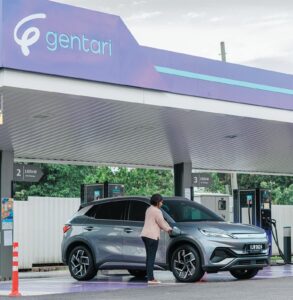
Gentari provides charging points across Malaysia, Thailand, Singapore and India.
Four years after its establishment, Gentari has 9.1 gigawatt of renewable energy and storage capacity installed and under construction. Its footprint ranges from utility-scale solar and battery energy storage in Malaysia and Australia to wind projects in India and offshore wind off the Changhua coast. Its hydrogen business is developing supply and offtake opportunities across Asia and Europe, while Gentari Go connects drivers to more than 18,000 charging points through roaming partnerships across Malaysia, Thailand, Singapore and India.
The significance is not simply the number of assets. It is the ability to connect different technologies, markets and partners around customer and system needs.
Collaboration as Infrastructure
That becomes even more important as energy systems become increasingly interconnected.
Initiatives such as the ASEAN Power Grid reflect a broader recognition that energy security and resilience cannot always be addressed within national borders. Cross-border electricity trade can allow markets to draw on complementary resources, diversify supply and potentially strengthen regional energy resilience.
Project VMS, a proposed renewable electricity connection between Vietnam, Malaysia and Singapore involving PETRONAS and Tenaga Nasional Berhad through the MY Energy Consortium, PetroVietnam and Sembcorp, illustrates how business-led collaboration can help translate regional ambition into tangible opportunities for cross-border energy cooperation.
Similar collaboration will be required across renewable energy, hydrogen, storage, mobility, grids, finance and technology. Governments can create enabling frameworks, but businesses must ultimately convert those frameworks into investable projects, infrastructure and services.
For Asia-Pacific, the next phase of the energy transition will therefore be measured by more than gigawatts installed.
It will be measured by whether clean energy can be delivered where it is needed, when it is needed and at a scale that supports economic growth.
That is the shift from clean energy ambition to energy certainty, and increasingly, from ambition to action.
Suburban malls like Frasers Property’s Waterway Point in Punggol, Singapore, serve as essential social infrastructure for the community.
Cities everywhere are wrestling with challenges that unfold over decades: Infrastructure wears out. Climate change arrives with a bill attached. In Singapore, one in four citizens will be aged 65 or older by 2030, illustrating the scale of the demographic shift reshaping mature cities.
For leaders across every sector, these macro trends are not isolated. The built environment is the very ground where shifting demographics, rising property costs and decarbonization commitments meet. How real estate is built, owned and operated then becomes a strategic question.
The industry’s dominant model is to buy, execute, sell and move on. It is built for speed, and it delivers returns quickly. A different kind of return comes from being involved across the whole asset lifecycle, where operating experience shapes what gets designed next and value compounds over the decades a place is lived in.
Working that way means designing a place from the outset together with governments, businesses and communities. Those conversations shape what gets built, not just what gets approved. Done well, real estate becomes a vehicle for positive-sum outcomes: commercially viable projects, governments meeting policy goals, and communities gaining livable, inclusive spaces.
Singapore-headquartered Frasers Property, with S$40 billion (US$31 billion) in assets across Southeast Asia, Australia, Europe and China, takes an integrated approach to real estate. As an investor, developer and long-term operator, the group looks beyond transactional build-and-sell cycles, combining quality development builds with deep operational expertise. This end-to-end model allows investments in accessibility, community infrastructure and energy efficiency to deliver near-term commercial returns while also creating resilient, long-term value across an asset’s lifecycle.
“As investor, developer and operator, we see the full asset lifecycle. Capital spent on decarbonization or on how a place works for the people using it earns its return twice, in performance now and in what the asset is worth in the future,” says Wanshi Zheng, Group Chief Strategy and Sustainability Officer, Frasers Property.
Malls as Social Infrastructure
This integrated approach is perhaps most evident in how Frasers Property is reimagining how suburban malls serve an aging population in Singapore. In a study partnering the Singapore Management University Centre for Research on Successful Ageing (SMU ROSA), it was found that 61.2% of older shoppers surveyed visit their neighborhood mall weekly, and two-thirds visit with companions, highlighting how physical assets double as social infrastructure. For urban planners, policymakers and real estate developers, designing for these spaces offers a blueprint for fostering inclusive, engaged communities.
“As Singapore moves toward becoming a super-aged society, the question is how our everyday environments adapt to these demographic changes…familiar neighborhood spaces, including suburban malls, have a meaningful and growing role to play but realizing that potential requires intentional design and programming,” says Professor Paulin Straughan, Director, SMU ROSA.
For Frasers Property, this reinforces the importance of creating inclusive, welcoming retail environments that cater to different generations and abilities. Through its Inclusion Champions program, Frasers Property equips frontline staff and retail tenants with skills to better meet diverse community needs. Its malls have in place dementia go-to points and low-sensory Calm Hours, alongside initiatives such as FRx50+ and Silver Social Spaces that encourage seniors to connect and participate in everyday community life. These initiatives help build shopper loyalty, increase footfall and strengthen tenant retention, creating long-term commercial and operational resilience.
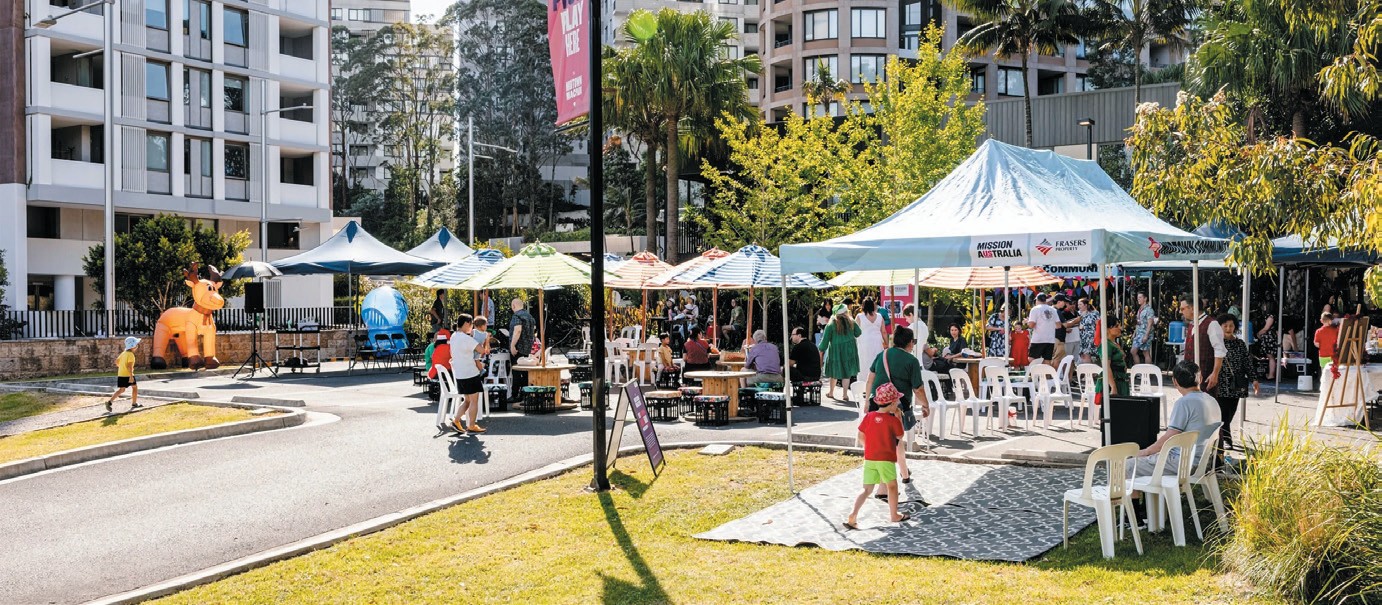
Located in Sydney, Australia, the Midtown MacPark masterplanned community integrates social, affordable and market-rate housing within a single cohesive neighborhood.
Designing Neighborhoods, Not Buildings
The same principle scales up to the level of a masterplan. In Sydney, the A$2.2 billion (US$1.6 billion), 8.2-hectare Midtown MacPark project shows what becomes possible when a developer collaborates with different levels of government from the early planning stages.
Instead of treating public amenities as secondary additions, the masterplan integrates social, affordable and market-rate housing within a single cohesive neighborhood alongside shared schools, parks, and community hubs. Of its 3,300 planned apartments, more than 1,000 are earmarked as community and affordable housing, embedding civic infrastructure directly into the residential fabric.
This approach supports critical public policy goals across income groups while keeping the development commercially viable. By moving away from a transactional model, early alignment creates value for all stakeholders instead of redistributing it among them. Ultimately, this produces long-term, positive-sum outcomes for governments, residents and investors alike.
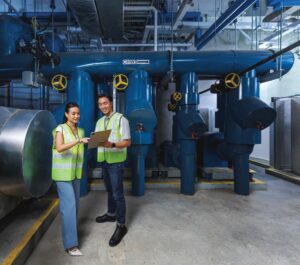
Retail assets in Tampines, Singapore, serve as central connection nodes for a Distributed District Cooling network.
Decarbonizing a District, One Connection at a Time
A third example shows this collaborative logic applied to infrastructure. In support of Singapore’s climate targets, utilities provider SP Group launched the country’s first brownfield Distributed District Cooling (DDC) network. In the established town center of Tampines, Frasers Property’s retail assets Tampines 1 and Century Square serve as two of the three chilled-water supply nodes for the network. Rather than requiring each building to operate its own isolated cooling infrastructure, the DDC network connects seven participating buildings to a shared chiller via underground pipelines.
By aggregating cooling demand across several properties, the network optimizes energy usage, lowers carbon emissions and significantly reduces operational costs. This initiative demonstrates that the most impactful decarbonization possibilities happen not building by building but when neighboring properties operate as a shared network.
Since launching in March 2025, the network has cut annual carbon emissions by roughly 1,000 tonnes and annual energy use by over 2.3 million kWh. For building owners, connecting to the network reduces unutilized cooling capacity by 42%, freeing valuable floor area that would otherwise be occupied by chiller plants and enabling the space to be repurposed and monetized.
For utility partners, this approach offers long-term recurring income stream from cooling services and a proof of concept for retrofitting mature town centers.
Frasers Property has since applied the same thinking at a larger scale at One Bangkok, home to Thailand’s largest district cooling network, serving an area of 1.83 million square meters. What works across an established town center also works as a design principle for a new district.
A Different Kind of Return
Across malls, neighborhoods and district cooling networks, the lesson is clear: value is realized when real estate players engage governments and communities as long-term partners, working in alignment from concept to operation. This collaborative approach uncovers untapped opportunities, creating lasting commercial and social value long after a project is built.
“The myriad challenges of decarbonization and urban renewal cannot be solved in silos. The collaborative approach treats public and private interests as complementary, and designs around what each side needs. By sharing risks and combining our collective expertise, we can expand the pie for everyone at the table. That is how our investments deliver both resilient financial returns and meaningful public good,” says Zheng.
For leaders outside real estate, the same logic applies. People are living and working longer, and most environments have not caught up with what that requires. Longer lives and the climate transition are opening new demands in how buildings are used, designed and operated. The returns go to whoever moves early. Treat the built environment as a strategic asset, and the result is cities that are profitable, resilient and inclusive over the long run.
While recent years have been defined by headlines about tariffs, geopolitical tensions and supply chain disruption, companies across Asia continue to invest heavily in industries expected to drive the region’s next phase of growth.
As production networks become more international and technologically advanced, the ability to move high-value equipment, components and materials quickly and reliably is becoming a critical competitive advantage.
Three sectors stand out in particular: semiconductors, aerospace and automotive. Asia sits at the center of all three. Taiwan and South Korea are critical hubs in the global semiconductor ecosystem. China remains the world’s largest electric vehicle (EV) market, while Vietnam and Indonesia are attracting investment in automotive manufacturing and battery production. Aerospace activity is also expanding as airlines add capacity and aviation demand recovers.
Investment across semiconductors, aerospace and electric vehicles continues to reshape the industrial landscape. From AI-driven demand for advanced chips to growing aircraft order backlogs and rising EV adoption, companies are expanding production capacity and supply networks across Asia.
While these industries serve different markets, they share a common opportunity: increasingly interconnected supply chains that enable companies to scale production, access global markets and accelerate innovation.
“Asia is becoming the growth center for advanced industries. As companies expand across markets, supply chains are becoming a key driver of growth, innovation and competitiveness,” says Salil Chari, Regional President, FedEx Asia Pacific.
Salil Chari, Regional President, FedEx Asia Pacific
The New Centers of Industrial Growth
Few industries illustrate this trend more clearly than semiconductors. Manufacturing, testing and packaging are spread across Taiwan, South Korea, Malaysia and China. The machines used to manufacture advanced chips are among the world’s most sophisticated industrial assets, with some systems costing hundreds of millions of dollars. Yet they can be highly sensitive to even minor shock, vibration or environmental fluctuations during transit.
At the same time, semiconductor production operates on tightly coordinated schedules, with equipment, components and materials often required to arrive within narrow delivery windows to keep fabrication lines running efficiently. Precision logistics therefore plays a critical role in protecting product integrity and maintaining production continuity.
“Semiconductor supply chains move some of the world’s most valuable and sensitive components, requiring highly specialized handling, stringent security protocols and precise coordination across multiple stages of production. As manufacturers balance speed-to-market with resilience, they are increasingly looking for logistics providers that can manage complexity while safeguarding product integrity,” says Chari.
When Every Hour Counts
In aviation, an aircraft waiting for a replacement component can disrupt schedules, affect customer experience, and increase operating costs. The automotive industry faces similar pressures, with increasingly international production networks requiring components to move seamlessly across multiple countries before final assembly.
“As production networks become more distributed, automotive manufacturers need greater predictability, visibility and operational reliability. They also require the capability to move oversized and heavy freight, from factory equipment to critical components, without disrupting production schedules,” says Chari.
Logistics is central to managing risk, ensuring business continuity and responding to changing demand.
Logistics as a Competitive Advantage
Across Asia’s advanced manufacturing sectors, supply chains are becoming a critical determinant of business performance. Companies need to move critical equipment, components and materials with speed and reliability.
In semiconductors, logistics helps ensure sensitive equipment and production-critical components arrive safely and on schedule. In aerospace, minimizing downtime often depends on the rapid delivery of replacement parts. In automotive manufacturing, increasingly regionalized production networks require seamless cross-border coordination to keep assembly lines running efficiently.
As a result, logistics is evolving beyond transportation and fulfillment. It is increasingly central to how companies manage risk, maintain continuity and respond to changing demand.
“The most successful companies today recognize that supply chains have become a source of competitive differentiation. The ability to anticipate disruptions, maintain visibility across complex networks and execute with speed and precision can help businesses strengthen resilience, unlock growth opportunities and respond more effectively to changing market demands,” says Chari.
Listed on the New York Stock Exchange and operating in nearly 50 markets, the company blends clinically backed innovation with a people-powered business model—one that has enabled thousands to share Nu Skin’s products with their customers to build scalable, values-driven enterprises across borders through social commerce.
At the apex of this ecosystem is the Nu Skin Circle of Excellence (COE), the company’s highest lifetime-earnings distinction. This year, Nu Skin recognizes its top 200 earners across Southeast Asia and the Pacific—leaders whose success reflects not just income, but impact on the world by helping more people live better and healthier.
Among them are Angela Liew and Rayne Ho, who joined Nu Skin in 2000 after building successful businesses. Rayne was in financial planning, while Angela was in traditional business. What drew them was not only opportunity, but Nu Skin’s “Force for Good” culture—a commitment to empowering people, uplifting communities and creating positive social impact alongside commercial success. Over the years, they have achieved Circle of Excellence IV*, helped elevate the industry’s credibility and empowered thousands to pursue entrepreneurship with purpose and integrity.
For John Iamranond and Noon Sattabanasuk, the journey began in 1997 with a decision to step away from their predictable corporate careers. What they found instead was a truly global business platform—one that connects entrepreneurs across nearly 50 markets through a digitally enabled social commerce model. Leveraging this global reach, they built a scalable, borderless enterprise that delivers both financial upside and time flexibility. The result: Circle of Excellence IV* and one of the fastest-growing international entrepreneurial networks in recent years.
Together, these top achievers illustrate Nu Skin’s long-term ambition: to lead the world in intelligent beauty, wellness and lifestyle entrepreneurship—and to show that modern wealth creation can be global, purpose-driven and powered by people.
*Circle of Excellence (COE) titles signify major leadership achievements for Nu Skin Brand Affiliates, ranging from COE I through COE IV. COE recognizes A ffiliates who have earned over US$1 million in lifetime sales compensation, a distinction achieved by fewer than 0.01% of A ffiliates worldwide. COE IV is reserved for those who have earned over US$20 million in lifetime sales compensation. Sales compensation is not guaranteed and reflects exceptional commitment, skill, and long-term effort.
Indonesia’s economy grew 5.04% year-on-year in the third quarter of 2025, supported mainly by the manufacturing and agriculture sectors, along with a rebound in exports. The government has introduced several stimulus packages to support households and create jobs, including food assistance, internship programs, housing initiatives, tax breaks for small businesses and infrastructure projects intended to bolster economic activity through 2026.
To further drive national economic growth, the Indonesia Investment Authority is prioritizing investment in high-growth sectors including digital infrastructure, healthcare and renewable energy. At the same time, Indonesia’s new sovereign wealth fund, Danantara, plans to deploy US$10 billion within three months starting October 2025. Over the next two years, it will focus on investments in energy and food security, renewable energy, financial services, healthcare, real estate and digital infrastructure.
Advancing Digital Economy and Infrastructure
Indonesia’s expanding digital economy and rapid adoption of AI are attracting significant investment from global tech giants. Amazon Web Services (AWS), for example, has committed billions to developing and scaling the country’s digital infrastructure. In August, AWS hosted its AWS Summit Jakarta, bringing together industry leaders and business executives to network and exchange insights. During the event, AWS reaffirmed its commitment to delivering the technology, expertise and partnerships needed to support businesses and advance Indonesia’s digital economy.
Meanwhile, PT Telkom Indonesia (Persero) Tbk (Telkom) is executing two landmark moves by developing a hyperscale data center in Batam and spinning off part of its wholesale fiber connectivity business. These initiatives reflect Telkom’s strategic intent to enable Indonesia’s AI and digital economy ambitions, optimize assets and governance for long-term competitiveness and position itself as a regional digital infrastructure champion.
Moving Toward Golden Indonesia 2045
As part of a strategic pivot, the government is expanding and reimagining its global partnerships, highlighted by its landmark Comprehensive Economic Parnership Agreement with the EU and its renewed focus on the Middle East. It is also continuing to deepen regional cooperation through ASEAN.
These efforts align with the Golden Indonesia 2045 vision—a national strategy to transform the country into a prosperous and developed nation with meaningful global influence. The strategy is built on four pillars: sustainable growth, social equity, environmental stewardship and geopolitical influence.
Driving this vision, businesses—particularly in high-value sectors—will be the main engines of growth, supporting bold targets of 7% to 8% annual GDP expansion. To enable this, the government is implementing business-friendly policies that attract foreign investment and promote local enterprises and entrepreneurship.
Sustainability remains central to Indonesia’s economic agenda. The country has committed to achieving net zero emissions by 2060 and is heavily investing in an integrated electric vehicle ecosystem, leveraging its position as the world’s largest nickel producer. It also aims to increase the share of renewable energy in its electricity mix to 41% by 2040, up from 15% in 2024. The Asian Development Bank recently approved a US$470 million results-based loan to help the country accelerate the rollout of utility-scale solar and wind projects and upgrade grid infrastructure across major systems.
With these efforts in place, Indonesia is well positioned to achieve its goal of building a sustainable and globally competitive future.
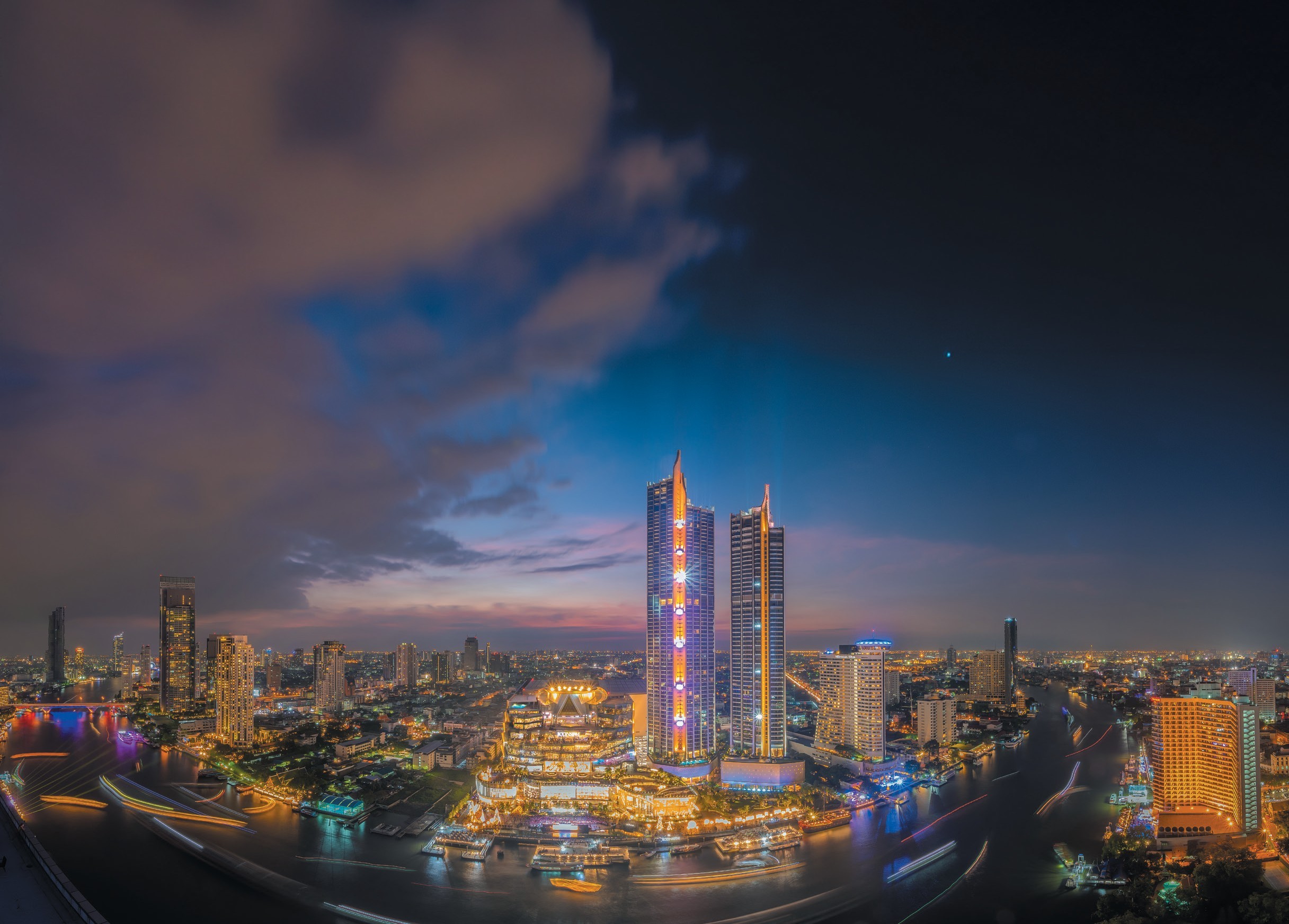
ICONSIAM has become a distinctive landmark along the Chao Phraya River.
Thailand’s Siam Piwat Group has reached another milestone of global excellence as ICONSIAM made history once again, ranked among the Top 3 “Most Influential Retail Property Projects of the Past 30 Years” at the MAPIC Awards 2025 in Cannes, France, an event widely regarded as the “Oscars” of the retail industry. This prestigious recognition distinguishes ICONSIAM as the onlty project from Asia to earn this global honor, reaffirming its stature as a world-class experiential destination and a visionary model of urban innovation.
This milestone underscores Siam Piwat’s leadership as a game changer in global retail and real estate development, setting new benchmarks through innovation, creativity and sustainable impact, and fulfilling its founding vision to create a project that uplifts Thailand’s global stature and generates shared prosperity for all sectors including riverside communities along the Chao Phraya River.
Chadatip Chutrakul, CEO of Siam Piwat Group
Chadatip Chutrakul, CEO of Siam Piwat Group, stated, “From the very beginning, our vision has been to create ICONSIAM as a game changer in global retail development, a national landmark that would become a symbol of Thailand’s pride on the world stage. ICONSIAM was born from the collaboration and shared conviction of people across Thailand, and from many countries who love our nation. Together, we set out to create a new paradigm of excellence, a destination that perfectly blends the DNA of Thainess with architecture, creativity, innovation and arts, an embodiment of the world-class essence of retail and entertainment, all designed to make visitors from around the world fall in love with Thailand.
“From its conception, ICONSIAM carried a noble purpose to create shared value for everyone. It stands today as a prototype for sustainable growth, a new paradigm of collaboration within the retail industry, and a pioneer in integrated urban development, seamlessly connecting river, rail, and road to drive continuous progress and ensure that every community along the Chao Phraya River can grow and prosper with us.”
ICONSIAM also embraces diversity and equality. It serves as a platform that empowers thousands of Thai talent from every background—including artists, craftsmen and creators—helping them become successful entrepreneurs who proudly share Thai wisdom with the world.
ICONSIAM is a joint venture between Siam Piwat Group, Magnolia Quality Development Corporation (MQDC) and Charoen Pokphand Group, with a total investment of over 60 billion baht (US$1.85 billion). Spanning 750,000 square meters, it integrates a world-class retail complex, ultra-luxury residences, and the “7 Wonders of ICONSIAM,” bringing together the best of Thailand and the best of the world as a prototype for holistic urban development.
ICONSIAM brings together premium brands and exclusive offerings under one roof for a truly unparalleled shopping experience.
Since its grand opening in 2018, ICONSIAM has become a powerful symbol of Thailand’s pride, transforming Thonburi into a vibrant new commercial hub on par with central Bangkok. ICONSIAM has also transformed lives and communities. It has fueled Thailand’s economic growth and successfully placed Bangkok among the world’s most aspirational destinations. The project has created over 400,000 jobs, attracted 115 million visitors worldwide, and generated immense benefits for over 35,000 Thai entrepreneurs and 800 to 1,000 designers, empowering them to expand Thai brands internationally. Land values along Charoen Nakhon Road have surged threefold, while riverside businesses have grown by over 60%, demonstrating ICONSIAM’s catalytic role in tourism, infrastructure and economic revitalization.
Francesco Pupillo, Director of MAPIC, said, “Undoubtedly, ICONSIAM has emerged as one of the most extraordinary retail destinations in the world. It has set new benchmarks for modern mixed-use development, redefining the retail experience by blending design, innovation and culture and showcasing the spirit of Thailand and Bangkok on the world stage.”
SOOKSIAM offers an incredible array of dining options featuring cuisines from Thailand’s provinces.
Held annually in Cannes, MAPIC is a prestigious retail real estate forum, gathering over 4,000 participants from 75 countries, including developers, investors and global retail leaders. The MAPIC Awards recognize excellence in innovation, creativity and urban impact. ICONSIAM’s latest honor follows its 2019 win for “Best Shopping Centre in the World.”
At the same event, Chadatip received the “Pioneers of Places” Lifetime Achievement Award, one of only five global leaders, and the sole honoree from Asia, recognized for her visionary leadership in transforming the global retail landscape over three decades.
This remarkable achievement is not solely Siam Piwat’s success, it is a shared triumph for Thailand and for all Thais who have supported and believed in the company throughout its challenging journey.
“At Siam Piwat, we remain committed to ensuring that ICONSIAM continues to shine as a beacon of Thai excellence, showing the world how every nation can draw upon its authentic identity to create greater value far beyond imagination. Above all, we dedicate this global recognition, with our deepest gratitude, to Her Majesty Queen Sirikit, the Queen Mother of our nation, whose vision and lifelong devotion have inspired us to show the world that the grace and magnificence of Thainess are truly second to none,” Chadatip said.
In the heart of Bangkok’s Thonglor district at Sukhumvit 38, a new landmark is taking shape. Applying the principles and ideals of Ferdinand Alexander Porsche to the art of living, the Porsche Design Tower Bangkok is rewriting the rulebook on ultra-luxury residences.
Beyond architectural ingenuity and unwavering attention to detail, Porsche Design Tower Bangkok embodies a philosophy that views home not merely as living spaces but as enablers of purposeful, beautiful living.
Only the third globally after Miami and Stuttgart, the Porsche Design Tower Bangkok is the first in Asia—a landmark collaboration between Porsche Design, a brand synonymous with engineering excellence, and Ananda Development, a visionary institution.
Chanond Ruangkritya, Founder and CEO of Porsche Design Tower Bangkok and Ananda Development
“True luxury isn’t about having everything—it’s about having what matters, executed flawlessly,” says Chanond Ruangkritya, Founder and CEO of Porsche Design Tower Bangkok and Ananda Development. “We want to create architecture that is timeless, that is always beautiful, and that will always appreciate in value—both monetarily and emotionally.”
Sanctuary in the Sky: 22 Villas of Space and Stillness
With only 22 “Sky Villas”—all duplex pool villas or quadplex penthouses ranging from 525 to 1,135 square meters (5,651 to 12,217 square feet)—Porsche Design Tower Bangkok represents extraordinary scarcity in a market accustomed to developments offering hundreds of units across multiple configurations.
The decision to maintain 22 villa-sized residences, each with its own private pool, meant accepting dramatically reduced inventory. It also ensured unity of vision and community.
“Right from the start, we were clear that every villa would have its own private pool,” Chanond says. “No slicing and dicing. That’s when you risk creating a mix of owners whose values and standards may not align.”
Superyacht-class living was the ethos from day one. This ensured unwavering standards that would permeate every specification, every finish, every engineering detail. There are no starter units, no entry-level compromises—just 22 residences built to a singular, uncompromising vision. The interiors are truly villa-like in scale and offer the spaciousness and privacy reserved for a detached home.
Each villa features soaring double-height ceilings, triple-glazed windows, a heated swimming pool and three distinct kitchen configurations—a professional Thai kitchen with high-output gas wok burner, Western and semi-outdoor barbecue—all outfitted with professional-grade appliances from Italy’s finest makers, thoughtfully adapted for Asian culinary needs.
Even outdoor terraces have been engineered for Bangkok’s climate, with floor-vented air conditioning that creates a cooling “bowl” effect and concealed exhausts that clear smoke and odors, ensuring genuine year-round comfort, not just during cooler months.
“We obsessed over every single angle, every single detail—in engineering, in luxury, in lifestyle. We wanted to create a living space that was truly intelligent,” says Chanond.
Porsche Design Tower Bangkok sets a new benchmark for premium urban residences in the city, offering expansive living areas that are meticulously designed to deliver the ultimate in comfort and luxury.
Skyline Serenity, Garage Intimacy
Perhaps the most revolutionary expression of this design philosophy is the integration of “Passion Spaces.” These bespoke garages are private, lifestyle spaces that serve as automotive galleries within the residence, reached by driving directly up a spiral ramp called “The Loop.”
For the collector who views automobiles as art—to be admired often and up close—this feature effortlessly integrates these mobile objets d’art into the living environment.
“Passion Spaces” range from 107 to 312 square meters (1,152 to 3,358 square feet) and have been designed to be versatile—transforming from garage into an artist’s workshop, private wellness space or entertainment lounge—allowing a quiet yet profound, multi-faceted celebration of individual passion.
“We like to joke that we’re selling a US$15 million man cave—the pool villa just comes with it,” Chanond says. Beneath the humor, however, lies a serious point about passions and priorities. For enthusiasts who see their collections as extensions of personal identity, the ability to live alongside cherished automobiles—or transform these spaces into private galleries or wellness sanctuaries—isn’t indulgence. It’s architectural validation of what matters most.
This philosophy of living—intimate, elevated and unapologetically personal—extends beyond architecture into service. Residents benefit from a 24-hour butler service and exclusive à la carte offerings, including private chef and personal training services. Each service is calibrated to ensure practical needs are met with discretion and quality, allowing residents the ultimate luxury: time and peace of mind.
“If you want to be spoiled, this is where you want to be,” says Chanond, who sees Bangkok emerging as a “playground city” where affluent individuals from across Asia and the world spend time and park capital; in much the same way Miami serves the Americas and Dubai the Middle East.
The iconic development embodies timeless sophistication, where passion and design converge.
A New Benchmark for Curated Living
The project’s exceptional exclusivity is a deliberate choice, reflecting a desire to serve a very specific global clientele. “We set out to raise the bar, not just for Bangkok, but for what ultra-luxury living can mean globally,” adds Chanond. “This is a sculpture you can live in—a space that elevates lives while serving as a steadfast backdrop to success.”
In a world often defined by noise, the Porsche Design Tower Bangkok is a masterclass in quiet, intelligent luxury. More than the city’s finest address, it sets new benchmarks for elegant, curated living in one of Asia’s most dynamic cities—a subtle but enduring signature for the modern connoisseur.
For a private show suite viewing or sales inquiries regarding Porsche Design Tower Bangkok, please email sales@pdtowerbangkok.com or visit pdtowerbangkok.com.
Alpha JWC’s investment in HistoSonics will help the healthtech scale its technology globally.
As Southeast Asia’s startup ecosystem matures, one venture capital firm stands out for its longevity and influence. Since its founding in 2015, Alpha JWC Ventures has grown from Indonesia’s first independent early-stage venture capital fund into one of the region’s most active and trusted investors. The firm’s decade-long journey reflects how Southeast Asia’s innovation economy has evolved—from early experimentation to a more disciplined pursuit of sustainable growth.
Alpha JWC launched its debut fund in 2016, when Indonesia’s startup scene was still in its early stages. Over the past decade, the firm has built a reputation for backing founders with both capital and strategic support, helping them navigate challenges and scale across the region.
Now marking its 10th anniversary, Alpha JWC today manages US$700 million in assets and has more than 90 active portfolio companies. It also has one of the largest on-the-ground teams in Southeast Asia, supported by a global network of investors, entrepreneurs and corporates.
The firm invests worldwide, but always with a Southeast Asia angle, whether that means helping foreign startups enter the market, supporting local founders expanding abroad or backing global solutions that can be applied in the region.
L-R: Chandra Tjan and Jefrey Joe, Cofounders and General Partners at Alpha JWC Ventures
“Our mission has always been to back visionary founders who create lasting impact in Indonesia and Southeast Asia. As we build on 10 years of experience, we remain deeply committed to driving growth through governance, talent and innovation—and to continuing to deliver superior returns to our investors,” says Chandra Tjan, Cofounder and General Partner of Alpha JWC Ventures.
Riding the Healthcare Boom
Healthcare remains one of the most active sectors for Alpha JWC in 2025. The firm invested in four companies across diagnostics and robotics: Harrison.ai, HistoSonics, Satu Dental and Cornerstone Robotics. Each represents a different facet of innovation, but together they highlight the firm’s focus on sectors with long-term growth potential.
The demand for affordable, quality healthcare is rising across Southeast Asia. The region is entering a new health-innovation cycle, shaped by public-sector reforms, digital adoption and pressure to deliver affordable care to the population. Rapid urbanization and underdeveloped infrastructure are also driving opportunities for solutions that can scale.
Alpha JWC’s recent investments are aimed at meeting these needs, while also opening the door for cross-border collaboration and knowledge sharing.
“Healthcare in Southeast Asia is at an inflection point. We see huge potential in companies that can deliver solutions at scale, whether that is through AI, robotics or new healthcare delivery models,” says Tjan.
Kopi Kenangan is now one of Asia’s fastest-growing coffee chains.
Backing the Next Generation of Unicorns
Beyond healthcare, Alpha JWC’s track record includes several of the region’s most recognizable unicorns. Carro, Kopi Kenangan, Ajaib and Kredivo Group form part of what the firm calls Southeast Asia’s “Gen Two” unicorns that are now redefining the region’s technology landscape through stronger fundamentals and purposeful innovation. Each reflects the firm’s consistent focus on building durable, scalable businesses across diverse sectors.
These companies embody the traits Alpha JWC looks for in founders: clarity of mission, strong execution and the ability to adapt through uncertainty. Kopi Kenangan, one of Asia’s fastest-growing coffee chains, has expanded beyond Indonesia to Malaysia, Singapore, Australia, India and the Philippines, with over 1,000 stores. Meanwhile, Ajaib, the digital investment platform, has surpassed 5 million users and remains profitable.
Kredivo Group, through its digital credit platform Kredivo and neobank Krom Bank, continues to expand access to affordable financing using AI-driven credit assessments, while Carro has reshaped the automotive market by combining technology with partnerships that improve transparency and customer experience, and is looking to an IPO listing in the near future.
Together, these companies demonstrate Alpha JWC’s conviction that Southeast Asia can produce globally competitive startups capable of enduring beyond early success.
Alpha JWC’s investment in DayOne reflects its long-held belief that sustainable innovation thrives on strong foundations.
As Alpha JWC’s unicorns continue to expand and new startups emerge across the region, the firm is also investing in the infrastructure needed to sustain that growth. The firm’s investment in DayOne, a next-generation data center company, reflects its long-held belief that sustainable innovation thrives on strong foundations and that resilient infrastructure is key to helping startups scale efficiently and securely.
Building Stronger Governance
Scaling solutions in sectors like healthcare requires more than funding. As Southeast Asia’s startups mature, governance has also become an increasingly critical factor. Alpha JWC has responded with the SpeakUp whistleblowing program, introduced across its portfolio in 2025. The initiative provides a confidential channel for employees and founders to raise concerns, helping to ensure accountability and trust.
For the firm, governance is about more than risk management. It is part of building companies that can stand up to global scrutiny and attract international investors. With rapid growth often comes pressure, and it sees initiatives like SpeakUp as helping founders put in place systems that last beyond the early stages of growth.
Alpha JWC’s SpeakUp whistleblowing program was launched to ensure accountability and trust.
“Integrity within a startup and its leadership is paramount for it to grow, inspire and succeed. SpeakUp is part of our broader commitment to building startups that are not only successful, but also principled,” says Jefrey Joe, Cofounder and General Partner of Alpha JWC Ventures.
“To reinforce our commitment and encourage our startups to come on board, we will also bear the costs of implementing the platform, removing barriers to adopting the initiative.”
Nurturing AI Talent
Governance, however, is only one part of how Alpha JWC helps its portfolio companies build for the long term. Equally important is preparing them for the technologies that will shape the future of business.
Alpha JWC is deepening its commitment to innovation by developing stronger AI capabilities across its ecosystem. Through the Artificial Intelligence Institute for Progress (AIIP), the firm supports emerging AI founders and conducts in-depth research into frontier technologies. The aim is to turn complex technical advancements into practical tools that help businesses think differently, operate more efficiently and grow more sustainably.
This focus on applied innovation also extends to Alpha JWC’s portfolio companies. The firm experiments with new AI models in-house and shares its findings through programs such as the AISEO Workshops, which brought together more than 70 participants from 10 portfolio companies, as of writing, to explore how AI can connect data with creativity. For Alpha JWC, AI represents more than the next technology trend, but rather a long-term capability that amplifies innovation and strengthens competitiveness across its network.
Building the Next Chapter
With 10 years of experience, Alpha JWC is now focused on its next phase of growth. The firm’s ambition is to build a lasting legacy by connecting Southeast Asian startups to global markets and investors. To fuel its next decade of growth, Alpha JWC is raising its fifth vintage fund this year.
The launch of the new fund comes at a turning point for the region’s venture landscape. The market, though challenging in recent years, appears to be nearing its bottom, says the company. While deal activity is expected to remain moderate in the next one to two years, the quality of those deals are expected to be stronger. With capital harder to secure and competition more disciplined, founders launching companies today tend to do so with stronger conviction in the value and necessity of their products.
The investment mindset has also evolved. Rather than chasing market share, investors are prioritizing business fundamentals and the ability of teams to make decisions, adapt and execute. This disciplined approach is producing a healthier pipeline of companies, setting the stage for stronger exits as the market stabilizes.
Says Joe: “Each fundraising cycle allows us to refine our strategy and adapt to the evolving market landscape. This next fund builds on our strong fundamentals while integrating new insights. Indonesia remains a key priority for us, but as we move forward, Asia-Pacific is also our region to grow.”