Beximco LPG: Fueling An Energy Revolution

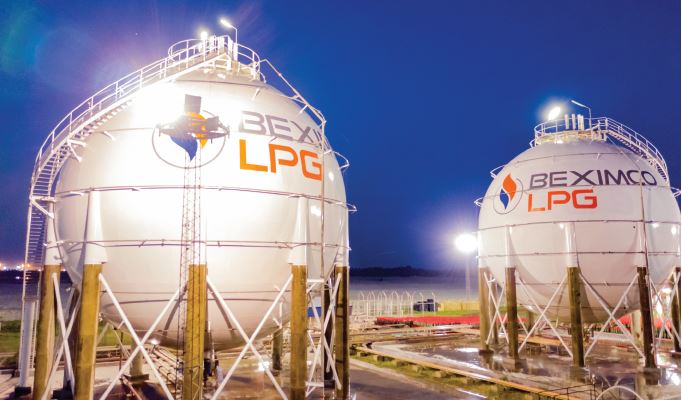
Beximco’s liquefied petroleum gas (LPG) business has been leveraging technology to accelerate the country’s transition into more sustainable energy systems. The company’s innovative LPG solutions provide a safe, reliable and environment-friendly energy source to meet the everyday needs of the country’s population of more than 160 million. More recently, the company became the first LPG operator in Bangladesh to start exporting LPG to India.

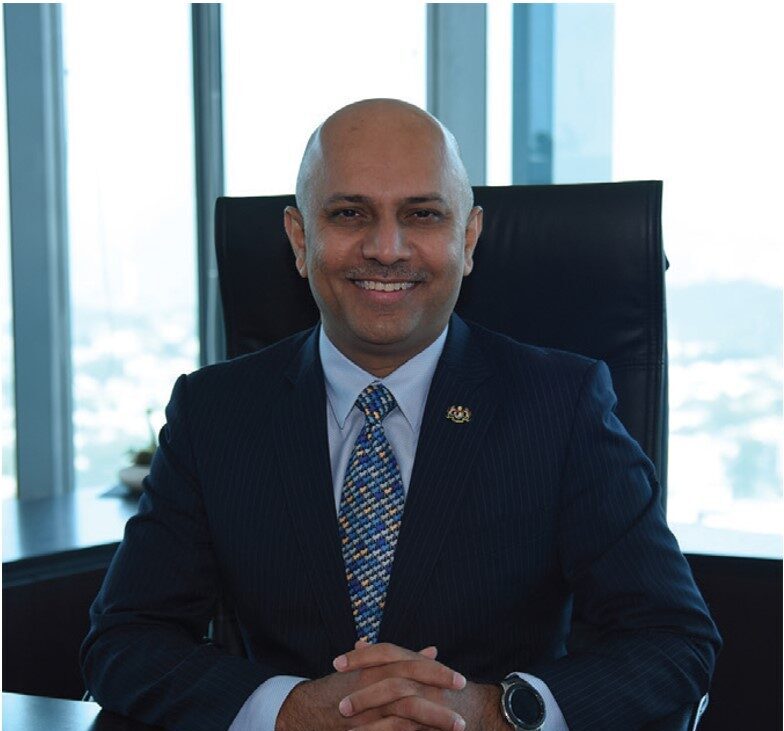
“We are proud that the combination of our downstream value chain and customer insights, together with our unparalleled strength and the expertise of our team, positions us to potentially become the largest downstream oil and gas company in Bangladesh,” says Shayan F. Rahman, Chairman of Beximco LPG. “We’re not just focused on the development of the critical infrastructure related to storage, bottling and distribution. We also have strong emphasis on establishing a differentiated position with our smart LPG solutions to make us the consumers’ preferred provider.”

Safer Fuel For Households

The company was the first to introduce and is the exclusive provider of fiber glass composite LPG cylinders in Bangladesh. These innovative cylinders are explosion proof, light weight, translucent and has a longer lifespan compared to traditional steel cylinders.

Such innovations help developing nations like Bangladesh to switch from using dangerous fuels such as coal and kerosene to LPG for household activities such as cooking. In such markets, individuals often have to physically carry heavy steel LPG cylinders across difficult terrain over long distances, making the task extremely challenging.

Beximco’s next-generation cylinders are very popular among consumers in Bangladesh. The company distributed a record of more than 1 million composite cylinders in the past 12 months. To date, the company has distributed more than 2 million composite cylinders, providing a safe environment to thousands of households and industries including hotels, restaurants and cafes across the country.

The company has also worked to ensure that this safe product is readily available to consumers through a robust distribution network that features home delivery and emphasizes rapid digital evolution through the establishment of an integrated e-commerce platform for convenient and timely purchases.

“Our key competitive advantage has always been to be on the leading edge of the innovation curve, and be able to deliver the greatest possible value and experience to our customers,” says Mrinal Roy, CEO of Beximco LPG. “The Beximco Smart Cylinder™ technology is far more cutting-edge as compared to the traditional steel cylinders.”

As a testament to its success in innovating, Beximco LPG was named “Master of Reinvention” by Bangladesh Brand Forum in 2019 for introducing composite cylinders and making homes safer.

“We are proud that the combination of our downstream value chain and customer insights, together with our unparalleled strength and the expertise of our team, positions us to potentially become the largest downstream oil and gas company in Bangladesh.”

– SHAYAN F. RAHMAN, CHAIRMAN OF BEXIMCO LPG

Cleaner Fuel For Automobiles

Beximco also provides greener energy solutions for automobiles through autogas, a cleaner LPG alternative to petrol. Many developed countries such as Italy, South Korea and Japan have programs for conversion of private cars, taxis and other light duty vehicles to autogas as it is more economical, safer and eco-friendly.

In the long run, LPG is a more cost-effective solution that will allow users to travel a far greater distance compared to conventional compressed natural gas. Vehicles using LPG also produce much lower carbon dioxide emissions compared to traditional fuels. Today, Beximco LPG is licensed to operate over 500 autogas filling stations throughout the country. It also runs facilities that convert petrol cars into autogas-fed vehicles.

Driving Bangladesh’s Development

Home to more than 35 million households, Bangladesh is one of Asia’s fastest growing frontier markets. As the country diversifies its energy sources with development of cleaner fuels such as LPG and liquefied natural gas, Beximco is on a mission to establish a downstream network that ensures the nationwide availability of LPG and encourages more households to use LPG to improve their standard of living and well-being.

In support of its mission, Beximco continues to rapidly expand its LPG storage and bottling plant capacity, while scaling its distribution network and other associated infrastructure. The company also continues to develop effective strategies to accelerate the adoption of the Beximco Smart Cylinder™ by making it more accessible and affordable to all Bangladeshis.

To find out more

www.beximco.com


Beximco: Leading The Way To Sustainable Fashion

With climate change seen as the most pressing global challenge over the next decade, more consumers are rewarding businesses that place sustainability at the top of their corporate agenda.

This scrutiny has been especially heavy in the textiles industry, which is traditionally seen as a major contributor to global warming. The sector emits an estimated 1.2 billion tonnes of CO2 equivalent per year, surpassing emissions from airlines and maritime industries combined.

Against this backdrop, Bangladesh’s Beximco has emerged as a global leader in sustainable fashion manufacturing. Founded 26 years ago, the company counts Amazon, Bershka, Marks & Spencer, Michael Kors, Pull & Bear, Target and Zara among its customers.

Amid rising demand for ethically-produced clothes, the company has put sustainability at the heart of its operations by employing a range of advanced manufacturing and supply chain management solutions—from using recycled materials to adopting an on demand manufacturing model—to meet the changing needs of its customers.

With its investments in sustainable and financially viable projects, Beximco is at the forefront of the eco fashion trend. At the same time, it also supports the production of garments that are affordable, durable, comfortable and aesthetically appealing to the customer.

“Every single brand and retailer that we work with has told us that sustainable manufacturing is an absolute necessity going forward,” says Syed Naved Husain, Group Director and CEO of Beximco. “They’ve made it clear that vendors who cannot supply ethical and sustainable clothing will eventually have a very limited role in this industry.”

The Covid-19 pandemic has accelerated the shift towards sustainable products. A survey conducted by McKinsey in April 2020 showed that some 67% of consumers consider the use of sustainable materials to be an important factor when making purchases.

“We have some really exciting and revolutionary plans that will reduce the time, energy and effort to bring products to market and at the same time ensure the welfare of our communities and value chain partners.”

– A. S. F. RAHMAN, GROUP CHAIRMAN OF BEXIMCO

Integrated Value Chain

Beximco’s achievement in sustainable production is also helping Bangladesh shed its image as a low cost manufacturing hub, and leading the country’s progress to integrate into more important global value chains.

“Beximco recognizes that the traditional approach to textile and garment production is no longer tenable,” says A. S. F. Rahman, Group Chairman of Beximco. “Integrating new technologies, embracing workplace innovations, adopting sustainable efficiencies are but a few of the critical changes that must be made to meet the changing demands of customers and markets.”

Today, the Dhaka-based company is considered one of the most prominent eco-friendly fashion manufacturers in the region. “We are proud to have made significant advances and progress in the area of sustainability,” says Rahman, “We have some really exciting and revolutionary plans that will reduce the time, energy and effort to bring products to market and at the same time ensure the welfare of our communities and value chain partners.”

Recycling With Recover

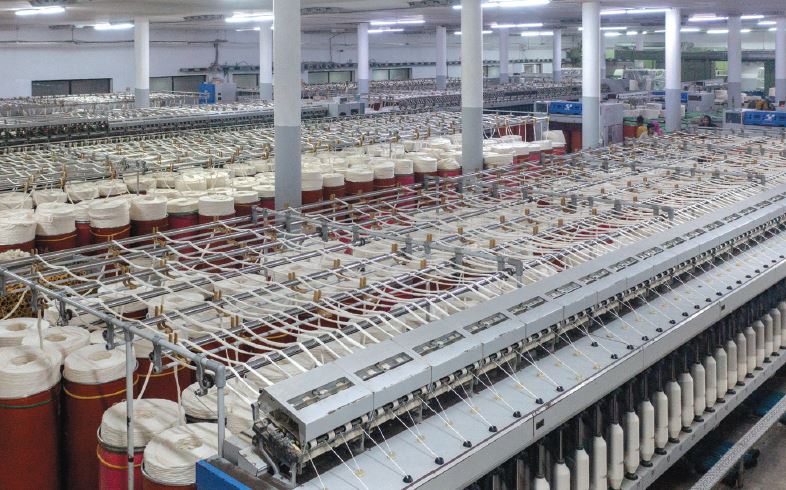
Recycling waste materials to manufacture high quality yarns is at the core of Beximco’s sustainability initiatives. Beximco has partnered with Recover Textile Systems—a Spanish recycling technology company that specialises in turning textile waste into premium fibers—to become the world’s largest collector and recycler of textile waste and a specialized spinner of high quality recycled yarn.

Recover collects and sorts textile waste from around the world to produce new fibers that contain recycled cotton, blended with other recycled materials such as polyester from plastic water bottles. The high percentage of cotton means that such yarn can be used in the production of high-end textiles.

The results are impressive. Recover’s process score is 1 on the Higg Index—the best possible score on the industry standard for measuring environmental sustainability. In comparison, garments made from conventional cotton have a Higg score of around 70, while organic cotton has a score of around 45.

“All products made out of Recover textiles can be recycled at the end of their lives, returning into the system for a new production loop,” says Husain.

Sustainable Washing

Beximco is also pioneering the use of sustainable washing processes that are not only more friendly to the environment, but able to achieve a look and feel that matches consumers’ preferences, while remaining cost competitive.

The conventional washing process for denim fabrics uses large amounts of fresh water, chemicals and energy, as well as produces waste and downstream effluents. To address these issues, Beximco collaborated with leading sustainability tech players such as Jeanologia and Tonello to modify the washing process.

Beximco adopted Jeanologia’s 5.0 laundry technologies such as ozone to replace bleach, lasers to replace chemicals and smart foam to replace water to produce jeans. As a result, the company’s fresh water usage declined to a mere 1 liter per garment from 70 liters using conventional washing methods. That results to savings of as much as 900 million gallons of water per year.

On Demand Manufacturing

In another effort to eliminate waste, Beximco is working with e-commerce giant Amazon to implement an on demand model of manufacturing that’s more economical and sustainable.

While traditional clothing manufacturing is done months in advance of sales, an on demand product is only made after the sale is booked. The product is then shipped in just a few days. As a result, fashion brands will no longer have costly inventories to dispose of at the end of each season.

“In an on demand model, Beximco’s customers do not need to order thousands of something that they may never sell,” says Husain. “There’s no inventory, no fabric wastage and no warehousing.”

With on demand manufacturing raising the pressure to deliver products under a constrained timeline, Beximco has worked to optimize every process to speed up production without sacrificing quality.

Higher Efficiency Cuts Waste

Other sustainability projects Beximco has undertaken are aimed at increasing the company’s productivity and reducing waste by updating its technology and equipment.

For instance, the company upgraded its effluent treatment plant with new technology from the U.S. That’s necessary to protect the environment as effluent treatment prevents the discharge of hazardous substances that can contaminate ground water and cause illnesses and other issues.

Beximco’s commitment to sustainability is also evident at its headquarters in Beximco Industrial Park—a green campus spread across 400 acres (1,600 square kilometers) in Gazipur, an industrial district north of Dhaka. Local residents call the campus the “Lungs of Gazipur” since it’s home to over 100,000 trees and an organic farm. The entire park has been awarded LEED Green certification by the U.S. Green Building Council.

The company’s numerous sustainability efforts are one of the key measures of success that are considered by the company. “The role of sustainability is a fundamental KPI we have defined linked to long term success,” says Rahman. “It should not only be measured from an economic dimension but from a social and environmental one in terms of the well-being of people and the health of our planet.”


To find out more

www.beximco.com

Petronas: Onwards To A Sustainable Future

As a global energy and solutions partner, sustainability has always been at the forefront of PETRONAS’ agenda. It deeply understands the need to spearhead efforts towards a sustainable future.

PETRONAS’ sustainability journey began more than two decades ago with the integration of environmental, social and governance practices into its business and decision-making.

Driven by a clear agenda, PETRONAS strives to explore new opportunities and drive growth for the business, guided by the four sustainability lenses (see box). PETRONAS declared its aspiration to achieve net zero carbon emissions by 2050 in November 2020.

Cleaner, Renewable and New Energy

PETRONAS’ sustainability journey sees more solutions being introduced as part of the strategies including its foray into the cleaner, renewable and new energy sector. In 2016, PETRONAS introduced its first Floating Liquefied Natural Gas (PFLNG SATU), a game changer which can process gas from offshore fields with depths of up to 200 meters. Their second PFLNG (PFLNG DUA), is the world’s first deep-water floating LNG which is currently operating at water depths up to 1,500 meters. The PFLNG can transport offshore LNG without the need for pipelines, making this a more sustainable way of extracting and processing gas.

Amplus solar farm in Karnataka, India.

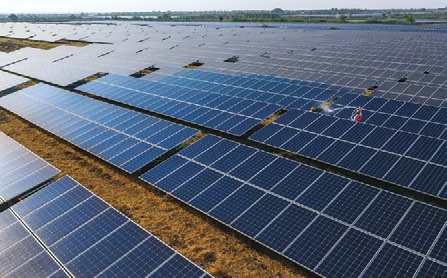
The journey continues through the acquisition of Amplus Energy Solutions in 2019, which has now successfully grown its total solar capacity in India and Malaysia to almost 1GW under operation and development.

While in the cleaner energy space, PETRONAS has recently set its focus on producing hydrogen fuel—an efficient energy output that is sustainable, leveraging on technology for the production and transportation of hydrogen.

Behind The Scenes

PETRONAS’ sustainable efforts are also aimed at protecting the environment. For example, it sponsors the Imbak Canyon Conservation Area in Sabah, which advocates research, reforestation, public education and the training of future stewards. Its gravity-based water systems—dubbed “Water for Life”— in Malaysia, Iraq and the Republic of South Sudan supply clean water to over 100,000 residents since 2013.

In the area of education for local communities, more than 31,000 students have benefited from various academic programs and training courses offered by Universiti Teknologi PETRONAS, Institut Teknologi Petroleum PETRONAS, and Akedemi Laut Malaysia.

PFLNG SATU processing gas from the Kebabangan Cluster field in Sabah, Malaysia.

End Goal

PETRONAS recognizes that the key to its sustainability agenda is to continue looking for new ways to strengthen regional cooperation and create the right ecosystem to promote a broader usage of energy from clean and sustainable sources. This is also why PETRONAS joined over 200 forward thinking companies as the newest member of the World Business Council for Sustainable Development in 2020.

As PETRONAS moves towards a sustainable future, it will continue to align its business strategies toward global sustainable energy trends. This will enable PETRONAS to meet the demands of the energy trilemma—defined as security, sustainability and affordability—in ways that will create positive social impact while safeguarding the environment.

www.petronas.com/sustainability


Redefining Logistics: How FedEx Navigated The Pandemic Challenge

Kawal Preet, president of the Asia Pacific, Middle East and Africa (AMEA) region at FedEx Express

For global logistics leader FedEx, the pandemic created a key challenge: How to build a future-proof supply chain network. While Covid-19 wreaked havoc on the global economy and disrupted transportation networks around the world, FedEx moved swiftly to ensure shipments continued to flow around the world.

“Thanks to our network and capabilities, FedEx never stopped and kept critical shipments moving,” says Kawal Preet, president of the Asia Pacific, Middle East and Africa (AMEA) region at FedEx Express. “As demand surged with the severe shortage of air cargo capacity stemming from the grounding of passenger flights, we’ve flexed our network and increased our flights. That helped keep packages and relief supplies moving.”

As the pandemic upended industries, companies had to make their businesses more agile and resilient to deliver value to customers and shareholders at the same time. To do this, businesses are building decentralized supply chains to move away from reliance on a single production location which can shut down overnight in times of crisis, Preet says.

A strategic shift in supply chain management mindset from “just in time” deliveries to “just in case” inventories is necessary, says Preet. “This model favors the increased use of multi-modal and more economical delivery solutions.”

E-Commerce Pivot

Aside from reinventing the supply chain, businesses will also have to increasingly embrace the digital economy. While e-commerce was already booming before the pandemic, the crisis accelerated its growth momentum.

To tap into the digital economy’s rapid growth, companies—especially small and medium-sized enterprises (SMEs) and startups—are stepping up their digitalization, allowing businesses to expand into new markets.

Transitioning these traditional businesses to online platforms can be simplified by partnering with the right logistics providers. FedEx, for example, offers solutions that help integrate logistics services into e-tailers’ web platforms in addition to day-definite business-to-consumer solutions.

Supporting SMEs

SMEs—the hardest hit by the pandemic—are looking for support to return to profitability. “Nurturing SMEs and entrepreneurs remains a top priority at FedEx,” says Preet.

SMEs can capture global opportunities by leaning on logistics providers that provide convenience and cost savings while expanding their reach. Digital tools such as Electronic Trade Documents for faster customs clearance, and FedEx Delivery Manager which enables customized delivery services at no extra cost help customers achieve those savings.

Apart from providing small businesses efficient logistics services, FedEx recognizes that entrepreneurs often require financial support to fast track their growth. This is the aim of the company’s annual FedEx Small Business Grant Contest (SBGC). First launched in the U.S. in 2012, the programme expanded to other international markets, including AMEA, in 2016. To date, SBGC has awarded over 200 businesses with grants and prizes totaling more than US$2 million.

Small But Significant

Supporting SMEs is vital for the recovery of the global economy as these businesses comprise close to 90% of enterprises and employ more than half the world’s workers, according to the World Bank.

To help drive the recovery, FedEx is committed to providing SMEs with the services and support to take advantage of e-commerce opportunities and expand their businesses globally. To cater to the rising exports from the Asia Pacific region, FedEx had in June added new flights, particularly on the trans-Pacific and Asia-Europe routes.

“This is just the beginning,” says Preet. “We have ambitious goals ahead to continue playing a critical part on the path to recovery.”

fedex.com/sg

Beximco Pharmaceuticals: Setting The Bar High For Generic Medicines

As the pandemic upended the healthcare supply chain over the past year, one company in Bangladesh did not only strive to ensure the continued distribution of medicines across the country, but also introduced its own antidote against Covid-19.

In the midst of the unprecedented health crisis, Dhaka, Bangladesh-based Beximco Pharmaceuticals introduced remdesivir, the world’s first antiviral drug approved by the U.S. Food and Drug Administration to treat those infected by the Covid-19 virus. Originally developed by U.S.-based Gilead Sciences, Beximco sells the generic drug under the brand name Bemsivir.

The company, which is a leading manufacturer and exporter of generic drugs, provided Bemsivir shots free to all government-designated Covid-19 hospitals in Bangladesh and donated large quantities of the medicine to several countries, including India, on humanitarian grounds.

“From the very beginning of this pandemic, Beximco Pharma has made an all-out effort to improve access to all repurposed drugs by ramping up their production in the quickest possible time,” says Nazmul Has-san MP, Managing Director & Chief Executive Officer of Beximco Pharma. “Despite tremendous challenges, Beximco has worked to ensure the uninterrupted supply of medicines throughout Bangladesh.”

The company is also playing a vital role in supplying vaccines to Bangladeshis, having secured 30 million doses of the Oxford/AstraZeneca vaccine from the Serum Institute of India.

The drug maker is now lending its expertise to a global initiative to ensure sufficient supply of drugs to fight the virus. In November 2020, it joined Medicines Patent Pool, a United Nations-backed public healthcare organization working to ensure the availability of life-saving medicines to low- and middle-income countries.

“As we grow, we continually strive to meet the needs and expectations of our stakeholders and society as a whole.”

– SHAYAN F. RAHMAN, PRINCIPAL AND ADVISOR TO THE BOARD OF BEXIMCO GROUP

A Leading Healthcare Player

Beximco Pharma’s proactive and humanitarian approach to combating the Covid-19 pandemic is part of its larger commitment to putting corporate social responsibility (CSR) at the core of its values.

“As a socially responsible corporation, Beximco Group constantly strives to make a positive impact in the communities we operate in,” says Shayan F. Rahman, Principal and Advisor to the Board of Beximco Group. “To this end, we have in place numerous programmes that make a truly unique contribution to development in Bangladesh. At Beximco, we believe we have a central role to play in creating positive social change.”

Beximco Pharma started operations in 1976 by importing products from leading drug makers Bayer from Germany and Upjohn from the U.S., before acquiring the license to manufacture these products domestically.

The firm has grown by leaps and bounds since then and has played a key role in the transformation of Bangladesh’s pharmaceutical industry from an import-dependent nation to an exporter. With a 4,500-strong workforce and a diverse portfolio of 500 products, the company is also emerging as a major global generic drug producer.

Beximco Pharma’s manufacturing facilities are accredited by leading regulatory authorities worldwide, and its products are now being exported to more than 50 countries, including the highly regulated markets of the U.S., Europe and Australia.

The company has also differentiated itself with its capabilities in hi-tech dosage delivery systems, such as metered dose inhalers. Today, the firm is the largest producer and exporter of inhalers in Bangladesh.

Enhancing Health and Well-Being

Beximco Pharma’s vision is to enhance human health and well-being by providing effective medicines at affordable prices and manufactured in full compliance with world-class quality standards. It also aims to be one of the most trusted, admired and successful pharmaceutical companies in the region, with a focus on strengthening research and development capabilities as well as creating partnerships and building presence across the globe.

“Beximco Pharma strives to provide access to life-saving therapies and make them affordable—at a fraction of the cost when compared to other developed and developing countries,” says Hassan. “The price of medicine in Bangladesh is probably the lowest in the world. Being a leading manufacturer, we have played an important role in introducing generic versions of many breakthroughs drugs and making them affordable to the patients.”

To realize these ambitions, the company has adopted a set of core values that encompass a commitment to quality by leveraging best industry practices. It also prioritizes talent development and strictly adheres to the highest ethical standards. At the same time, Beximco Pharma actively takes part in initiatives that benefits society and contributes to the welfare of its people.

Breaking New Ground

Beximco Pharma has been a trailblazer in the industry over the past four decades. It was the first Bangladeshi company approved by the USFDA and first to export medicines to the U.S. The firm also has the highest number of global accreditations in the industry among all local manufacturers and is the only Bangladeshi firm listed on the Alternative Investment Market of the London Stock Exchange.

Despite its achievements, the company isn’t resting on its laurels. It continues to make significant investments in R&D—equivalent to 1.5% of its annual revenues—particularly in areas such as biosimilars and vaccines, as it seeks to become a key player in the global market.

“We are the only Bangladeshi company to export medicine to the U.S. and within a short span of time the U.S. has become the largest export market for us,” says Hassan. “This was possible largely due to our stringent quality standards and commitment to excellence.”

Unsurprisingly, the company has won numerous accolades for its achievements. It is a five-time winner of the National Export (Gold) trophy, and remains the only company in Bangladesh to win highly prestigious global awards, including the SCRIP Awards, and the Global Generics and Biosimilars Awards, among others.

Looking a head, Beximco Pharma aims to ramp up contributions from its export business, expand its presence in regulated global markets and increase its focus on vaccines, biosimilars and oncology drugs. It also aims to foster more international collaborations and partnerships, and is also looking to make strategic acquisitions.

Giving Back to Society

As a responsible corporate citizen, Beximco Pharma focuses its CSR activities on healthcare, education for the underprivileged, and research in the areas of medical devices.

The company helped to fund biomedical research in developing a number of low-cost medical devices, including the country’s first negative pressure isolation canopy to protect doctors working in Covid-19 hospitals. It also fully sponsored the country’s lone clinical trial on a potential Covid-19 treatment.

Furthermore, the company collaborates with non-profit organizations that work to improve people’s lives through research, information and advocacy. For instance, it supports the JAAGO Foundation, the country’s largest youth-based volunteer organization. In a separate initiative, the company has sponsored several computer learning schools in remote districts across Bangladesh in partnership with U.S.-based Computer Literacy Program.

“As we grow, we continually strive to meet the needs and expectations of our stakeholders and society as a whole,” says Rahman. “We strongly believe we can only be successful if we create value not just for the company but also for the society, we live in.”

To find out more

www.beximcopharma.com

Petronas: Gearing Up For The Future With Cleaner And Renewable Energy

Adnan Zainal Abidin, Executive Vice President and Chief Executive Officer of PETRONAS G+NE

PETRONAS shares this vision for a greener future, guided by its Net Zero Carbon Emission 2050 goals. To drive this vision, PETRONAS established the Gas + New Energy (G+NE) business division, a one-stop center for cleaner energy solutions. G+NE will chart the course to ensure that PETRONAS continues to evolve as a cleaner and renewable energy provider, while supporting the energy transition.

“With PETRONAS’ diversified energy portfolio under G+NE, we have introduced forward thinking technologies and have tailor made our solutions to ensure our customers benefit from cleaner and sustainable energy covering natural gas, renewables and hydrogen,” says Adnan Zainal Abidin, Executive Vice President and Chief Executive Officer of G+NE.

Integrated Value Chain

Over the years, PETRONAS has developed its capabilities and an integrated value chain to provide reliable and accessible cleaner energy in order to meet the growing global energy demand.

As a leading Liquefied Natural Gas (LNG) supplier, PETRONAS operates one of the world’s largest LNG facilities in a single location in Bintulu, Sarawak. It also has presence across Egypt, Australia, and soon Canada, enabling the company to deliver LNG to more than 25 countries worldwide.

PETRONAS is also the world’s first owner and operator of two floating LNG (FLNG) facilities, which can produce almost three million tons of LNG per annum for its customers. PETRONAS’ leadership in FLNG technologies has redefined the LNG industry, allowing energy companies to monetize and unlock previously uneconomical and stranded gas fields, while safeguarding the environment.

The company’s public listed subsidiary, PETRONAS Gas Berhad, has been the backbone of Malaysia’s gas market, supplying customers with solutions that include gas processing, gas transportation, LNG regasification and utilities, as well as the provision of cross border pipelines.

PETRONAS also provides its customers innovative solutions such as LNG Bunkering to promote the use of cleaner fuel in the marine industry. To reach remote industries with no access to direct LNG infrastructure, PETRONAS offers solutions such as virtual pipeline systems that deliver LNG in ISO tanks onboard trucks.

In pursuit of renewable energy sources, PETRONAS continues to build its presence and capacity as a world-class solar energy provider with its fully-owned subsidiary, Amplus Energy Solutions based in India. Today, PETRONAS has over 1GW of solar capacity in operation and under development in India and Malaysia.

As for hydrogen-based solutions, PETRONAS has through the years been producing blue hydrogen—a byproduct of its LNG production process—and is now exploring the commercial production of green hydrogen. These solutions assure customers that PETRONAS is able to produce efficient clean energy output that’s reliable and sustainable.

PETRONAS’ floating LNG facility and solar farms reflect the firm’s commitment to cleaner energy.

Sustainable Business

In addition to providing cleaner and renewable energy solutions, PETRONAS is also embedding sustainability into its businesses by growing the use of solar energy to power its operations and production.

Along with this is PETRONAS’ commitment to Malaysia’s own Green House Gas emission reduction agenda and the nation’s aspirations to increase renewable energy mix by advocating greater usage of solar and hydrogen as a clean energy carrier.

“Behind our shared purpose is our incredible employees, customers and stakeholders who will continue to heed the call and work towards building a greener and sustainable future,” says Adnan.

www.petronas.com/our-business/gas-and-new-energy

FUJIFILM Business Innovation: Reborn To Create Global Value

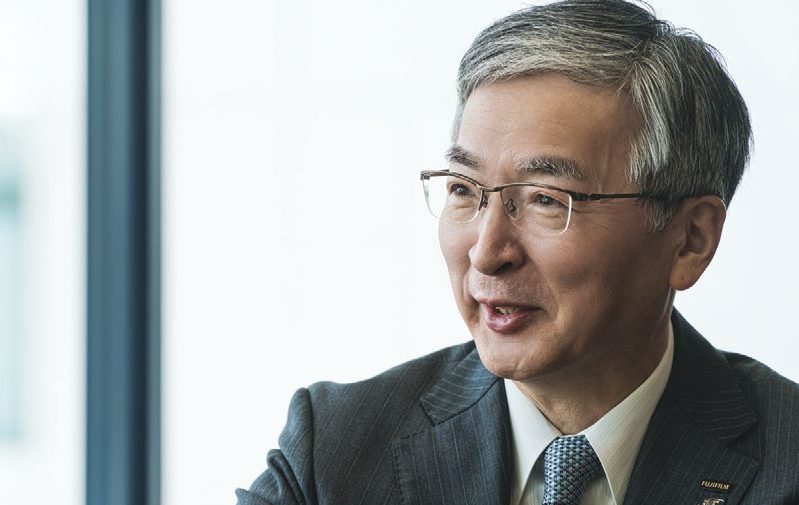
Hisanori Makaya

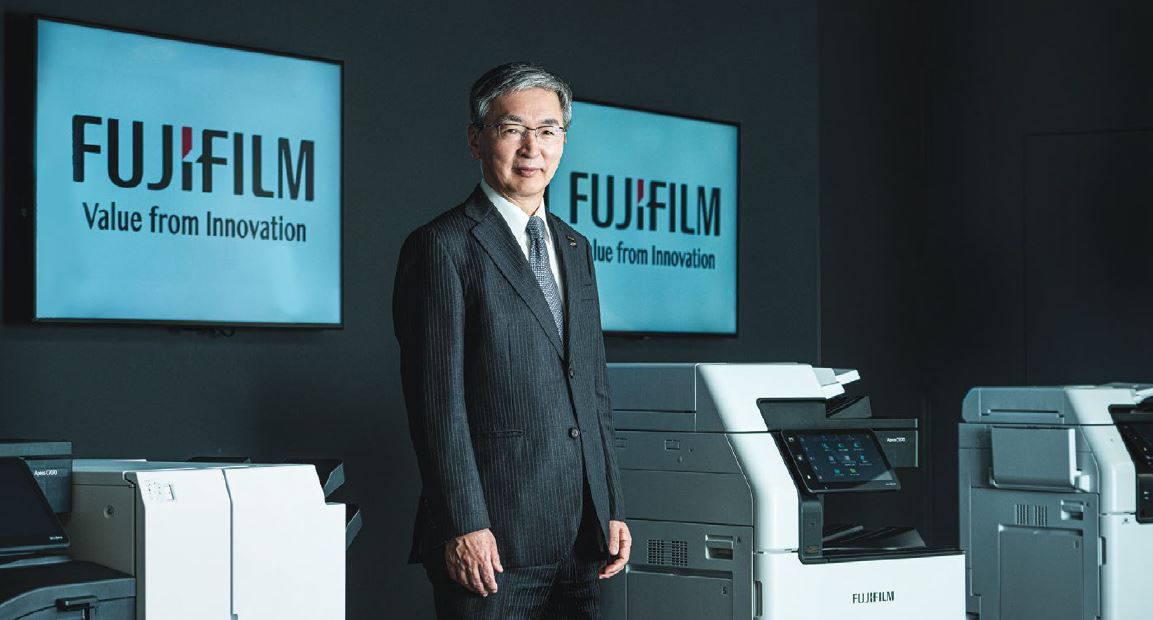
“We’ve changed our brand and set out on a new path,” says Hisanori Makaya, President and CEO of FUJIFILM Business Innovation (BI), formerly Fuji Xerox. “We are seizing this change, the biggest in our company’s history, as an opportunity to leverage the full wisdom of the Fujifilm Group to deliver innovative value to customers all over the world.”

The name change was brought about right after the Technology Agreement with Xerox Corporation ended on March 31, closing the curtain on almost 60 years as Fuji Xerox. Reborn under the Fujifilm brand, the company is now set to expand beyond Asia-Pacific to the world.

Leaping into New Businesses

Makaya says the company’s new name reflects FUJIFILM BI’s commitment to continued innovation. “Competition is growing fiercer by the day as businesses diversify and globalize, so we need to help our stakeholders exchange information quickly and accurately,” he explains. “Our role is to maximize our customers’ organizational capabilities by accelerating digital transformation (DX) and improving work efficiency so that they can concentrate on what matters most to them.”

“Customers can expect true technological innovation from the combined strengths of the Fujifilm Group.

– Hisanori Makaya, President and CEO, FUJIFILM Business Innovation

Makaya believes the company’s new name truly represents its mission.

“Fujifilm has a proven track record of successfully transforming itself from a photographic film manufacturer to a developer of various high-growth businesses such as healthcare, and with this amazing transformation, the Fujifilm story became a case study for many,” he notes. “Together with Fujifilm’s global branding, reach and expertise, customers can be further assured of the upcoming innovations for our products and services. We are also committed to providing our usual excellent service and quality assurance to all our customers. Our after-sales maintenance service level will be the same, if not better.”

Along with the rebranding, perhaps the most important step is expansion into new markets. Makaya’s wealth of experience in leading many major business changes, including mergers and acquisitions, is a key reason why he was promoted as CEO.

“Back when I joined Fuji Photo Film (now FUJIFILM Holdings) in the early 1980s, there was already talk about film eventually disappearing, so the company was destined to change,” he recalls. “I spent a lot of time in commercial printing and saw all kinds of new ventures. It might sound overblown, but periods of change can push people to evolve, and companies are the same. That’s why we never stop. The important thing is not responding to changes, but to anticipate them and guide our own evolution.”

Innovating Through Fujifilm Synergies

So, what changes will occur at FUJIFILM BI?

“Our biggest synergy within the Fujifilm Group is in commercial printing,” Makaya explains. “We are integrating related divisions to bring optimal printing solutions to our customers, as well as expand product lineups and collaborate in sales. In healthcare, we also combined respective strengths in image processing and natural language processing to support and improve diagnosis efficiency. Customers can expect true technological innovation from the combined strengths of the Fujifilm Group.”

While the company was previously limited to Asia-Pacific, FUJIFILM BI is ready to start selling products globally under the Fujifilm brand. It is also considering ways to provide IT solutions and services that match new work styles that have emerged during the pandemic.

The company’s passion for business innovation continues. As more offices go paperless, FUJIFILM BI is currently reassessing the future viability of multifunction printers (MFPs).

Hisanori Makaya

“I believe the MFP still has a huge role to play,” Makaya says. “Connecting a device to cloud services can support remote work. As times change, we will meet diverse customer needs by linking evolved MFPs with all kinds of software, either our own or third-party. Our mission as a leading company is to help create a benchmark for the various new ways of working.”

FUJIFILM BI continues to grow even though the work-from-home trend is slowing demand for office printing. Despite the pandemic, sales volumes of its products equipped with robust security features surpassed the previous fiscal year’s numbers.

The pandemic also didn’t stop the company from innovating. It launched 19 MFP models last June and successfully continued its mission by launching four additional models and 14 products of the ApeosPro, Apeos C and ApeosPrint series in April 2021, the company’s first product lineup under the Fujifilm brand.

The company also provides network security and other IT-related outsourcing for small and mid-sized enterprises (SMEs). One such service is from the company’s recent acquisition of CSG Limited, now called FUJIFILM CSG Limited. This service originated from FUJIFILM CSG’s Code- Blue business and has already launched in Japan, and the company is eyeing deploying it in the Asia-Pacific region as well.

When it comes to the new IT services business, Makaya believes the possibilities are endless.

“Last year, we established FUJIFILM RIPCORD, a joint venture with American startup Ripcord, and added a variety of engineering ideas to scanners equipped with robotics technology,” he says. “We succeeded in creating an automated solution that can scan hundreds of millions of sheets, easily surpassing earlier conventional limits to document digitization. This means we can contribute enormously to customers pursuing DX. We have already started sales in Japan, and are getting ready to expand into the Asia-Pacific. FUJIFILM BI will never stop bringing a brighter future for everyone.”

Hisanori Makaya was appointed President and CEO of FUJIFILM Business Innovation on April 1, 2021. Prior to that, he was executive vice president of Fuji Xerox since June 2019 and senior vice president since 2017. Before Fuji Xerox, he held various leadership roles at FUJIFILM Holdings, including in corporate planning, healthcare and graphic systems. He graduated from the Faculty of Economics, Doshisha University, Kyoto, Japan.

FUJIFILM Business Innovation
https://www.fujifilm.com/fbglobal/eng


MANAGEMENT PHILOSOPHY

Makaya believes in inspiring employees to embrace change. He mentors employees on presentation skills by explaining that a story with a clear and logical flow is vital. He puts words into action when he organizes important tasks using his favorite office tools: three beautiful and sophisticated pens and a leather-bound notebook. He believes that writing down the most essential content will help connect the dots and convey your story with clarity.

Petronas: Attractive New Upstream Prospects For Investors

PETRONAS Executive Vice President and CEO of Upstream, Adif Zulkifli

Malaysia Petroleum Management (MPM) has launched the Malaysia Bid Round (MBR) 2021, a platform to offer 13 new offshore exploration blocks within proven hydrocarbon basins in Malaysia to interested investors.

These 13 blocks cover nine shallow-water and four deep-water acreages, with discovered resources opportunities (DRO) included in some of the exploration blocks. MPM, on behalf of the resource owner PETRONAS, manages Malaysia’s hydrocarbon assets.

Although there has been an accelerated shift toward renewables, petroleum demand is expected to remain robust in the coming years due to rising energy demand.

Thus, decarbonization of its core operations is critical in ensuring energy security, while helping countries to benefit from less emissions-intensive fuels.

To that end, there is a need to explore oil and gas in the right places and drill for what is known as “advantaged” barrels—oil that has the twin properties of being low in cost and carbon content.

PETRONAS Executive Vice President and CEO of Upstream, Adif Zulkifli, says advantaged barrels can be produced even when prices are low and when regulations are tightened, and is expected to be the source of the bulk of oil supply in the next few decades.

“For 2021, PETRONAS is offering attractive exploration blocks located within proven hydrocarbon basins. Our track record shows we have always been investment friendly as we continue to create a conducive environment to deliver value and promote sustainable development,” adds Adif.

Flexible Terms

Looking to draw in agile investors, MPM is enhancing its product offering to encourage collaboration and further investment in the industry, offering three types of new production sharing contracts (PSCs) under the MBR 2021.

The first, the Enhanced Profitability PSC Terms (EPT), includes a 70% fixed-cost recovery ceiling and linear profit sharing, based on a single oil and gas pool. Under this scheme, the contractor’s profit share will range between 30% and 90% depending on the asset’s profitability.

The second and third PSC—called the Small Field Assets (SFA) and Late Life Assets (LLA), respectively—provide opportunities for industry players with niche capabilities to monetize discovered fields with resource size of less than 15 million barrels of oil or less than 300 billion cubic feet of gas.

MPM also offers several nonfiscal enhancements for the exploration blocks such as larger block size, flexible bidding options, e.g. the option to merge two adjacent blocks under one PSC, transferable minimum work commitments between two adjacent PSCs and a phased exploration period.

MPM is hosting a virtual data room that is accessible now until August 6 to allow potential investors to conduct data room reviews within the bid round period. The bid evaluation exercise will take place between August and September. The contracts will be awarded to successful bidders by year-end.

MBR 2021 blocks on offer

Senior Vice President of MPM, Mohamed Firouz Asnan, says, “To date, some 40 billion barrels of oil equivalent (bboe) have been discovered in Malaysia, one of the highest in the region, with 20 bboe more waiting to be unlocked. This makes Malaysia a country with great potential for growth while providing investors flexibility and choice.

“Those seeking the right opportunities will not only balance but strengthen their portfolio, and we hope to see new investors, including existing players, bidding this year,” adds Firouz.

For more information, please visit
www.petronas.com/mpm

Openspace Ventures Accelerates Into The Curve

Southeast Asia’s technology sector powers ahead despite an unprecedented crisis that has affected businesses and ravaged economies globally. The value of fundraising deals in the region rose 90% to US$2.7 billion in the second quarter from a year earlier, according to financial news site DealStreetAsia. Transaction counts increased by 60% to 184 over the same period.

Technology platforms welcomed healthy revenue boosts from the pandemic-fueled reshaping of homes and workplaces. Sectors such as health, education and online media, in particular, had strong showings as consumers and businesses spent big on digital offerings in the face of Covid-19.

Investors are paying attention. EMPEA’s 2020 Global Limited Partners Survey, featuring the views of 109 limited partners on the attractiveness of current conditions and outlook for private capital in emerging markets, saw Southeast Asia maintain its pole position. 

Poised for Regional Growth

Singapore-based Openspace Ventures, an early investor in Indonesian decacorn Gojek, is a pioneer in the region. Established in 2014, the fund now manages over US$350 million in committed capital, and boasts 32 investments and counting. To date, the firm’s portfolio companies have attracted US$6.5 billion in follow-on capital. Even in the midst of Covid-19, Openspace’s companies raised more than US$2 billion in capital in the 12 months to September, outpacing its peer average by over seven times. The firm counts institutional powerhouses, including sovereign wealth funds, superannuations and university endowments, in its stable of limited partners.


Openspace’s strategy is clearly paying dividends. The VC’s first and second funds, launched in 2014 and 2017, respectively, are both performing in the top quartile against global peers, according to Cambridge Associates and Preqin benchmarks, with Fund I in the top 5%.


International players are expanding into the region to capitalize on Southeast Asia’s potential. Lightspeed, an established global venture capital (VC) firm, set up shop in Singapore this year, joining other well-known VCs like Sequoia Capital India, 500 Startups and Wavemaker in providing great liquidity to the market. But while ASEAN is gradually coalescing into an integrated market, it is not homogenous. Firms and investors must have boots on the ground to leverage strategic local networks for success.

Openspace is built for purpose. Its team of 22 includes 12 nationalities, and it has offices in Bangkok and Jakarta. The firm made four investments in Indonesia and Thailand in the midst of the pandemic, claiming a return on its dominant geographical advantage. While currently providing coverage out of Singapore, it plans to open offices in Vietnam and the Philippines in 2021, deepening its long-term commitment to Southeast Asia. 

Capturing Alpha

Investor interest is expanding beyond fintech and surging into newer areas such as healthtech, edtech, agtech and cleantech. Openspace already has substantial expertise here, having entered these sectors and geographies ahead of the curve.

The firm attributes its early successes in Indonesia, including investments in Gojek, TaniHub, FinAccel and Halodoc, to a strategy of active anticipation. “Our ability to source and analyze data and have conversations with industry shapers on macroeconomic and geopolitical trends gives us an edge in picking startups that succeed at scale,” says Shane Chesson, Founding Partner at Openspace. The firm consistently evaluates a high number of startups—it assessed over 800 in 2019 alone.

Founding Partners Shane Chesson (left) and Hian Goh met at INSEAD.
Openspace’s team members at their Singapore office.

While Indonesia is home to many of Southeast Asia’s tech stars, others in the region are also producing winners. The Philippine and Thai markets have large youthful populations, an emerging middle class, and rising internet penetration. Kumu, the Philippines’ fastest-growing consumer app, saw average monthly active users increase by over 500 times since 2018 to exceed 1 million users earlier this year.

Deep Operations Expertise

Openspace propels value creation. The team features full-time, in-house operations experts in the key areas of technology, legal, human resources, and environmental, social and corporate governance. One notable example is Yiliang Zhao, who holds a Ph.D. in computer science (artificial intelligence). As the firm’s Vice President of Data Science he works with portfolio companies to develop machine learning models and optimization algorithms to generate revenue and streamline operations. Zhao worked with Finnomena, a Thai digital wealth management platform, to build predictive models identifying investment patterns as well as product recommendation models. Finnomena’s account openings tripled to over 42,000 in the third quarter from a year ago.

“Our diverse expert team gives us a clear competitive advantage and we can therefore take a high-conviction and constructive approach to investments. This drives out performance in our portfolio companies,” says Hian Goh, Founding Partner at Openspace.

Openspace’s strategy is clearly paying dividends. The VC’s first and second funds, launched in 2014 and 2017, respectively, are both performing in the top quartile against global peers, according to Cambridge Associates and Preqin benchmarks, with Fund I in the top 5%.

Halodoc’s Covid-19 rapid testing initiative with Indonesia-based hospital group Mitra Keluarga.
Openspace’s tech experts Dr Yiliang Zhao (left) and Wenbo Zong.


For more information: www.openspace.vc


ICBC Grows Its Private Banking Business

ICBC Group headquarters in Beijing

ICBC Private Banking this year marked its 12th anniversary of becoming China’s first licensed private banking institution. Over that time, it quickly expanded and distinguished itself from competitors to become a market leader. It has built a team of more than 5,000 financial advisors, extended its presence to all major Chinese cities and established a worldwide service network. As of June, ICBC Private Banking had 169,000 clients, with assets under management hitting 2.9 trillion yuan (US$425.75 billion).

As an integral part of ICBC Group’s strategy to become the No. 1 personal bank in China, ICBC Private Banking is pushing forward with innovative products and services. It is well positioned to leverage the parent group’s advantages in personal banking, asset management, corporate investment banking, financial technology, fund insurance and risk management, which allow ICBC Private Banking to provide a full package of integrated, professional, quality services.

ICBC Private Banking provides its high net worth clients—comprised of individuals, businesses and families—with all-market, omni-target and full-term asset allocations while focusing on comprehensive, personalized solutions. In recent years, the bank zeroed in on market trends and used its extensive resources to launch a string of successful products and services, such as its “fixed income plus” solution.

Its distinctive offerings extend to a diverse lineup of advisory services. ICBC Private Banking is committed to providing a full package of value-added services for high net worth clients and their families that include health, business travel, inheritance, art and lifestyle.

When it comes to online services, ICBC Private Banking pools its digital resources in an innovative way. It offers a VIP version of the ICBC Mobile Banking app, which allows premium clients to use WeChat and other social media platforms to contact the ICBC Private Banking team with a click for timely support.

In the fight against Covid-19, ICBC Private Banking leveraged the group’s resources to support medical staff in Wuhan, Hubei Province. It started a fundraising program called “Caring for Hospital Nurses in the Pandemic Fight,” through which it was able to deliver 10,000 sets of personal protective equipment to frontline workers.

ICBC Private Banking continues to expand its network across China.

It also moved quickly to launch financial services and products targeted at Hubei businesses. It cooperated with other group departments to develop “ICBC Exclusive Loan” solutions for areas severely impacted by the pandemic, and assisted efforts to support small and micro businesses and their owners with sufficient credit and financing services to help them overcome ongoing difficulties. ICBC Private Banking delivered online sessions to explain financial, taxation and economic policies put in place by the Chinese government and the bank in response to the pandemic crisis as well as government guidelines for companies resuming operations. After the government eased travel restrictions, ICBC Private Banking allocated marketing resources and value-added services to help its Hubei branch resume its client services and business operations.

ICBC Private Banking remains committed to the group’s core value of “Integrity Leads to Prosperity,” and continues to build an  ecosystem of services that features “group-wide collaboration, full market selection, all-product configuration and global service availability” to facilitate the development of the real economy and serve individuals, companies and family properties.


For more information, please contact:

http://www.icbc.com.cn/icbc/