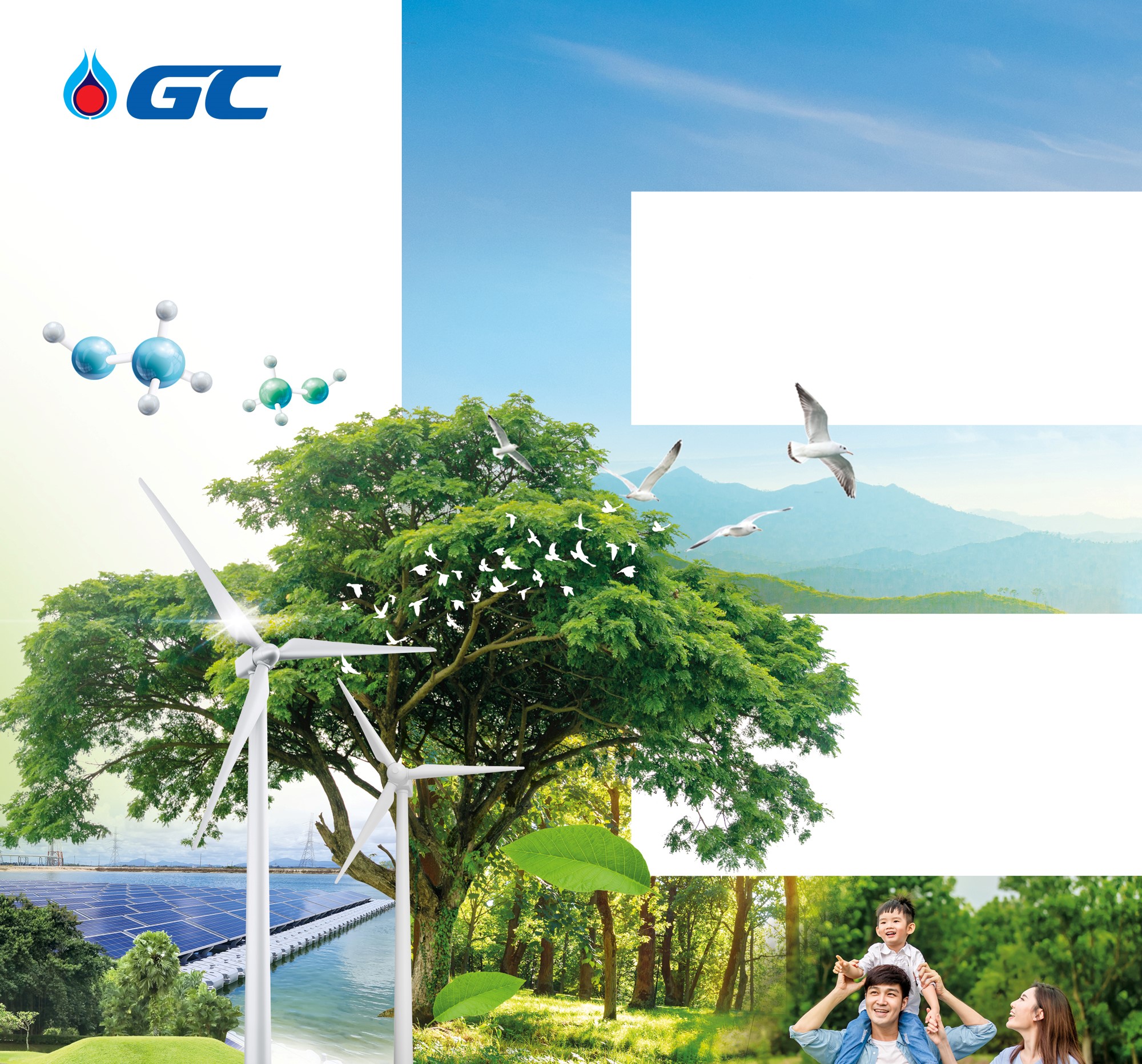
Leading The Sustainability Transformation

Kongkrapan Intarajang, CEO and President of PTT Global Chemical (GC), has been at the forefront of the company’s sustainability journey, focused on demonstrating that petrochemical companies can contribute positively to the environment with the right direction in place.

Over the last 10 years, GC has been operating its business with sustainability in mind. Moreover, the company is a pioneer in applying the circular economy to its business operations, a crucial foundation for its journey toward achieving its net zero goal. GC has shown its commitment to building a sustainable business by incorporating Environmental, Social and Governance (ESG) principles into its operations. Driven by its “Chemistry for Better Living” vision, the company has continued its decades-long endeavor to create sustainable solutions for all, says Intarajang.

Sustainability in Business

To transform the business sustainably in response to the rapidly changing world, GC has integrated 3-step strategies into its business operations. The strategies comprise of: Step Change—actively strengthen the business competitiveness by enhancing resilience and creating future growth; Step Out—move toward High Value Businesses (HVB) focusing on growth products and superior profitability that meets consumer needs and megatrends, for example GC’s acquisition of allnex, a global leader in specialty coating resins that provides high performance and environmentally friendly solutions; and Step Up—elevate its sustainability operations for business connectivity in response to industrial trends, while striking the ESG balance.

Working Together to Net Zero

As one of the global sustainability leaders, GC aims to reduce its greenhouse gas emissions by 20% by 2030 and achieve net zero emissions by 2050, in line with the Paris Agreement.

Its “Together to Net Zero” roadmap, drawn up in 2021, comprises three core pillars: efficiency-driven, which involves increasing operational efficiency and reducing waste emissions; portfolio-driven, which involves transitioning its portfolio to low-carbon businesses while maintaining corporate growth and integrating circularity to solve issues of limited resources and waste management; and compensation-driven, which utilizes nature-based solutions and explores technology to drive decarbonization.

GC started a closed-loop plastic waste management project called YOUTURN, which is one of the driving forces to net zero that aims to instill proper knowledge of plastic recycling and sustainability in local communities and encourage circular living. YOUTURN focuses on transforming plastic waste into valuable products such as fashionable items and construction materials, among others. The waste collected from the YOUTURN drop-off points is also transported to GC’s plastic recycling plant ENVICCO, where it is turned into high-quality, food-grade PCR PET approved by the Food and Drug Administrations in Thailand and the U.S.

Helping the Society

One of GC’s main missions is to assist society by elevating the quality of people’s lives. This is achieved through promoting community development (since 2011), engaging in community procurement of goods and services and creating employment opportunities that generate income for the community, which has amounted to 2.45 billion Thai baht (US$72 million). These efforts are also carried out in conjunction with environmental
conservation initiatives.

Intarajang says, “Sustainability starts with ourselves. Then, we collaborate and take a dedicated, hands-on approach not only within the company but also across all sectors throughout the supply chain. These actions have led us to receive international recognition, such as being ranked consecutively for four years in the chemical sector by the Dow Jones Sustainability Indices. We feel proud and grateful to all our partners who have contributed to our sustainability efforts, and we remain committed to continuing these efforts for the benefit of ourselves and future generations.”
 

www.pttgcgroup.com/en


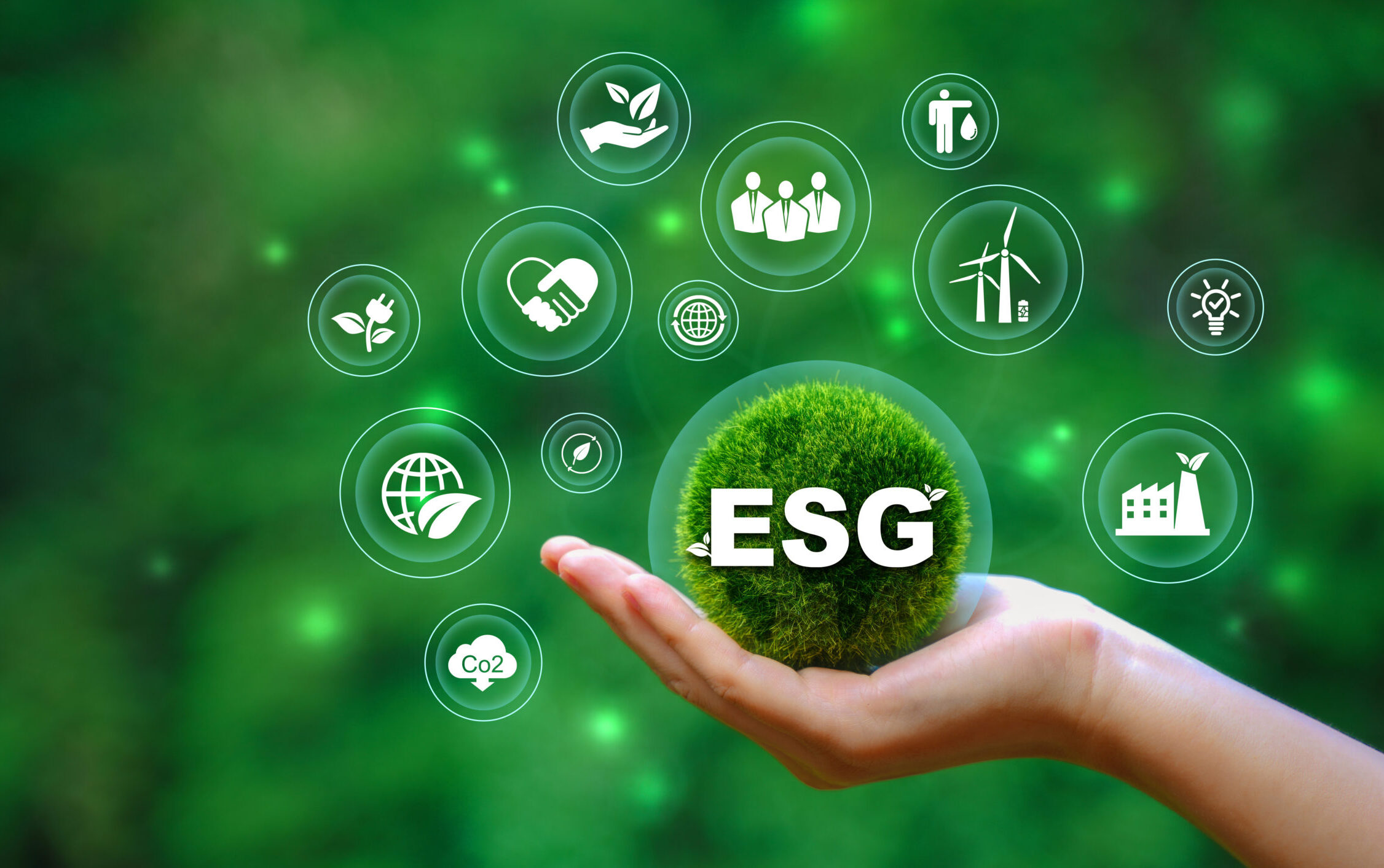
ESG Remains Crucial To Building A Sustainable Future

Environmental, Social and Governance (ESG) has evolved from a nice-to-have to a corporate imperative over the years. Governments, businesses and investors recognize the importance of ESG in driving the world’s transition to a greener and more sustainable future and are doubling down on efforts to achieve nature-positive targets.

At the World Economic Forum’s annual meeting in Davos earlier this year, global leaders discussed how new approaches and partnerships could lead to new solutions, such as leveraging philanthropy in new ways, driving climate adaptation and spurring more ambitious, comprehensive and sustainable infrastructure investment plans that could stabilize the planet and help the world meet the 2030 emissions reduction goal.

Driving Sustainable Change

Among the businesses driving sustainable change is Apical, part of the Singapore headquartered RGE group of companies. As the world’s second largest vegetable oil processor, Apical has embarked on a journey to become a leading second-generation biofuel feedstock provider through the collection of waste and residue from mill and palm oil refineries, along with used cooking oil, to act as an alternative to other forms of feedstock.

The company has also diversified its operations into other downstream areas such as sustainable aviation fuel (SAF) used to power aircraft. Through a joint venture, Apical is now commercially using at scale the waste generated by its operations as viable feedstock to produce SAF. These efforts highlight the company’s commitment to driving sustainable change in the palm oil sector.

In the real estate sector, Hong Kong’s Sino Group is leading the way toward a climate-resilient built environment. Sino Group integrates sustainability into all aspects of its operations and aims to achieve net zero by 2050 through more energy-efficient design, green construction and procurement, renewable energy usage, reduction of waste and carbon emissions and promoting sustainable living at its properties.

As of June 30, 2022, the company recorded a reduction of greenhouse gas emissions and electricity consumption by almost 40% from its 2012 baseline, exceeding its initial target.

Capitalizing on the Green Transition

As the world transitions to a low-carbon economy, investors are ready to capitalize on opportunities presented by this global shift. HSBC Global Private Banking offers investors three main ways to embed sustainability into an investment portfolio: ESG enhanced, thematic and impact investing.

ESG enhanced investments refer to investing in companies that score well on ESG criteria, while thematic investments focus on specific sustainability themes such as renewable energy, water conservation or circular economy. On the other hand, impact investing aims to generate an intentional, direct and positive social or environmental impact alongside financial returns.

The bank believes that by adopting an ESG approach to investment and finance, investors can play a crucial role in driving the transition to a low-carbon economy, while also generating long-term financial returns.

Bridging the ESG Trust Gap

But while companies are starting to make progress on sustainability objectives, some investors feel strongly that they are not getting the quality of ESG data required to evaluate a company’s strategy and risk profile, according to the Asia-Pacific findings in the latest EY global corporate reporting and institutional investor survey. This information gap threatens to stifle access to capital for many organizations and ultimately, could hinder progress on decarbonization.

Investors believe that Asia-Pacific organizations are “highly selective” about the information they provide and unless there is a regulatory requirement to do so, most companies will provide only limited ESG disclosures useful for decision-making.

The good news is that both sides acknowledge that there are weaknesses in current reporting standards, including issues such as lack of requirements for supporting evidence, separation of ESG reporting from mainstream financial reporting and a lack of forward-looking disclosure, so more can be done. Asia-Pacific companies can bridge the ESG trust gap with investors by taking key action to ensure that sustainability is built into their reporting processes—systemically, strategically and rigorously.

Advancing Social Justice

In addition to environmental concerns, organizations are starting to give the same attention to the social component of ESG. Businesses today are faced with a growing number of social justice issues that can affect their corporate reputation—from human rights and gender equality to health and safety, and community engagement.

FGV Holdings Berhad, a global and diversified agribusiness based in Malaysia, is one of the world’s largest producers of crude palm oil. In its efforts to operate a sustainable and socially responsible business, FGV has implemented various programs to strengthen its labor practices, including aligning its policies and recruitment practices with international labor standards.

One of the main standards adopted by FGV is the no recruitment fees policy for the hiring of migrant workers. The company has taken several measures, including setting aside about US$25 million to compensate current and former FGV migrant workers who had paid recruitment fees to secure jobs.

Indeed, there is plenty that businesses can do to build on the ESG framework to drive real change. Those that lay the right foundation now are likely to succeed long into the future.

Sustainability Is The Driving Force Of Home Credit’s Strategy

Home Credit has a pioneering reputation in the consumer finance industry in Vietnam. Between 2020 and 2022, the company was rated as the “Most Desired Brand” in the market by the Ipsos’ Annual Brand Health Tracker. It has also received many other prestigious awards in the technology, HR and CSR categories.

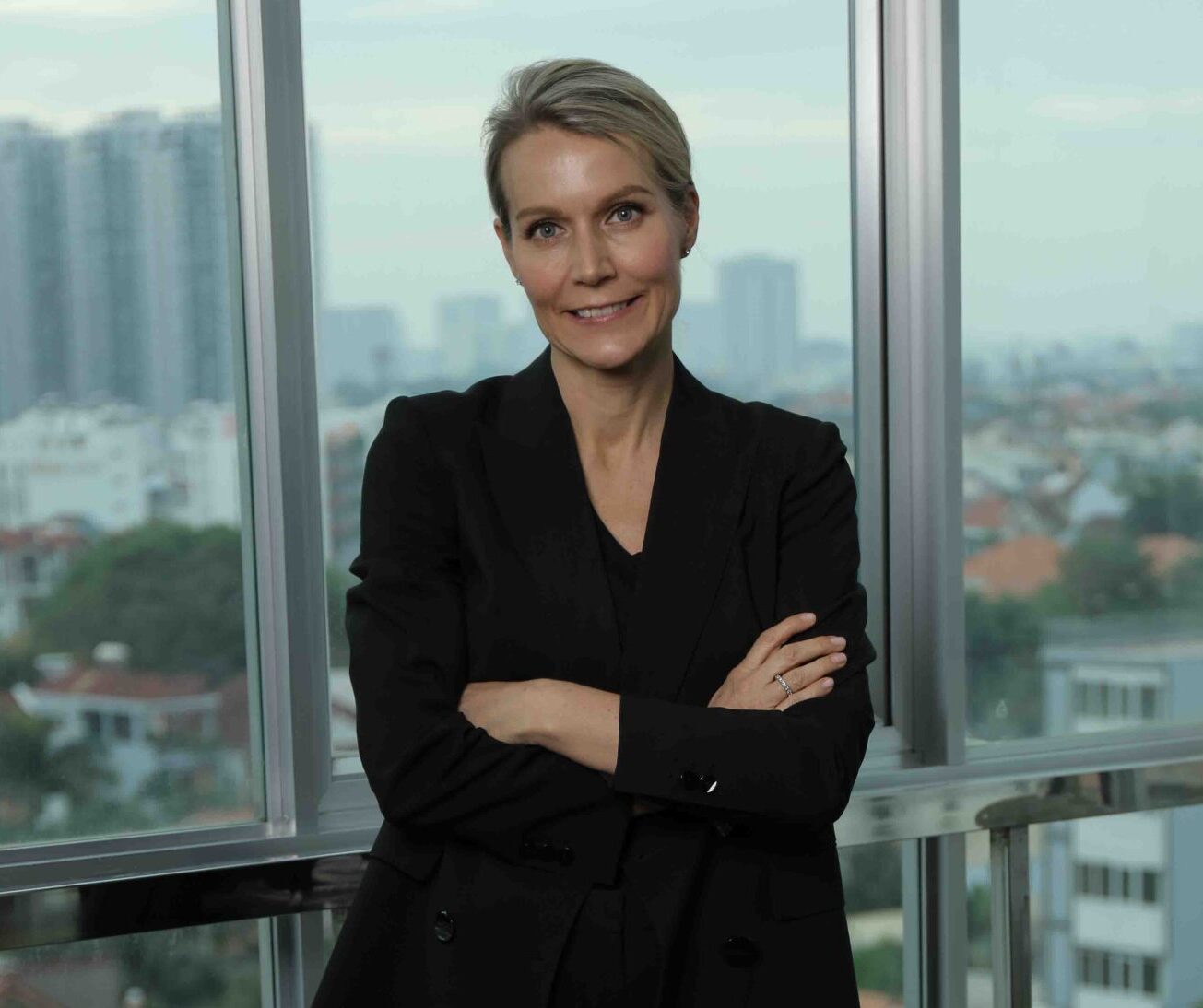
Annica Witschard, CEO of Home Credit Vietnam, shares the company’s ESG journey so far.

Why is Home Credit Vietnam proactively developing an ESG strategy when this trend is still new in Vietnam?

ESG principles are actually not new to us at all. They have always been integral to our business approach, even before being called ESG. Responsible finance, financial inclusion and digital empowerment, which have been woven into Home Credit’s DNA since day one, are central to our policies and commitments to customers, staff and the communities that we serve.

I strongly believe that an action-driven ESG strategy has a powerful impact on the sustainable growth plans of any business. But, it’s not just about the business growth; it’s also about driving transformational social impacts. I am proud to say that our strategy has so far proven successful. Our customers say that they find us trustworthy, responsible and friendly. Three out of four of our customers recommend Home Credit services to their families and friends, while 75% of new revenue is generated by returning customers.

Annica with the Sustainability team

We are able to achieve steady and healthy business results while maintaining the lowest non-performing loan ratio across the industry.

In addition, as more and more employees seek purpose and value at work, we find that social responsibility and a forward-thinking workforce strategy are keys to employee satisfaction and attracting talent in a competitive labor market.

How is sustainability included in work at Home Credit Vietnam?

First and foremost, we apply the principles of good governance through responsible financing and acting with transparency and compliance. We offer customers the right products, based on their needs and financial capacities with sustainable repayment plans, ensuring that they clearly understand all essential information related to the service and do not become overburdened. At the same time, we promote responsible borrowing practices via roadshows and workshops, focusing on teaching core skills such as money management or household budgeting.

We serve more than 14 million customers nationwide, most of whom are low-income earners with no credit history, and therefore not being served by traditional banks. We can plug that gap and help them access financing easily and safely to quickly achieve their daily goals. This is financial inclusion in action.

The “S” in ESG is also an area we focus on. We give back by supporting female entrepreneurs in communities and teaching financial literacy, which I believe will have long-term positive impacts for both societies and our business. We have also invested in CSR programs that have delivered, for example, direct aid for flood victims and for people in need during Covid-19.

Our digital products ensure that the end-to-end aspects of our transactions are efficient and promote sustainable consumption. Our automated lending process helps to improve customer experience, increases the ease of doing business across the economy and lowers the impact on the environment.

Annica Witschard, CEO of Home Credit Vietnam

Can you explain more about your digital strategy and some of your innovative products, e.g., Home PayLater and Home App?

Digital empowerment is one of our goals as a business. Home PayLater is a recently launched Buy Now, Pay Later product which will revolutionize the way customers shop, allowing them fast access to consumables without adding financial pressure to their budgets. Home App, which was launched last July, helps customers access a full suite of financing services anytime, anywhere.

These technologies are underpinned by a solid technological foundation, a wealth of data, and cutting-edge information security protocols that are designed to enable everyone to benefit from digitisation.

In the context of global economic instability in 2023, how can Home Credit build a sustainable future?

We do not treat ESG as “just another line item” in our budget but as the driving force of our sustainable growth.

This year is going to be challenging but we believe in the resilience of the Vietnamese economy. We trust that improving access to responsible finance through digital innovation will help us to mitigate global headwinds and contribute to the broader economic recovery.

We will keep on ensuring consistency and coherence in our approach to sustainability while pioneering high-quality products and services. I trust this will continue to make us a desired brand that customers, partners and employees want to stay with.

www.homecredit.vn

POSCO Group Focusing On Green Materials To Achieve Sustainable Growth

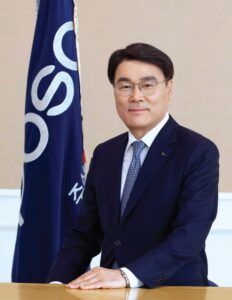
Jeong-Woo Choi, POSCO Group CEO

Starting from a small fishing village in Pohang, South Korea more than 50 years ago, POSCO has grown to become one of the largest steel companies in the world. Two of the key reasons behind the company’s success are its focus on sustainable growth and becoming a responsible corporate citizen.

Today, POSCO Group is moving towards becoming a world-class green materials provider and has embarked on many initiatives to make the world greener and reduce carbon emissions.

POSCO Group CEO Jeong-Woo Choi, who recently won the CEO of the Year award at the 10th Global Metals Awards by S&P Global Commodity Insight and was appointed as the Chairman of the World Steel Association, shares the company’s future plans and his thoughts on the importance of sustainable practices and the steel industry’s future direction.

POSCO Group has grown significantly over the past four years. What are your priorities for the company in the near future?

POSCO Group aims to become a world-class green materials provider using innovative technologies that have not existed in the past. These green materials will be used in industries such as future mobility, housing and infrastructure, and will contribute to the realization of future eco-friendly values such as carbon neutrality.

One of the green materials that we are working on is green steel. Currently, we are working on a technology called HyREX or hydrogen reduction, which could significantly reduce carbon emissions in the steelmaking process. By 2028, we hope to build a HyREX demo plant and commercialize the technology by 2030.

The group is also looking at expanding its domestic and overseas production bases for cathode and anode materials in the rechargeable battery material business. We will also start the saltwater-based production of lithium with an annual capacity of 50,000 tons in Argentina in 2025. This will play an essential role in helping the group achieve its goal of 300,000 tons of lithium production by 2030.

Another priority for us is to grow the secondary battery material business, which is also one of our fastest growing businesses. Last July, we held an investor relations event for the secondary battery material business and presented our 2030 goals for significant materials such as nickel (220,000 tons), cathode material (610,000 tons), and anode material (320,000 tons). We also target to achieve KRW 41 trillion (US$30.8 billion) in revenue by 2030.

POSCO Argentina lithium demo plant

How important is Environmental, Social and Governance (ESG) to POSCO Group? What are the ESG initiatives promoted by the company?

POSCO Group has implemented the management philosophy of corporate citizenship since 2018. In July 2019, the corporate citizenship charter was released, with the details and the practice principles elaborated. The charter mainly embraces what ESG stands for.

We have also established the ESG discussion committee, where key management, including CEOs of the holding and operating companies, participates every quarter to debate and discuss the responsive measures on ESG issues such as climate change, safety, diversity, and inclusion, which are considered crucial by our internal and external stakeholders.

An advanced governance system is also set up to detail what was discussed and report the result to the board of directors and ESG committee before it is communicated to stakeholders. We plan to develop the process further.

How important is Environmental, Social and Governance (ESG) to POSCO Group? What are the ESG initiatives promoted by the company?

POSCO Group has implemented the management philosophy of corporate citizenship since 2018. In July 2019, the corporate citizenship charter was released, with the details and the practice principles elaborated. The charter mainly embraces what ESG stands for.

We have also established the ESG discussion committee, where key management, including CEOs of the holding and operating companies, participates every quarter to debate and discuss the responsive measures on ESG issues such as climate change, safety, diversity, and inclusion, which are considered crucial by our internal and external stakeholders.

An advanced governance system is also set up to detail what was discussed and report the result to the board of directors and ESG committee before it is communicated to stakeholders. We plan to develop the process further.

You have been recently appointed as the Chairman of the World Steel Association. What are some of your key priorities in this new role?

POSCO Group CEO Jeong-Woo Choi (left) was appointed as the Chairman of the World Steel Association.

Many countries, companies and organizations have set the goal of achieving carbon neutrality by 2050. However, the practical methods and technologies we have currently fall short of meeting this target.

Instead of partially modifying the process based on current technologies and facilities, we need to develop new technologies for commercialization and set up the relevant facilities covering raw materials for product manufacturing.

In addition, the materials used for new facilities need to be produced with carbon neutrality and supplied to steel mills. It is another challenge to the new supply channels for carbon-neutral raw materials.

To overcome the challenge, the World Steel Association plans to develop ongoing projects in each category and try a new approach. First, we plan to strengthen the sharing of technology innovation among steel companies and promote cooperation with other industries to create a carbon-neutral ecosystem. We will hold conferences for industry players to keep abreast of the progress on carbon neutrality and new technologies such as HyREX.

Second, we plan to design an intelligent safety solution that can fit a new decarbonized production process. The new carbon-neutral steelmaking process has been developed and is headed toward commercialization. In this regard, we must proactively prepare for a unique and potential industrial risk.

Third, we plan to define the standards for green steel. There is rising demand and interest from various industries for green steel. However, there are no common criteria or standards for this.

In determining the standards for green steel, we plan to involve steel companies, customers and third-party independent certification institutes in the discussion. In addition, we plan to define green steel within a set timeline by considering a roadmap for developing carbon neutrality technology.

Last but not least, we will try to secure the supply network of eco-friendly fuel and raw materials for green steel production. We plan to create a venue where not only global raw material partners but also renewable energy and hydrogen producers and relevant associations can discuss while sharing information about a broad scope of topics, including demand forecast, procurement risk, and each country’s policy direction. In addition, we will strive to enhance the recyclability of steel by standardizing the categorization system for steel scraps.

You were also named CEO of the Year at the 10th Global Metals Awards by S&P Global Commodity Insight. What was your initial reaction?

POSCO Group awarded “Metals Company of the Year”, “Industry Leadership Award: Steel”, “Deal of the Year” as well as “CEO of the Year”.

While I am honored to receive the award, I need to reiterate that this achievement is possible only with the dedication of all the employees of the POSCO Group. Hence, I want to share this recognition with all the executives and employees of the group, too.

I hope that all of us at POSCO Group will remain committed to making POSCO a good corporate citizen and to building a better, more sustainable future together. 

  •  

www.posco-inc.com 

Steering Business Growth By Focusing On Well-Being

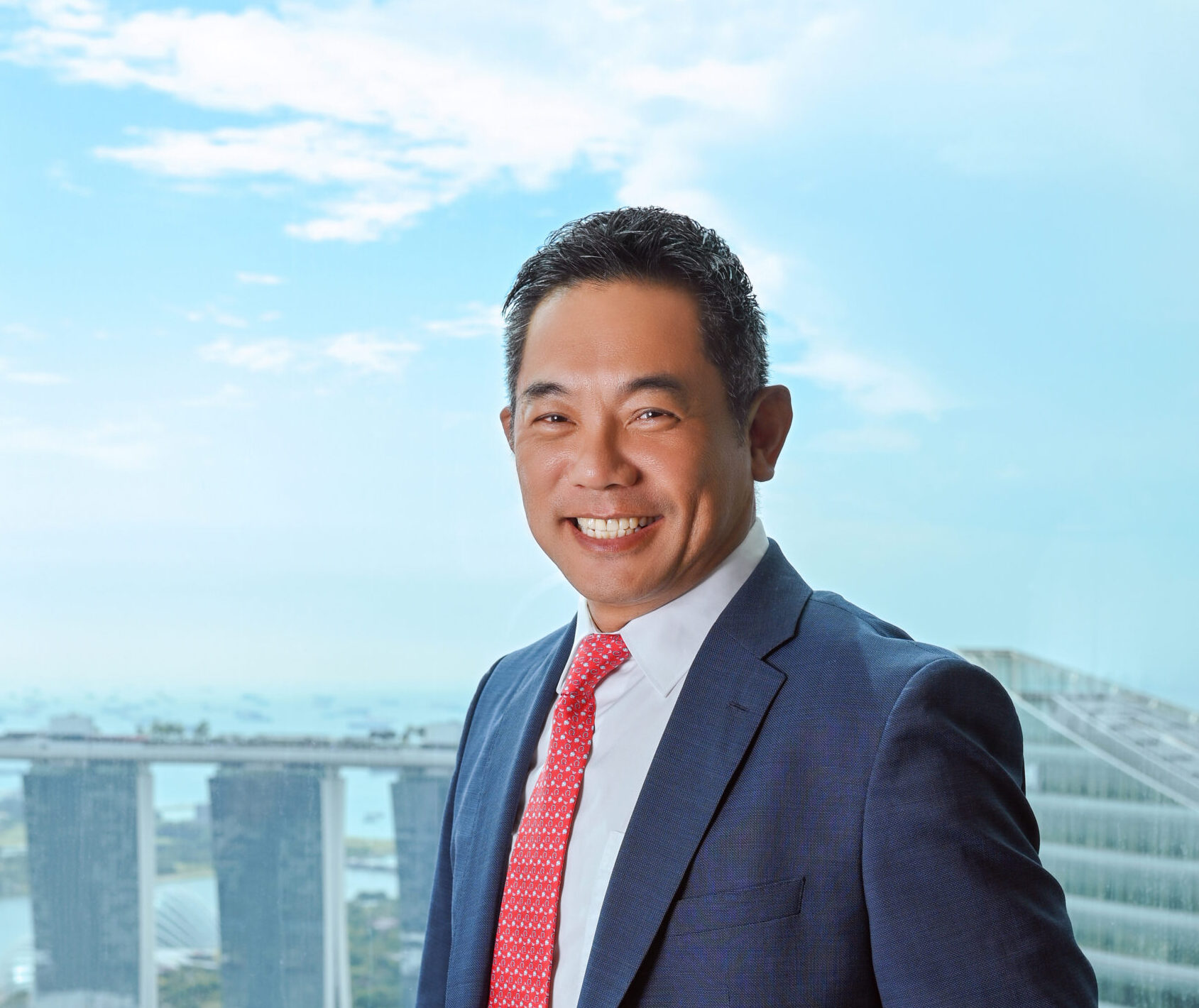
 Thiti Thongbenjamas, President of DTGO Prosperous and Hansa Susayan, Chairman of DTGO Prosperous

For DTGO Prosperous (DTP), a global investment company, keeping true to its “for all well-being” business philosophy is crucial to its future growth as it aspires to become a true global investment firm.

DTP President Thiti Thongbenjamas says the philosophy of “for all well-being” places a strong emphasis on sustainability via innovation, as well as generating positive impact for the stakeholders, customers and community.

“Global expansion is a key driver in achieving our commitment to social and environmental responsibility,” Thongbenjamas says.

Walking the Talk

At the height of the Covid-19 pandemic, the hospitality sector suffered a huge blow due to lockdown measures, which eventually resulted in staff layoffs and wage cuts.

However, DTP, which acquired 17 hotels comprising various well-known brands across the U.K. in October 2019, decided to retain all of its 1,200 hotel staff and maintain their salaries—a policy that was applied across the DTGO group of companies, including sister company Magnolia Quality Development Corp, one of Thailand’s leading property developers.

“We are in the business of people. With the acquisition, the employees are effectively our family. During challenging times, families don’t give up on each other; instead they take care of one another,” Thongbenjamas says.

The decision to keep all of its employees in the U.K. proved wise, as the hotels reaped the benefits when international borders reopened and lockdowns were lifted. DTP’s hotels were able to go at full speed immediately and serve their guests at full capacity.

More importantly, the decision has also opened more doors to new opportunities and potential partnerships that would play a key role in helping DTP achieve its expansion plans.

Driving Business Growth

DTP is focusing on brownfield projects and high-potential assets in order to generate stable and sustainable income for the group and its investors.

It has four business pillars: global investments, asset management, fund management, and venture capital and innovative investment. Its global investments business pillar is mainly responsible for investing in brownfield property assets. Its asset management pillar is largely responsible for improving its existing assets’ value with the aim of generating stable income.

Its fund management business pillar is responsible for raising capital and recycling capital in order to grow its portfolio. Meanwhile, its venture capital and innovative investment arm generally focuses on identifying potential startups that can generate long-term returns and synergize with the group’s business.

DTP currently has more than US$650 million of assets under management (AUM), including the 17 hotels in the U.K.

“By end-2025, we hope to grow our AUM to approximately US$5 billion. It may sound aggressive, but it is achievable, especially when you have a vibrant monetizing and capital recycling plan with the right partners,” Thongbenjamas says.

To achieve the goal, DTP would need to make progress in all four business groups.

Well-Being For All

Besides giving its 1,200 staff the much-needed “umbrella” during the Covid-19 pandemic, DTP also took steps to ensure that it did not neglect the community in which it operates.

The company organized various programs and activities to engage with the local community, including providing assistance and relief to the homeless.

DTP also takes environmental-related issues seriously, as it embarks on various initiatives to increase the adoption of renewable energy. It applied heat-to-power conversion technology to minimize environmental impact and reduce energy cost. It also has plans to install solar panels to further boost its efficiency.

These value enhancements, coupled with improved operational efficiency and assets have helped increase the hotels’ valuation. Today, the hotel portfolio is valued around 16% higher than when it was acquired back in late 2019.

Becoming a True Global Company

The acquisition of the 17 hotels in the U.K. was just the start of DTP’s global expansion plan. Over the next three years, the company aims to penetrate other European markets, as well as the U.S. and Asia.

Hilton Garden Inn Birmingham Brindleyplace, U.K.
Crowne Plaza Glasgow, U.K.

It is also looking to acquire and invest in student accommodation properties, in particular, those located in Australia, Germany and the U.S. DTP also plans to acquire retail properties and offices. Meanwhile, DTP is in talks to invest in various technology companies. “We are finalizing M&As with them. These companies are expected to play a synergizing role for DTGO Group’s technology and metaverse ecosystem,” he says.

Once everything is finalized, it will increase the group’s investment portfolio, which includes the American-based biotechnology company Life Biosciences and the Korean-based artificial intelligence company Mind AI.

While eyeing global opportunities, Thongbenjamas will also be keeping a close watch on Thailand.

“We will concentrate a lot on our backyard. In the coming year, there should be more opportunities for good value hospitality assets in Thailand. This is an opportunity for us to further grow our portfolio and our commitment to Thailand’s tourism, especially in popular tourist destinations such as Phuket,” he says.

Riding on Its Successful REIT Momentum

Besides seeing its U.K. hospitality business gaining traction and valuation, 2022 is a momentous year for DTP as it launched its maiden real estate investment trust (REIT) called DTPHREIT.

DoubleTree by Hilton Hotel & Spa Chester, U.K.

DTPHREIT, which is a buy-back REIT, invests in hotels and serviced apartments in high-potential areas, including Waldorf Astoria Bangkok, Magnolias Ratchadamri Boulevard Serviced Residences and U Khao Yai Hotel.

Investors of the DTPHREIT are expected to receive annual returns of 7% and the DTPHREIT will sell these properties back to their original owners when the investment period is over. The REIT was well-received as the securities were oversubscribed during the initial offer period.

“While we know that investors will enjoy the stable high return that the REIT has to offer from our high-quality assets, we were still surprised by the strong response from the investment community as this is our first REIT fund,” Thongbenjamas says.

The company is in discussions with other property owners about possible subsequent launches of similar buy-back REITs, and it is also exploring the possibility of launching a private equity fund in the near future.

Business of People

While there are big plans for each of DTP’s business pillars in 2023 and beyond, Thongbenjamas says the company will remain disciplined in its investment strategy and ensure that all its ventures, investments and acquisitions meet three criteria.

First, the assets will help the group to achieve a diversified portfolio. Second, it is able to monetize the assets by generating stable income or getting a windfall via divestment. Third, the assets are able to synergize with the group’s businesses.

“At the end of the day, we are in the business of people. Hence, it is important to always give back to society and the community,” he says. “That’s why we have a policy of contributing 2% of our topline to social and environmental causes, which is consistent with our ‘for all well-being’ motto.”

www.dtgo.com

Building A Better Future With ESG

As the fight against climate change becomes a key priority for governments and people around the world, businesses are heeding the call by placing Environmental, Social and Governance (ESG) factors at the top of their agendas. Many countries are working towards the ambitious goal of keeping global temperatures from increasing by more than 1.5 degrees Celsius above pre-industrial levels by achieving net zero emissions by 2050.

However, the task of achieving this target remains elusive, with a recent United Nations report warning that the current climate plans from governments worldwide are insufficient to limit rising temperatures. Against this grim backdrop, a rising number of companies globally are stepping up their ESG efforts to help their governments meet these targets. Investors are also reassessing their portfolios and channeling more funds toward responsible companies that operate sustainably and with clear ESG metrics.

Addressing the problem at its source, energy companies and product manufacturers are taking significant steps to reduce the environmental impact of their operations, both by embracing circular economy models and by harnessing renewable energy solutions such as solar, wind and hydrogen.

One such energy company is Malaysia’s PETRONAS, which has responded to this need for change while continuing to provide a reliable supply of energy. PETRONAS has been actively working to reduce greenhouse gas (GHG) emissions from its hydrocarbon resources, as part of its efforts to achieve net zero carbon emissions by 2050.

The company’s path to net zero supports Malaysia’s own ambitions to help limit the rise in average global temperature to well below 2 degrees Celsius. Malaysia ratified the Paris Agreement in 2016 that deals with GHG emissions and climate mitigation. As such, PETRONAS  has taken progressive steps to decarbonize its operations by undertaking and consolidating climate action activities across the group.

Real estate companies are also changing the way they do business by placing sustainability at the core of new developments, ensuring that water and energy waste are minimized while implementing eco-friendly initiatives designed to bring residents closer to nature.

Central Pattana, the property arm of Thai conglomerate Central Group, is pursuing sustainable outcomes through a variety of means, including the use of solar cell and automation systems at all its developments, and installing over 400 electric vehicle (EV) charging stations at Central shopping centers in 2022. The company is also ramping up the use of sustainability-based designs at its projects.

Collectively, these efforts will help Central Pattana elevate the quality of life of people, the communities they live in, and ultimately the planet, while striving simultaneously to become Thailand’s first mixed-use developer to reach net zero emissions by 2050.

Central Pattana’s sister company, Central Retail, is leading the charge for environmentally aware retail practices that reduce waste, cut carbon-based fuel use, and enrich the quality of life across communities. The company is fully committed to becoming Thailand’s first Green and Sustainable Retail organization. To this end, the company has set long-term goals to reach net zero by 2050 and developed short-term 2030 goals with a strategic initiative called ReNEW.

In the aviation space, Airport Authority Hong Kong (AAHK), the statutory body overseeing Hong Kong International Airport (HKIA), is committed to ESG principles. Since pledging to become the World’s Greenest Airport, back in 2012, a decade of transformation has seen AAHK look to make good on its aspiration across every applicable ESG metric. Among other initiatives, AAHK has developed a carbon management plan which includes expanding the EV fleet from all airside saloon cars to other airside vehicles, electrifying and pooling of ground services equipment at the airport, and developing innovative energy management solutions such as the award-winning Weather Forecast for Air-conditioning Control System.  

Focusing on Social Issues

While environmental considerations take most of the limelight when it comes to sustainability, companies also recognize the importance of the social and governance aspects of the equation in reaching their organizational goals.

For instance, ensuring that everyone has access to affordable financial products and services is critical when it comes to tackling the social issue of inequality globally. A large portion of the populations in many countries remain unbanked or underserved by the traditional financial system. This lack of access limits the opportunities of this group, trapping them in a cycle of poverty.

One financial services provider that has been dedicated to financial inclusion is Home Credit, which offers consumer finance solutions through its responsive mobile application, bringing credit and other financial services to millions of individuals underserved by traditional financial services institutions. Since its establishment in 1997, Home Credit has actively worked to provide a bridge to financial systems as one of three main pillars in its ESG strategy.

As the importance of ESG gains awareness in the business world, more companies are looking for guidance on how they can embark on this critical journey. Professional services firm CLA Global TS (formerly known as Nexia TS) has a long track record of working with their clients to help them reduce their carbon footprint. The firm also focuses on the social and governance aspects of ESG, as it balances the needs of people and regulators with that of the environment to promote ambitious, yet achievable targets for the companies it works with.

On November 1, the firm joined CLA Global, a leading global organization comprising independent accounting and advisory firms, as the group’s independent network member in Asia, covering Southeast Asia and China. CLA Global TS plans to play a pivotal role in developing the Sustainability Reporting and Advisory service standards within the CLA network. The firm’s Sustainability & Climate Change team has also branched out into advisory and compliance work by leveraging its experience in sustainability reporting.

As ESG continues to evolve in Asia, these companies and more are breaking new ground in the sustainability space, and shining a light towards a brighter future for all in the region and beyond.

Delivering The Future

Kawal Preet, AMEA President, FedEx Express

Supply chain disruption continues to be a pain point for businesses around Asia and the world. Many industry sectors continue to experience supply chain bottlenecks, raw material and component shortages, infrastructure issues, and continued rotating lockdowns in countries still managing the pandemic.

Within this issue, however, lies an opportunity. By collecting and using data that is continuously generated within and around the supply chains, they can be made smarter, more predictable, and controllable. This benefits FedEx, as well as its customers.

“Data and technology hold the key to unlocking and building better insights, increasing visibility and improving customer experience,” says Kawal Preet, President of the Asia Pacific, Middle East and Africa (AMEA) region at FedEx Express. “It’s no longer just information about the package, but also the environment in which the package is traveling that we’re collecting to generate those insights, and ultimately giving more control to our customers.”

Connecting Physical and Digital Networks

Every day, more than 20 million packages move through the FedEx network. Each one of them is scanned around 20 times before reaching its destination, moving in a combination of aircraft and delivery vehicles. FedEx teams around the globe need to be able to act quickly and decisively to ensure packages are delivered at the right time, and to the right place.

FedEx recognized early on how data drives innovation. Today, the analytics center in Singapore works closely with FedEx Dataworks, which is steering the company’s digital transformation using data to help optimize internal operations. The teams use machine learning, artificial intelligence and other advanced analytical methods to improve complex processes, prevent problems or make decision recommendations in real time.

“We are transforming our business to operate at the intersection of physical and digital networks, and to create even more value for our customers,” says Preet.

Big Data Powering Smart Logistics

Among the solutions recently developed is a near real-time package monitoring system that enables customer service and operations teams to anticipate issues, and take action to prevent shipments from being delayed. Predictive algorithms are used to prepare customs clearance information, ensuring that shipments can be delivered as soon as they arrive in their destination country.

In addition to parcel scanning, a sensor device can be placed inside a package or a container to transmit location, temperature and other data related to the status of the package to various types of access points throughout the FedEx network. This enhanced real-time visibility helps FedEx and its customers plan the next steps in their supply chain—for example, making sure that engineers are on site at the right time, ready to receive and install a critical spare part.

As supply chain disruptions look set to continue for the foreseeable future, logistics teams need to be able to think and act with agility. Real-time visibility into the progress of shipments in transit helps to ease some of the stresses of keeping a business on track.

“Using technology and ever greater amounts of connected, continuous and contextual data, we are transforming the way we operate,” says Preet. “Tapping into the full potential of data analytics can help us improve efficiency, reduce errors, avoid problems and increase transparency. And most importantly, deliver more intelligent supply chains for our customers.”

Leading The Franchising Boom In Asian Hospitality

Joon Aun Ooi, President, Asia Pacific, Wyndham Hotels & Resorts

As the recovery in global travel starts to gain traction, more hotel owners are looking to scale their operations by partnering with industry-leading brands through franchise agreements. Indeed, the pandemic has accelerated a trend towards franchising in the hospitality sector that started more than a decade ago.

Led by global hospitality leaders such as Wyndham Hotels & Resorts, the proportion of branded hotels globally that were franchised operations rose from 70% in 2010 to around 80% in 2019, according to STR and JLL Research. In Wyndham’s case, the formula for success can be attributed to three factors.

Firstly, Wyndham adopts an “OwnerFirst” mindset where the company constantly collaborates with owners to achieve a win-win outcome. Secondly, Wyndham prides itself on having a brand for every occasion. This enables existing and potential business partners to identify a brand suitable for their market and target guest profile. Lastly, they have robust on-ground presence in Singapore, Jakarta, Seoul, Bangkok, Melbourne, Sydney, Shanghai, Beijing and seven other cities across China to help address owners’ queries and provide support. These three key factors provide existing and potential owners with a high level of confidence when they partner with Wyndham Hotels & Resorts.

Amid challenging economic conditions, the numerous benefits of the franchising model have become increasingly attractive. Franchisees are not only able to associate their hotel with a popular brand, but also take advantage of a franchisor’s global network and expertise, training programs, round-the-clock advisory and support services, as well as access to loyalty and marketing programs.

Meanwhile, as the world’s leading hotel franchisor, Wyndham offers strong opportunities for existing and potential hotel owners to tap into an enterprise system driven by a robust portfolio of iconic brands with strong value proposition.

“We know what it takes to run a successful and collaborative franchise business model with owners.”

While management agreements remain the dominant model in Asia Pacific, the appetite for franchising has been on a good trajectory in 2022, reveals Joon Aun Ooi, President, Asia Pacific, Wyndham Hotels & Resorts.

“Asian owners are more aware of the benefits of franchising today. It gives them branding, distribution and tools to help them reduce operating costs, and the flexibility to run their hotels as they see fit while conforming to franchise standards,” he says.

Ramada by Wyndham Guilin Yangshuo Resort

Owners in the region have become more comfortable with franchising as the talent pool to support this model expands. Asia’s hotel development boom in recent years has swelled the ranks of qualified general managers (GM) and other hotel professionals in the region.

“Asia has a lot of hospitality talent available now. This enables owners to hire their own GMs and other key team players to run the hotel themselves. Due to this factor, I am more enthusiastic about franchising today compared to five years ago,” explains Ooi.

Leading the Pack

Wyndham is widely recognized as one of the leaders of the franchising model in Asia Pacific. The group aims to grow its portfolio to 2,000 hotels in the region by 2025, from around 1,600 currently. Wyndham sees strong demand coming from Greater China, Southeast Asia and the Pacific Rim.

Wyndham Garden Bangkok Sukhumvit 42 Rooftop Pool

Globally, Wyndham is the world’s largest hotel franchising company, with approximately 9,000 hotels in 95 countries across six continents. “We’ve been franchising for decades,” says Ooi. “While other chains are franchising too, we have been very active in Asia Pacific. We know what it takes to run a successful and collaborative franchise business model with owners.” Reflecting the strength of Wyndham’s franchise and owner-first strategies, existing owners made up more than 20% of its signings in 2021, with one owner in Thailand opening four new hotels under the Wyndham portfolio of brands this year alone.

Leveraging a Global Footprint

The key advantage that Wyndham offers owners is its size and global footprint, including a diverse portfolio of 22 brands. The group has deployed 15 of these brands in Asia Pacific: Wyndham Grand, Wyndham, Wyndham Garden, Dolce Hotels and Resorts by Wyndham, Ramada by Wyndham, Ramada Encore by Wyndham, Microtel by Wyndham, La Quinta by Wyndham, Days Hotel by Wyndham, Howard Johnson by Wyndham, Trademark Collection by Wyndham, TRYP by Wyndham, Hawthorn by Wyndham, Super8 by Wyndham and Wingate by Wyndham. The group plans to introduce Wyndham Alltra, an all-inclusive resort brand, in Asia Pacific by 2023. 

Hotel Sol Halong Bay Trademark Collection by Wyndham

The versatility and diversity of the brand portfolio provide franchisees with a wide range of options to meet their unique needs and help them to capture profitable opportunities.

Wyndham partners also benefit from the group’s expansive network of relationships with major online travel agents (OTAs) and distribution partners. Due to Wyndham’s global reach and pool of more than 95 million Wyndham Rewards members, the group can negotiate favorable rates on their franchisees’ behalf. Owners can save on the costs of OTA bookings by taking advantage of these competitive rates, as well as brand marketing efforts that drive guests to direct channels. 

Microtel by Wyndham Sanya Dadonghai

Owners also enjoy the full backing of Wyndham’s highly experienced support team to assist them in their day-to-day operations. Franchisees have round-the-clock access to an online portal, including comprehensive best practices tools in operations and marketing, as well as a direct line to Wyndham support experts. 

Meanwhile, Wyndham’s team of revenue management experts works to optimize property rates and inventory availability for franchisees with the goal of increasing property revenue and market share. Owners can also leverage Wyndham’s Architecture, Design and Construction team to guide them through each step of a new build or conversion process for projects of all sizes.

Winning with Wyndham Rewards

On the marketing front, owners can tap into the award-winning Wyndham Rewards platform. The program, along with Wyndham’s comprehensive and targeted cross-selling efforts, helps connect a franchised hotel with over 95 million loyalty members. Wyndham Rewards offers guests more than 50,000 redemption options around the world, helping ensure repeat business for franchisees. Most recently, Wyndham Rewards clinched Gold at the 2022 Loyalty & Engagement Awards organized by Marketing Interactive. This win is highly significant as it reflects the high level of acceptance and trust the program has among hotel guests and partners in Asia Pacific.

Looking ahead, Ooi says that he believes the recovery in Asia Pacific’s hospitality sector can only bode well for Wyndham’s franchise strategy in the coming years. “More than ever, the challenges of the pandemic have underscored the importance of hotels being affiliated with established, globally known brands. We know what it takes to run a successful and collaborative franchise model, and that’s driving increased interest in our offerings, a trend we expect to continue throughout 2022 as hotels look to further their recovery.”


www.wyndhamhotels.com

Heat Is On For Companies To Strengthen ESG Practices

Environmental, Social and Governance (ESG) investing, once considered a trend for millennials and younger investors, is fast gaining traction as a mainstream requirement for global corporations as the climate crisis intensifies. 

The historic 2015 Paris Agreement on climate change saw 195 countries and the European Union signing up to a common goal of keeping global temperatures from increasing more than 1.5 degrees Celsius to achieve climate neutrality by 2050, thereby ensuring that carbon emissions and removals offset each other.

The World Meteorological Organization, the foremost authority on global climate, says in its latest report that the odds for the world hitting the target of a yearly average of 1.5 degrees Celsius are 50-50. There is also the likelihood that the five years from 2022 to 2026 will be the hottest on record.

The good news is that an increasing number of organizations, from financial institutions and energy companies to real estate developers and leading manufacturers, are rallying behind governments to reduce carbon footprints and strengthen ESG efforts to achieve net zero targets.

Investors, both retail and institutional, are also aligning their portfolios to ensure that their money goes to responsible companies with clear ESG metrics—ranging from carbon footprint reduction, energy efficiency improvements, employee health and safety to product sustainability, the integrity of the company’s board of directors, and diversity and inclusion efforts across the organization.

One of the financial institutions guiding clients toward ESG investing is LGT Group, the world’s largest family-owned private banking and asset management group based in the microstate of Liechtenstein, a well-known economic powerhouse in Europe. The bank—owned by the Princely Family of Liechtenstein, who, as an entrepreneurial family, has transferred wealth across 26 generations for almost 900 years—provides wealth management services to private banking clients with sustainability as a core focus.

Another banking group, HSBC Global Private Banking, has research figures that indicate more than 82% of investors in mainland China, Hong Kong, Singapore and the United Kingdom rate sustainable, environmental and ethical issues as “quite” or “very important” to their investments. The bank is helping investors to future-proof their investment portfolios by choosing companies that are ESG-focused as they tend to deliver stronger earnings. With HSBC’s guidance, investors will also be able to invest while supporting the global movement towards a more sustainable and equitable future.

Product manufacturers, on the other hand, face different challenges as they need to utilize finite raw materials for production. But that is not stopping forward-thinking manufacturers from doing their bit to mitigate global warming.

Indonesia-based Asia Pacific Resources International Limited (APRIL Group), one of the largest pulp and paper producers in the world, has in place a one-for-one sustainability goal whereby every hectare of land used for commercial plantation is matched with an equal size of land set aside for conservation. At the company’s mills, 90% of the energy requirements come from renewable sources. APRIL Group also invests a dollar for every ton of fiber that is delivered to the mill, ensuring about US$100 million for conservation and restoration over the next 10 years. The company is leading by example to demonstrate that sustainability is not a zero-sum game and the pursuit of ESG goals need not be at the expense of profitability.

State-owned oil and gas companies are also rebranding themselves as “energy” companies as they transition towards carbon neutrality. One such company is Pertamina, Indonesia’s largest integrated energy company, whose biggest challenge today is energy security—or ensuring the uninterrupted supply of energy at an affordable price across an archipelago of more than 17,000 islands with a population of over 270 million. The company has rolled out several ESG programs and initiatives, such as developing an ecosystem that supports electric vehicles; introducing the use of biogas and waste materials in rural areas; recycling cooking oil; and promoting the conservation and restoration of the coastal and marine ecosystems. Pertamina is also building more solar power plants and harnessing renewable energy from hydro, geothermal and hydrogen as it journeys toward achieving net zero targets in line with the national agenda.

Meanwhile, in the real estate industry, Hong Kong-based Sino Group has signed on to support the United Nations Global Compact in 2020, as well as Business Ambition for 1.5°C and the Task Force on Climate-related Financial Disclosures in 2021, becoming one of the first real estate developers in Asia to commit to the global calls-to-action to contribute to a more sustainable future. The Group, having established its presence in Hong Kong for more than 50 years, is also setting targets to achieve net zero carbon by 2050. Guided by its “Creating Better Lifescapes” credo, Sino Group has introduced a wide range of eco-friendly and green initiatives to bring communities closer to nature.

Malaysia’s top corporations are also faring well in sustainability performance while transitioning towards carbon neutrality.

Top Glove, the world’s largest maker of gloves, headquartered in Malaysia, has not only set clear sustainability goals to achieve by FY2025, but it is also holding its management accountable with 40% of the team’s remunerations tied to ESG performance. Today, Top Glove has more sustainable products on offer, such as biodegradable nitrile gloves that can degrade at least 10 times faster than regular gloves, while their factories are increasingly shifting toward greater reliance on solar energy.

For Malaysia’s energy company, PETRONAS, the journey towards sustainability is via the circular economy model: by eliminating waste and pollution, circulating products and materials, and regenerating nature. Moving away gradually from activities that involve the consumption of finite resources, the global company, with a presence in more than 50 countries, is now providing renewable energy such as solar technology solutions and low-carbon fuels like natural gas as part of its energy offerings. In the past three years, PETRONAS has seen a threefold increase in demand for its clean energy and it will continue to scale up in this direction, possibly adding hydrogen as an alternative energy source.

Leveraging Technology To Drive Sustainability

PETRONAS redefines the future of energy with its hydrogen-derived energy solutions.

PETRONAS has been increasingly adopting technology to drive its sustainability goals over the past two decades, underscoring the importance of the energy giant’s sustainability agenda in everything it does to safeguard people, planet and profits for generations to come.

The company continues to institute positive changes by elevating its operational excellence and optimizing costs, while investing boldly in technologically driven solutions. These investments will shape the future of energy as the industry gradually transitions into a lower carbon economy through the reduction in greenhouse gas emissions.

Hydrogen Energy Technology

While fossil fuels remain as a key source of energy around the world, PETRONAS is redefining its offerings by investing in hydrogen-derived energy as a cleaner source of fuel.

Today, hydrogen is one of the many complementary clean energy vectors that can be transformed into sustainable energy. This helps to protect the environment as hydrogen-derived energy lessens dependency on fossil fuels, lowers pollution and cuts greenhouse gases that are harmful to the earth.

Developing new solutions such as hydrogen-derived energy demonstrates the company’s commitment to sustainability. To drive this new journey, PETRONAS Hydrogen was established in 2020 under the group’s Gas and New Energy business division, which aims to become an end-to-end solution provider of hydrogen.

PETRONAS builds upon its experience in extracting blue hydrogen from its facilities and as a world-renowned reliable LNG supplier to expand its renewable energy portfolio and vast natural gas resources. The company has collaborated with Malaysia’s hydropower suppliers to explore commercial production of green hydrogen by leveraging on Malaysia’s rich and renewable natural resources.

PETRONAS has collaborated with both long-standing and new customers to develop a competitive hydrogen supply chain. Through these partnerships, PETRONAS is pursuing projects such as the optimization of blue and green hydrogen production and conversion of liquid hydrogen into ammonia or methylcyclohexane as a solution to store and transport hydrogen. With such projects, the company’s continued engineering innovations as well as research and development capabilities, PETRONAS believes that it can provide clean and cost-competitive hydrogen solutions to its customers.

From Biomass to Energy

PETRONAS’ innovative technology produces Bio-MEG from palm biomass.

Another sustainable initiative PETRONAS is investing in is the world’s first direct conversion technology, which converts palm biomass into renewable products. This innovative technology uses palm oil’s empty fruit brunches, a sustainable material that does not interfere with food chain supply, to create Bio-MEG.

Driven by PETRONAS Chemicals Group Berhad (PCG), this initiative demonstrates PETRONAS’ commitment to sustainability. The company has plans to create value by converting abundantly available biomass in Malaysia into a sustainable alternative feedstock, aimed at creating renewable chemical products for markets such as packaging, textiles, automotive and electronics. PCG will showcase these production capabilities through an integrated pilot facility in 2022.

As a progressive energy company, PETRONAS aims to reduce carbon emissions and is committed to be part of the solution to manage the impact of climate change by developing innovative solutions for generations to come. The company’s diversified energy portfolio, along with its evolving new energy business, will provide a platform for cleaner energy solutions for a more sustainable future.

www.petronas.com/sustainability