Asia is on the cusp of the largest intergenerational wealth transfer in its history, with an estimated US$5.8 trillion expected to change hands by 2030. For the region’s entrepreneurs and business-owning families, however, transferring their fortunes is proving to be far more difficult than accumulating it.
Many of today’s wealthy families have built businesses, investments and property portfolios that cut across multiple jurisdictions, currencies and generations. A founder may operate businesses in more than one market, own international real estate and have children studying or living overseas.
Preserving and passing on wealth in this context requires navigating different legal systems, tax regimes and family dynamics, making succession planning far more challenging than it was a decade ago.
Yet despite the scale of the wealth transfer under way, many families remain unprepared. HSBC Life’s latest research, HSBC Life – From fragility to fortress across generations: Navigating the evolving legacy landscape in Hong Kong and mainland China, found that roughly two-thirds of high net worth individuals (HNWIs) in Hong Kong and mainland China do not have a formal legacy plan in place.
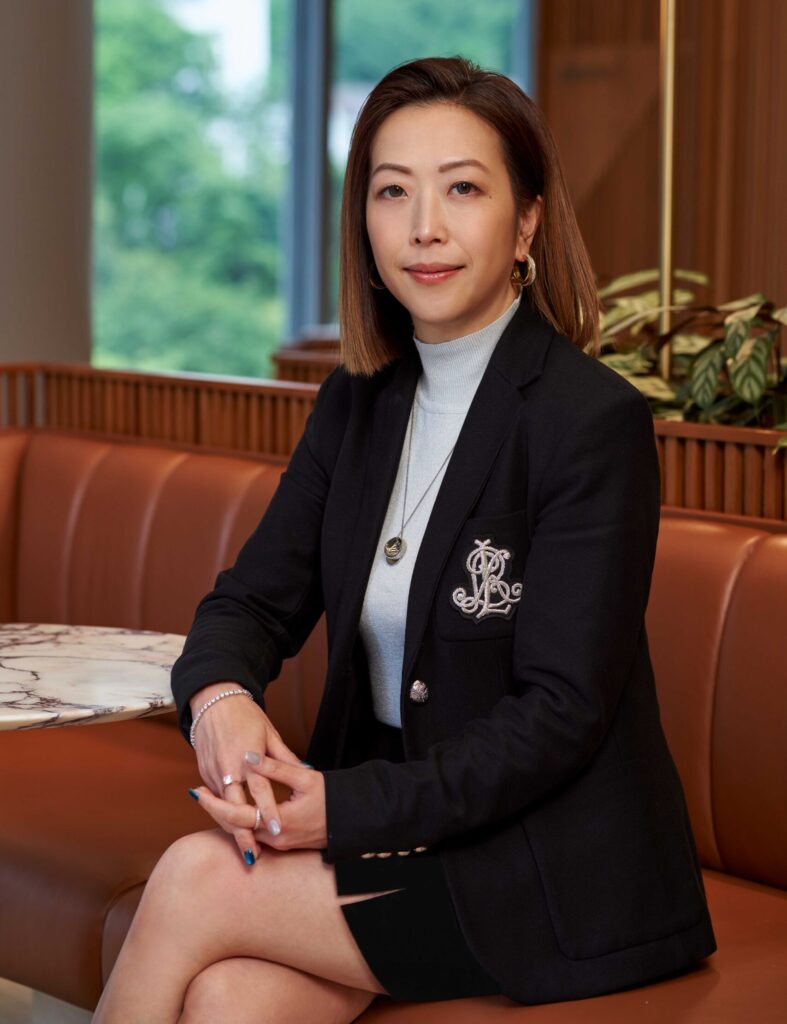
“When we speak with these highly successful founders, we find that the hesitation is not really about a lack of desire to plan. It actually comes down to the sheer mechanical complexity of the task,” says Daisy Tsang, Co-CEO, Insurance, HSBC.
Historically, wealthy families relied on a fragmented network of lawyers, tax advisors, private bankers and other specialists to manage succession matters. But as family wealth becomes increasingly international, this approach is becoming harder to coordinate. According to HSBC Life, 69% of HNWIs in Hong Kong and 47% in mainland China regard managing multiple advisors as a burden.
As a result, wealthy families are increasingly seeking integrated solutions and institutional partners capable of bringing together specialist expertise under a single, coordinated framework. HSBC Life describes this role as that of a “Master Architect,” partnering with leading industry specialists to bring together insurance, wealth, trust, tax and legal expertise to help families navigate increasingly complex succession needs.
For instance, eligible HSBC Life clients can now access the newly launched value-added service—a one-to-one legacy planning consultation service provided by global professional advisors. The service offers guidance on areas such as multi-jurisdictional estate planning, trust structures and family governance, without clients having to coordinate multiple advisors themselves.
Why Insurance Works in Succession Planning
As succession planning becomes more complex, life insurance is moving beyond its traditional role as a protection product. Life insurance has become the most widely used or considered legacy planning tool among affluent clients, with 80% of HNWIs in Hong Kong and 92% in mainland China viewing it as a primary instrument for wealth transfer.
The appeal lies in three characteristics that are particularly relevant to entrepreneurial families: liquidity, privacy and governance.
Liquidity can be crucial during periods of transition, when family wealth may be tied up in operating businesses, real estate or other illiquid assets. In the event of a founder’s death, heirs may need immediate access to capital to support family members, maintain business continuity or meet tax obligations.
“To go through the probate process can take a lot of time. But with insurance, it is highly liquid upon claims. Our largest claim last year was paid directly to beneficiaries within five working days,” Tsang says.
Privacy is another important consideration. Even where formal wills exist, inheritance disputes can become public, exposing sensitive family information and potentially damaging both family relationships and business reputations. Insurance proceeds, by contrast, can generally be transferred with less public visibility.
For many wealthy families, however, governance may prove to be the most compelling feature. Research shows that concerns about heirs mismanaging wealth rank among the top anxieties for affluent families, particularly in mainland China.
Rather than leaving heirs an unrestricted windfall, many founders want their wealth to support and incentivize the next generation’s long-term success. To address this issue, today’s insurance structures enable wealth to be distributed in stages and linked to specific milestones.
“Founders can set up staggered, milestone-linked distributions, helping ensure that capital is used to build upon their legacy rather than diminish it,” Tsang explains.
Examples might involve releasing funds only when heirs complete tertiary education, start a business or reach a certain age, providing both financial support and incentives for personal development.
Reflecting this shift, HSBC Life recently introduced the HSBC Luminous Global Insurance Plan, a whole-of-life solution designed to help founders preserve and transfer wealth across multiple generations. The plan enables policyholders to tailor how and when wealth is distributed, including linking transfers to personalized life events and milestones, while allowing future ownership of the policy to be passed to subsequent generations according to the family’s wishes.
This level of product customization reflects a broader institutional capability that has made HSBC Life a trusted, long-term partner for high net worth clients. Driven by this specialist expertise and global track record, HSBC Life was recognized globally at the Euromoney Private Banking Awards 2026 as the “World’s Best Insurance Provider for Wealth Management.”
“We are seeing many founders move beyond asking, ‘How much do I leave?’ to asking, ‘What is the purpose of this wealth?’”
– Daisy Tsang, Co-CEO, Insurance, HSBC
Beyond Wealth to Purpose
While preserving capital remains important, many founders are equally concerned about passing on family values and a sense of purpose to future generations.

“We are seeing many founders move beyond asking, ‘How much do I leave?’ to asking, ‘What is the purpose of this wealth?’” says Tsang.
Legacy planning is increasingly becoming an exercise in family governance, education and continuity. To support this agenda, institutions are expanding beyond traditional financial advice to provide access to expertise spanning family governance, intergenerational well-being and long-term stewardship.
Another newly launched value-added service—the Wisdom Heirloom Legacy Service, enables families to preserve their stories and values through personalized initiatives such as creating a family motto, documentary or Book of Wisdom by the leading art and cultural figures in Hong Kong.
At the same time, families are paying closer attention to the factors that can shape long-term quality of life across generations. As climate risks intensify, through heatwaves, degraded air quality and evolving disease patterns, protecting well-being is becoming a bigger part of the legacy conversation. Complementing this is H+ Bespoke Multi-Gen Membership, developed in partnership with Humansa, which provides eligible families with personalized health and longevity support across three generations, recognizing that preserving human capital can be just as important as preserving financial capital.
For Asia’s entrepreneurs, transferring wealth may be their final entrepreneurial challenge. Yet as family fortunes become more global and multifaceted, the greatest risk may not only be market volatility or economic uncertainty; it may simply be failing to plan.
For founders who have spent a lifetime building enduring businesses, ensuring that their wealth, values and vision survive beyond their own generation may be their most important legacy of all.”