Macao: A Gateway To New Opportunities For Global Growth

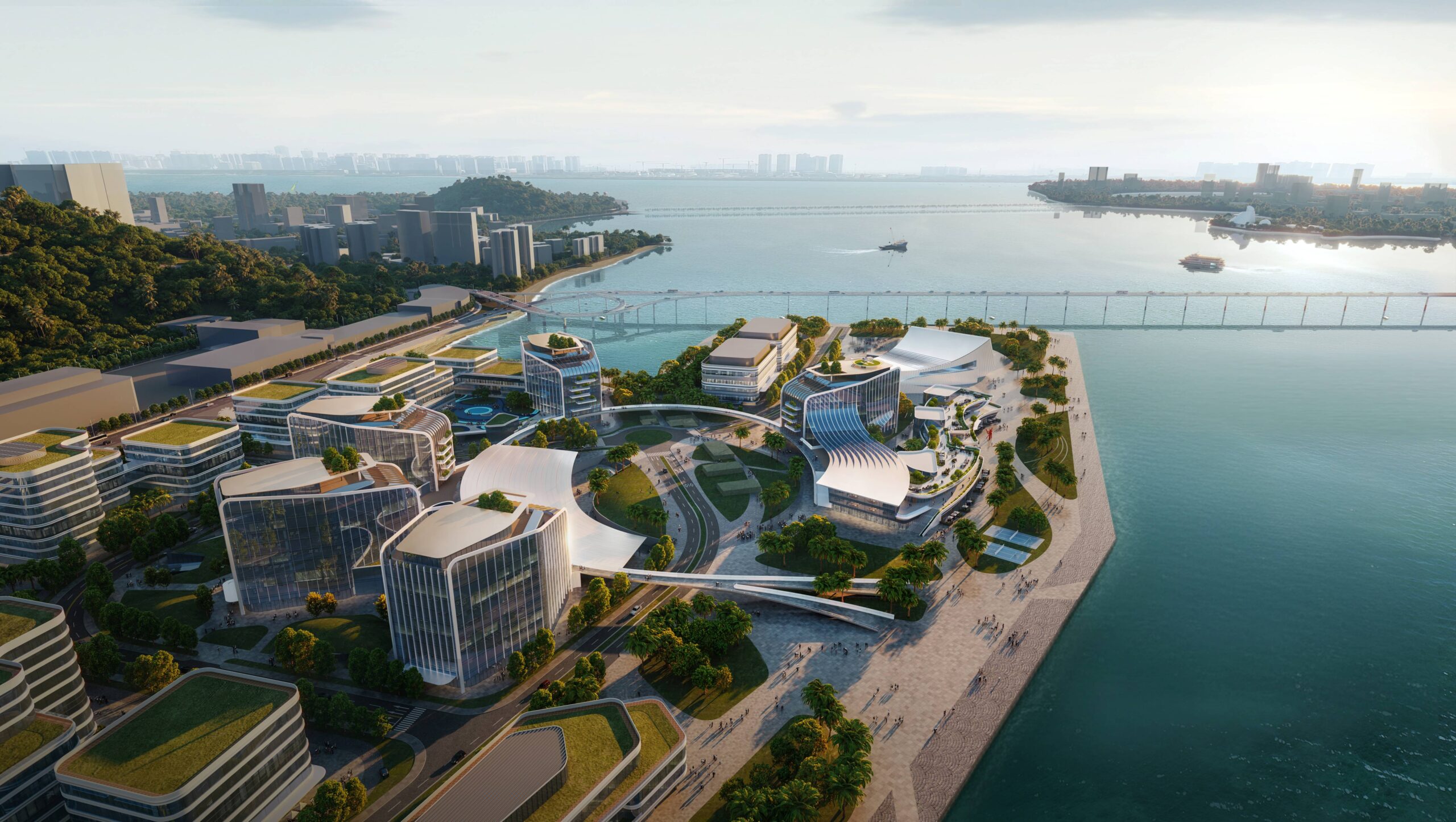
A rendering of Macao Sci-Tech Park, which will support R&D in biomedicine, digital technology, integrated circuits, aerospace and other advanced technologies.

For generations, Macao’s identity in the global imagination was defined by its vibrant cultural heritage, world-class entertainment and iconic skyline. Today, a quieter yet far more profound story is unfolding. The city is reinventing itself as one of Asia’s most compelling gateways for international business and private capital.

The underlying proposition is straightforward: in an era where global trade pathways are being constantly redrawn, businesses need a trusted, well-connected base to expand into China. Meanwhile, Chinese enterprises are seeking reliable springboards into international markets. Macao sits at the heart of this convergence.

Operating under the “One Country, Two Systems” framework, the city offers a familiar, internationalized legal framework rooted in civil law tradition, free flow of capital and a corporate tax rate capped at 12%.

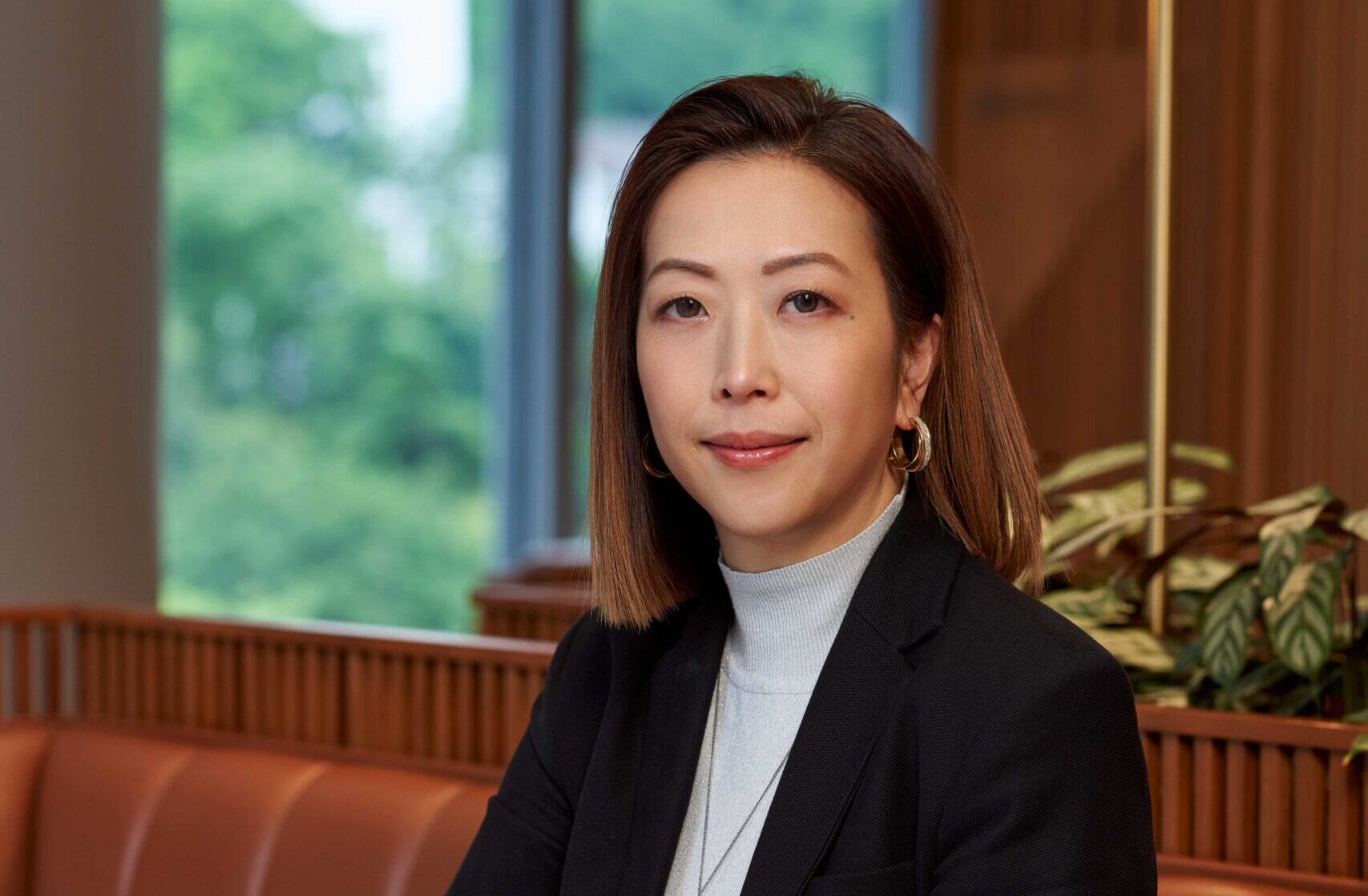
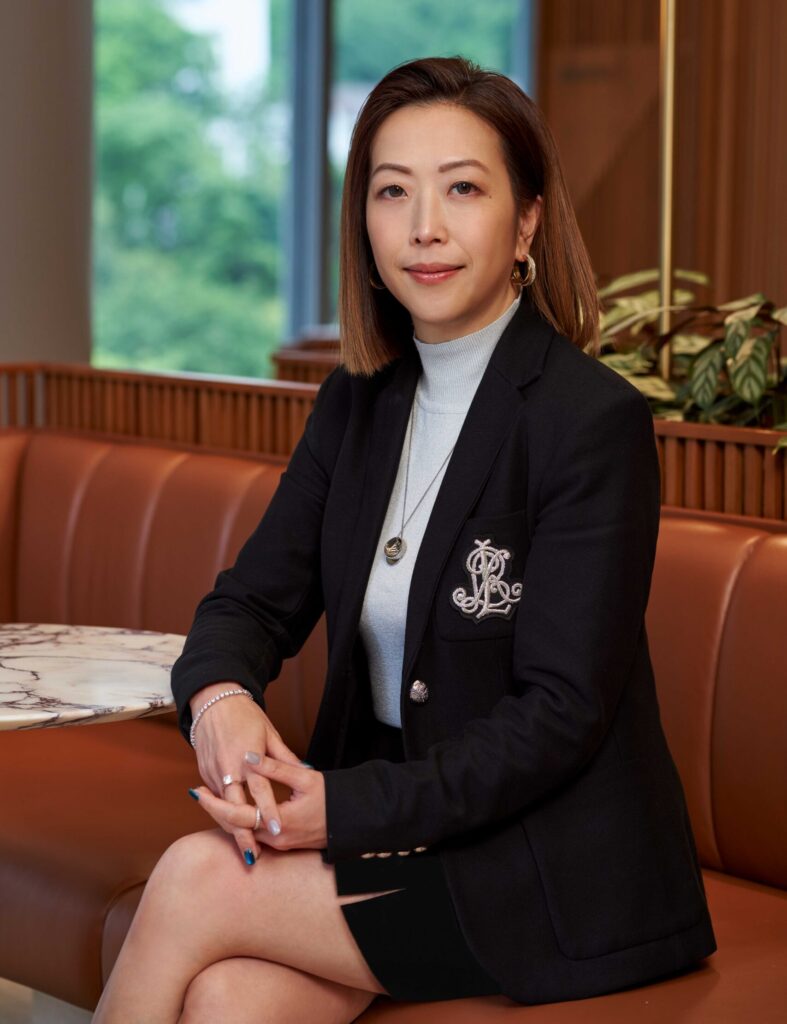
“As Macao develops its high tech and big health sectors, attracting the right talent and providing the right policy and financial support will be crucial,” says Alex Che, President of the Board of Directors of the Commerce and Investment Promotion Institute (IPIM) of the Macao SAR. “Our aim is to create a stable and attractive business environment where companies can establish themselves, implement projects and grow.”

Connecting Business, Bridging Worlds

What gives Macao its competitive edge is not just its distinct legal system but its connections across the Guangdong–Hong Kong–Macao Greater Bay Area. Just across the water lies the Guangdong-Macao In-Depth Cooperation Zone in Hengqin, a 106-square-kilometer territory designed to give Macao-based businesses room to scale.

The “Macao R&D, Hengqin commercialization” model offers businesses a practical route from research to production. Companies can develop technologies and protect intellectual property within Macao’s internationalized legal framework, then tap Hengqin’s space and industrial capacity to bring products to market. Simplified cross-border capital management and a preferential 15% corporate income tax rate for eligible companies in Hengqin support this arrangement, alongside access to the Chinese mainland’s supply chains, manufacturing expertise and tech talent.

Macao’s historical ties with Portuguese-speaking countries position it as a commercial platform for China to access markets encompassing approximately 300 million people across Europe, Latin America and Africa, as well as the wider Spanish-speaking world. Its double taxation agreements further support its role as a base for structuring cross-border investments, helping reduce double taxation on income covered by those agreements. Together, these advantages strengthen Macao’s appeal to family offices, private equity investors and multinational firms.

A Blueprint for Diversification

“We want Macao to be a place where research becomes business—and business goes global,” says Che. “The Macao Sci-Tech Park and government guidance fund are being developed to help companies make this journey.”

Under Macao’s Third Five-Year Development Plan (2026–2030), targeted investment in major economic diversification projects is expected to reach approximately 130 billion patacas (US$16.2 billion). The primary objective is clear: deepen Macao’s economic diversification and drive non-gaming industries toward a sustainable share of around 60% of GDP by 2030.
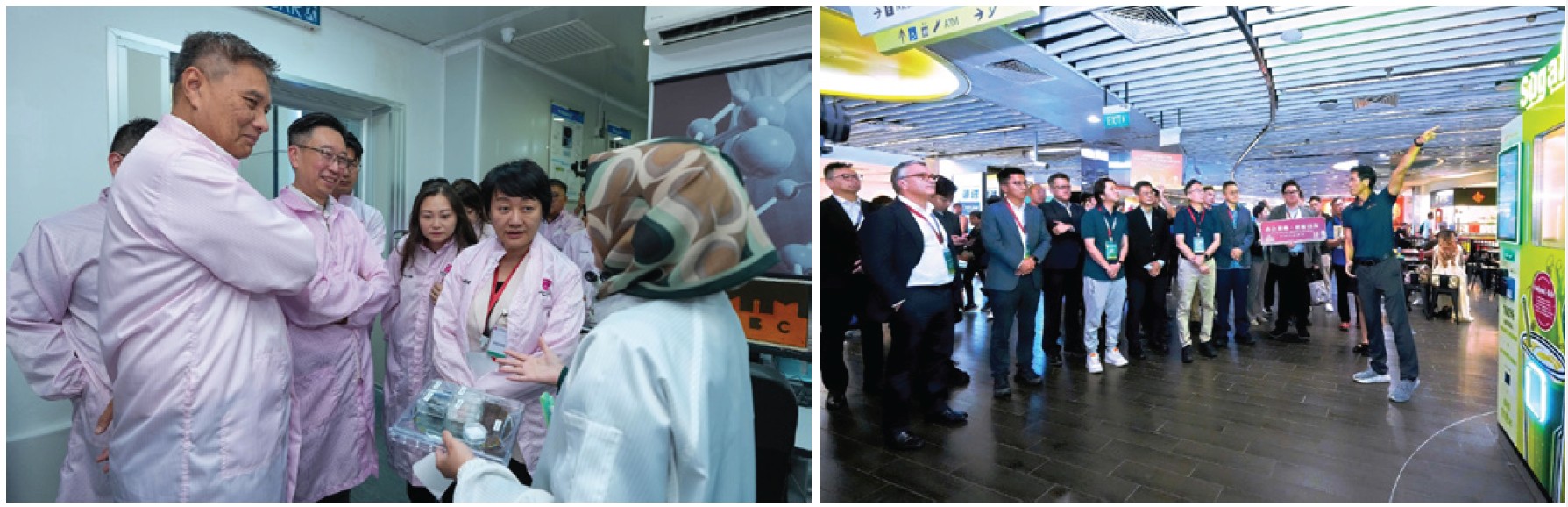
Site visits enable delegates to gain a deeper understanding of local developments and explore opportunities for cooperation in Macao’s “1+4” industries.

At the core of this transformation is the Macao SAR Government Guidance Fund, designed to attract private investment by providing public-private matching capital. Co-investment is intended to help reduce entry risk for private equity firms, venture capital investors and family offices seeking early-stage opportunities across the city’s “1+4” strategy for industrial diversification. Alongside integrated tourism and leisure, the strategy prioritizes big health and biomedicine, modern finance, high technology, and a broader grouping encompassing conventions and exhibitions, commerce and trade, culture and sports.

Macao also offers targeted tax incentives for fund management businesses. Taxable income from authorized fund management activities is subject to a concessionary 5% corporate income tax rate, compared with the standard rate of up to 12%. Performance fees earned from managing private equity funds are exempt from corporate income tax. Additional incentives include stamp duty exemptions for fund management activities and a one-time property transfer stamp duty exemption for purchasing one non-residential property for the company’s own use.

The Macao Sci-Tech Park will support R&D in biomedicine, digital technology, integrated circuits, aerospace technology and other advanced technologies. Planning and design are scheduled for completion in 2026, with the first construction project targeted to become operational by 2030. Paired with Hengqin’s industrial capacity, the park will help companies move from research and incubation in Macao to commercialization and scale across the border.

Real-World Traction: The ASEAN Connection

Macao’s role in connecting businesses across markets was demonstrated during a recent Macao SAR government mission to Singapore, Malaysia and Indonesia, with IPIM organizing business exchanges. The tour delivered concrete commercial results, securing 189 cooperation agreements and hosting over 370 targeted business-matching sessions across biopharmaceuticals, cross-border e-commerce, halal certification and financial services. The breadth of sectors involved indicates the connections established are extending well beyond conventional trade.
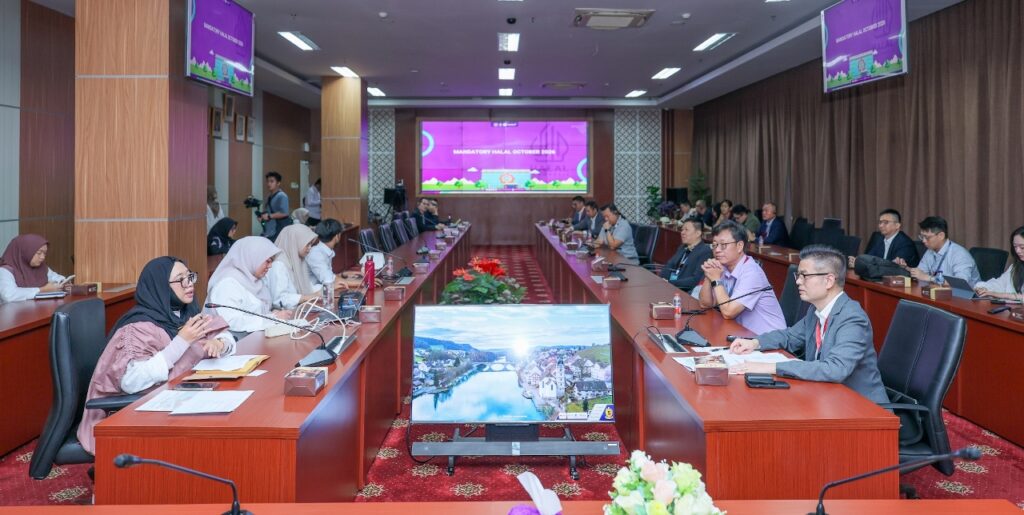
IPIM led a delegation to Jakarta, Indonesia, to visit leading enterprises and government agencies, including Indonesia’s Halal Product Assurance Organizing Agency, and explore opportunities for bilateral cooperation.

One agreement links the Macao International Technology Industry Centre (MITIC) with Kimia Farma, a leading Indonesian state-owned pharmaceutical company. Kimia Farma has an expansive network of over 1,000 retail pharmacies and deep local distribution expertise. The agreement aims to bring high-quality pharmaceutical products from the Chinese mainland and Macao into Indonesia’s vast healthcare market.

The partnership illustrates how Macao can connect pharmaceutical suppliers with an established local distributor to facilitate entry into a new market. In Latin America, Macao’s connections with Brazil also provide a foothold from which businesses can explore the region’s Spanish-speaking markets.

In April, an IPIM-led business mission to Portugal and Spain delivered 220 business-matching sessions and 109 signed projects, offering a tangible measure of the commercial activity these connections are already generating.

“These exchanges help companies understand how they can work together, from technology development to reaching new customers,” says Che. “That practical understanding is what helps turn a promising connection into a workable project.”

A Forward-Looking Partner for Global Capital

As business leaders and investors look across Asia for their next chapter of expansion, Macao presents a compelling combination of institutional stability, strong government backing, a competitive tax environment and multi-market access. Through IPIM’s dedicated “One-Stop Service,” companies receive assistance from initial registration to operational setup.

For investors, that may ultimately be Macao’s most compelling proposition. Its commercial potential is no longer defined by the size of the territory itself but by the scale and diversity of the markets it brings within reach.
www.ipim.gov.mo


Creating Unforgettable Memories At The Fullerton Hotels And Resorts

Located in the metropolises of Singapore, Hong Kong and Sydney, The Fullerton Hotels and Resorts presents an ideal base to experience these wonderful cities thanks to its unique blend of heritage, elegance and warm hospitality. Whether you are looking for an exquisite suite in a historic gem or a picturesque retreat to unwind after a day of experiential activities or simply savour local flavours, The Fullerton Hotels and Resorts is your sweet home away from home, where you can create your own fond memories.

The Fullerton Hotel Singapore

The Fullerton Hotel Singapore

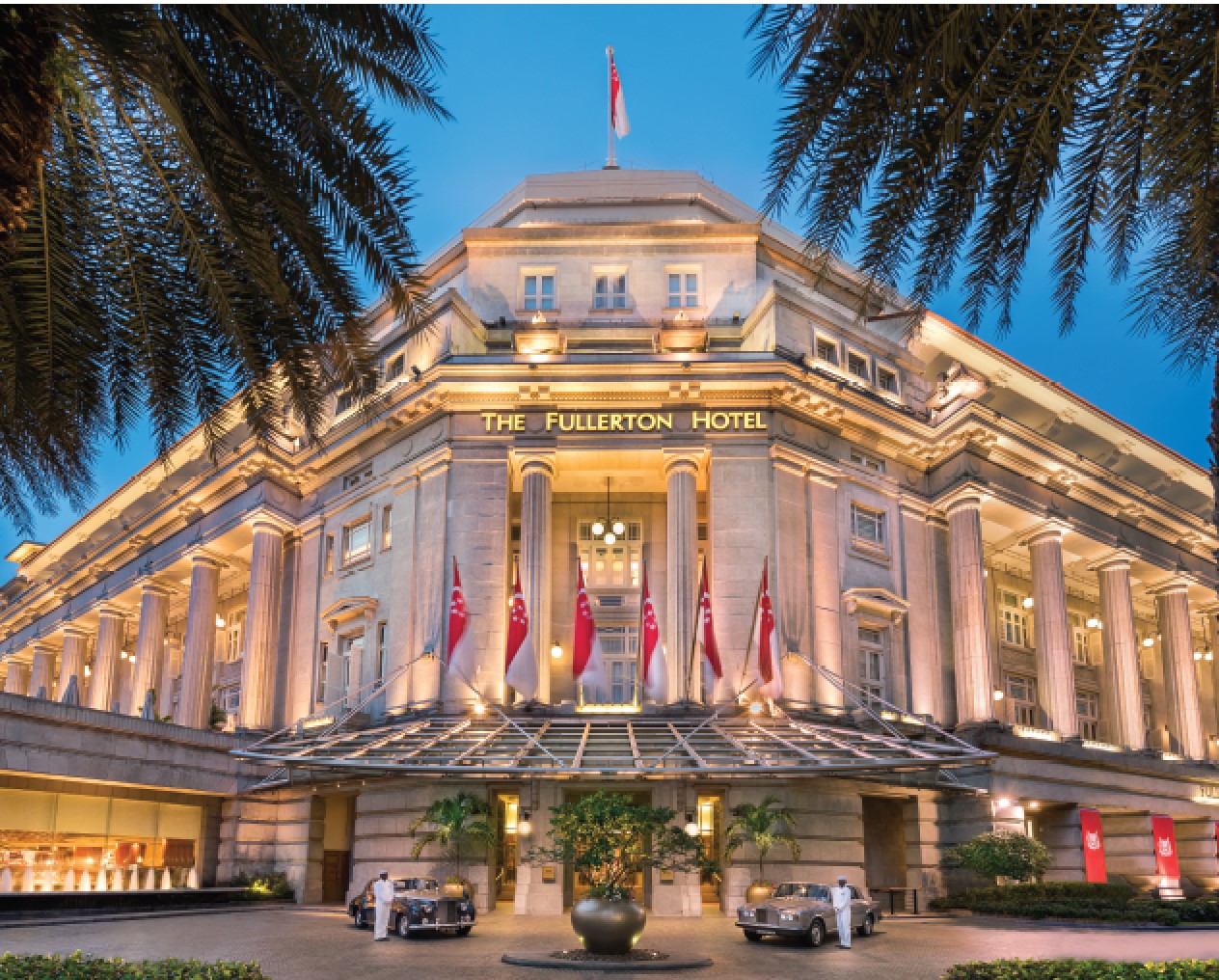
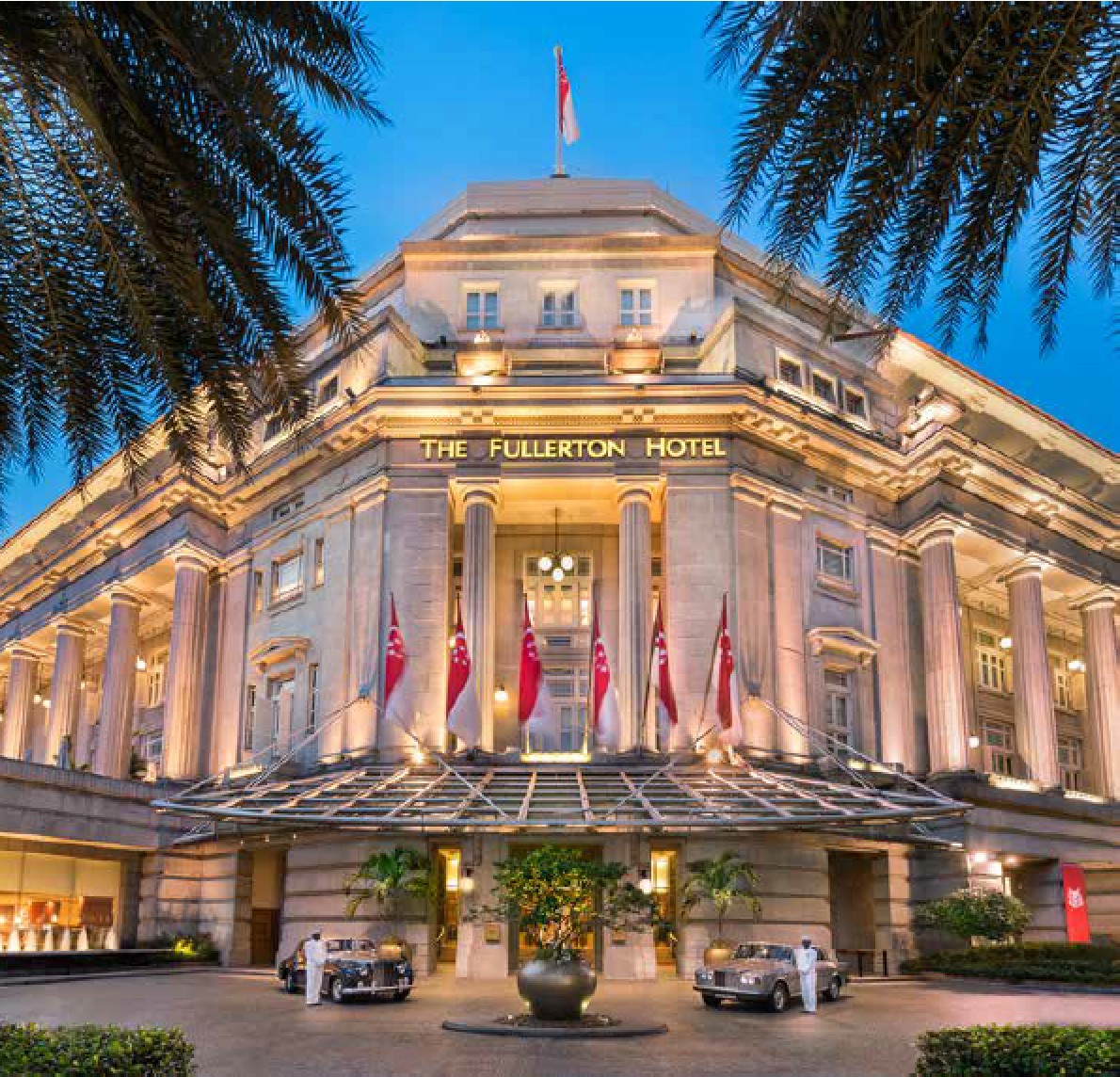
Located by the scenic Marina Bay and revitalised from a magnificent neoclassical landmark completed in 1928, The Fullerton Hotel Singapore is the embodiment of history meeting modernity. Steeped in Singapore’s illustrious history, the 400-room hotel gracefully blends heritage with modern elegance, offering guests an experience of impeccable comfort and hospitality. Fondly called ‘Mile Zero’, this iconic building once served as the point from which Singapore’s roads were mapped. Its storied history includes roles as the General Post Office, the prestigious Singapore Club and various government departments. The architecture was gazetted as Singapore’s 71st National Monument in December 2015.

The Fullerton Bay Hotel Singapore and The Clifford Pier

The Fullerton Bay Hotel Singapore

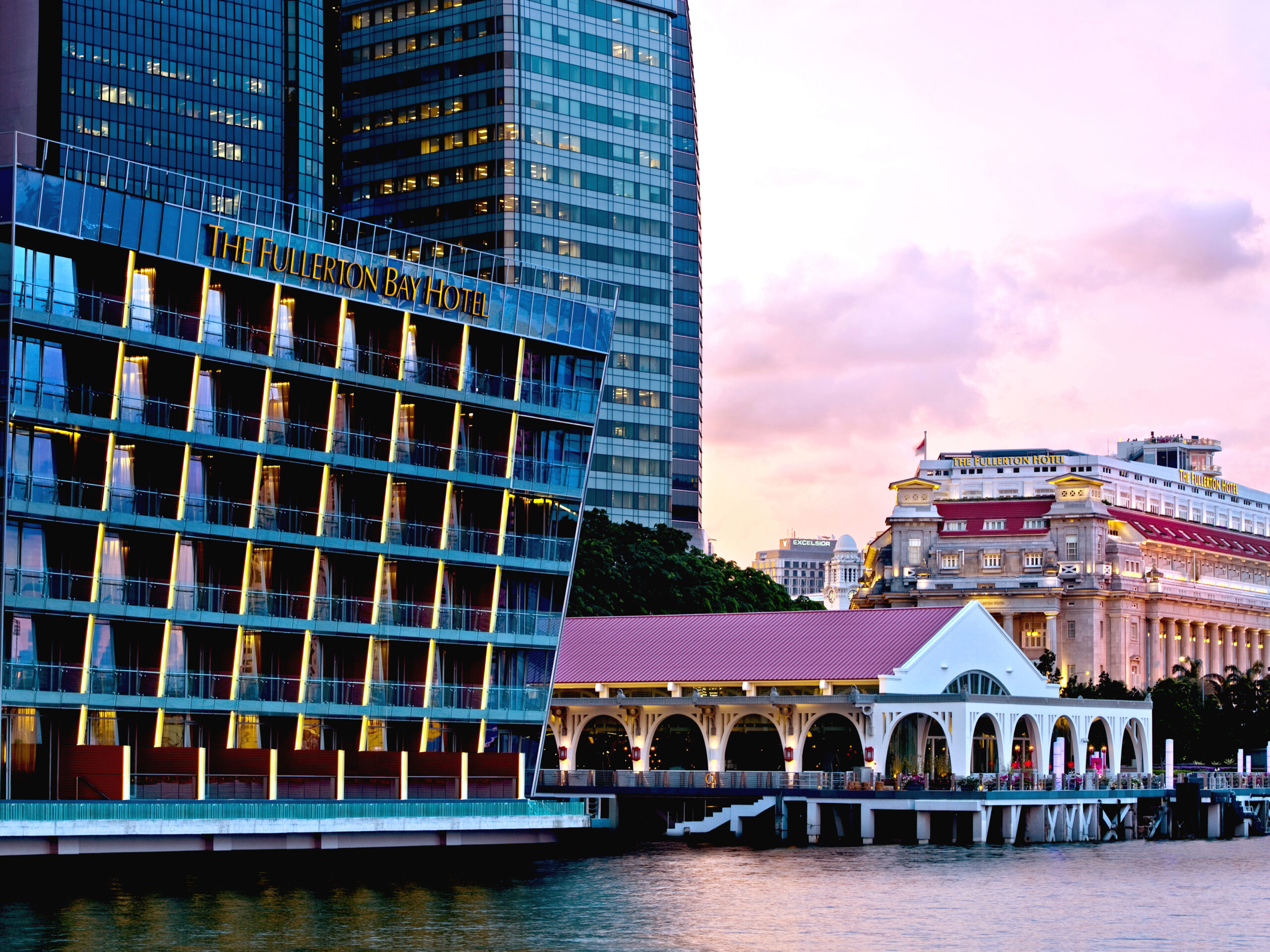
Built on the shimmering waters of Marina Bay, The Fullerton Bay Hotel Singapore and its destination restaurant, The Clifford Pier, are ideal for discerning guests to experience Singapore. Styled by acclaimed designer André Fu, this architectural gem makes the most of its location with spectacular views and attentive services, attaining the Forbes Travel Guide Five-Star rating. Each of the 100 opulent rooms and suites offers mesmerising views of the iconic Singapore skyline. Guests can indulge in the 25-metre rooftop pool, or savour classic French cuisine at the chic bistro, La Brasserie, while enjoying panoramic views of Marina Bay.

The Fullerton Ocean Park Hotel Hong Kong

The Fullerton Ocean Park Hotel Hong Kong

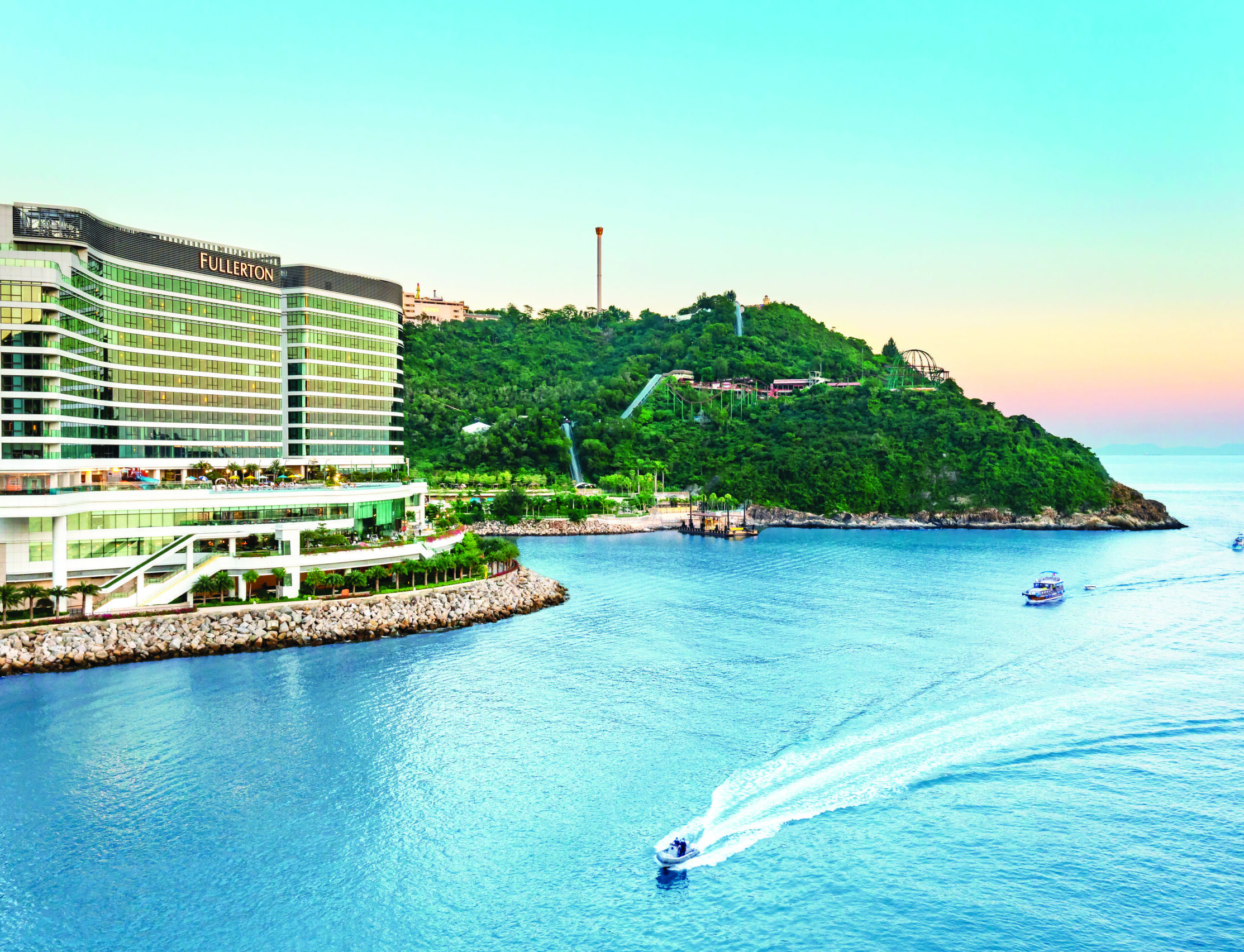
Located by the aquamarine waters at Island South, The Fullerton Ocean Park Hotel Hong Kong is the brand’s newest offering. Comprising two contemporary towers connected by a terrace, the oceanfront resort has been built with sustainability and wellness in mind. Each of its 425 rooms and suites commands breathtaking views of the South China Sea, providing a tranquil sanctuary a mere 20-minute drive from the hustle and bustle of the city. The beautifully presented resort provides comprehensive wellness offerings such as an oceanview gym, spa and expansive infinity pool facing the panoramic sea as well as a 6,400-square-foot indoor kids’ play zone. Meanwhile, the dedicated F.U.N. Desk team curates a range of family, unique, nature-inspired and neighbourhood-focused immersive Fullerton Experiences that promise a blissful getaway for guests. The resort also features delectable dining destinations, presenting a smorgasbord of time-honoured menus and international cuisine.

The Fullerton Hotel Sydney

The Fullerton Hotel Sydney

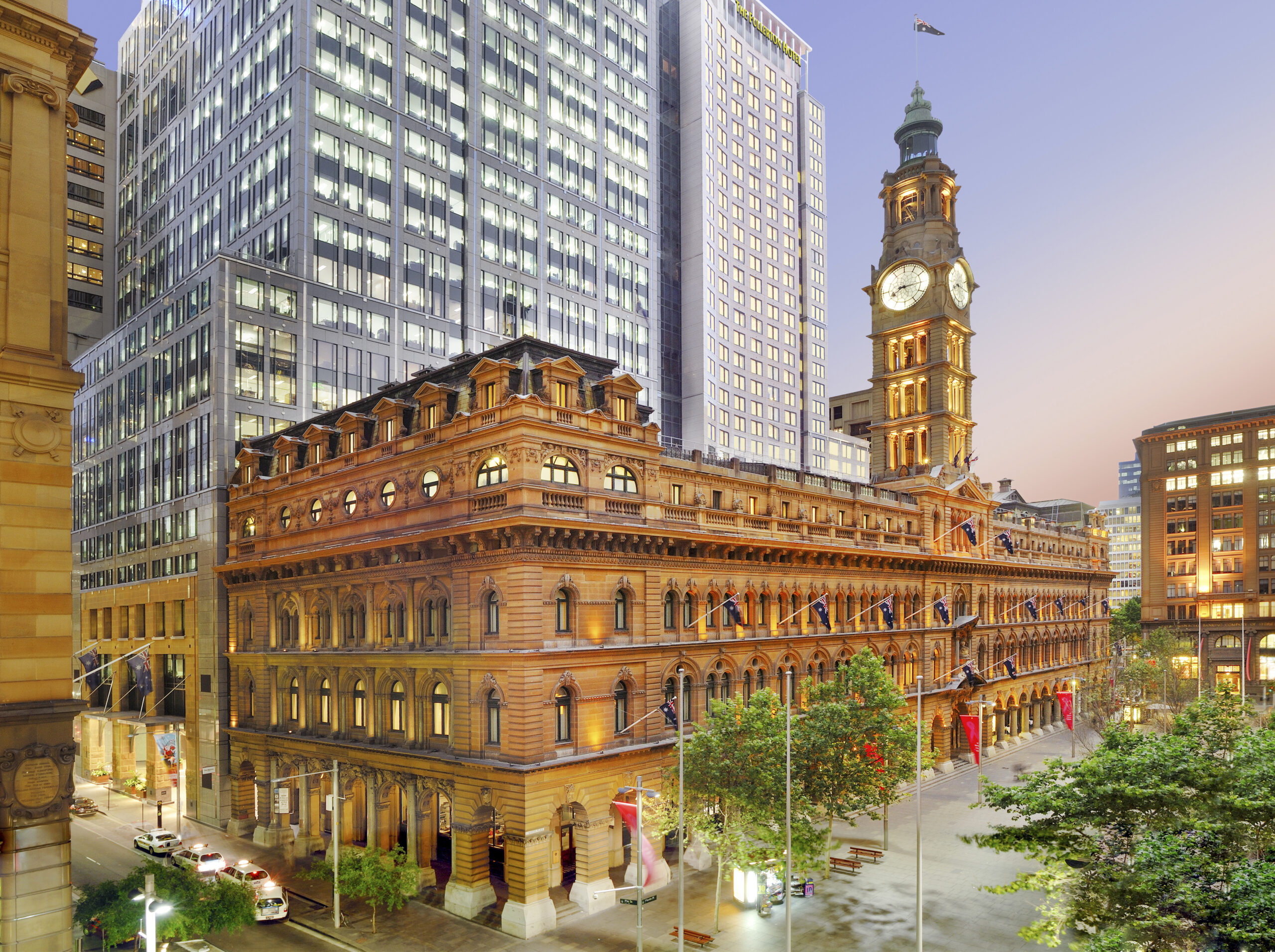
Housed in the 1874 historic landmark intertwined with the city’s development for more than a century, The Fullerton Hotel Sydney commands a prime position in the heart of the city and the hearts of Sydneysiders. It is a seamless blend of culture, timeless elegance and contemporary hospitality. Guests will be impressed by its beautifully restored Clock Tower, well-appointed interiors and fantastic food on offer. The old telegraph rooms now serve as the Heritage Ballroom, while the postmaster’s office has been lovingly adapted into the Heritage Long Suite, complete with marble fireplaces and the postmaster’s original desk. The hotel’s destination restaurant, The Place, located in the impressive glass atrium, provides a stylish setting for culinary delights. The 416-room hotel is a destination where Sydney’s stories, culture, arts and culinary excellence can be celebrated and shared with both local and international communities.


www.sino.com

www.fullertonhotels.com

An Open Invitation To Build Asia’s Marina Capital At SKYTOPIA Yacht Bay

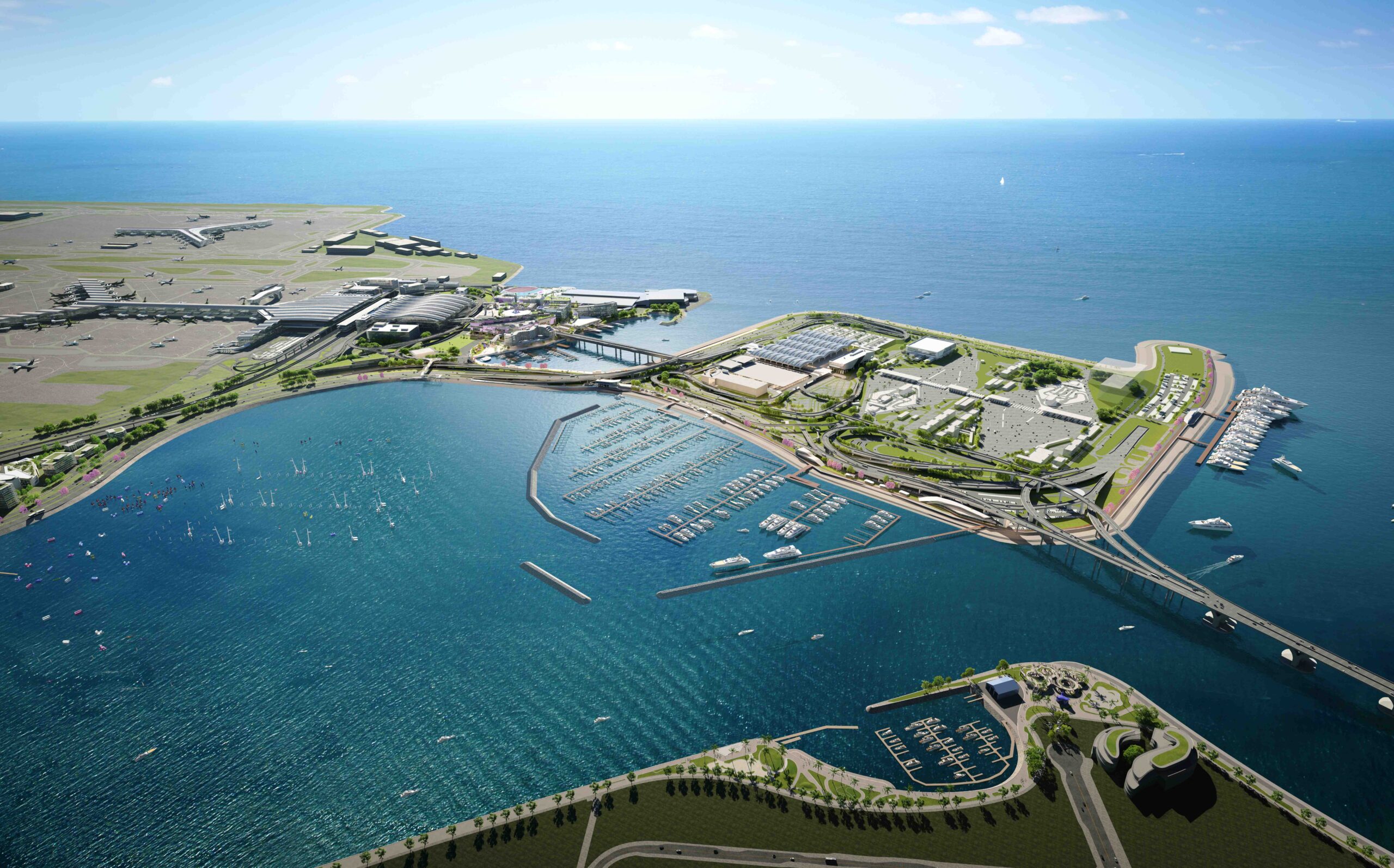
The Airport City development will include a 500-berth marina and Hong Kong’s largest water recreation area.

Imagine arriving at one of the world’s most connected airports, with a yacht waiting just minutes away at a landmark marina. Or sailing into Hong Kong and stepping ashore in an airport city of art, entertainment, hospitality and business.

This vision is taking shape at SKYTOPIA Yacht Bay, the centerpiece of Hong Kong International Airport’s Airport City development. Airport Authority Hong Kong (AAHK) is inviting international consortia, marina developers, hospitality brands and investors to help realize it through an Expression of Interest (EOI) process open until November 2026.

The timing reflects a clear market reality. Hong Kong has a thriving yacht economy, but marina capacity has simply not kept pace. Berths are full and the fleet continues to grow: from 9,000 vessels in 2014 to 12,500 today, chasing just 4,300 berths across the entire territory.

The demand driving this invitation is not speculative; it is already here. Hong Kong is among the region’s leading markets for superyacht ownership, with 92 vessels over 30 meters based locally. The number of superyachts active in the Asia-Pacific region has also grown consistently in recent years, from 445 yachts in 2023 to 586 yachts in 2025, according to the 2026 Asia-Pacific Superyacht Report. As the number of ultra-high net worth individuals continues to grow, this trend looks set to continue. A calendar anchored by the Hong Kong Rugby Sevens, the Hong Kong International Horse Show, LIV Golf and Art Basel keeps that audience returning year after year. A tax regime with zero import duty, VAT or sales tax adds another attraction.

It is this combination of growing demand and limited capacity that underpins the case for Yacht Bay, one of the flagship components of the SKYTOPIA masterplan.

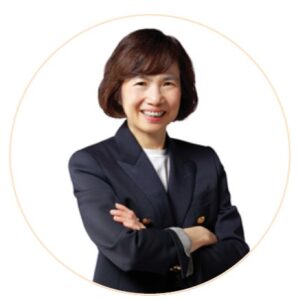
“SKYTOPIA offers an exceptional scale and prime location for water-themed projects rarely found in established international markets,” says Cissy Chan, Executive Director, Commercial, Airport Authority Hong Kong. “By capitalizing on our unmatched sea-air-land connectivity and integrating yachting with private aviation, tourism, lifestyle and entertainment, we are building far more than infrastructure. We are creating an ecosystem where investment, innovation and experiences converge.”

Yacht Bay will serve as a gateway connecting international visitors, affluent travelers and local communities, delivering lasting economic benefits well beyond the marina itself.

Chan adds, “Together with our investment partners, we can shape a destination of global significance and set a new benchmark for waterfront development in Asia.”

Cissy Chan, Executive Director, Commercial, AAHK

Where Connectivity Meets the Waterfront

As one of the leading aviation hubs in Asia, Hong Kong International Airport (HKIA) is connected to over 220 destinations through flights operated by around 140 airlines. HKIA welcomed 61 million passengers in 2025 and now has capacity for up to 120 million a year following the completion of its Three-runway System. The Business Aviation Centre, which serves private jets, logged 7,400 flight movements in 2025 to and from more than 350 destinations. It has been named Asia’s best Fixed-base Operator (FBO) by Professional Pilot Magazine for 18 years.

An autonomous transport system will connect Yacht Bay to the rest of SKYTOPIA and the nearby downtown area within 10 minutes. The Airport Express reaches Hong Kong’s city center in 24 minutes while the Hong Kong-Zhuhai-Macao Bridge opens a 40-minute route to the Greater Bay Area (GBA), one of the most economically vibrant regions in China. Beyond that, major cities in East Asia are a day’s sail away or just a few days away.

Well Beyond the Blueprint

Substantial infrastructure investment by AAHK, to the amount of around HK$30 billion (US$3.8 billion), and a series of tangible milestones have taken SKYTOPIA well beyond the blueprint.

The enabling infrastructure includes the breakwaters, waterfront promenade and piazza, and the autonomous transport system. The first autonomous vehicle service will begin a phased rollout by the end of 2026. From 2028, further infrastructure projects are scheduled, including the second phase of AsiaWorld-Expo. AAHK also expects the first phase of Yacht Bay to become operational in 2028.

AsiaWorld-Expo, a core part of SKYTOPIA, hosts more than 200 events a year. With its Phase 2 expansion underway, the venue will add Hong Kong’s largest purpose-built indoor arena, with 20,000 seats, enabling it to host more world-class entertainment and sports events.

Hong Kong already has a strong foundation as one of the world’s top three primary art trading markets, hosting major international art shows such as Art Basel.

“Building on this position, SKYTOPIA will further strengthen the city’s art ecosystem by creating an art community with a dedicated art storage facility, scheduled to begin operations next year, as well as facilities for art exhibitions and an art village,” Chan says. “These will form part of a landmark world-class destination, bringing together yachting, art, entertainment, exhibition, hospitality, retail and more.”

One Destination, Three Anchors

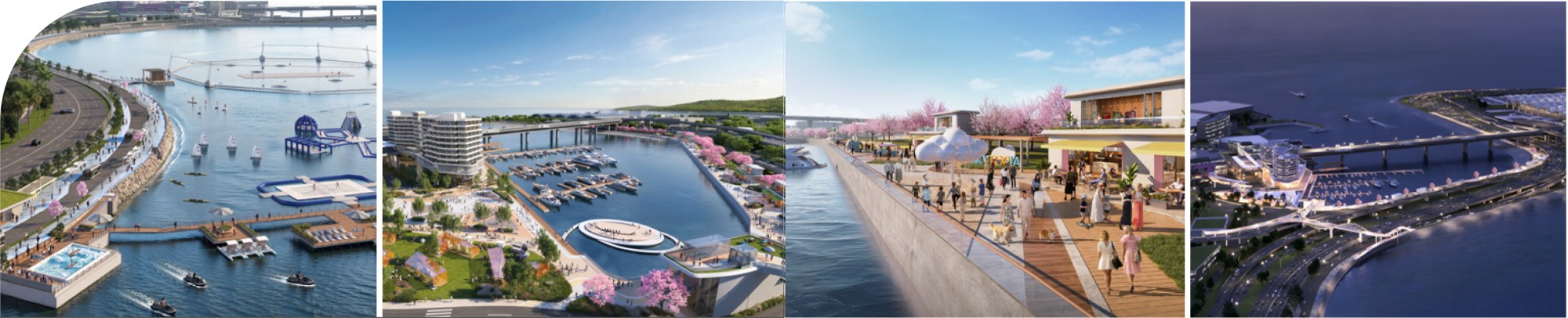
The scale of Yacht Bay becomes clearer in its three interconnected components, together spanning 200 hectares adjacent to HKIA. The first is the Airport Bay Marina, which will be Hong Kong’s largest marina, with more than 500 berths, half designed for superyachts between 30 and 120 meters in length. Complementing the marina is a Marine Resort with more than 300 seaview hotel rooms, direct berth access and a waterfront promenade lined with dining and leisure options. The third will be Hong Kong’s largest aquatic entertainment and water recreation area, spanning more than 100 hectares of active water space for marine events and leisure activities.

Meanwhile, regulatory changes are making it easier for yachts to move across the GBA. An Implementation Plan for the Free Flow of Yachts in Guangdong has been officially issued. Hong Kong and Guangdong Province are also working toward dual-registration, express immigration clearance and guarantee-free port entry across the GBA. The aim is to streamline the movement of vessels while minimizing security clearance requirements. Paired with Shenzhen’s own marina development near its airport, these changes point toward a more integrated regional yachting circuit, with Yacht Bay at its center.

SKYTOPIA brings together premium tourism, arts, entertainment, and a 200-hectare Yacht Bay and water recreation area, creating a vibrant waterfront destination for visitors from around the world.

An Invitation to Shape What Comes Next

The EOI is open to international marina operators, hospitality brands, yacht service providers, tourism specialists and family offices.

Given the scale of the three Yacht Bay components, AAHK does not expect a single developer to deliver all of them. Instead, the EOI is structured to attract specialists for individual components while also encouraging complementary businesses to collaborate on shared elements of the site. This represents a deliberate departure from the single master-developer model typically used for developments of this nature.

Chan says: “SKYTOPIA is far more than a marina project. With infrastructure already in motion and a 2028 horizon for its first phase, it offers investors, developers and hospitality leaders a rare opportunity to build on a foundation of government commitment and global connectivity at the crossroads of Asia.”

Full details of the Yacht Bay Expression of Interest, including site plans and submission requirements, are available at www.skytopiahk.com/en/eoi/yachtbay.


www.hongkongairport.com/en

As Wealth Goes Global, India’s Affluent Seek New Banking Models

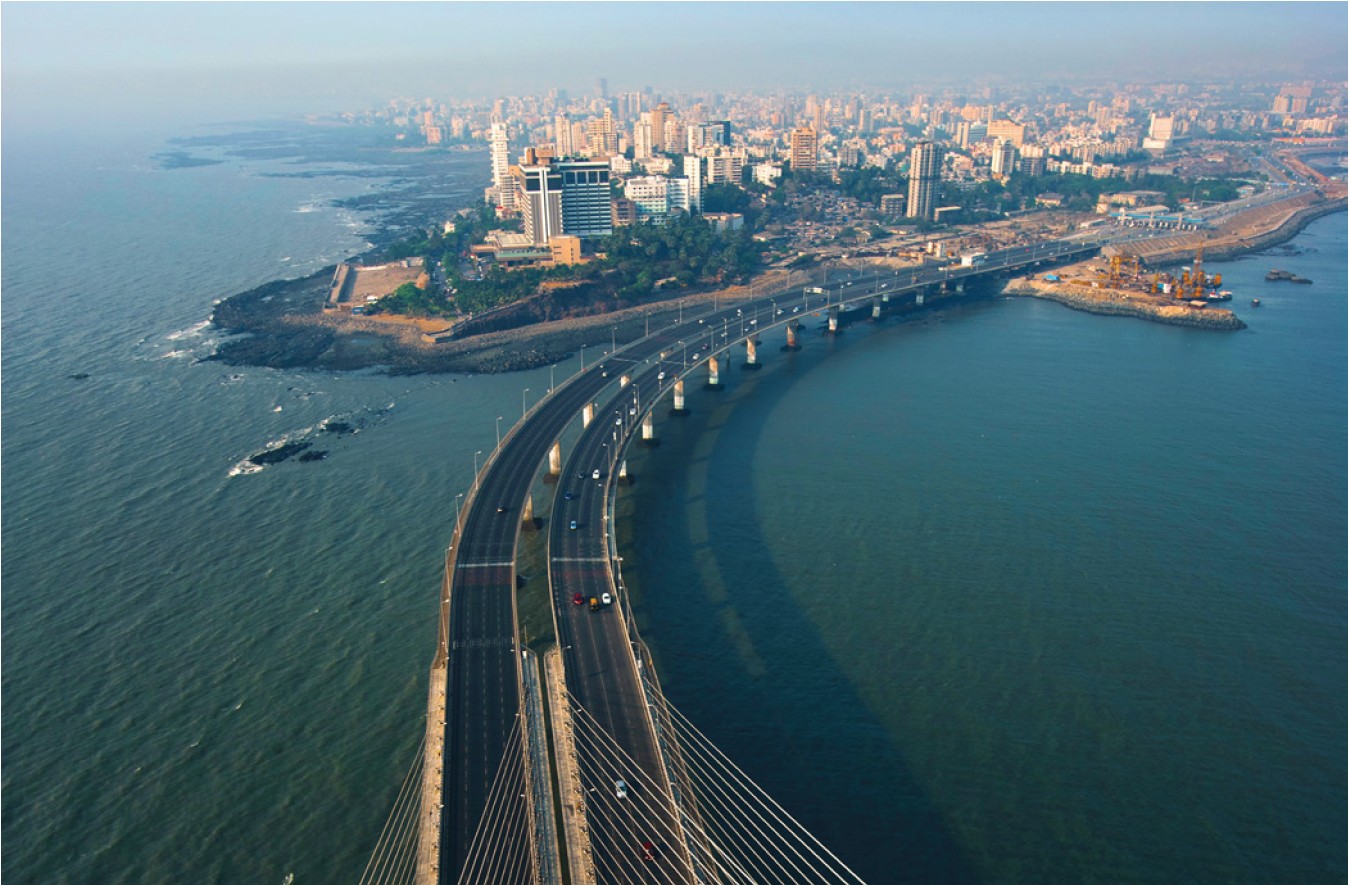
Mumbai, India

For decades, the Indian diaspora has been one of the world’s most influential economic forces. Today, however, a new generation of Global Indians is emerging, one that is changing what affluent clients expect from their banking relationships.

Many of these individuals lead increasingly international lives. They may build businesses in Mumbai, invest in Singapore, educate their children in London and acquire property in Dubai, all while maintaining strong personal and commercial ties to India. As their wealth becomes more international, so too do their expectations of financial institutions.

India’s rise as an economic powerhouse is accelerating this trend. Despite global economic uncertainty, India remains among the fastest-growing major economies. According to Boston Consulting Group’s (BCG) Global Wealth Report 2026, emerging markets are expected to add close to US$7 trillion in financial wealth by 2030, with India alone contributing more than US$2 trillion of additional wealth over the period.

The report also projects that emerging markets will add more than one million new dollar millionaires by the end of the decade. This expansion is creating a sizable cohort of high net worth individuals whose ambitions increasingly extend beyond national borders.

“There is a generational shift in India as it has become a dynamic powerhouse for wealth creation,” says Vinay Gandhi, Global Head of South Asian Community and Regional Head for Europe, Middle East and Africa at Standard Chartered Global Private Bank.

“We are seeing a strong surge in entrepreneurial and technology-driven wealth, with more Global Indians seeking cross-border wealth opportunities and intergenerational planning.”

Beyond Investing

Historically, wealth management relationships often centered on investment portfolios. For today’s Global Indians, that is no longer sufficient.

Many are looking to diversify their assets internationally amid heightened geopolitical uncertainty and market volatility. BCG estimates that global cross-border wealth grew 8.4% in 2025 to reach US$15.7 trillion, driven by strong market performance and increased demand for geographical diversification.

At the same time, wealth is becoming increasingly intertwined with broader family and business considerations. A business owner may be expanding operations overseas while supporting children studying abroad.

As wealth spans multiple jurisdictions, complexity rises significantly. Issues such as wealth structuring, liquidity management and succession planning have become increasingly important. Given that many Global Indians are also entrepreneurs, they are looking to have one single conversation that covers both personal and business wealth.

As a result, conversations are moving beyond portfolio construction toward more holistic discussions around family governance and long-term wealth preservation.

For wealth managers, this represents a significant shift. Rather than offering isolated products, institutions increasingly need to act as integrated advisors capable of bringing together wealth, lending, business banking and specialist advisory services.

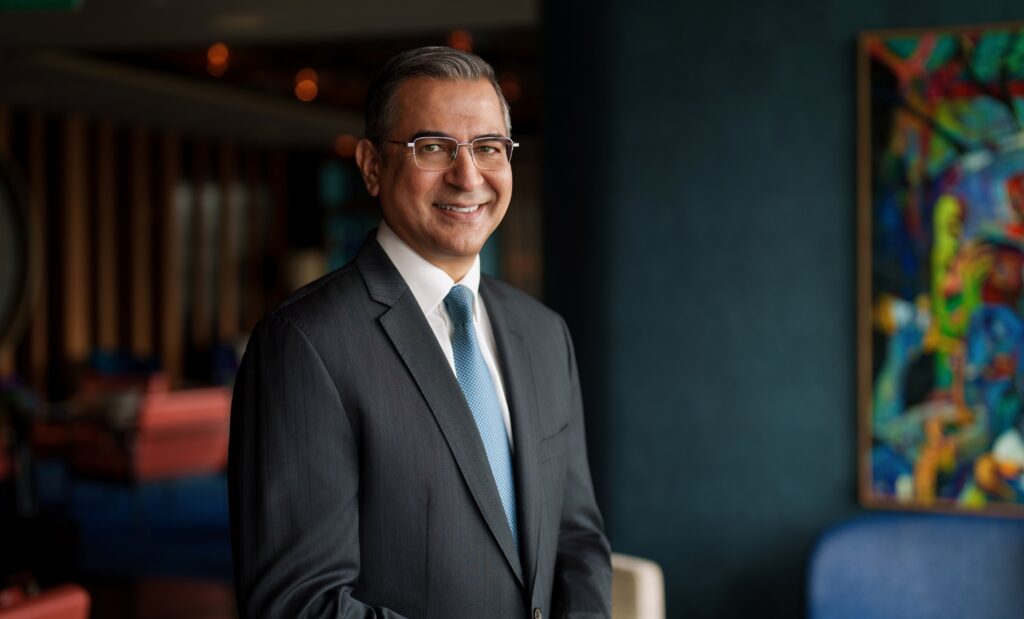
Vinay Gandhi, Global Head of South Asian Community and Regional Head for Europe, Middle East and Africa at Standard Chartered Global Private Bank

One Relationship Across Borders

The growing international mobility, with families and assets spread across different jurisdictions, also means Global Indians are increasingly expecting their banking relationships to move with them across borders. Yet many affluent individuals still maintain separate relationships for their domestic and offshore needs.

The challenge of such cross-border lifestyles opens an opportunity for a banking partner to seamlessly connect across the markets where they live, invest and do business.

Standard Chartered, for instance, combines its deep onshore presence and capabilities in India with teams in its international wealth hubs—Singapore, Hong Kong, the United Arab Emirates and the U.K.—to bridge the gap.

Beyond traditional investment management, the bank’s proposition encompasses cross-border lending, India-linked investment opportunities, family-office-style capabilities and international banking solutions designed to support clients through different stages of their wealth journey.

Through specialist partnerships, Standard Chartered also aims to help Global Indians navigate broader life priorities such as children’s education, relocation and real estate. Clients can also access curated experiences and networking opportunities, including market outlook events, next-generation and family programs, as well as exclusive experiences through the bank’s partnerships with Formula One and Liverpool Football Club, designed to foster connections within the Global Indian community.

“We connect everything together in a seamless way for our Global Indian clients, whether it’s investments, business liquidity solutions or family wealth advisory, so they can confidently manage their wealth across borders, with one trusted partner,” explains Gandhi.

The Next Generation of Global Indians

With a growing number of younger Global Indians becoming more internationally mobile and increasingly digital-first, the expectations of wealth managers are also changing. Digital capabilities are now essential rather than differentiating. Yet even as technology continues to transform the wealth management industry, human advice remains central, particularly as wealth structures become more sophisticated and family dynamics more complex.

Standard Chartered’s research highlights this dynamic. While 76% of ultra-high net worth families surveyed are comfortable using technology and artificial intelligence to support investment decisions, they still expect human oversight. At the same time, 84% believe next-generation involvement is essential to successful legacy planning.

“Clients expect both digital and human advice to be seamlessly integrated to complement each other,” says Gandhi. “Digital advice enables convenience, speed and transparency while trusted advisors deliver judgment, context and bespoke solutions.”

This suggests that the future of wealth management is unlikely to be defined by technology alone. Instead, the institutions best positioned to serve the global wealthy need to be adept at combining digital capabilities with deep advisory expertise, while maintaining strong connectivity across geographies.

For a generation whose ambitions increasingly transcend borders, this ability to bring together global reach, local understanding and trusted advice may prove to be invaluable.”

www.sc.com/private-banking

Bridging Generations: J.P. Morgan And The Future Of Asian Wealth

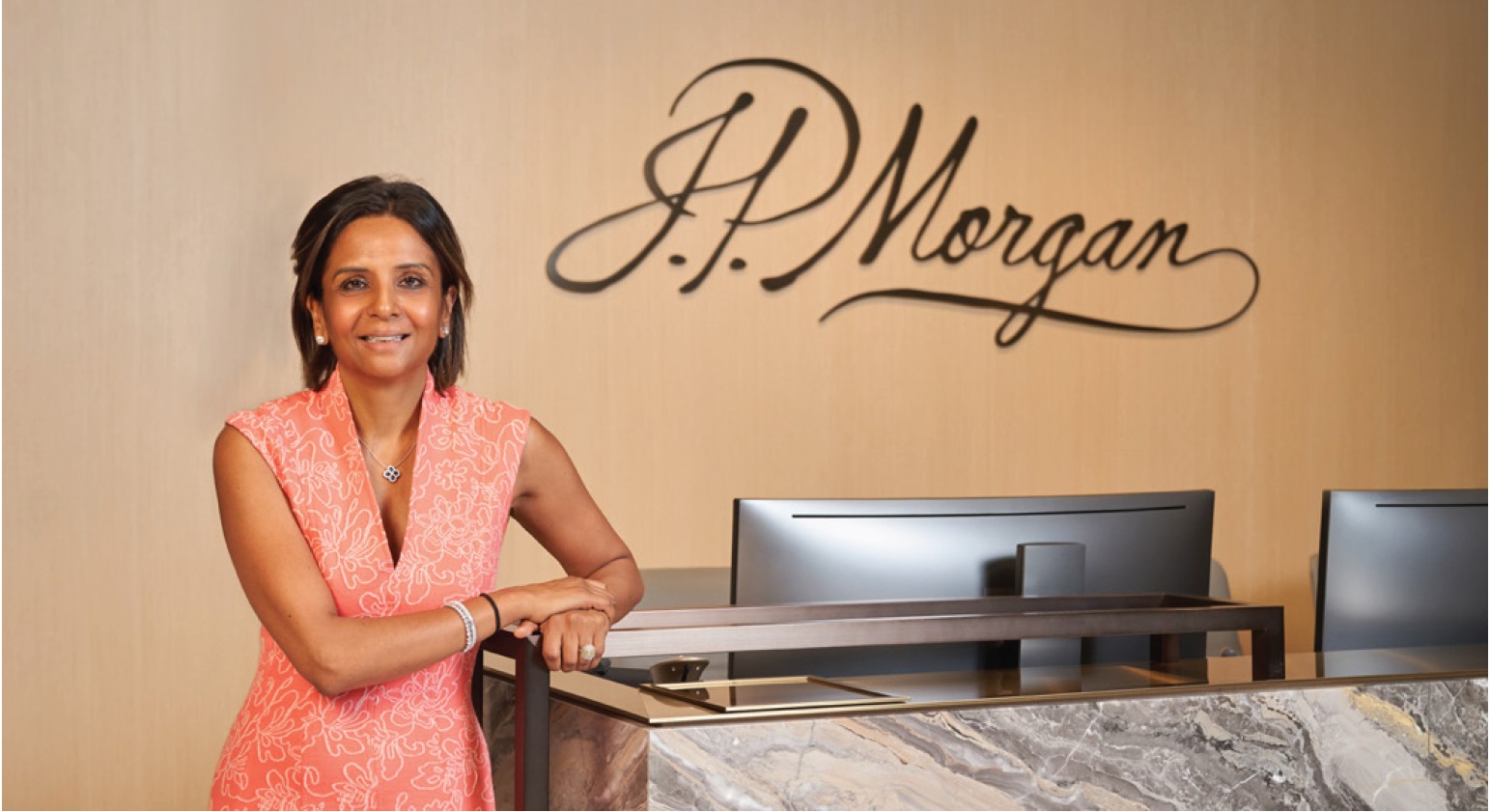
Harshika Patel, CEO of J.P. Morgan’s wealth management business in Asia

For Harshika Patel, a career in wealth management was never part of the plan. Growing up in an immigrant family, she had little exposure to the world of private banking that she would eventually come to help shape.

Patel trained as a chartered accountant before building a career in treasury and financial markets. She moved into wealth advisory three years ago and today leads one of Asia’s largest wealth management businesses at J.P. Morgan.

“If you’d said to me when I was growing up that one day I would be in wealth management, I would have laughed. I didn’t even know what wealth was,” she says.

Patel’s route into leadership was similarly unconventional. Not always the candidate who fit the traditional mold, she was recognized by senior leaders for her drive, resilience and ability to make an impact through her teams. That experience now informs how she recruits and develops talent.

Qualifications and expertise matter, but Patel also looks for curiosity, character and the will to contribute. She advocates hiring laterally from outside the traditional industry pool, believing that different experiences can lead to better questions and closer relationships with clients. Over time, she has focused on building a deliberately diverse business—across backgrounds, disciplines and ways of thinking—so teams can connect through shared context and lived experience, not only technical knowledge.

That breadth is particularly valuable in the wealth advisory business, where clients come from very different backgrounds and value different perspectives. On the one hand Patel may leverage her experience over three decades to connect with an entrepreneur who has built a company from modest beginnings, while her team can bring expertise across a broad range of other topics, from legacy planning, investing in passion assets to philanthropy.

Building those connections requires colleagues to understand one another as people, too. Within J.P. Morgan’s multicultural Asia business, Patel encourages team members to share the experiences behind their professional titles, from raising families and balancing work to navigating their own leadership journeys. Finding common ground, she believes, builds trust and allows bankers to connect more authentically with the diverse client base.

“When we look past our differences long enough to find common ground, trust grows. And when trust grows, collaboration accelerates,” she explains.

Her leadership at J.P. Morgan was recognized recently when The Asset named her “Private Banker of the Year for Asia” at its 2026 Private Capital Leadership Awards. In honoring Patel, the publication highlighted her steady hand during a period of rapid change in how wealth advisory teams serve ultra-high net worth (UHNW) clients. The publication cited her hands-on approach during volatile markets and her work helping Asia’s wealthiest families preserve and transfer their legacies. In total, J.P. Morgan earned a record 10 accolades at the awards, including “Asia’s Best Private Bank,” and “Best Private Bank for Family Office, UHNWIs – Asia.”*

When Global Reach Matters

Those accolades have come when wealth itself is changing across the region. Technology has created new fortunes, while traditional industries such as manufacturing, real estate and resources continue to generate wealth. At the same time, shifting supply chains are creating new opportunities throughout Southeast Asia and beyond. Capital markets have also expanded rapidly, producing a new generation of investors and financial professionals.

“When you look at the world’s top 10 stock markets today, six are in Asia. And as these companies become more valuable, the families and entrepreneurs behind them become wealthier,” Patel says.

Many of these business owners now operate across several markets globally, while their families and investments are also increasingly spread around the world. As such, managing their companies, portfolios and family interests through volatile and complex environments has become as important as creating wealth. As families globalize, complexity rises: tax, residency, education, governance and decision rights can all span jurisdictions.

Geopolitical shifts add another layer of uncertainty. “Geopolitics and its impact on their core business is probably the thing that keeps them awake at night the most,” Patel says.

Those concerns have prompted many clients to diversify both their businesses and their wealth geographically. Supporting them requires expertise that reaches beyond traditional investment advice.

Rather than treating wealth management as a standalone service, J.P. Morgan draws on expertise across its investment bank, corporate bank and broader global franchise. Says Patel: “J.P. Morgan operates in 100 markets globally across every dimension that families and business owners would need.”

An entrepreneur seeking advice on financing an overseas acquisition may also require support managing personal investments, establishing structures for the next generation or helping children studying abroad. Increasingly, families prefer these conversations to happen within one institution rather than across multiple advisors.

J.P. Morgan also tailors its coverage to clients with distinct needs. Its Financial Leaders Group, for instance, is set up to serve the unique needs of hedge fund managers, private equity investors and other senior financial executives.

As families expand across markets and generations, trust and stability become increasingly important. Patel says clients value not only J.P. Morgan’s global capabilities, but also the confidence that comes from the firm’s fortress balance sheet and long-term approach to supporting families. J.P. Morgan has been operating in the Asia-Pacific region for over 100 years and today is present across 17 markets in the region.

Passing on More Than Wealth

More broadly, wealthy Asian families are adopting longer investment horizons. Increasingly, Patel notes, many are moving away from highly transactional portfolios toward diversified, institutional-style strategies intended to withstand different market conditions and support wealth across generations. That focus on preserving wealth naturally raises the question of who will manage it in the future.

For many families, the answer begins with preparing the next generation. Succession discussions now encompass governance, leadership and the responsibilities that accompany an inheritance.

Future family leaders may have very different ambitions. Some want to run the family business, while others pursue independent careers but remain involved in managing family assets or philanthropy. Many have studied and worked internationally and expect a more collaborative relationship with their advisors.

“No two next-gen leaders are the same. Even within a family, you can have siblings with different priorities and objectives,” says Patel.

J.P. Morgan engages its next-generation clients as a distinct segment, with their own specific set of needs. Its programs combine investment education, leadership development and family governance, with vital networking opportunities for participants to connect with their peers.

One recent program brought together teenagers from client families for sessions on investing and executive presence, as well as visits to technology companies. The bank also brings together families facing similar issues and draws on specialists in family governance who have spent decades helping families navigate succession.

As a new generation prepares to take the reins of Asia’s wealthiest families, Patel believes the opportunity lies in helping them navigate the increasingly complex responsibilities that accompany lasting wealth.

Patel says: “Whether it’s their company, their personal wealth or the next generation, families want a consistent relationship wherever they are in the world. That’s what J.P. Morgan with its global reach and capabilities is able to provide.”

For more information


*Awards or rankings are not indicative of future success or results. Further information is available on J.P. Morgan’s awards page at privatebank.jpmorgan.com/apac/en/about-us/awards.

Engineering Lightness, Perfecting Movement

At first glance, the connection between a tourbillon wristwatch and a racing bicycle may not be obvious. One is an instrument of personal timekeeping, the other a machine for human-powered motion. Yet the two share a peculiar kinship. Both are assemblies of components under constant stress, where a fraction of a gram or millimeter can alter performance.

Founded in Cambiago, Italy, in 1954, Colnago has spent more than seven decades refining bicycle frame geometry, materials and manufacturing techniques in pursuit of a single goal—crafting a machine that transmits energy without waste. In doing so, the Italian marque has become one of cycling’s enduring innovators, its history serving as a living archive of the sport’s relentless pursuit of performance.

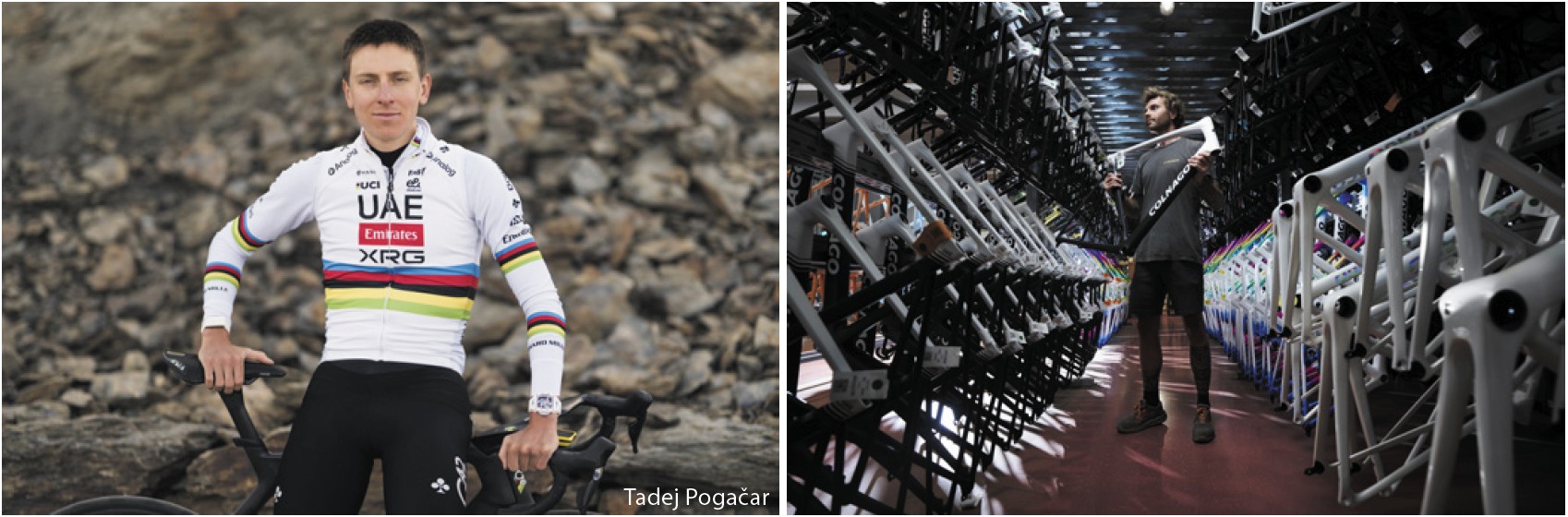
Through that journey, one principle has remained constant: engineering was never pursued for its own sake but to create bicycles that transformed every pedal stroke into speed with minimal loss. Today, that philosophy continues in the Colnago V5Rs and Y1Rs raced by multiple Tour de France winner Tadej Pogačar, brand partner of Richard Mille.

The Geometry of Performance

Richard Mille’s own connection to cycling runs deep and first took concrete form in 2017. Conversations with former Formula One champion and avid cyclist Alain Prost and professional riders revealed a striking gap: few kept precise records of the distances they covered across a season. In response, Richard Mille developed the RM 70-01 Tourbillon Alain Prost, equipped with a manually operated kilometer totalizer that records the distance covered at each stage.

This relationship with cycling has since broadened to include some of the sport’s most compelling figures: Mark Cavendish, Mathieu van der Poel and Tadej Pogačar.

While those partnerships celebrate sporting excellence, the collaboration with Colnago builds on something deeper: the opportunity for two highly evolved engineering disciplines to inform one another. Colnago’s understanding of structure, weight and energy transfer meets Richard Mille’s expertise in materials, complex mechanics and three-dimensional architecture. The RM 64-01 Tourbillon Colnago is the result: a distinctly new mechanical expression shaped by the principles and expertise of both disciplines.

Three Pillars, One Philosophy

The RM 64-01 was conceived around three guiding principles: lightness, transparency and spatial dynamism. Lightness begins with the intelligent selection of materials. In cycling and watchmaking, every unnecessary gram demands more energy without improving performance, making material choice as important as mechanical design itself.

Richard Mille approaches the RM 64-01 caliber with the same discipline that guided Colnago’s evolution from steel frames to advanced composites. The ultra-skeletonized grade 5 titanium baseplate and bridges maximize rigidity while minimizing mass, their geometry refined through extensive testing to achieve an optimal weight-toresistance ratio.

The case is crafted from White Quartz TPT®, renowned for its mechanical properties while remaining exceptionally lightweight and accented by notched bezels in Azure Blue Quartz TPT®, a new composite developed specifically for the RM 64-01.

Transparency is equally fundamental but not as a means of exposing the movement for visual effect. Instead, the RM 64-01 reveals its mechanics with the same integrity that characterizes a racing bicycle frame, where every tube and junction remains visible and devoid of superfluous embellishment.

Conceived around an open-worked architecture, the caliber reveals all 274 components with remarkable clarity. Rather than obscuring its mechanics, the movement invites the eye to trace the flow of energy, much as it traces a bicycle’s frame and drivetrain.

Engineering in Three Dimensions

If lightness and transparency inform every aspect of the movement, the third principle—spatial dynamism—shapes how each part finds its rightful place. Rejecting a conventional layered arrangement in favor of depth, the architecture positions every component with intent.

Much like a bicycle frame whose strength is derived from geometry rather than mass, the movement relies on an open structural framework to achieve rigidity. Inspired by the tubular architecture pioneered by the RM 012 Tourbillon and informed by Colnago’s frame design, the caliber epitomizes how mechanical integrity can emerge from intelligent construction rather than material excess.

Within this open structure sits the gear train, fitted with a fast-rotating barrel delivering a 65-hour power reserve. Its diagonal relationship with the variable-inertia tourbillon at 7 o’clock recalls the layout of a bicycle drivetrain while the star-shaped titanium bridges draw directly from the geometry of Colnago’s iconic Master frames. The result is a movement whose three-dimensional architecture mirrors the structural logic of a racing bicycle, with every part occupying its place for a reason.

Where Innovation Meets Craftsmanship

Engineering alone does not define either Richard Mille or Colnago. Both brands understand that innovation reaches its fullest potential only when realized through craftsmanship. Their shared pursuit of per formance is therefore not simply a matter of materials or technology but of the knowledge and judgment required to make those elements work in concert. However advanced the materials or manufacturing techniques, the final expression still depends on the skill of the human hand.

In the RM 64-01, the hand-finished titanium bridges, accented in colors inspired by the Colnago C68, translate the bicycle maker’s design ethos into a mechanical caliber. For the first time on a Richard Mille sports watch, 5N red gold becomes part of the timepiece’s visual identity, a subtle reminder that innovation and tradition need not exist in opposition.

More than the meeting of two celebrated names, the RM 64-01 Tourbillon Colnago reveals a philosophy shared across two disciplines. Every component serves a purpose, every detail earns its place, and performance is never pursued in isolation. It is the inevitable outcome of evolutionary engineering and exacting craftsmanship.


The Great Wealth Transfer Is Forcing Asia’s Founders to Rethink Succession

Asia is on the cusp of the largest intergenerational wealth transfer in its history, with an estimated US$5.8 trillion expected to change hands by 2030. For the region’s entrepreneurs and business-owning families, however, transferring their fortunes is proving to be far more difficult than accumulating it.

Many of today’s wealthy families have built businesses, investments and property portfolios that cut across multiple jurisdictions, currencies and generations. A founder may operate businesses in more than one market, own international real estate and have children studying or living overseas.

Preserving and passing on wealth in this context requires navigating different legal systems, tax regimes and family dynamics, making succession planning far more challenging than it was a decade ago.

Yet despite the scale of the wealth transfer under way, many families remain unprepared. HSBC Life’s latest research, HSBC Life – From fragility to fortress across generations: Navigating the evolving legacy landscape in Hong Kong and mainland China, found that roughly two-thirds of high net worth individuals (HNWIs) in Hong Kong and mainland China do not have a formal legacy plan in place.

“When we speak with these highly successful founders, we find that the hesitation is not really about a lack of desire to plan. It actually comes down to the sheer mechanical complexity of the task,” says Daisy Tsang, Co-CEO, Insurance, HSBC.

Historically, wealthy families relied on a fragmented network of lawyers, tax advisors, private bankers and other specialists to manage succession matters. But as family wealth becomes increasingly international, this approach is becoming harder to coordinate. According to HSBC Life, 69% of HNWIs in Hong Kong and 47% in mainland China regard managing multiple advisors as a burden.

Daisy Tsang, Co-CEO, Insurance, HSBC

As a result, wealthy families are increasingly seeking integrated solutions and institutional partners capable of bringing together specialist expertise under a single, coordinated framework. HSBC Life describes this role as that of a “Master Architect,” partnering with leading industry specialists to bring together insurance, wealth, trust, tax and legal expertise to help families navigate increasingly complex succession needs.

For instance, eligible HSBC Life clients can now access the newly launched value-added service—a one-to-one legacy planning consultation service provided by global professional advisors. The service offers guidance on areas such as multi-jurisdictional estate planning, trust structures and family governance, without clients having to coordinate multiple advisors themselves.

Why Insurance Works in Succession Planning

As succession planning becomes more complex, life insurance is moving beyond its traditional role as a protection product. Life insurance has become the most widely used or considered legacy planning tool among affluent clients, with 80% of HNWIs in Hong Kong and 92% in mainland China viewing it as a primary instrument for wealth transfer.

The appeal lies in three characteristics that are particularly relevant to entrepreneurial families: liquidity, privacy and governance.

Liquidity can be crucial during periods of transition, when family wealth may be tied up in operating businesses, real estate or other illiquid assets. In the event of a founder’s death, heirs may need immediate access to capital to support family members, maintain business continuity or meet tax obligations.

“To go through the probate process can take a lot of time. But with insurance, it is highly liquid upon claims. Our largest claim last year was paid directly to beneficiaries within five working days,” Tsang says.

Privacy is another important consideration. Even where formal wills exist, inheritance disputes can become public, exposing sensitive family information and potentially damaging both family relationships and business reputations. Insurance proceeds, by contrast, can generally be transferred with less public visibility.

For many wealthy families, however, governance may prove to be the most compelling feature. Research shows that concerns about heirs mismanaging wealth rank among the top anxieties for affluent families, particularly in mainland China.

Rather than leaving heirs an unrestricted windfall, many founders want their wealth to support and incentivize the next generation’s long-term success. To address this issue, today’s insurance structures enable wealth to be distributed in stages and linked to specific milestones.

“Founders can set up staggered, milestone-linked distributions, helping ensure that capital is used to build upon their legacy rather than diminish it,” Tsang explains.

Examples might involve releasing funds only when heirs complete tertiary education, start a business or reach a certain age, providing both financial support and incentives for personal development.

Reflecting this shift, HSBC Life recently introduced the HSBC Luminous Global Insurance Plan, a whole-of-life solution designed to help founders preserve and transfer wealth across multiple generations. The plan enables policyholders to tailor how and when wealth is distributed, including linking transfers to personalized life events and milestones, while allowing future ownership of the policy to be passed to subsequent generations according to the family’s wishes.

This level of product customization reflects a broader institutional capability that has made HSBC Life a trusted, long-term partner for high net worth clients. Driven by this specialist expertise and global track record, HSBC Life was recognized globally at the Euromoney Private Banking Awards 2026 as the “World’s Best Insurance Provider for Wealth Management.”

 “We are seeing many founders move beyond asking, ‘How much do I leave?’ to asking, ‘What is the purpose of this wealth?’”

– Daisy Tsang, Co-CEO, Insurance, HSBC

Beyond Wealth to Purpose

While preserving capital remains important, many founders are equally concerned about passing on family values and a sense of purpose to future generations.

Daisy Tsang, Co-CEO, Insurance, HSBC

“We are seeing many founders move beyond asking, ‘How much do I leave?’ to asking, ‘What is the purpose of this wealth?’” says Tsang.

Legacy planning is increasingly becoming an exercise in family governance, education and continuity. To support this agenda, institutions are expanding beyond traditional financial advice to provide access to expertise spanning family governance, intergenerational well-being and long-term stewardship.

Another newly launched value-added service—the Wisdom Heirloom Legacy Service, enables families to preserve their stories and values through personalized initiatives such as creating a family motto, documentary or Book of Wisdom by the leading art and cultural figures in Hong Kong.

At the same time, families are paying closer attention to the factors that can shape long-term quality of life across generations. As climate risks intensify, through heatwaves, degraded air quality and evolving disease patterns, protecting well-being is becoming a bigger part of the legacy conversation. Complementing this is H+ Bespoke Multi-Gen Membership, developed in partnership with Humansa, which provides eligible families with personalized health and longevity support across three generations, recognizing that preserving human capital can be just as important as preserving financial capital.

For Asia’s entrepreneurs, transferring wealth may be their final entrepreneurial challenge. Yet as family fortunes become more global and multifaceted, the greatest risk may not only be market volatility or economic uncertainty; it may simply be failing to plan.

For founders who have spent a lifetime building enduring businesses, ensuring that their wealth, values and vision survive beyond their own generation may be their most important legacy of all.”


What Draws Global Talent To Hong Kong

Work is changing in ways that few economies can ignore. Technology is altering how companies operate, even as education systems adjust to demand for new skills, and career paths become less predictable due to digital disruption. These shifts are unfolding at a rapid pace, prompting governments and businesses to intensify their efforts to rethink how they attract, develop and retain talent.

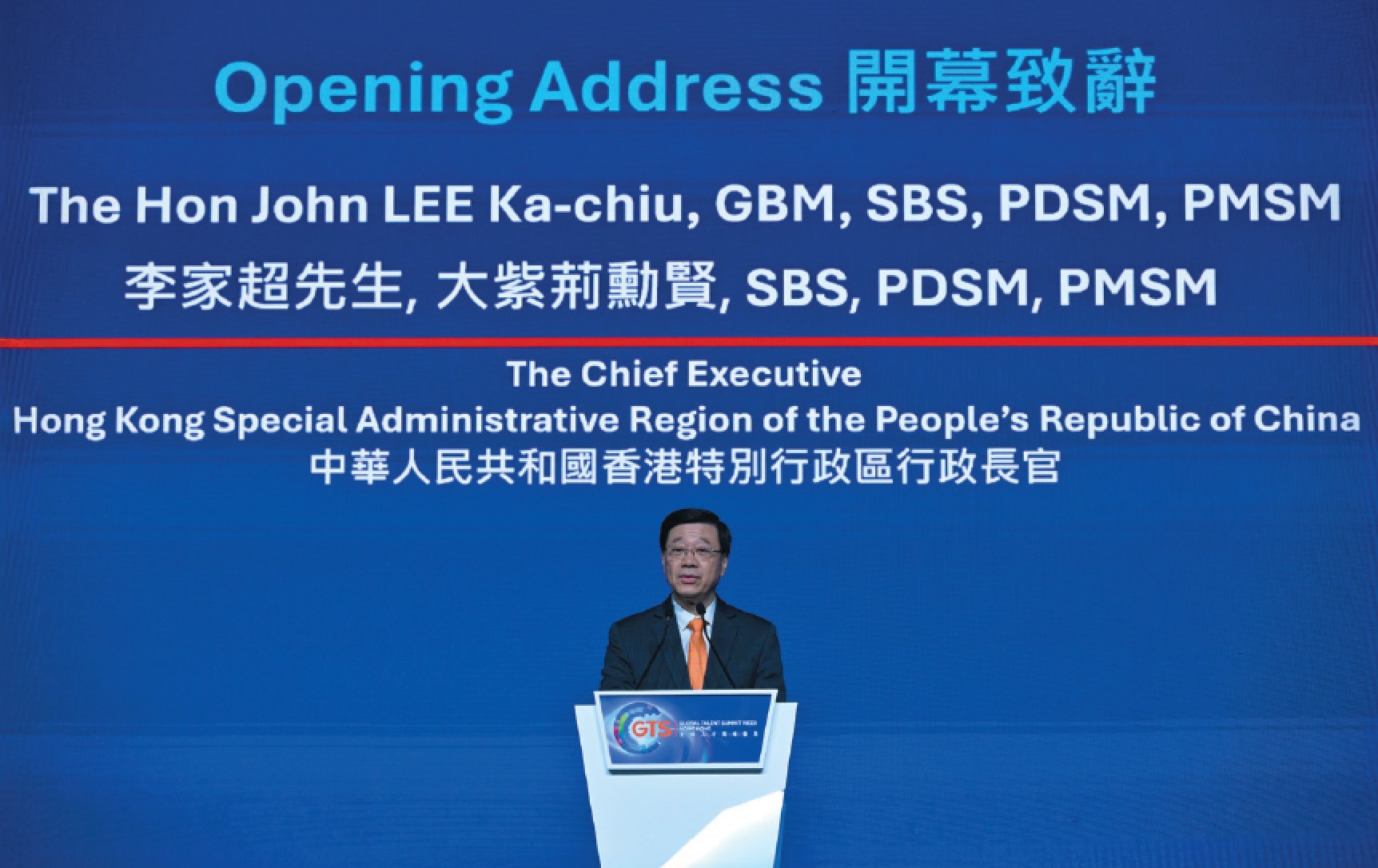
John Lee, Chief Executive of the Hong Kong Special Administrative Region, welcomed delegates to the Global Talent Summit Week.

Addressing these challenges head-on, Hong Kong has reaffirmed its commitment to reinforcing itself at the forefront of talent attraction. In his remarks at the International Talent Forum, the anchor event of the Global Talent Summit Week, John Lee, Chief Executive of the Hong Kong Special Administrative Region, underscored the government’s ambition to build a long-term impetus for the city’s development by welcoming the world’s best.

Lee said that Hong Kong is rising quickly as an international talent hub, driven by a comprehensive and forward-looking strategy that integrates talent development with economic transformation, technological advancement and regional cooperation. Such efforts have been widely recognised, with Hong Kong surging to fourth globally and first in Asia in the International Institute for Management Development’s World Talent Ranking 2025.

He added that Hong Kong will continue to uphold openness, deepen international engagement and align closely with national development strategies. Policies in education, innovation and infrastructure will be further refined to ensure Hong Kong remains a fertile ground for ideas and enterprises, where global talent feels welcomed, valued and supported.

The forum also featured a keynote from Nobel laureate Sir Christopher Pissarides. Drawing on his expertise in the global manpower ecosystem, he examined the skills, institutions and policy frameworks that will define the future of work, exploring how technology and global mobility are fundamentally reshaping the talent ecosystem. “AI has been augmenting manpower. The biggest challenge today with these technologies is not the destruction of old jobs—it’s more the transformation of practically every job that we have in society. Workers are upskilling more now than in any other industrial revolution of the past,” he stated.

The CareerConnect Expo showcased opportunities for professionals looking to build careers and settle in Hong Kong and the Greater Bay Area.

The second edition of the summit evolved into a week-long programme. The International Talent Forum and CareerConnect Expo, held on March 18 and 19, were complemented by nine satellite events across the city running through March 29.

Hosted by the Labour and Welfare Bureau and Hong Kong Talent Engage, the summit brought together government officials, global industry leaders, renowned scholars, entrepreneurs and professionals in one place—reinforcing Hong Kong’s role as both an international talent hub and a gateway to opportunities in the region.

Participation reflected the global interest in Hong Kong’s talent initiatives, with figures surpassing the inaugural summit. In total, more than 10,000 on-site visits and over 170,000 views over the two-day event were recorded, representing the power of the hybrid format in connecting talent far and wide. Chris Sun, Hong Kong’s Secretary for Labour and Welfare, said, “Through the activities of this year’s summit, the government believes that stakeholders can gain deeper insights into future development trends. At the same time, a clear message is being sent to global talent that with the strong support of the motherland and its own unique advantages, Hong Kong is the best place for career development.”

Global competition for talent has intensified, with cities such as Singapore, London and New York vying for the same professionals. Hong Kong’s edge lies in a combination of advantages that few cities can match. Beyond economic performance and liveability, the city serves as a gateway to the vast Chinese mainland market. Under the “One Country, Two Systems” principle, Hong Kong operates legal, financial and education systems aligned with international standards, while offering direct access to the Chinese mainland.
“By coming to Hong Kong, you tap into both the world and the Chinese mainland market. That dual access remains difficult to replicate elsewhere,” explained Sun.

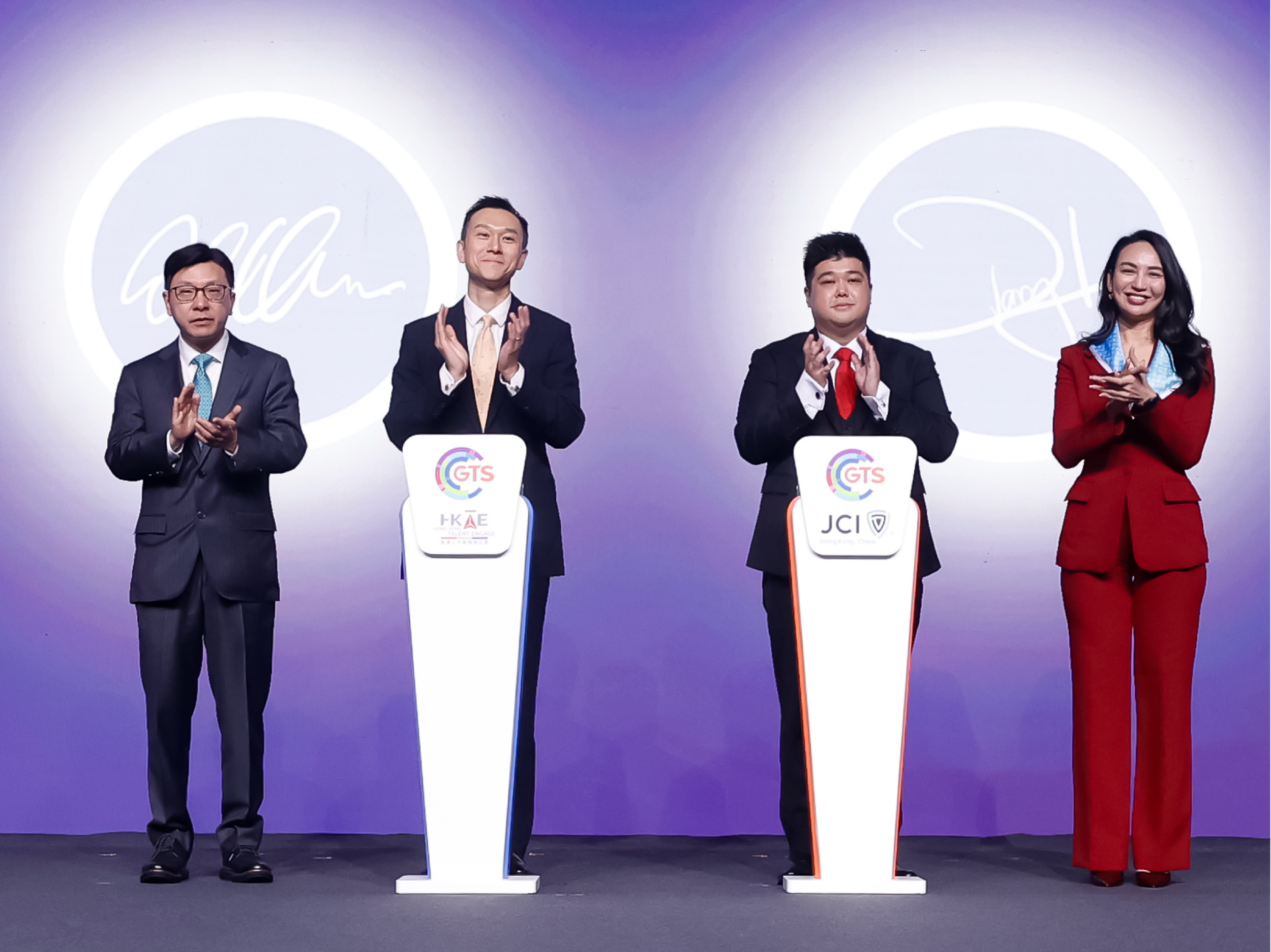
Felix Chan, Director of Hong Kong Talent Engage (second from the left), signed a cooperation agreement with Junior Chamber International Hong Kong, China on March 19, witnessed by Chris Sun, Secretary for Labour and Welfare (first from the left).

Opening the Doors Wider

While Hong Kong’s strengths draw global talent, demographic realities have made it necessary to act. The city faces an ageing population and shrinking local manpower.

To address this, the government launched a suite of talent admission measures in late 2022, including the Top Talent Pass Scheme (TTPS), targeting high-income professionals and graduates from the world’s top 100 universities. Hong Kong Talent Engage, an office under the Labour and Welfare Bureau, was established in 2023 to handle promotion, recruitment and post-arrival support.

“We need young, vibrant professionals to come to Hong Kong to fill the gap and keep the economy growing,” said Sun.

The response has been encouraging. As of end-February 2026, the government received almost 600,000 applications across various schemes, with close to 280,000 professionals arriving in the city. The TTPS alone received nearly 160,000 applications, with over 110,000 arrivals. The government estimates TTPS-entrants could add around 1.2% to GDP—approximately HK$34 billion (US$4.4 billion). Over 70% of incoming top talent is under 40, strengthening the workforce at a time of rising demographic pressure.

Ideas That Inform Action

A panel discussion at the International Talent Forum explored how technology is reshaping corporate talent strategies.

Through engaging speeches, fireside chats and panel discussions, the summit explored the integration of education, technology and talent.

The International Talent Forum examined how economies can strengthen manpower planning, refresh education models and align skills development with industry needs—followed by sessions on how AI is reshaping corporate talent strategies and cross-border collaboration in building adaptable, innovation-driven teams.

A closed-door meeting also brought together government representatives and university leaders to explore frameworks for deeper cooperation on talent mobility, skills development and workforce readiness.

While the forum concentrated on ideas, the CareerConnect Expo translated them into engagement. Drawing together about 70 enterprises and institutions spanning education, technology and government, the expo served as a one-stop platform showcasing opportunities for professionals looking to build careers and settle in Hong Kong and the Greater Bay Area. Nine satellite events hosted across different districts created further networking and job-seeking opportunities citywide.

Sustaining the Momentum

Attracting talent is only half the equation. Retaining it depends on whether professionals can build careers and lives in the city. Hong Kong is home to five universities ranked among the global top 100. Hong Kong Talent Engage connects incoming talent with job opportunities, handles enquiries within 48 hours and works with more than 90 partners on accommodation, education and daily life support.

Felix Chan, Director of Hong Kong Talent Engage, outlined the vision ahead. “The Global Talent Summit Week is more than an event—it is a powerful statement of Hong Kong’s ambition and readiness to welcome the world’s top talent, setting a benchmark for international talent events in Asia. Our priority remains clear: to ensure that every talent who chooses Hong Kong finds not just opportunity, but a place to live and thrive.”

Sessions from the summit are available online at: https://gts.hkengage.gov.hk/en/

For global professionals considering their next move, Hong Kong offers international standards, regional access and comprehensive support—all in one place. Sun said: “Hong Kong is a global talent hub. And what we’re seeing now is only the beginning of our journey.”


Hong Kong Sets Sail For The World Into An AI+ Future

A new building on Hong Kong’s southwestern waterfront will begin to change how the city supports and scales technology. Cyberport 5 is designed to operate as the core infrastructure of a tech park for innovation, housing computing power, connectivity, research space, translation of R&D into technology applications and commercial activity under one roof.

It forms part of the broader Cyberport campus, a government-backed digital innovation hub that brings together technology companies, research institutions, investors and public sector partners both locally and internationally to support the growth of artificial intelligence (AI) and data science, fintech, blockchain and digital assets, cybersecurity, smart living, digital entertainment and creative industries, and other strategic digital sectors.

“Cyberport serves as a key part in the development of Hong Kong as an international innovation and technology hub, contributing to the development of the Greater Bay Area (GBA) in Chinese mainland as an international center for technological innovation,” says Simon Chan, Cyberport’s Chairman.

Dr Rocky Cheng, Chief Executive of Cyberport says the expansion responds to a constraint that many technology firms face once they reach scale. He explains, “This expansion directly addresses the shortage of premium workspace with advanced digital infrastructure and quality living environments for scaling tech companies, providing a dedicated space that fosters innovation, translation and collaboration.”

The new 10-story development adds around 66,000 square meters of gross floor area, expanding the existing campus by 40%. It is designed to support companies that have moved beyond early-stage incubation and now need space, systems and access to advanced infrastructure to grow without leaving the city.

Accelerating Long-Term Growth for Global Enterprise

Cyberport, as Hong Kong’s digital tech hub and AI accelerator, is wholly owned by the Hong Kong Special Administrative Region (HKSAR) Government. It brings together over 2,300 companies, including 17 listed companies and 8 unicorns, with one-third of onsite founders hailing from 27 countries and regions. While Cyberport supported its companies to expand to over 36 markets globally, the focus is also on keeping them anchored locally as they grow.

Through the Cyberport Investors Network, which brings together over 220 investors worldwide, and the Cyberport Macro Fund, which co-invests in high-potential startups, Cyberport has facilitated more than HK$6 billion (US$770 million) in combined investments. Overall, Cyberport startups have raised more than HK$46.2 billion (US$5.93 billion) over the years.

Simon Chan, Chairman of Cyberport (3rd left), joined the HKSAR delegation, led by Hon John Lee, Chief Executive of the HKSAR Government (4th left), on a visit to ASEAN countries, and witnessed the signing of a partnership between WeLab, a Cyberport unicorn enterprise, and HSBC in Malaysia.

Hong Kong’s strategic position within the GBA, along with its global connectivity, gives Cyberport a significant advantage. Cyberport’s Chairman Chan sees the tech park as a “super-connector” and “super value-adder,” linking Hong Kong’s international research base and financial system with the manufacturing and market scale of the GBA region, while also tapping into the immense potential and demand for digital technology solutions in overseas markets.

“With Cyberport 5 as the latest advanced infrastructure, supported by global alliances in the Middle East, ASEAN and beyond, we can attract more strategic enterprises and talent from overseas and the Chinese mainland, while bolstering our homegrown startups to expand worldwide,” Chan says.

Cheng adds: “For enterprises setting foot in Cyberport with ambitions for expansion, we aim to springboard them to success through ‘Cyberport Connect’—connecting them with local partners to globalize their products and services; connecting them to investments from Hong Kong, Chinese mainland and overseas; connecting them to overseas markets in ASEAN, the Middle East and beyond for expansion; and connecting them with opportunities to get listed in Hong Kong and abroad.”

Cyberport as Hong Kong’s AI Hub

AI sits at the center of Cyberport’s strategy, reflecting Hong Kong’s wider economic direction and its alignment with the Chinese mainland’s AI+ initiative. Cyberport is home to more than 500 AI and big data companies. Partnerships with universities and global technology firms support applied research, while regulatory sandboxes allow new AI tools to be tested in regulatory environments. One example is the Generative AI (GenAI) Sandbox launched jointly by Cyberport and the Hong Kong Monetary Authority, which allows banks and technology providers to trial over 40 GenAI applications in areas such as risk management and fraud detection, transforming the financial industry with GenAI.

Dr Rocky Cheng, CEO of Hong Kong Cyberport (3rd right), led by Professor Sun Dong (4th left), Secretary for Innovation, Technology and Industry of the HKSAR Government, visited the China-ASEAN Mercantile Exchange (China-Singapore Nanning International Logistics Park) in Guangxi, China.

“Cyberport is building a holistic AI ecosystem spanning computing power development, data, general and specialized large language models, model risk assessment, industry applications, governance and ethics research, and talent cultivation to accelerate intelligent transformation across society and industries,” Cheng says. “We’re providing the scale and infrastructure Hong Kong needs to compete for talent and capital. Our goal is clear: empower businesses to adopt AI, boost efficiency and unlock growth.”

Supercomputing Engine Powering Hong Kong’s AI

Cyberport 5 is closely linked to the Artificial Intelligence Supercomputing Centre (AISC) and Tier III+ data center, giving companies direct access to high-speed connectivity and large-scale computing.

AISC has quickly become the city’s core infrastructure for AI, offering ready to use, high-end computing that speeds up deployment and keeps sensitive workloads within local compliance and data residency frameworks. Cyberport says the shared platform cuts the cost and time of maintaining GPU stacks, allowing universities and companies to accelerate training and inference.

The facility is now delivering 3,000 petaflops and has lifted Hong Kong’s total computing power to 5,000 petaflops. With the HKSAR Government’s HK$3 billion (US$380 million) subsidy scheme, 20 projects from universities, R&D institutions and companies leveraged supercomputing power to enhance R&D in large language models, new materials, synthetic biology models and medical large models. AISC users, including academic institutions such as the University of Hong Kong, appreciated AI empowerment in R&D, while the transnational corporation Ricoh and startups Pivotal Technologies and KBQuest cited faster model responses, shorter generation times and enterprise-grade privacy based on their experiences with AISC. Cyberport explores to expand the subsidy scheme to benefit the wider economy with efficiency elevation through AI.

Consuls General from the Belt and Road countries gathered at Cyberport to learn about the latest drone applications for low-altitude economy in Hong Kong.

Powering the Low-Altitude Economy

Cyberport is emerging as a key driver of Hong Kong’s low-altitude economy (LAE), serving as a regulatory sandbox for drone trials spanning 5G streaming, building inspection, drone pyrotechnics, smart aerial logistics and more. It also boasts the city’s first drone sports center for training in drone athleticism. The LAE ecosystem at Cyberport also attracted major players such as Harmony Technology, which specializes in low-altitude aerial management to land. Cyberport 5 is set to facilitate larger-scale drone testing with enhanced facilities.

With the Cyberport ecosystem in full swing, Hong Kong is well positioned to play a key role in the digital economy, providing an AI+-ready hub that attracts global talent, innovation and capital for strategic enterprises and tech companies to converge in the city and thrive.

www.cyberport.hk

Macao: An Emerging Destination For Global Business

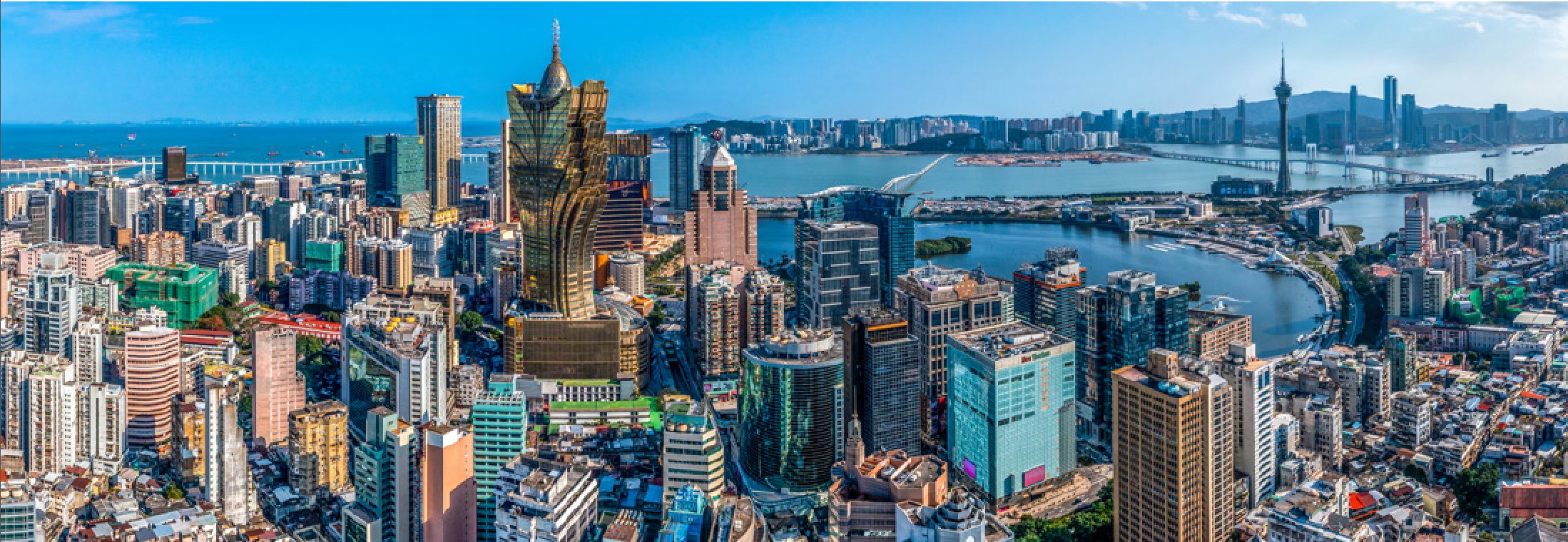
In a world where borders blur and industries converge, Macao is quietly becoming one of Asia’s most compelling places to do business. Long known for its rich cultural tapestry and cosmopolitan flair, this Special Administrative Region (SAR) of China is now drawing the attention of global investors—not just for what it is but for what it’s becoming.

With a low-tax regime, modern infrastructure and a bold strategy to diversify its economy, Macao is positioning itself as a gateway to the Greater Bay Area and a bridge to Portuguese-speaking markets across the globe. As the officially designated commercial and trade cooperation service platform between China and Portuguese-speaking countries (PSCs), Macao connects enterprises to a combined market of over 1.7 billion people—1.4 billion in China and 300 million across PSCs.

A Truly Connected City

Macao’s location isn’t just convenient—it’s strategic. As one of four core cities in the Greater Bay Area, it anchors a region of over 87 million people with a combined GDP of 14 trillion yuan (US$1.97 trillion). Just 30 minutes from Hong Kong International Airport via the Hong Kong–Zhuhai–Macao Bridge, Macao offers both proximity and possibility.

Yet this enhanced connectivity isn’t just physical. It’s cultural. With Chinese and Portuguese as official languages, and English widely used in commerce, the city offers a rare blend of East and West. It’s also notably visa-friendly. As of mid-2025, nationals from 87 countries and regions enjoy visa-free access, while Macao passport holders benefit from entry privileges in 148 countries and regions.

Business, Beautifully Done

Macao’s appeal lies in its simplicity. The city offers one of Asia’s most straightforward tax systems, with profits tax capped at just 12% along with generous exemptions for small and medium-sized enterprises (SMEs). There are no foreign exchange controls, and incorporation procedures are the same for local and international investors.

The Commerce and Investment Promotion Institute (IPIM) of the Macao SAR provides a “one-stop service” to guide investors—from company registration to licensing and beyond. This is a concierge-style setup, backed by an interdepartmental Investment Committee that ensures projects move smoothly and swiftly.

For investors from PSCs, Macao’s legal system—based on the Portuguese civil law tradition—offers a familiar framework. With Portuguese as an official language and legal conventions aligned, Macao provides a seamless bridge for cross-border business, arbitration and compliance.

A New Chapter in Growth

Above all, Macao isn’t just open for business—it’s reinventing it. The city’s “1+4” diversification strategy is reshaping its economy around five pillars:

  • Tourism and leisure
  • High technology
  • Traditional Chinese medicine and big health
  • Modern financial services
  • Conventions, exhibitions, commerce and culture

These aren’t just buzzwords. In 2024, Macao welcomed nearly 35 million visitors, with a total spend of 75.36 billion patacas (US$9.4 billion). Meanwhile, the Traditional Chinese Medicine Science and Technology Industrial Park of Co-operation between Guangdong and Macao (GMTCM Park) is home to 233 enterprises, including 89 Macao-based firms.

The financial sector is equally dynamic. Macao is developing its own digital currency (e-MOP), expanding wealth management services, and building a bond market that has already listed over 938 billion patacas (US$117 billion) in sovereign and green bonds.

To accelerate growth in high technology, Macao has introduced a suite of new policy incentives. These include a tax incentives regime for enterprises engaged in scientific and technological innovation, a technology enterprise certification program to recognize and support qualified firms, and a funding scheme for enterprise innovation and R&D. Together, these measures create a fertile environment for startups and established players alike, reinforcing Macao’s ambition to become a hub for cutting-edge industries.

IPIM facilitates business and investment by promoting Macao to global investors, supporting companies in exploring new markets, and fostering the growth of the convention and exhibition industry.

Building the Future: Innovation on the Ground

Across the territory, a new generation of industrial and technology parks is taking shape to support high-value sectors and attract global talent.

At the same time, the city is opening new doors in finance. A fresh Investment Fund Law offers attractive tax incentives, encouraging fund managers to set up in Macao. Work on a new Securities Law is also underway, laying the groundwork for a local bond market that connects seamlessly with both the Chinese mainland and international investors. Together, these reforms aim to bring a wider mix of bonds—from sovereign and municipal to corporate and innovative products—into Macao’s financial hub.

Digital innovation is part of the story, too. Through the development of the Digital Macao Pataca (DMP), the city is encouraging financial institutions to participate in building central bank digital currency infrastructure. Meanwhile, new tax breaks for corporate treasury centers give multinational companies smarter ways to manage cash and risk.

Beyond finance, Macao is investing in science and industry. The GMTCM Park is emerging as a major base for pharmaceuticals, biomedicine and medical devices, supported by advanced production platforms and cross-border research. The city also hosts leading institutions such as the State Key Laboratory of Quality Research in Chinese Medicine and the Macau Institute for Translational Medicine and Innovation, alongside a growing network of university research centers. Together, they are helping Macao build a reputation as a rising hub for biotech and high-end manufacturing.
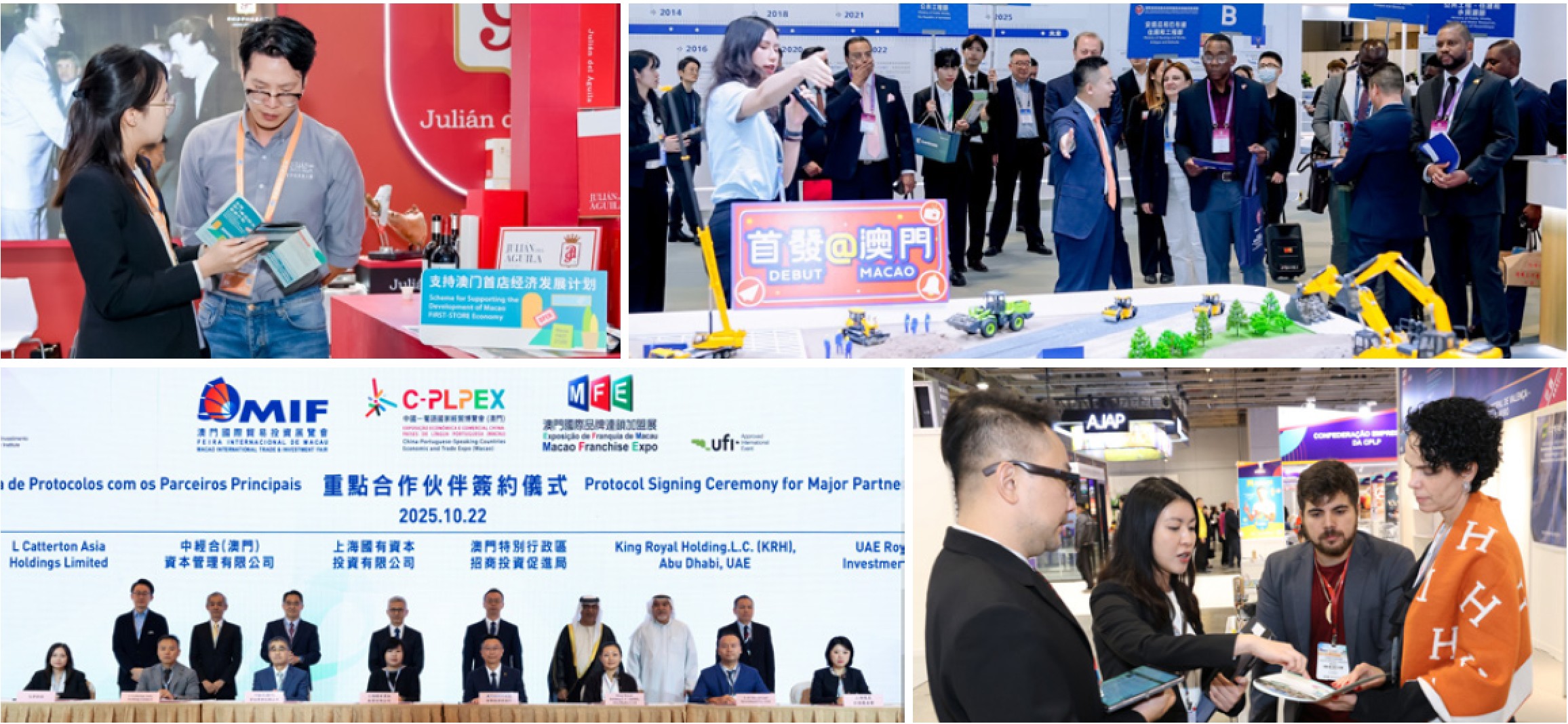
The vision is clear: to create a smart, sustainable economy rooted in research, creativity and global connectivity. And these reforms are already attracting global attention, with leading companies moving quickly to establish partnerships and projects in Macao.

Confidence in Action

At recent exhibitions in Macao, industry leaders including Huawei, AstraZeneca, China Unicom, Alibaba Cloud and WI Harper Group signed 13 cooperation agreements with Macao-based partners and the Macao government. These partnerships span biotech, digital infrastructure, investment and advanced manufacturing.

One standout example is Kingdee International, a Chinese enterprise cloud service provider that chose Macao for its first office outside the mainland in July 2024. The company has launched a flagship AI-powered service and is working with local partners—from integrated resorts to SMEs—on digital transformation projects. What makes Macao particularly valuable, executives say, is not just the supportive policy environment but its role as a meeting point between China and PSCs. Kingdee is using its base there to explore exchanges with Brazil and other PSC markets—evidence that Macao’s bridge role is translating into real opportunities.

Together, these initiatives are helping Macao cultivate integrated industry clusters across upstream, midstream and downstream segments, strengthening the city’s ability to support end-to-end innovation and production.

Work Smart, Live Well

In the global competition for talent and capital, cities like Singapore and Dubai promise efficiency while Hong Kong offers scale. Macao offers something rarer: synergy—where business blends effortlessly with culture and creativity.

Its compact scale means less commuting and more living. Safe, multilingual and home to top-ranked universities, Macao offers seamless access to five international airports across the Greater Bay Area—making it both globally connected and eminently livable.

For builders, creators and innovators, Macao is more than a place to invest. It is a foundation for lasting growth, rooted in a vibrant community where commerce and culture reinforce one another.

www.ipim.gov.mo