Like most countries, Japan struggled to find its economic footing in 2021, as it continued to deal with pandemic-related restrictions and prevailing supply chain disruptions around the world.
Despite the challenges brought on by the Covid-19 pandemic, the world’s third-biggest economy is poised to recover, supported by the 56 trillion yen (US$493 billion) economic stimulus unveiled by newly-elected Japanese Prime Minister Fumio Kishida in November. The package will offer cash handouts to families with children under 18, support small businesses and implement measures to offset rising fuel prices. The country’s largest spending reflects the government’s resolve to boost growth and redistribute wealth to households.
“Growth is on course to regain momentum, supported by macroeconomic policies and progress in vaccination,” the Organisation of Economic Cooperation and Development said in a report in December. “Significant progress in vaccination and falling rates of infection are now supporting the resumption of stronger consumption growth and lifting investment, as supply chain disruptions are resolved. A new economic policy package will boost activity.”
While the Japanese economy is expected to accelerate its expansion in fiscal 2022 to 3.4%, corporate leaders must remain vigilant amid the lingering impact of Covid-19. The nation’s corporate CEOs will have to remain steadfast and be prepared for the unexpected, Yuzaburo Mogi, Chairman and Honorary CEO of Kikkoman Corporation, says. CEOs need to be forward-looking and be able to anticipate what lies ahead and act decisively, he adds.
Guided by this philosophy, Mogi has spearheaded Kikkoman’s overseas expansion since the 1970s. Today, the company’s main soy sauce product is enjoyed in over 100 countries, with around 75% of the group’s profits coming from its international business.
As supply chains normalize, Japanese firms are also looking to tap the growing demand for electronics devices and components. One company that’s emerging stronger from the pandemic-induced slump is THK Co., Ltd.—a supplier of industrial machinery, robotics and automation solutions.
THK is benefitting from robust electronics demand driven by advances in automation and robotics, and a boom in the automotive industry as the switch towards electric vehicles gains pace. The firm aims to leverage digital technologies, such as artificial intelligence, Internet of Things and robotics, to boost the efficiency of its manufacturing processes over the next three years.
The strong rebound in the electronics and automotive sectors also bodes well for Alps Alpine Co., a Japanese manufacturer of sensors, touchpads and switches. With a mission to “perfect the art of electronics,” the group’s global network of 100 companies supply components and devices to the automotive, infotainment, and related logistics services industries.
Japan’s economic resurgence in the coming years will be underpinned by its inherent strengths and the resilience and innovation of its dynamic companies. The long-term outlook for the Land of the Rising Sun is looking brighter than ever.
PETRONAS redefines the future of energy with its hydrogen-derived energy solutions.
PETRONAS has been increasingly adopting technology to drive its sustainability goals over the past two decades, underscoring the importance of the energy giant’s sustainability agenda in everything it does to safeguard people, planet and profits for generations to come.
The company continues to institute positive changes by elevating its operational excellence and optimizing costs, while investing boldly in technologically driven solutions. These investments will shape the future of energy as the industry gradually transitions into a lower carbon economy through the reduction in greenhouse gas emissions.
Hydrogen Energy Technology
While fossil fuels remain as a key source of energy around the world, PETRONAS is redefining its offerings by investing in hydrogen-derived energy as a cleaner source of fuel.
Today, hydrogen is one of the many complementary clean energy vectors that can be transformed into sustainable energy. This helps to protect the environment as hydrogen-derived energy lessens dependency on fossil fuels, lowers pollution and cuts greenhouse gases that are harmful to the earth.
Developing new solutions such as hydrogen-derived energy demonstrates the company’s commitment to sustainability. To drive this new journey, PETRONAS Hydrogen was established in 2020 under the group’s Gas and New Energy business division, which aims to become an end-to-end solution provider of hydrogen.
PETRONAS builds upon its experience in extracting blue hydrogen from its facilities and as a world-renowned reliable LNG supplier to expand its renewable energy portfolio and vast natural gas resources. The company has collaborated with Malaysia’s hydropower suppliers to explore commercial production of green hydrogen by leveraging on Malaysia’s rich and renewable natural resources.
PETRONAS has collaborated with both long-standing and new customers to develop a competitive hydrogen supply chain. Through these partnerships, PETRONAS is pursuing projects such as the optimization of blue and green hydrogen production and conversion of liquid hydrogen into ammonia or methylcyclohexane as a solution to store and transport hydrogen. With such projects, the company’s continued engineering innovations as well as research and development capabilities, PETRONAS believes that it can provide clean and cost-competitive hydrogen solutions to its customers.
From Biomass to Energy
PETRONAS’ innovative technology produces Bio-MEG from palm biomass.
Another sustainable initiative PETRONAS is investing in is the world’s first direct conversion technology, which converts palm biomass into renewable products. This innovative technology uses palm oil’s empty fruit brunches, a sustainable material that does not interfere with food chain supply, to create Bio-MEG.
Driven by PETRONAS Chemicals Group Berhad (PCG), this initiative demonstrates PETRONAS’ commitment to sustainability. The company has plans to create value by converting abundantly available biomass in Malaysia into a sustainable alternative feedstock, aimed at creating renewable chemical products for markets such as packaging, textiles, automotive and electronics. PCG will showcase these production capabilities through an integrated pilot facility in 2022.
As a progressive energy company, PETRONAS aims to reduce carbon emissions and is committed to be part of the solution to manage the impact of climate change by developing innovative solutions for generations to come. The company’s diversified energy portfolio, along with its evolving new energy business, will provide a platform for cleaner energy solutions for a more sustainable future.
Siew Meng Tan, Regional Head of HSBC Global Private Banking, Asia Pacific
Amid ongoing uncertainties brought on by the Covid-19 pandemic, signs of optimism have emerged in global markets as economies reopen and consumer confidence returns. Yet, risks remain and these will have an impact on investment decisions and portfolio management.
Leveraging the expertise and international connectivity of a global financial institution, HSBC Global Private Banking supports high net worth and ultra-high net worth individuals and their families across Asia Pacific as they seek opportunities amid the turbulence.
“The last two years have been very volatile and our clients are looking to us for guidance,” says Siew Meng Tan, Regional Head of HSBC Global Private Banking in Asia Pacific. “As such, we are working hard to help our clients grow, manage and sustain their wealth, while opening up a world of opportunity to them.”
Another important theme is the revival of Asia in the coming years, particularly growth areas that will emerge in the post-pandemic era such as healthcare and education.
“In response to the pandemic, Asia has turned towards technological innovation, the net-zero transition, and continued growth in consumption to drive its growth in the long term,” Tan says.
Achieving Optimal Diversification
With the pandemic making risk management more important than ever, HSBC Global Private Banking aims to help investors diversify their portfolios across assets and geographies in the most optimal way possible.
Asian investors who have traditionally focused on public markets are now increasingly investing in private assets and alternative investments to help reduce volatility and improve yields, Tan says. The growing interest in alternatives speaks to one of the bank’s core strengths. Trade publication Asian Private Banker named HSBC Global Private Banking the Best Private Bank for Alternatives Advisory for the third consecutive year.
“Investing in private markets allows you to take a more medium to longer term view without being impacted by the volatility associated with public markets,” Tan says. “This resonates very well with investors who want a more diversified portfolio.”
Tan also sees rising demand for structured products which enable investors to more effectively take a view on where they believe the market is headed. “If you think a particular stock has a limited upside, or it is going down, they can express it through structured products,” she explains. “Such products can also provide access to more niche asset classes such as commodities.”
Geographical diversification has also become more important for ultra-high net worth families, Tan says. Spreading their wealth across multiple jurisdictions bodes well for these clients as their next-generation members increasingly prefer to live in different parts of the world. “We are talking about families with global lifestyles, and this is where our international network and expertise can help them diversify their wealth more effectively.”
Meeting Changing Wealth Needs
The needs of ultra-high net worth families are likely to vary and evolve over time. This is especially true in Asia where much of the wealth has been accumulated by entrepreneurs who built and continue to run successful businesses. HSBC has supported many of these entrepreneurial families through the years, developing an intimate understanding of their needs across businesses, private wealth, and even generations.
By leveraging on HSBC’s universal bank model, its private bankers are able to meet these ever-changing needs at every stage of the clients’ wealth journey by bringing to bear the full capabilities of the entire group.
“This is where HSBC is able to support them, not just on the personal front, but also in terms of their business needs through our commercial banking and markets divisions,” Tan says. “As many Asian businesses today are global in nature, HSBC’s global connectivity allows us to offer our solutions wherever our clients have a presence.”
Investing in Digital
As private banking clients become more plugged into technology, HSBC is engaging them through various digital channels such as mobile apps that enable remote transactions or through communication platforms such as WhatsApp and WeChat.
“If we want to eff ectively serve our clients’ needs, then our digitalisation drive is of utmost importance,” Tan says. “If we are not interacting with them through channels that they are regularly utilising, then I think we wouldn’t be in a position to compete. Digitalisation is an absolute strategic priority for us. Our clients are very busy and sometimes it’s difficult for them to find the time to call us. We want them to have an online platform where they can safely discuss their investments anywhere and anytime, at their own convenience.”
Reflecting the bank’s commitment to digitalisation, Tan said HSBC Global Private Banking is investing more than US$100 million in Asia over a two-year period to build and innovate its core banking and digital platforms.
HSBC’s efforts have not gone unnoticed. Among the seven awards HSBC Global Private Banking received from Asian Private Banker this year are the Best Private Bank for Client Experience and blue-ribbon Best Private Bank in Asia Pacific, accolades that reflect the strides it has taken to deliver industry-leading client offerings and services.
Looking ahead, HSBC Global Private Banking will continue to craft solutions that are designed to support their clients as they progress on their wealth journeys in a landscape marked by constant disruptions.
“As one of the world’s leading private banks, we pride ourselves on being able to understand the needs of our clients and the market environment to bring personalised solutions,” Tan says. “This is delivered through our global network, our universal banking model, as well as the investments that we are making into digital.”
The information contained in this article has not been reviewed in the light of your individual circumstances and is for information purposes only. It does not purport to provide legal, taxation or other advice and should not be taken as such. No client or other reader should act or refrain from acting on the basis of the content of this article without seeking specific professional advice. Issued by The Hongkong and Shanghai Banking Corporation Limited.
For many years, the concept of the metaverse—a term used to describe the next evolution of the internet and a virtual world where people can socialize, work and play—has been merely a dream, or perhaps a vision, for technopreneurs.
This is understandable given that the development of a metaverse requires advancements in multiple technologies, including artificial intelligence (AI), virtual reality (VR), augmented reality (AR), wearables, blockchain and cloud computing. However, with the progress made by tech companies in recent years, metaverses are on course to become a reality sooner rather than later.
Creating Happiness with the Translucia Metaverse
T&B Media Global Founder and CEO, Dr. Jwanwat Ahriyavraromp
Over the past year, many large global companies—from tech giants such as Alphabet and Meta (formerly known as Facebook) to consumer products like Coca-Cola and Nike—have shown growing interest in metaverses.
But interest in metaverses is not only being generated by US-based corporations. Bangkok-headquartered T&B Media Global has also announced ambitious plans to develop its own metaverse. T&B Media Global Founder and CEO Dr. Jwanwat Ahriyavraromp calls the company’s creation Translucia: a metaverse designed to contribute to the society and economy by “transforming the way we live and experience life.”
Unlike other metaverses, however, Ahriyavraromp sees Translucia serving a greater purpose. “Like other metaverses, Translucia is an integration of advanced technologies, imagination and creativity. Unlike other metaverses, Translucia focuses on creating happiness, not only from external sources but also internally from one’s mind and body,” he says.
A Four-level Metaverse
The Translucia Metaverse, into which T&B Media Global is investing US$300 million (10 billion baht), will comprise four key levels: Central Translucia, Pillars of Nature, Nature’s True Home and Beyond Boundless.
According to Ahriyavraromp, Central Translucia—also known as the Central Hub of Limitless Opportunities—is a place where you can pursue various interests, and where dreams can become real. The Pillars of Nature comprises various fascinating ecosystems, including flora and fauna, to be explored and discovered, while in Nature’s True Home, users have access to a “hidden realm of nature’s wonders and enchantments” that, Ahriyavraromp says, is “a special world where you can choose your destiny as nature’s guardian.”
As for Beyond Boundless, Ahriyavraromp describes it as “a place where the mind and soul will find rest and be lifted by those we love and trust.”
Endless Possibilities
Unlike other Metaverses, Translucia focuses on creating happiness, not only from external sources but also internally from one’s mind and body.
At December’s Metaverse Unlimited, the first international forum organized by Translucia, metaverse experts from around the world agreed that there are endless possibilities in terms of how metaverses can benefit mankind.
Pat Pataranutaporn, Research Assistant and Ph.D. candidate at MIT Media Lab, believes technologies that enable the metaverse can help humans to stay healthier through closed-loop wearables. Humans are also able to make better decisions with human-AI symbiosis, and learn better with AI-generated characters, he adds.
Pataranutaporn also says that, by having wearables that are able to tap into the body’s biological information, visiting clinics and hospitals for health checkups may become a thing of the past, while wearable technologies capable of producing medicine within a person’s body are also a possibility. “Now, with the advancement in synthetic biology, we can have the capability to use bacteria cells in the body as a living medicine factory,” he says.
He also sees the metaverse playing another big role in Thailand, which is increasingly becoming an aging society. “With technologies that enable the metaverse, we can potentially live a healthier lifestyle, and even live longer. As you are aware, Thailand is becoming an aging society. So, we need to think of ways we can help those people and create society wisdom, so that we can empower the younger generation to create a better future,” he says.
Meanwhile, Cathy Hackl, Chief Metaverse Officer and CEO of the Futures Intelligence Group, says the fashion and entertainment industries have been showing interest in the metaverse, with Ariana Grande performing a concert on Fortnite, a popular multiplayer video game, and Nike acquiring RTFKT, a company that designs assets that are only available virtually.
“The metaverse presents itself as a realm of infinite possibilities and opportunities, like unexplored planets in outer space,” Hackl says.
Building a Better World
Although AI, which is a key building block for the metaverse, has its suites of benefits, including the advancement of healthcare, pharmaceuticals and education, Jeanne Lim, Co-Founder and CEO of Hong Kong-based beingAI, says humans are becoming “increasingly disconnected from the positive impacts of AI.”
She explains that the disconnection is partly due to fear of AI taking over from humanity and taking our jobs, as well as a distrust of the technology, for example deepfake videos.
“However, we do have a choice in how we design technology, and how we engage with technology,” says Lim. “If we want machines to understand us, understand our values, so that they can make better decisions for us, we have to engage with them. I believe that positive human-AI interactions can elevate the human experience.”
While technology is a key building block for the metaverse, Lim says she believes that the most important building block for the metaverse is human wisdom—after all, it is humans who will be designing the AIs.
“We have to start with human wisdom in order to put the rocks in the right place. Overall, this may be our last chance of building a better world. To me, the metaverse is not something we enter, it is something we build as a human race,” she says.
Creating Purpose and Legacy
Understanding that the metaverse and its related technologies can bring enormous benefits—and sometimes harm—to humankind, Ahriyavraromp believes it is vital for Translucia Metaverse to maintain its goal of creating happiness, both externally and from within.
“Translucia is driven by an engine that we envision will create goodness, prosperity, wellness and, ultimately, happiness. Translucia defines goodness as being good to others, to the world, and to yourself. By doing so, we at Translucia are changing the traditional definition of P&L—from profit and loss, to purpose and legacy.”
Beximco Communications is breaking new ground in Bangladesh’s entertainment and media sector by leveraging its position as an innovation leader and a pioneer in digital content viewing.
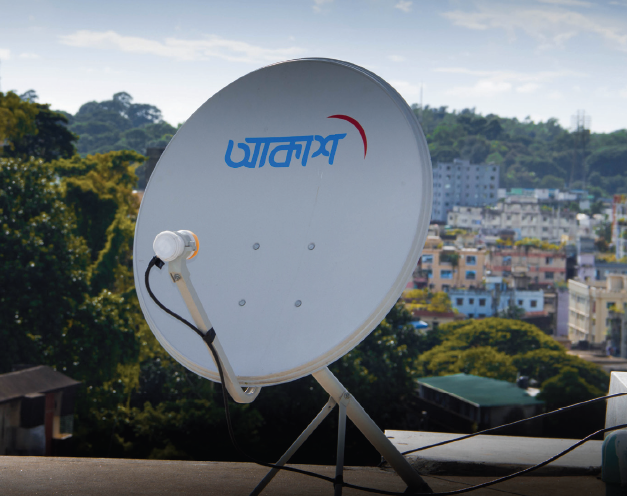
In May 2019, the company launched AKASH—the country’s first-ever direct to home (DTH) television service—with the vision to build a world class digital entertainment ecosystem for Bangladesh. That’s a breakthrough for a country where only 63% of households, or about 23.4 million, have TVs, more than 95% of which are analogue.
“This service has changed the face of the television landscape by allowing every person in a primarily analogue landscape to have access to premium quality digital entertainment,” says Shayan F. Rahman, Chairman of Beximco Communications. “This access to more programming and new content choices will provide support in the continued development and transformation of the nation in the fields of education, health, culture, sports, employment and many other areas.”
With superior picture and sound qualities, AKASH DTH offers a wide range of popular Bangladeshi and foreign TV channels including the world’s biggest sporting events. Beximco will continue to add quality local and foreign content going forward, as well as introduce services such as video on demand and over-the-top media services.
AKASH allows its subscribers the convenience of managing their own accounts for content they wish to subscribe to at their fingertips, while giving them real-time access to customer support 24 x 7. The service is a fully prepaid platform, which means customers don’t have to deal with post-paid billing and payment hassles which is not possible with traditional pay TV operators. This also ensures that the right amount of taxes are paid on all connections and that no tax revenue is lost to the government.
Access To Remote Areas
Being the first operator of DTH service in Bangladesh, Beximco has made significant capital outlay to establish a country wide distribution network, while at the same time marketing the service and building strong brand recognition and product/service loyalty for AKASH.
As consumers increasingly shift towards high-definition and 4K televisions, Bangladeshis won’t fully experience the potential of these advanced products unless they subscribe to AKASH. The DTH service can bridge this gap by offering a technologically superior digital connection that can deliver the picture and sound quality that consumers desire. AKASH is the only player in Bangladesh PayTV industry which offers true HD picture & Dolby audio.
“There is vast scope for expansion and growth especially in the rural and cable dark areas. With the government’s commitment to Digital Bangladesh and subsequently making the digitalization of the television network compulsory, demand will only accelerate and AKASH DTH is perfectly positioned to be the digital broadcasting platform of choice..”
– SHAYAN F. RAHMAN, CHAIRMAN OF BEXIMCO COMMUNICATIONS
With its satellite-based coverage, AKASH can reach all parts of the country, including remote geographies that pose logistical challenges for conventional cable TV operators. The company has also been working to create a skilled service and distribution infrastructure to service deep rural areas with no access to cable TV services.
To enhance the customer experience, AKASH offers customised packages that cater to all customer segments. The service comes with features such as value-for-money offerings, personal video recording, parental controls and program reminders.
Robust Digital TV Demand
“There is vast scope for expansion and growth especially in the rural and cable dark areas,” says Rahman. “With the government’s commitment to Digital Bangladesh and subsequently making the digitalization of the television network compulsory, demand will only accelerate and AKASH DTH is perfectly positioned to be the digital broadcasting platform of choice.”
The future looks bright for AKASH DTH with the PayTV segment in Bangladesh projected to be a multibillion-dollar industry in the next five years. The number of TVs per household is expected to grow substantially due to differing content preferences across gender and age groups, resulting in a corresponding rise in the number of connections per household.
TV viewing has surged and has effectively become an essential service during the pandemic. Against this backdrop, Beximco has continued to install and establish connections for new subscribers, under the strictest guidelines and safety management measures. It has also invested in a contactless transactions platform that provides customers self-help tools and a self- care portal integrated with social media messaging services for related matters.
2021 provided some clarity—economies proved resilient, markets resurgent—after the confusion of 2020. As the new year approaches, there are certainly risks to be managed—inflation, labor shortages, a persistent global pandemic.
Fundamentally, though, there is much to be optimistic about. Accordingly, J.P. Morgan’s Outlook 2022 is confidently predicting that a vibrant cycle lies ahead, with a strong foundation already in place.
Indeed, as a result of the stimulus response to the pandemic, household and corporate balance sheets have rarely been healthier, while shifts in how we work and consume are accelerating innovation. It is entirely possible that these dynamics may usher in a far more vibrant economic environment, one that dispels the sluggish growth and weak productivity that characterized much of the 2010s.
These changes could have important consequences for the markets.
Policymaker Priorities are Shifting
Of those changes, the shift in emphasis on the part of policymakers in various global jurisdictions may have some of the most far-reaching consequences. In the U.S., Congress and the White House have spent over US$4 trillion responding to the pandemic, and now politicians are debating spending another US$2 trillion over the next 10 years.
In Europe, too, fiscal stimulus will continue to be a powerful force—a marked contrast to the early 2010s, when fiscal austerity damaged already weak economies. The European Union has agreed to spend more than 2 trillion euros (US$2.3 trillion) through 2027 to rebuild after the pandemic. EU areas of focus include digital innovation, research, climate focused spending, and pandemic preparedness programs. To offset the cost: proposed financial transactions taxes, digital levies and corporate “financial contributions”. Nevertheless, we believe the spending will be a net positive for economies and markets.
On the monetary side, both the U.S. Federal Reserve (Fed) and European Central Bank (ECB) are committed to generating stronger inflation outcomes with fuller employment. The Fed’s new “Flexible Average Inflation Targeting” regime suggests its willingness to tolerate inflation overshoots to support labor market strength. We expect that the Fed will resist aggressive policy tightening—even in the face of the highest inflation readings in a decade. Similarly, the ECB has also unveiled a new strategy that should remove the assumption that the 2% target was a ceiling for inflation, not a symmetric target.
In contrast to both the U.S. and much of Europe, the picture across Asia is far more nuanced. Many of the region’s developing economies have fiscal space, while developed ones have implemented significant fiscal easing.
However, China, the largest growth driver in the region, has tightened policy in order to rebalance its economy away from real estate.
This, though, is only part of the campaign by Chinese policymakers to rebalance growth drivers and restructure the economy. Their efforts include renewed tightening in the property sector, rapidly shifting internet regulations, ambitious climate change goals and new social campaigns focused on inequality and family values.
Chinese policymakers pursuing long-term reforms and priorities have been willing to do so at the expense of short-term growth. Over the medium-term, markets will likely have to come to terms with the implications of slower structural growth in China. Growth may be more sustainable, but the transition presents near-term risks to the global economy and financial markets.
Can China Finesse a Very Tricky Transition?
For many years, Chinese growth was fueled by easy credit, especially in real estate. Now, growth is slowing significantly. Year-over-year GDP growth in China fell below 5% for the first time outside of the pandemic, after policymakers tightened monetary and fiscal policy to rein in excesses in property markets and to crack down on the digitally enabled consumer sector. In exchange for slower nominal growth, policymakers expect a more sustainable economy driven by middle-class consumption and high value-add manufacturing. The simultaneous pursuit of wide-ranging macro and industrial policies increases the difficulty around policy implementation and introduces downside risks to growth and markets.
Already, the economic and market fallout from this shift has been severe. Opportunities can be uncovered, but we need to consider the full spectrum of opportunities and risks. Remember, too, that while most central banks are either raising rates or debating when to raise rates, Chinese policymakers are probably closer to easing.
China will continue its push toward a modern, high-income economy with world-leading technology, but this path is not assured, and the process will be bumpy. In the long-run, though, the transition could lead to a more durable Chinese economy, one that is marked by higher-quality (if slower-paced) growth.
A New Era of Innovation is Driving Value Creation
Some key drivers that could support higher-quality and more sustainable growth globally in the years ahead are secular mega-trends. The pandemic entrenched some of those mega-trends: digital transformation, healthcare innovation and a greater commitment to sustainability. The question for many will be how to adapt to them and access the opportunities they present.
Digital Transformation
Although the digital transformation process will continue to have a huge impact in many sectors, one in particular is set for unprecedented change. In the auto industry—in many ways the epicenter of disruption—the electrification of the global fleet will prove to be a powerful force. One data point is telling: Electric vehicles have at least four times the semiconductor content of traditional, internal combustion engine ones.
Beyond autos, digital transformation is increasingly common in a wide variety of sectors from finance (payments and the blockchain) to retail (augmented reality), to entertainment (preference algorithms), to healthcare (predictive medicine powered by artificial intelligence). The metaverse could make most life digital, for better or worse.
In another significant development, cloud computing continues to accelerate. Before the pandemic, 20%–30% of work was done in the cloud. Executives thought it would take 10 years for that share to grow to 80%. Now, it could only take three.
In the coming years, we expect the digital transformation of the economy to continue apace: Automation both in goods-producing and service industries will likely increase, possibly catalyzed by shortages in the labor market. Artificial intelligence and machine learning will continue to enable new technologies such as voice assistants and autonomous driving. Companies are investing in innovation at a record pace, and the fruits of these investments can help to underwrite an ever more digital global economy.
Healthcare Innovation
Throughout the course of the pandemic, healthcare innovation has delivered powerful vaccines with astonishing speed. Within the sector, researchers are now looking to see whether the mRNA technology behind many of these powerful vaccines could be used to treat other diseases.
With healthcare innovation set to continue to accelerate, it is anticipated that the industry is likely to become more personalized, more focused on preventative care and more digitalized. Wearables, telemedicine and gene editing are among the other most notable areas in terms of long-term growth opportunities.
Sustainability
2021’s COP26 meeting was one of the most notable developments in climate change policy in recent years. Stronger policy support from the U.S., Europe and China, as well as more frequent and destructive natural disasters, are calling attention to the need for sustainable development.
According to a number of estimates, US$4–6 trillion per year is needed this decade to support efforts to decarbonize the global economy. Furthermore, in order to reach U.S. President Biden’s goal of decarbonizing the energy grid by 2035, the U.S. will need to invest up to US$90 billion per year in new wind and solar generation capacity.
Significant innovation is present in the clean technologies sector, most notably carbon capture, battery storage, renewable energy sources and energy efficiency. The circular economy and agricultural technology are areas that merit attention, while carbon offset markets could also present opportunities.
When assessing the opportunities presented by our three megatrends, it’s critical to diversify across regions, styles and sectors. We also can focus on the megatrends’ enablers: cybersecurity, artificial intelligence, cloud computing and semiconductors. A new era of automation not only holds promise for well-positioned individuals and companies, but could also lead to higher productivity growth across the economy, underpinning a more vibrant cycle in the years ahead.
Monitor the Cross-Currents
Against this largely positive backdrop and the many newly emerging opportunities, expectations should perhaps be a little tempered by the scale of some of the challenges that lie ahead. In addition to the ongoing pandemic-derived uncertainty, other issues commonly cited as causes for concern are the changing priorities of Chinese policymakers and rising inflation.
On the inflation front, this is expected to be a short-term phenomenon, with much of the pressure receding as the labor market normalizes and wages recover towards pre-pandemic levels. Similarly, it is thought that the shortfall in the availability of certain products (notably semiconductors), which has been pushing prices up, would diminish as global supply chains more or less resume normal operations in 2022.
Certainly, this normalization process has proven to be more persistent than many expected. The market, expecting a response to inflation dynamics, has brought forward policy normalization and lift-off expectations with regard to the Fed’s monetary policy. Much of what happens on this front will likely be influenced by how the pandemic develops in the coming year, especially in light of the uncertainties caused by the spread of Covid-19’s Omicron variant.
Coming to Terms with the Virus
While the path of the pandemic has proven very difficult to predict, investors now take the uncertainty in stride. The bad news is that Covid-19 seems likely to become an endemic disease; humans will have to continue to adapt to it. The good news is that vaccinations, immunity gained from prior infection and new treatments all reduce the risks associated with the spread of the disease.
Currently, over 42% of the developed world’s population has completed the original Covid-19 vaccination program, and booster shots are now being distributed. Most estimates suggest that over 65% of the world has some form of protection against the virus, either from inoculation or prior exposure.
However, more Covid-19 outbreaks are likely, possibly due to new variants. To understand how markets may react, we can look at the U.S. experience with the Delta wave: An unexpected rise in cases battered the stocks of companies tied to mobility (such as airlines) and oil prices. The logic: The more Covid-19 spreads, the less travel is likely to take place, so demand for oil falls.
A more complicated consideration is the extent to which certain countries pursue “zero Covid-19” policies. The longer they do, the more potential disruptions there could be to manufacturing output and global supply chains. During the third quarter, companies such as Nike and Toyota cited supply issues due to lockdowns in places such as Vietnam. At one point, up to 50% of all garment and footwear manufacturers in the country were closed. Port shutdowns in China in response to local outbreaks further snarled global shipping.
More broadly, economic growth forecasts for third-quarter annualized U.S. GDP plummeted from 6% to just 2% throughout the quarter amid disruptions to global supply chains that were exacerbated by the rise in virus cases. Business conditions in East Asia (especially China, Australia and Vietnam) further deteriorated.
Recently, increased vaccine penetration has led to a marked improvement in manufacturing operations, and there are tentative signs that global supply chain issues are starting to ease. Going forward, we expect the virus will continue to have a diminishing impact on economies and markets, even if certain sectors remain vulnerable to an increase in Covid-19 cases.
The Future is Bright
With strong foundations in place, the global economy should emerge from the pandemic era stronger than it was before. A vibrant economic cycle is already underway. Considering the unique dynamics and interplay of economies and markets, better days are ahead of us in 2022.
This article is based on J. P. Morgan’s Outlook 2022: Preparing for a Vibrant Cycle. A full copy of this comprehensive, annual forecast can be accessed here
All source and source dates quoted from this article can be referred to the J. P. Morgan’s Outlook 2022: Preparing for a Vibrant Cycle with the hyperlink added at the end.
Jurin Laksanawisit, Thailand’s Deputy Prime Minister and Minister of Commerce
Despite the challenges of the Covid-19 pandemic, the Thai economy is on track to expand 3.9% this year after posting a modest 1% growth in 2021 as consumption and business activities return to pre-pandemic levels, according to the World Bank.
The Southeast Asian economy has come a long way since contracting 6.1% at the height of the Covid-19 outbreak in 2020, thanks to the government’s initiatives to bolster economic growth by encouraging domestic consumption, supporting local entrepreneurs and promoting exports.
With the policies in place, the twin pillars of the economy: domestic consumption and exports are poised for even higher growth. Exports are predicted to grow by at least 5% this year, while private investments will likely increase between 4% and 6%, according to the Ministry of Commerce.
“We are promoting the consumption of Thai products to build confidence and also to encourage the use of our products as raw materials to create added value,” says Deputy Prime Minister and Minister of Commerce Jurin Laksanawisit, adding that Thailand will be focusing on programs that have already proven themselves successful.
The government is also bolstering the new economy by promoting and developing online marketing platforms. “We are developing entrepreneurs to take advantage of the platform economy and online commerce,” Jurin says.
To stimulate innovation and encourage younger generations to become involved in the economy, “we will continue our initiative on human resource development for students to build more entrepreneurs,” says Jurin. “One of our programs, from Gen Z to CEO, focuses on helping the youth become entrepreneurs. In 2021 we had 20,000 participants and we aim to have another 20,000 this year.”
To build sustainable growth, the government is promoting environment friendly economic development using the bio-circular green (BCG) economic model, which leverages technology and innovation to add value to goods and services while mitigating negative environmental and sustainability impacts. The BCG model will be applied in agriculture and food; health and medical; energy, materials and biochemicals; as well as tourism and creative economy.
Thailand will apply the bio-circular green (BCG) economic model in agriculture and food; health and medical; energy, materials and biochemicals; as well as tourism and creative economy.
To support exports, Thailand will foster closer cooperation with members of Association of Southeast Asian Nations as well as Asia-Pacific Economic Cooperation. “We look forward to closer cooperation with APEC member countries as Thailand will host APEC this year,” Jurin says. “We are also redoubling efforts to expedite trade between Thailand and other markets, including China, the US, the EU, countries in the Middle East and Russia.”
In addition to bilateral trade agreements, “we will also be working on more sub-country trade agreements,” says Jurin. Thailand will continue to forge trade agreements with markets in state, provincial or regional areas instead of whole countries. After signing sub-country trade deals with Hainan, China and Kofu, Japan last year, Thailand plans to seal similar accords with other localities in China and India.
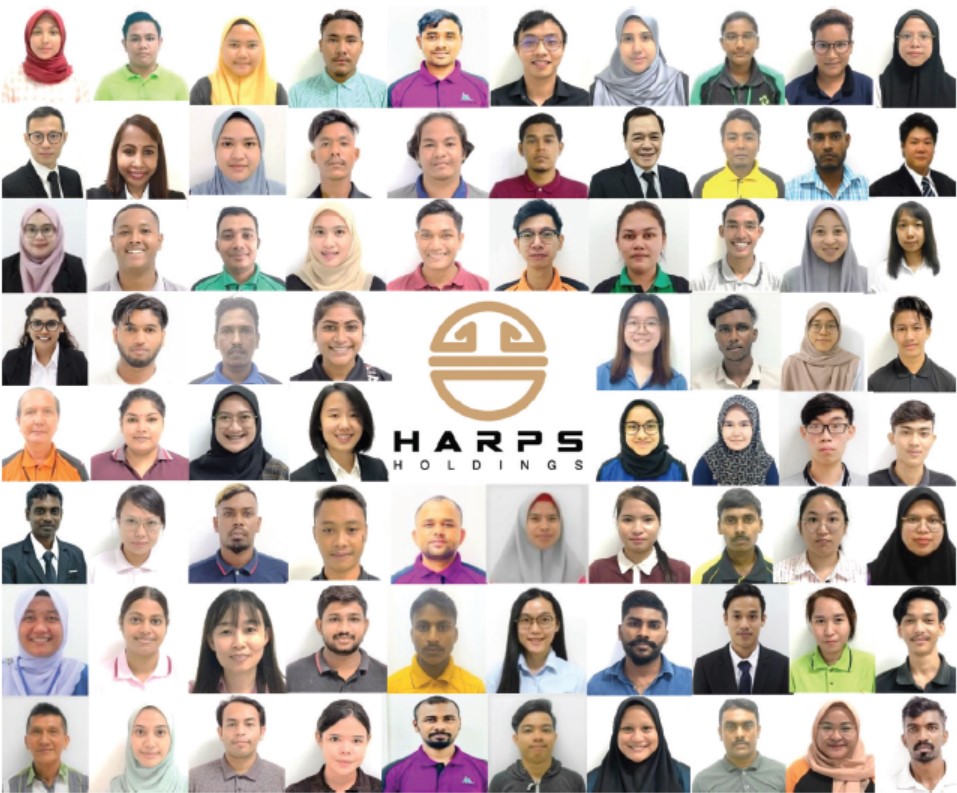
HARPS sees its diverse workforce as the company’s most important asset.
HARPS’ philosophy is built upon four fundamental strategy pillars—evolutionary innovation; commercial and supply chain excellence; human capital development; and operational excellence— which are known internally as ECHO.
Haziq bin Zairel Oh, Founder, Managing Director and CEO of HARPS, was brought up and guided by his father, the late Mr. Oh Tiam Sing, who worked in the glove industry for more than 25 years and who was one of the pioneers of nitrile gloves in Malaysia. Haziq established HARPS in 2015 as an investment company and assembled a key senior management team. Armed with more than 20 years of experience in the rubber industry, and thus possessing a keen understanding of the unique complexities of glove-making, they worked together to manage and lead HARPS and its subsidiaries strategically on their business journey.
Investing in the Future
HARPS acquired Central Medicare Sdn. Bhd. (CMSB) and New Era Medicare Sdn. Bhd. (NEM) in 2015, and has invested approximately RM1.1 billion (US$261 million) in its glove business over the years. Today, via CMSB, it is operating in OEM mode to manufacture and market high-quality nitrile examination gloves. NEM, meanwhile, conducts R&D, and is involved in the manufacturing and distribution of surgical and specialty gloves.
Under CMSB, HARPS currently has 34 production lines with a total annual installed capacity of 11.6 billion gloves, representing an impressive tenfold increase within six years.
Further expansion plans are also underway, and HARPS has invested in building two more manufacturing blocks in addition to its existing four blocks. This will help increase the annual installed capacity to 19.5 billion gloves by 2023.
In 2020, the total global export volume of gloves was approximately 382 billion gloves. As a proportion of global export market share, HARPS held approximately 2% in both volume and value of sales. As of November 2021, HARPS has more than 35 customers across four continents, with the largest proportion coming from the U.S., followed by Asia and Europe. The application of HARPS’ gloves ranges from food safety and industrial to medical and PPE barrier protection.
R&D at the Forefront
HARPS fosters an innovative culture driven by R&D and talent development, with the belief that innovation is necessary to ensure business competitiveness and sustainability. As of October 31, 2021, HARPS has 33 personnel involved in delivering innovations to support product and process development, engineering innovation, technical support and product stewardship. The various application solutions that HARPS has introduced include: eco-friendly malachite gloves with a lower carbon footprint, which is quantified by a cradle-to-grave life cycle assessment; gloves with high permeation resistance for chemotherapy; gloves with resistance to specific chemicals; and gloves with low dermatitis potential.
Central Medicare Sdn. Bhd., a subsidiary of HARPS, operates a manufacturing plant in Teluk Intan, Perak, Malaysia.
Addressing the changing demands of the market over the years, HARPS has fulfilled various customer requirements via successful R&D projects. Based on customer requests, HARPS has managed to decrease the thickness and weight of its gloves, from 3.5 grams in 2015 to 2.7 grams, without compromising on the tensile strength of its products. In addition, HARPS continues to invest in fundamental formulation and material science know-how to enhance its product quality, optimize productivity and ultimately leverage on the hand-barrier protection performance of its products.
HARPS’ state-of-the-art, self-designed glove dipping lines are equipped to produce the highest quality nitrile gloves.
HARPS is also investing in operational innovation, process optimization, automation and digitalization in line with Industrial Revolution 4.0 (IR 4.0), with an initial investment amounting to RM30 million (US$7 million) to continuously improve the efficiency of manufacturing control.
Sustainability and Beyond
Mindful of shifting global priorities, HARPS is working hard to integrate sustainability as not only one of its core values, but also as a key element in its business operations. To chart its path for the future, HARPS has implemented a five-year sustainability roadmap to focus on five key pillars: integrated business strategy, people, environmental, health and safety, and governance and compliance. HARPS’ ESG initiatives are also aligned with the United Nations Sustainable Development Goals.
As reflected in its ECHO strategy and its sustainability roadmap, the people element and human capital development are priorities for HARPS. Viewing its workforce as the company’s most important asset, HARPS places the utmost importance on employee welfare, attributing its continued success to the contribution and commitment of each member of staff. As an illustration of this, the firm has invested heavily in learning and development programs to upskill employees, and has subscribed to globally recognized ethical audit procedures.
HARPS became a member of the Supplier Ethical Data Exchange (Sedex) in 2019 and has since undergone two Sedex Members Ethical Trade Audits. These are based on the Ethical Trading Initiative Base Code, which focuses on the four key pillars of labor standards, business ethics, health and safety, and environment.
The Phase I Permanent Hostel is part of HARPS’ RM50 million (US$12 million) investment to improve the welfare of the company’s workers.
In line with its growth plans, CMSB is expected to expand its workforce from 2,600 to 3,500 staff by 2023. As a growing employer, HARPS implements sound labor practices guided by the International Labour Organization’s 11 forced labor indicators, which include providing a platform for workers to speak out (via a workers’ representative committee) and ensuring that there is no unlawful withholding or deduction of workers’ salaries. A zero-recruitment fee policy is also among the various ESG practices implemented by HARPS, which amounts to a spend of more than RM12 million (US$2.85 million) to date. To improve the living conditions of its foreign workers, meanwhile, HARPS has built permanent hostels that have been assessed by Malaysia’s Ministry of Human Resources, and which hold valid Certificates for Accommodation.
Ultimately, by drawing on its deeply held corporate values, HARPS is on track to bring the principles of sustainability to every part of its business as it continues to grow.
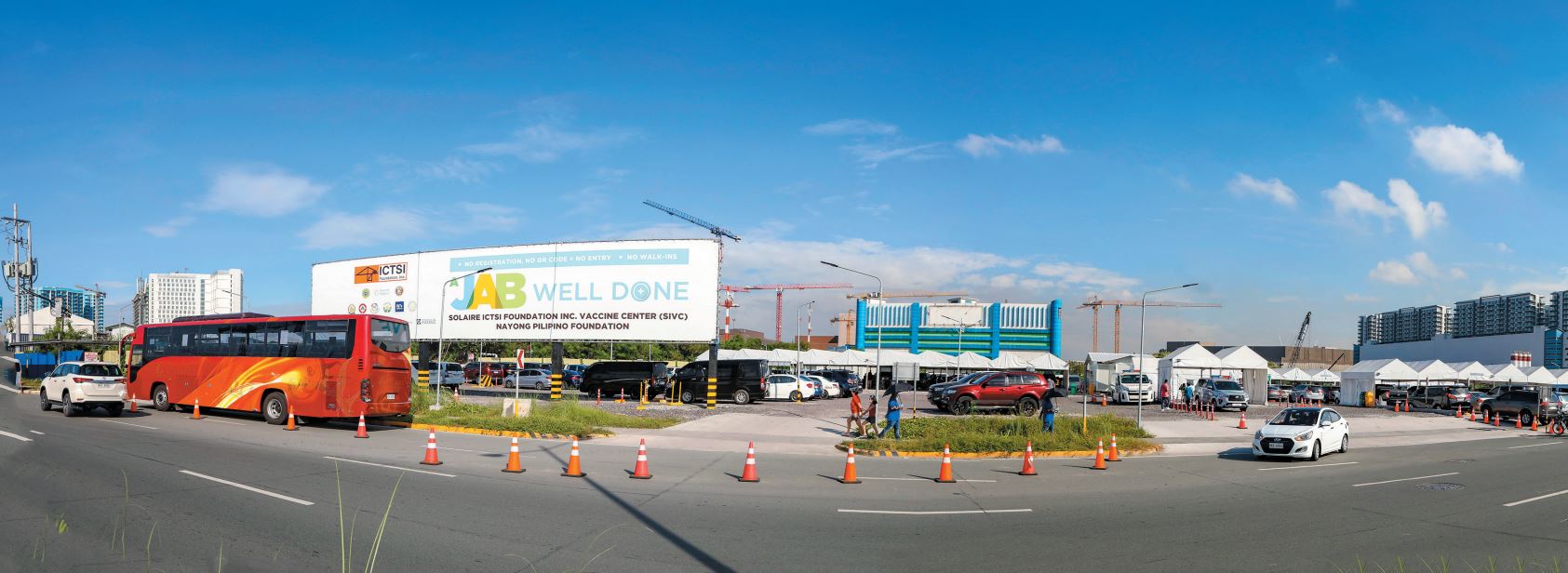
The Solaire-ICTSI Vaccination Center at the Bagong Nayong Pilipino park in Paranaque was built at no cost to the government as part of efforts to help achieve herd immunity in the country.
With the Covid-19 pandemic upending the global economy and severely impacting international trade, the role of ports as vital economic lifelines has never been more pronounced. Driven by passion to serve its stakeholders, International Container Terminal Services, Inc. (ICTSI)—with its ports operating 24/7 across 20 countries and six continents—has proven to be a steadfast partner of the Philippines in facing current challenges.
To navigate its way out of the pandemic, the Philippines needs to speed up the vaccination program across the country to revive the economy. No stranger to overcoming headwinds, the Manila-headquartered global ports giant led by billionaire Enrique K. Razon Jr. is supporting both government and private sector efforts in vaccine procurement and distribution.
At the height of the pandemic last year, ICTSI joined the private sector initiative to procure three million doses of the Oxford-AstraZeneca Covid-19 vaccine and donated 150,000 doses to the Philippine government. The company also partnered with the government in procuring more than 20 million doses of the first batch of Moderna vaccine to arrive in the country, funding and facilitating the international logistics for the order.
ICTSI also spearheaded the construction of the mega vaccination center at the Bagong Nayong Pilipino park near the Manila international airport, facilitating the efficient distribution and administration of the vaccines to residents of Metro Manila and nearby provinces.
With the country’s continued recovery threatened by the lingering pandemic, ICTSI donated an additional 68,300 doses of AstraZeneca to 12 local government units in August. The company is cautiously optimistic that the Philippines’ economic recovery can be sustained now that the vaccination program has made significant headway in the country.
Resilient Performance
ICTSI utilizes technology to help save the environment by rolling out eco-friendly hybrid rubber-tired gantries.
Despite prevailing headwinds brought on by the pandemic, ICTSI posted a resilient performance in the nine months ended September 30, with net profit climbing 73% to US$316.4 million compared to the previous year as global trade recovered across Asia, the Americas, Europe, Middle East and Africa. Revenue from port operations increased 24% to US$1.4 billion, while EBITDA improved 29% to US$829.4 million.
“This is extremely encouraging,” Razon said. “The company’s robust financial position provides a foundation to fund capital expenditures entirely through our strong cash flows and continue to grow ICTSI sustainably for the long term benefit of all our stakeholders.”
ICTSI saw robust organic growth across most of its terminals around the world, supported by prudent actions taken by the company at the onset of the pandemic, as well as considerable improvement in trade activities and favorable business conditions across the diverse markets in which it operates.
“We remain mindful that the pandemic continues to create challenges throughout our industry,” Razon said. “We have good momentum to deliver further disciplined growth and we look to the future with confidence.”
Going Green On A Blue Ocean
Contecon Guayaquil in Ecuador handled the world’s first carbon-neutral-certified container shipment on 12 December 2020.
Despite the challenges brought on by the pandemic, ICTSI is tirelessly implementing Environmental, Social and Governance (ESG) initiatives. The company is moving forward with programs to advance sustainability efforts and push for a greener future.
The company is supporting conservation and eco-conscious advocacies, including the preservation of Palawan—considered as the Philippines’ last frontier—and the cleanup of Pasig River, which connects several municipalities across the Philippine capital. ICTSI’s Manila flagship terminal is also located at the mouth of the river.
ICTSI is also implementing key operational changes to boost energy and fuel efficiency at its ports, while reducing waste, pollution, and carbon emissions. Committed to building a “better normal,” the company recognizes the crucial role technology plays in advancing a more environment-friendly supply chain.
In the past few years, ICTSI has been upgrading its fleet of vehicles to be more fuel-efficient, cutting by half its carbon emissions. The company has also rolled out green initiatives such as eco-friendly wash bays, wastewater recycling facilities, solar-powered warehouses, noise pollution reduction projects, and energy efficient lighting systems at its container terminals.
ICTSI’s Manila flagship terminal replaced its old lighting system with new eco-efficient LED systems.
There is a concerted effort to ensure a sustainable recovery from the pandemic, beyond just going green. Being in the pole position to further this goal, ICTSI sees the future of ports and shipping evolving, leading to a more sustainable and inclusive maritime supply chain. ICTSI has shown it can manage the shift by handling the world’s first carbon-neutral shipment at the Contecon Guayaquil terminal in Ecuador, the first carbon-neutral port in South America.
With its solid performance in port development, strong balance sheet, and far-reaching vision, ICTSI is ready for a more connected, resilient, and sustainable new world coming up on the horizon.
Dian Kurniawati was overwhelmed by anguish every time she visited the shores of her hometown in Java, Indonesia. The waves rushing up to her feet would leave behind plastic bags—a dismal reminder of the impact of human activity on nature, which moved her to address the problem of plastic waste. She founded Tridi Oasis, a venture that turns plastic waste into multiple opportunities.
The company gives a second life to non-biodegradable material. It collects discarded PET bottles and processes the waste into high-quality plastic flakes, which are then used for the manufacture of packaging materials and textiles. The business has created many jobs, especially for those in the informal sector who were the worst hit by the pandemic. “In the long-term, I want Tridi Oasis to turn trash into jobs and useful products,”says Kurniawati.
Canopy Power, founded by Sujay Malve, is another company working towards a cleaner environment. Growing up in India, Malve experienced what it’s like to live with frequent power outages. It inspired him to find an alternative source of electricity using solar energy—a solution that achieves substantial cost savings by cutting diesel fuel usage, while decreasing pollution and CO2 emissions. The firm aims to empower people to move away from fossil fuels and use more reliable and renewable electricity supply. The microgrid and engineering services company is solving the problem of energy access and security for businesses and communities across several remote islands in the Asia Pacific.
Tridi Oasis and Canopy Power are among the many new age enterprises that are leveraging cutting-edge technology to develop innovative solutions that deliver not only commercial success, but also create a positive social impact. Other examples include ATEC which enables universal access to safe and clean cooking, and agritech ventures Listenfield which provides an application programming interface to help produce better quality crops with sustainable agricultural practices.
Unreasonable Impact
A common thread across these enterprises is Unreasonable Impact, a partnership between Barclays and Unreasonable that offers a global accelerator programme to empower mission-driven businesses to create scalable and lasting changes. Jaideep Khanna, Head of Asia Pacific at Barclays, says “Through Unreasonable Impact, we support some of the fastest-growing ventures to help scale up entrepreneurial solutions to the world’s most pressing challenges, and help profit and purpose co-exist.”
The programme is run in cohorts across the Asia Pacific, the Americas, and the U.K. and Europe. It provides resources, mentorship, and a global support network to entrepreneurs working on resolving pressing global problems profitably while sparking innovation and creating jobs.
Daniel Epstein, Founder and CEO, Unreasonable, established the company with the mission to re-purpose capitalism. He believes that entrepreneurs are shaping the future of food, energy and sustainability and that innovative ideas from small- and medium-sized businesses are key to making lasting changes. “Sometimes we need to have unreasonable goals to change the world,” says Epstein.
Changing the World One Venture at a Time
The programme is based on the belief that the power of the collective will make a lasting impact. “Business is about people, partnerships and profitable solutions, and we have to be on the side of the entrepreneurs who take on these mammoth challenges, improve social outcomes, and generate profits for shareholders,” says Lars Aagaard, Head of Mergers & Acquisitions and Financial Sponsors for the Asia Pacific at Barclays.
Unreasonable Impact fellows do not believe in settling with the status quo. Instead, they are motivated to shape progress in the right direction and design profitable solutions to create a sustainable and equitable future. These entrepreneurs can make a dent in employment trends and lead the path towards sustainability, while also innovating across sectors such as food, agriculture, and manufacturing.
“At the forefront of innovation in their respective sectors, we continue to be inspired by each entrepreneur as they challenge the status quo with their impactful solutions,” commented Alexander Harrison, COO APAC & Country CEO, Singapore, Barclays.
All images were taken before the Covid-19 pandemic.











 of energy access and security for businesses and communities across several remote islands in the Asia Pacific.
 Unreasonable Impact
 Changing the World One Venture at a Time


