From the auction room to the marina, Asia’s ultra-high net worth (UHNW) individuals are turning their passions into an integral part of their portfolios. With fortunes continuing to grow at a rapid clip across the region, many individuals and families are leveraging their art collections, superyachts or private jets to help them achieve their financial goals through specialized financing strategies.
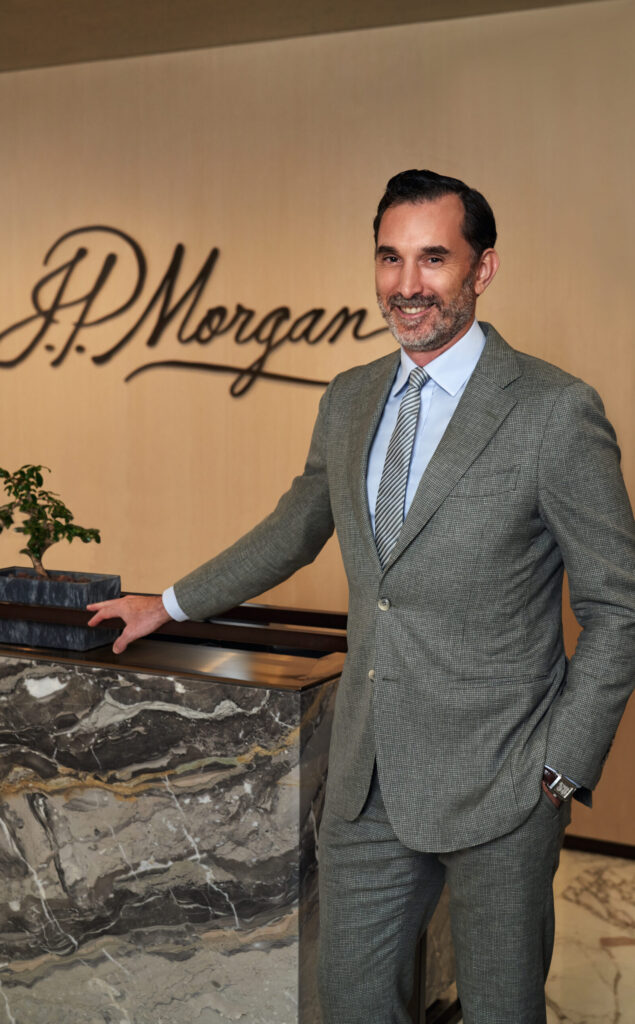
“As more of our clients in Asia acquire lifestyle assets, we are seeing growing interest in using them to unlock value and liquidity. And with greater awareness, we expect opportunities in this space to grow rapidly,” says Stephane Avis, Managing Director at J.P. Morgan, Co-Head of Lending Solutions Asia.
Stephane Avis, Managing Director at J.P. Morgan, Co-Head of Lending Solutions Asia
This shift has created an opportunity for J.P. Morgan to apply its global experience to Asia, where specialty lending strategies for passion assets are still relatively new. While the firm has supported clients in the United States and Europe for decades, its offering in Asia has expanded significantly in recent years.”
A Roadmap to Balancing Lifestyle and Wealth
Despite its promise, managing and financing lifestyle assets is far from straightforward. The complexities of owning such assets often extend beyond financial considerations. Art carries cultural and emotional meaning, while yachts and aircraft require significant operational knowledge and experience. For J.P. Morgan, the entry point to advising clients is always a comprehensive conversation regarding their long-term objectives.
“We create a goals-based roadmap for our clients’ wealth for the coming years and even across generations. This approach enhances our conversations with clients, allowing us to focus more deeply on what truly matters to them and to tailor strategies that help achieve their unique goals,” explains Avis.
Such an approach is particularly useful when clients inherit assets they may not know how to manage. For instance, an art collection built over decades may represent family history as well as significant financial value. Clients may hesitate to sell while also considering their liquidity needs.
Lending against this art provides “liquidity without liquidation,” allowing them to preserve ownership while releasing capital to expand their collections or pursue other investments. The same holds true for yachts and aircraft, which often straddle the line between lifestyle and business use. “The more you can look across the client’s balance sheet and lend, not just on liquid assets but also on property or lifestyle assets, the more choices they have and the more flexibility they have in how they want to design a long-term wealth plan,” says Steven Hawkins, Managing Director at J.P. Morgan, International Head of Specialty Lending.
“As more of our clients in Asia acquire lifestyle assets, we are seeing growing interest in using them to unlock value and liquidity.”
– Stephane Avis
Asia’s Take on Passion Assets
While the trend toward lifestyle assets is global, Asia presents its own set of distinct characteristics. Infrastructure for yacht ownership in the region, for example, is still developing. Marinas in Singapore, Hong Kong and other hubs are expanding, yet capacity remains limited. Similarly, private jet ownership is growing rapidly, creating demand for new airport facilities.
“The nature of the asset might change depending on the region. In Asia, the infrastructure for superyacht ownership is still being built out. You might not see as many superyachts locally, but many Asian owners will keep theirs in the Mediterranean or the Caribbean. As infrastructure grows, you are going to see further expansion,” says Hawkins.
Art, however, is firmly embedded in Asia’s family traditions. Families see collections as cultural legacies, and younger generations are increasingly engaged with the art world. “If your parents have invested 40 or 50 years in a specific part of the art world and you inherit that, there is history to it,” notes Avis.
“There might be desire for the next generation to keep the collection, but it is a lot of money sitting idle. That is why we want clients to think about the balance sheet holistically,” he adds.
“What we are doing today, we believe, may be good for you in five years or 10—and good for your grandchildren in 50 years.”
– Steven Hawkins
With one of the world’s largest corporate art collections, J.P. Morgan draws on its deep history with art to help clients navigate the complexities of building and preserving collections. The firm also sponsors leading events and exhibitions such as The European Fine Art Foundation (TEFAF), Paris Photo and the National Gallery Singapore, extending its engagement to the broader art community.
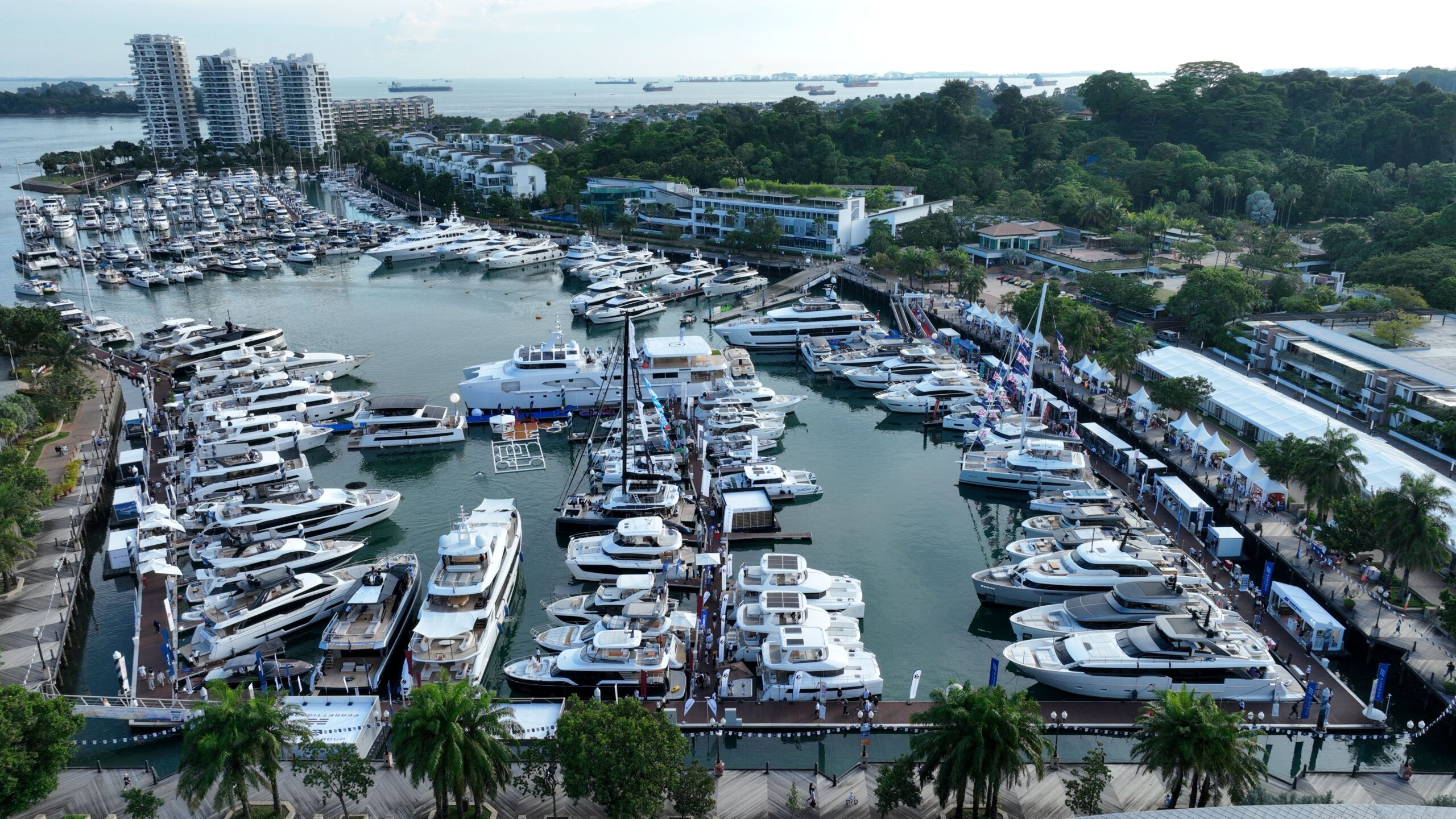
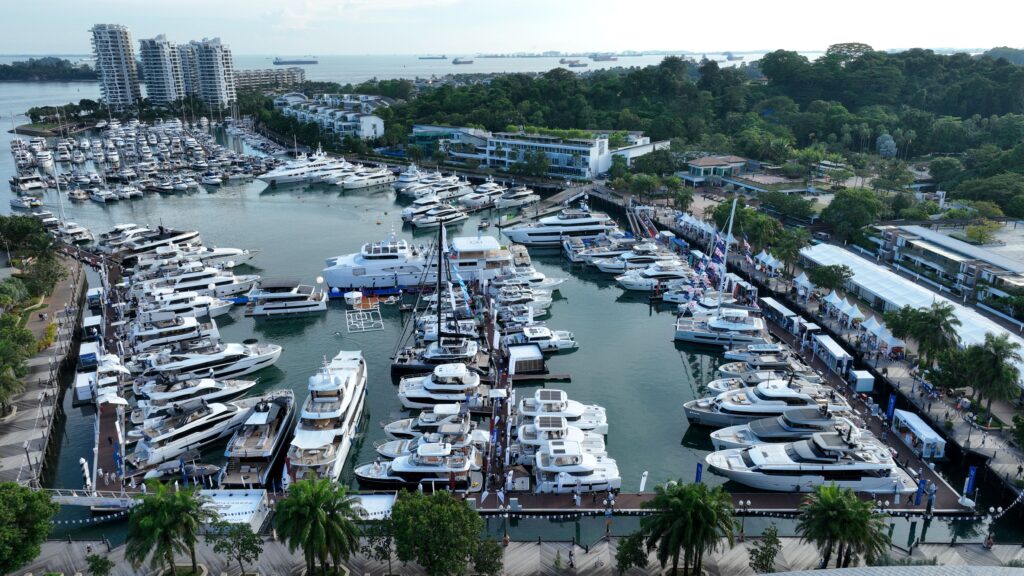
Singapore Yachting Festival 2025, where J.P. Morgan served as the Official Banking Partner.
Beyond the art world, the bank has sponsored the Singapore Yachting Festival and the classic car race Mille Miglia. Together, these activities create opportunities for clients to engage, network and learn across the industries that inspire their passions.
“A lot of the value we bring is not just in the balance sheet. It is being able to engage with a family who is maybe purchasing or building their first superyacht and helping them navigate what it means to own one. It is the same in the art space, where we provide a bridge into the industry,” says Hawkins.
Strength in Scale and Connectivity
The appetite for passion assets is set to accelerate in Asia as wealth continues to expand and successive generations take the lead in managing family fortunes. J.P. Morgan expects demand for specialty lending in the region to keep rising, supported by greater awareness among clients and growing infrastructure for yachts, jets and art storage.
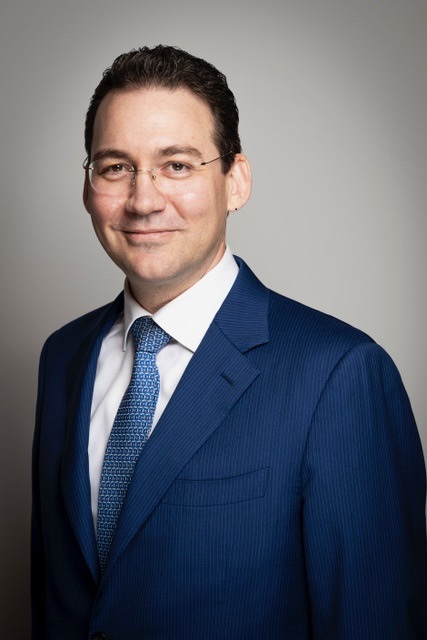
Steven Hawkins, Managing Director at J.P. Morgan, International Head of Specialty Lending
The competition in this fast-growing space is intense, but J.P. Morgan’s scale and connectivity offer clear advantages. With a fortress balance sheet, the firm is able to support clients through market cycles, providing stability and confidence even in uncertain conditions. Its worldwide network also ensures clients can access the same capabilities wherever they are, whether in Asia, Europe, Latin America or the U.S.
“Our clients are very mobile. They want to make sure that when they talk to J.P. Morgan, wherever they are, they get the high-level service and consistent answers. The networking and connectivity we have across the firm is extremely important,” says Avis.
The bank’s strength also lies in the long-term approach to client relationships, adds Hawkins. “We really do take a partnership approach when it comes to lending. When we provide access to the balance sheet, it is not on a transactional basis. What we are doing today, we believe, may be good for you in five years or 10—and good for your grandchildren in 50 years.”
It took decades of grit, deal-making and sacrifice for many of Asia’s first-generation entrepreneurs to build their family empires. Yet despite the scale of these fortunes, history shows that most family wealth doesn’t survive beyond the third generation.
A 20-year study by US consultancy The Williams Group, involving over 3,000 wealthy families, found that 70% lost their wealth by the second generation, and 90% by the third.
This should raise alarm bells in Asia, where a massive generational wealth transfer worth US$5.8 trillion is underway—and many families are woefully underprepared.
Navigating Wealth Transfer Complexities
One of the key challenges during this transition is how the older generation can transfer their wealth to the next without jeopardizing family harmony. There are likely going to be differing views on how to run the family business or preserve the family legacy.
These complexities have reshaped the role of wealth managers. Today, wealth management goes beyond growing a portfolio—it’s about tailoring financial plans to the needs of each key family member. Additionally, high net worth (HNW) families are increasingly demanding sophisticated investment products and strategies.
Jeffrey Yap, Managing Director and Regional Head of Wealth Management at Hong Leong Bank
Wealth managers are also the “bridge” that connects each family member, helping HNW families to better understand their assets, capital structure, values and vision for the future. All of this will help HNW families structure their wealth to meet their goals.
Jeffrey Yap, Managing Director and Regional Head of Wealth Management at Hong Leong Bank (HLB), says families building generational wealth often grapple with “complex financial considerations like intricate tax laws and sophisticated estate planning.”
He adds, “Beyond finances, they face the delicate task of managing family dynamics, which include fostering communication, preventing entitlement and preparing the next generation for responsible stewardship. Protecting privacy and reputation also becomes a significant concern amid their affluence.”
A Strategic Alliance With A Shared Philosophy
In 2025, HLB, the Malaysian financial services powerhouse with a strong regional presence, joined forces with Lombard Odier, Switzerland’s oldest private bank, in a strategic alliance to serve the growing wealth segment under HLB Private Bank, the bank’s private banking arm. This collaboration combines HLB’s extensive understanding of the Southeast Asian market, including its operations in Singapore (HL Bank Singapore), Hong Kong, Vietnam and Cambodia, with Lombard Odier’s two centuries of global wealth management expertise.
Commenting on this partnership, Yap says, “We want to be our clients’ strategic partner in legacy building because for HNW families, wealth isn’t just about assets, it’s about a lasting purpose and future generations.”
Vincent Magnenat, Asia Group Regional Head and Global Head of Strategic Alliances at Lombard Odier
Vincent Magnenat, Lombard Odier’s Asia Group Regional Head and Global Head of Strategic Alliances, says the partnership with HLB was the right fit as they share common wealth management vision and values.
“We resonate with HLB’s 120-year legacy and culture of innovation and technology adoption in financial services,” says Magnenat. “Our strategic alliance provides a holistic, ‘glocal’ proposition—strong global expertise paired with local insights and perspectives to empower leading onshore HNW clients to achieve their financial ambitions and aspirations.”
Yap says, “We hope the partnership through HLB Private Bank will benefit clients with thoughtful, responsible and compelling solutions for multi-generational wealth transfer and legacy planning, drawing on Lombard Odier’s expertise and first-hand experience.”
Global markets have entered a phase of heightened volatility in 2025 after U.S. President Donald Trump unveiled a fresh round of tariff hikes that threaten to spark a global trade war. Following the announcement of the “Liberation Day” tariffs in early April, markets reacted sharply, with major stock indexes, including the Hang Seng Index, plunging to multi-year lows in the days following.
The tariff shock and ensuing market turbulence have reignited fears of global trade fragmentation, persistent inflation and renewed supply chain disruptions. In response, ultra-high net worth individuals (UHNWIs) across Asia are reevaluating their investment strategies, looking for greater diversification to help mitigate volatility, weather-proof their portfolios and secure long-term objectives.
Incidentally, private markets and alternative investments have increasingly gained the interest of UHNWIs looking beyond traditional investment products to grow alpha while building a more diversified portfolio. The recent market volatility has heightened their appeal for these investors, as private markets, in particular, are less sensitive to macro factors.
“We are seeing growing interest from our clients in private markets and alternative solutions as part of a broader portfolio diversification strategy,” says Raymond Ang, Global Head of Private Bank and Affluent Clients, and Head, Wealth and Retail Banking, Greater China and North Asia, Standard Chartered.
Raymond Ang, Global Head of Private Bank and Affluent Clients, and Head, Wealth and Retail Banking, Greater China and North Asia, Standard Chartered
Unlocking New Opportunities in Private Markets Private markets encompass a broad universe, from private equity and private credit to real estate and infrastructure. While each strategy is distinct, they all involve direct investments into privately held, high-potential companies or assets, often with a view to add value through strategic or operational improvements.
Private equity remains the most established segment, accounting for over 60% of global private markets assets under management. According to McKinsey, these assets were valued at approximately US$13.1 trillion as of June 2023, having grown at an annual rate of 20% since 2018.
Private markets have historically been dominated by institutional capital. However, there is growing interest from wealthy investors, not only in the West but also increasingly in Asia, looking to increase their allocations in this space. Several global wealth managers are now expanding into Asia to tap the region’s rapid wealth accumulation. At the same time, Asian families are becoming more sophisticated and adopting endowment-style investment approaches, which emphasize long-term diversification.
Higher return potential is one key draw. Private equity and private credit have consistently outperformed their public market counterparts. This outperformance is often attributed to a liquidity premium, where investors are rewarded for committing capital for longer periods, and to the fact that many high-growth companies now stay private for longer.
Diversification is another important benefit. There are nearly nine times more private companies than public ones globally with annual revenues above US$100 million. These private firms offer access to a broader universe of opportunities that are less sensitive to macroeconomic factors and news flow that typically affect public market investments.
“More wealthy families in Asia are drawn to private markets not only for their potential for superior returns, but also their access to a wider range of opportunities that are less exposed to day-to-day market volatility,” says Nicholas Cheng, Head of Private Markets Group, Private Banking, Standard Chartered.
As such, private equity managers can create value by investing capital directly into these companies. Private markets also enable early exposure to promising, innovative companies before they go public or are acquired.
Nicholas Cheng, Head of Private Markets Group, Private Banking, Standard Chartered
Expanding Access Through Innovation Traditionally, UHNW investors have accessed private markets either through direct deals or closed-end private equity funds. However, the landscape is evolving. New structures are lowering entry barriers. At the same time, innovation is enhancing how co-investments are sourced and managed.
Standard Chartered Global Private Bank is helping clients take advantage of this evolution. In February this year, it launched its Private Markets Co-Investment Club (CIC), a platform that offers UHNW clients access to curated, institutional-grade co-investment opportunities in private markets. The investment strategies currently cover global buyouts and could expand to include late-stage venture capital, thematic real estate, targeted private debt and specialized niche sectors.
Co-investments offer several benefits, including more control over deal selection, enhanced transparency and lower fees.
“We are disrupting the industry with the CIC to offer our clients differentiated access to high-quality direct investment opportunities that are otherwise not readily available,” says Ang. “The CIC provides a structured and programmatic approach to institutional-grade, single-asset co-investment deals.”
Expanding the Alternatives Menu At the same time, alternative assets are becoming increasingly mainstream. While hedge funds and structured products remain part of the mix, investors are now exploring more unconventional areas, including sports, media and entertainment. Standard Chartered’s launch of a European private credit fund, along with its more recent sports-focused fund, is a direct response to growing demand for alternative investments from its UHNW clients.
Take the booming market for sports media rights, for instance. Broadcasting rights for major leagues such as football and cricket have reached record highs, driven by digital consumption and global fan engagement. Private equity firms are acquiring stakes in franchises, betting on their long-term monetization potential.
“As team valuations continue to rise, fewer individuals have enough wealth to purchase a team. This opens up a golden opportunity for private wealth today, as clients could not access these franchises in the past,” Ang says.
Standard Chartered recently launched a new alternatives fund in the sports, media and entertainment space, responding to sophisticated investors’ interest in this growing segment.
“As clients increasingly look to incorporate alternatives into their portfolios to achieve greater diversity and long-term growth, the new fund offers a professionally managed solution for our clients to access high-quality private market opportunities with institutional grade risk-management and oversight,” says Sumeet Bhambri, Global Head, Advisory and Management Investments at Standard Chartered’s Wealth Solutions.
Although these assets are complex and often illiquid, they offer exposure to differentiated value drivers, such as intellectual property, brand equity and recurring income streams, making them attractive to select investors.
Navigating Complexity With Expert Guidance As allocations to private and alternative assets increase, so does complexity. UHNW portfolios often span multiple jurisdictions and require nuanced structuring, legal oversight and risk management.
Standard Chartered Global Private Bank offers a comprehensive suite of discretionary and advisory solutions to meet these needs. From closed-end funds to evergreen structures and co-investments, clients can tailor their exposure based on liquidity preferences and risk tolerance.
Education remains a key focus. The bank supports clients through workshops, market insights and investment briefings, helping them better understand emerging trends, exit timelines and manager performance.
This support is especially critical in Asia, where many family offices are still in the early stages of adopting private market strategies, although a shift is underway. According to joint research from Raffles Family Office and Deloitte, family offices in Asia-Pacific are allocating an average of 12% to direct investments and only 4% to funds.
In an increasingly volatile and unpredictable global environment, preserving capital and building long-term resilience have become critical for Asia’s UHNW families. Private markets and alternative investments are viable options to meet these evolving goals, especially if clients have wealth managers that can guide them with knowledge and advice, as well as provide them with access to suitable partners and opportunities.
Imagine a successful entrepreneur in their 40s or 50s, with thriving business interests across Asia, property investments in Europe and the Middle East, and children attending universities around the world. Their wealth is not only spread across borders, but also spans a wide range of business and personal needs. Having spent most of their career growing their fortune, they are now focused on preserving their wealth and passing on a legacy that reflects their values.
This situation is typical of today’s ultra-high net worth individuals (UHNWIs), whose needs are becoming as complex and diversified as their portfolios. To realize their financial ambitions, many are seeking sophisticated wealth management solutions that go beyond traditional banking services.
By leveraging the capabilities of a global banking group, Standard Chartered Private Bank is able to offer its UHNW clients a comprehensive suite of capabilities tailored to meet their unique requirements.
Driving Performance With Expert Insights A key component of this tailored approach is Standard Chartered’s Chief Investment Office (CIO), which provides expert guidance to UHNWIs, helping them make well-informed investment decisions. At the heart of the CIO’s advisory approach is an investment philosophy designed to counter common behavioral biases in decision-making. The CIO team leverages diverse perspectives—both internally and externally—to offer clients a balanced, well-rounded view of the market outlook. Through carefully crafted asset allocation models and sector insights, the CIO team provides customized investment recommendations across multiple asset classes.
Unlocking Opportunities in Private Markets For many UHNWIs, traditional public markets by themselves do not offer all the opportunities for clients to achieve their wealth growth goals. They are increasingly turning to alternative solutions and private markets to diversify their portfolios and achieve greater resilience. Standard Chartered Global Private Bank provides the connection to these hard-to-access opportunities in private market investments, which are traditionally reserved for large institutions.
Customized Lending Solutions Structured lending has become another essential tool for UHNW clients who need to manage both growth and liquidity. Standard Chartered Global Private Bank’s structured lending solutions cater to various financing needs, from enhancing yields on investments to unlocking capital in concentrated stock holdings. For example, clients with significant single-stock holdings can access liquidity to diversify their portfolios without sacrificing control over core assets.
These lending solutions also address short-term liquidity requirements, helping clients navigate both personal and business investments. For instance, the private bank recently helped a Southeast Asian client refinance a large loan, originally held with another private bank.
“Based on past experience, the client was concerned about whether a new banking partner would truly understand his needs, and be committed to a long-term relationship. We responded by structuring a three-year lending solution at competitive pricing, demonstrating our understanding of the client’s need and desire to forge an enduring partnership with him,” says Tristan Tan, Global Head, Structured Lending, Standard Chartered.
Planning for Future Generations As UHNW families expand and financial priorities shift, Standard Chartered is able to provide them with comprehensive services related to succession planning, family governance and intergenerational wealth transfer. With a deep understanding of its clients’ long-term goals, the bank helps preserve family legacies through governance structures that reflect each family’s values.
To further support legacy and succession planning, Standard Chartered recently hosted a Global Family Network Forum in Hong Kong, where UHNW families from around the world gathered to share insights. The bank also emphasizes the importance of engaging the next generation and has plans for programs that will equip future family leaders with the knowledge necessary to manage wealth in a rapidly evolving financial landscape.
Meeting Holistic Financial Needs As part of a global financial institution, Standard Chartered Global Private Bank is able to offer both personal and corporate financial services. A single relationship helps UHNW clients to manage all aspects of their wealth by bringing together specialist teams to offer the relevant personal and corporate banking solutions, such as debt issuance and trade finance.
Alongside its direct services to UHNWIs, Standard Chartered also supports External Asset Managers (EAMs), who serve wealthy clients and family offices across Asia. Through this partnership model, EAMs gain access to Standard Chartered’s extensive network, infrastructure and full suite of products while maintaining direct relationships with their clients.
“This collaboration ensures that EAMs have the support they need to fulfill UHNW clients’ needs comprehensively. It also reflects Standard Chartered’s commitment to delivering end-to-end solutions for UHNWIs, whether directly or through trusted advisors,” says Vic Malik, Global Head, EAM, Standard Chartered.
As UHNW clients increasingly seek financial services partners that understand both the complexity and unique nature of their wealth management needs, Standard Chartered Global Private Bank has demonstrated its ability to deliver comprehensive solutions that empower its clients at every stage of their wealth journeys.
As Asia’s high net worth (HNW) population continues to expand, AIA Singapore (AIA) is stepping up to meet the changing needs of this discerning clientele. In recent years, the insurer has experienced significant growth in the HNW segment, fueled by a powerful combination of tailored wealth management products and a holistic focus on well-being.
At the core of AIA’s success is the ‘Wealthbeing’ by AIA proposition, a comprehensive offering designed to support both the financial and personal aspirations of HNW clients. Leading this evolution is CEO Wong Sze Keed, whose vision and hands-on leadership have strengthened AIA’s approach to serving the HNW market since she took the helm in 2020.
Putting People at the Heart of Success For Wong, the key to success lies in prioritizing people. “At the heart of our organization are the people—be it our clients, employees, or insurance representatives,” she says. This guiding principle has redefined AIA’s culture, resulting in an inclusive and positive environment, where employee well-being and professional growth are front and center.
By championing employee wellness, Wong’s leadership has led to improved outcomes for employees and clients.
As an advocate for mental well-being, Wong made the award-winning comprehensive wellness program, AIA Vitality, available to employees as part of their benefits. This initiative extends to customers, and aims to encourage healthier lifestyle choices by empowering members on their wellness journey. It ensures AIA employees are well-supported and better positioned to serve customers and positively impact the broader community.
Additionally, Wong focuses on equipping her team with necessary skills to thrive in an ever-evolving industry, ensuring they deliver exceptional service to clients. One notable achievement is AIA’s partnership with the Wealth Management Institute of Nanyang Technological University, where personal wealth managers receive specialized training and certification to match the expertise of private bankers.
“Our clients have noticed the difference,” Wong says, reflecting on the overwhelmingly positive feedback. “When our wealth managers are empowered with the right tools and knowledge, they can offer an enhanced level of service, providing clear guidance and personalized solutions.”
This investment in professional development has improved employee engagement and spurred innovation, translating into stronger service and higher customer satisfaction.
Going Beyond Wealth With Asia’s HNW population expected to increase by 61% to 28.2 million by 2026, the need for wealth management solutions that offer more than just financial security is growing. In response, Wong led the ‘Wealthbeing’ by AIA proposition, which blends wealth creation with well-being, aligning with her vision of helping HNW clients achieve financial success and a healthier, more fulfilling life.
“‘Wealthbeing’ by AIA is about maximizing growth and personal fulfillment,” Wong explains. “We help HNW individuals prioritize their well-being so they can live Healthier, Longer, Better Lives—because health is wealth.”
A key feature of this initiative is AIA Altitude, a bespoke program that offers HNW clients a range of exclusive benefits, from personalized services to premium health solutions and invitation-only lifestyle experiences. AIA Altitude surpasses typical wealth management, helping clients grow their portfolios while enhancing overall quality of life.
Ribbon-cutting ceremony at the opening of AIA Wealth Centre with guest-of-honour, Gillian Tan, Assistant Managing Director of the Development and International Group and Chief Sustainability Officer of Monetary Authority of Singapore (fourth from left)
Shaping the Future of Wealth with Bold New Solutions Wong has driven the creation of innovative products tailored to the unique needs of wealthy clients. One standout offering is the AIA Platinum Series, a suite of wealth management solutions that includes the AIA Platinum Wealth Elite and AIA Platinum Indexed Legacy plans. These products provide flexible options for legacy protection and wealth accumulation, helping clients to manage and transfer their wealth effectively across generations.
The AIA Platinum Indexed Legacy plan, launched this year, is particularly notable for combining high insurance coverage with opportunities for wealth growth. Clients can benefit from potential market gains while maintaining protection during downturns, a key feature that appeals to those seeking security and growth potential.
Dedicated Platforms for Personalized Service AIA introduced new platforms including the recent launch of the AIA Wealth Centre and AIA International Wealth, reflecting the company’s commitment to providing comprehensive, tailored solutions for its HNW clients.
Situated in Singapore’s business district, AIA Wealth Centre provides an exclusive space where HNW clients can consult with experts in fields such as legal, tax and trusts. This multidisciplinary approach provides clients with holistic advice tailored to their financial goals and personal aspirations.
AIA International Wealth, a subsidiary of AIA, leverages Singapore’s standing as a financial hub to offer curated insurance solutions across the region. By drawing on AIA’s wealth management expertise, AIA International Wealth ensures clients can securely grow and manage their wealth.
Aligning With Singapore’s Financial Hub Vision Wong not only transformed AIA from within but positioned the company to align with Singapore’s broader financial ambitions. As Singapore strengthens its role as a global wealth management hub, AIA plays a key role by investing in innovation and talent development.
“Singapore will continue to attract more Asian and global wealth residents in the coming years,” Wong says. “It’s the perfect base for businesses and investors looking to capitalize on Asia’s immense growth potential.”
Her long-term vision for AIA is clear: to remain the leading and most trusted insurer for HNW clients, both locally and regionally. As the financial landscape shifts, Wong is committed to keeping AIA ahead of the curve, leveraging technology and data insights while ensuring that the company’s personal touch remains intact.
“As we grow, we aim to stay at the forefront of the industry, setting new standards of excellence in meeting the needs of our discerning clients,” she says.
Under Wong’s thoughtful leadership, AIA continues to raise the bar in serving its HNW clientele. With a bold vision, innovative solutions and a dedicated focus on well-being, AIA remains well-positioned to lead in the wealth management space, offering clients not just financial solutions, but a pathway to living Healthier, Longer, Better Lives.
Standard Chartered at Dubai International Financial Centre is one of the bank’s four wealth hubs.
Picture a wealthy multi-generational family with homes spread across continents, children attending schools in different time zones and business interests ranging from private equity in Europe to consumer goods in the Middle East and technology startups in Asia. Their needs go beyond simply wealth management to encompass a comprehensive suite of solutions that address cross-border investments, risk management and legacy planning.
As they move through different stages of life, the priorities of these ultra-high net worth (UHNW) individuals and their families shift, from growing their assets to ensuring that wealth is transferred smoothly to their heirs. For many, their business ventures are also deeply intertwined with their personal wealth, making corporate finance just as critical as investment management.
Standard Chartered Global Private Bank has long understood these evolving needs, offering its UHNW clients a range of tailor-made solutions and services to achieve their objectives throughout their lives and wealth journeys.
In particular, Standard Chartered’s ability to meet cross-border needs, such as multi-currency accounts and international mortgages, is critical for these individuals. Families with children studying abroad, for instance, often require international financing options for property and education expenses. This level of flexibility is made possible through the bank’s global network and local expertise, making it a natural partner for clients managing assets across multiple jurisdictions.
For the more experienced clients and established business owners, the emphasis shifts toward wealth preservation and legacy planning. “The question becomes not only how to maintain wealth, but how to ensure it is passed on in a way that reflects the client’s values and vision for the future,” says Vinay Gandhi, Regional Head, Private Banking for Europe, Middle East & Africa, and Global Head, South Asian Community, Standard Chartered.
Here, Standard Chartered Global Private Bank’s family advisory and wealth planning services come into play, providing tailored guidance on topics ranging from succession planning to philanthropy.
A Flexible, Unbiased Approach Central to Standard Chartered’s wealth management strategy is its open architecture model. This means that instead of advising solely on proprietary products, Standard Chartered sources its investment solutions from a global range of asset managers, ensuring unbiased recommendations that best suit each client’s unique needs.
“Our open architecture platform means we are not beholden to any single product or asset manager, which allows us to be completely client-focused,” says Gandhi. This flexibility enables the bank to partner with its clients to craft diversified investment portfolios that can adapt to both market conditions and clients’ changing priorities.
Furthermore, Standard Chartered’s investment approach ensures that portfolios are robust enough to weather market volatility, incorporating a variety of asset classes from traditional equities and bonds to alternative investments, such as private equity and hedge funds, while positioning clients to take advantage of long-term growth opportunities.
Vinay Gandhi, Regional Head, Private Banking for Europe, Middle East & Africa, and Global Head, South Asian Community, Standard Chartered
The Power of One-Bank Solutions A key feature of Standard Chartered Global Private Bank’s service is its “one-bank” approach, which enables clients to tap on the capabilities of the entire Standard Chartered group to meet both their personal wealth and business needs through a single platform. This is particularly beneficial for the growing entrepreneurial UHNW client segment.
“We offer a holistic solution for clients with both persona l and corporate financing requirements. It’s not just about managing their personal wealth but also supporting their business activities through our corporate banking services,” Gandhi explains.
Leveraging the close collaboration between the bank’s private and corporate banking divisions, clients can access services like debt issuance, trade finance and syndicated loans in addition to personal wealth management.
A Specialist in Islamic Finance Another area of expertise that Standard Chartered Global Private Bank has increasingly focused on is Islamic finance. With the global Islamic finance industry projected to grow from US$4.5 trillion in 2022 to US$6.7 trillion by 2027, the private bank is well-positioned to meet the Islamic financing needs of UHNW clients in key regions such as the Middle East, which has seen a rapid accumulation of wealth in recent years.
“Islamic finance is no longer a niche market, but a rapidly expanding area of wealth need,” says Gandhi.
Standard Chartered Saadiq, the Islamic finance arm of the bank, offers a wide range of Shariah-compliant products, from savings and current accounts to home finance and wealth management solutions. These products adhere strictly to Islamic principles, ensuring they are free from interest and other elements forbidden under Shariah law.
UHNW individuals and families are increasingly seeking bespoke advice and financial solutions to meet their plethora of needs.
What makes Standard Chartered’s offering stand out in this space is its deep-rooted expertise across key markets in the Middle East, South Asia and Southeast Asia. The bank’s long-standing presence in these regions, combined with its comprehensive Shariah-compliant systems, allows it to deliver financial solutions that align with clients’ ethical and religious beliefs.
Moreover, Standard Chartered’s Islamic solutions are crafted with expert guidance from its global Supervisory Committee of Shariah scholars, adding to the robustness of its offerings.
Standard Chartered has won numerous awards for its Islamic finance offerings in the past few years. In 2024 alone, the bank was honored with Euromoney’s “Best Islamic Bank” awards in the United Arab Emirates, Bangladesh and Pakistan.
Crafting a Meaningful Legacy Philanthropy and sustainable investing are also becoming increasingly important for many UHNW clients, particularly those focused on leaving a meaningful legacy. Standard Chartered helps clients integrate these elements into their wealth plans, guiding them on sustainable investing opportunities and philanthropic initiatives that align with their long-term goals.
By offering solutions that meet its clients’ entire spectrum of needs, Standard Chartered Global Private Bank is helping UHNW families navigate their financial journeys with confidence, from growing their assets to preserving their legacies for future generations. Says Gandhi, “Our mission is simple: to provide solutions that meet our clients’ needs today, and support their ambitions for the future.”
As China’s affluence continues to rise, we see more and more ultra-high net worth (UHNW) individuals who are globally mobile and internationally minded with increasingly complex financial needs. These wealthy “Global Chinese” have substantial wealth and are actively engaging in international investments and business ventures. This demographic is not limited to those residing within mainland China but also includes Chinese expatriates and entrepreneurs based overseas who are deeply integrated into the global economy.
One region in particular that has experienced rapid wealth accumulation in China is the Greater Bay Area (GBA), a megalopolis of 86 million people made up of nine cities and two special administrative regions in South China, including Guangdong Province, Hong Kong and Macau.
Guangdong alone is home to over 300,000 households with net family assets exceeding RMB10 million (US$1.4 million). Indeed, the number of high net worth (HNW) households in the province accounts for 16% of all such households on the mainland. Meanwhile, Hong Kong is the top destination of wealthy mainland Chinese for their overseas investments.
The financial needs of the Global Chinese are diverse. These individuals often require comprehensive solutions that go beyond traditional banking, encompassing personal wealth management, business financing and cross-border transactions. Furthermore, as they often have families residing in different countries, they also require convenient access to financial services in multiple jurisdictions.
“A typical UHNW Chinese client might have a private banking account in Hong Kong, a family office in Singapore, an SME account in mainland China and a mortgage for a property in the United Kingdom. The ability to manage such a complex portfolio across various locations requires a bank with both global reach and local expertise,” says Raymond Ang, Global Head of Private Bank and Affluent Clients, and Head of Greater China and North Asia, Wealth and Retail Banking, Standard Chartered.
Global Connections, Local Expertise Standard Chartered Bank, with its deep roots of over 160 years in China and an extensive international network, is well positioned to serve these clients, offering tailored solutions that meet both personal and business needs across geographies.
The bank’s clients often have cross-border needs, such as investments in international markets, managing multi-currency payments, funding their children’s education abroad or purchasing a second home in a different jurisdiction as an investment.
With a wealth presence in 25 markets and four wealth hubs—Hong Kong, Singapore, the United Arab Emirates (UAE) and Jersey—the bank ensures that such client needs are met, regardless of where they or their investments are based.
As a universal bank, Standard Chartered offers a single platform that allows UHNW clients to manage both their personal finances and business needs under one roof. This “one-bank” approach is particularly beneficial for business owners who need solutions for both their personal wealth, and to support their corporate transactions.
The “one-bank” capabilities have been demonstrated for multiple clients. Just this year Standard Chartered has facilitated several corporate transactions for clients globally to help them with corporate solutions such as debt issuance, trade finance, qualified domestic institutional investor (QDII) schemes, and syndicated loans. The private bank continues to be in active conversations with other UHNW clients to help them with their corporate needs beyond personal wealth management.
Raymond Ang Global Head, Private Bank and Affluent Clients and Head, Wealth and Retail Banking, Greater China and North Asia, Standard Chartered.
“We see Global Chinese continuing to expand their influence and investments internationally. With Standard Chartered’s long standing presence and on-the-ground knowledge of China and with our international network, we are equipped and ready to partner with Chinese clients to help them effectively manage their wealth, no matter where in the world they choose to grow it.”
Whether a Chinese client based in Hong Kong is looking to invest in UK real estate, or a Singapore-based Chinese entrepreneur is managing business interests in mainland China, Standard Chartered’s wealth hubs help clients manage and grow their wealth across borders.
In particular, the bank leverages its strong presence in Hong Kong—the primary financial hub of the GBA—to serve clients with cross-border needs. Hong Kong’s status as a leading offshore financial center for Chinese clients makes it an ideal location for managing international investments and accessing global financial solutions.
In the case of Singapore, its established legal and regulator y frameworks are attractive as a financial hub giving clients access to markets in Southeast Asia and even extending to South Asia.
Furthermore, Standard Chartered has steadily invested in resources and capabilities designed to enhance the client experience over the years. Among other initiatives, it has steadily expanded its stable of relationship managers, set up specialized teams for wealth planning, family advisory, corporate solutions and sustainable finance, and continued to enhance its digital platforms.
“By focusing on these areas, Standard Chartered ensures that its services are not only comprehensive but also future-ready, meeting the evolving needs of our Global Chinese clients,” says Ang.
Unlocking Offshore Opportunities As UHNW Chinese clients increasingly look beyond mainland China for offshore investment opportunities, Standard Chartered’s global presence becomes even more critical. The bank’s deep understanding of regional business dynamics, regulatory environments and cultural nuances enables it to offer tailored advice and solutions to its clients.
Furthermore, Standard Chartered’s global Chief Investment Officer’s (CIO) team provides them with timely market insights to help Chinese clients capitalize on global market opportunities. The bank’s open architecture approach to wealth solutions ensures that clients receive best-in-class products sourced from leading international fund managers.
Having over 900 international and private banking relationship managers stationed across its four wealth hubs is just another way that Standard Chartered seeks to bridge any cultural and language gaps with clients, and enhance their wealth journey.
Says Ang: “We see Global Chinese continuing to expand their influence and investments internationally. With Standard Chartered’s long standing presence and on-the-ground knowledge of China and with our international network, we are equipped and ready to partner with Chinese clients to help them effectively manage their wealth, no matter where in the world they choose to grow it.”
Tanyapong Thamavaranukupt, Co-President of Ascend Money
Thailand’s first fintech unicorn Ascend Money Co., Ltd, having secured fresh funding of close to US$200 million recently, is laser-focused on growing its business to the next level by providing a wide range of financial services to the underserved and unserved segments.
Tanyapong Thamavaranukupt, Co-President of Ascend Money, the operator of TrueMoney, says the company has enjoyed tremendous growth since it was established more than 10 years ago.
More importantly, it has evolved from a digital wallet into a multi-service digital financial platform that empowers people and promotes financial inclusivity.
Humble Beginnings
Ascend Money’s journey to become Southeast Asia’s leading fintech platform started in 2013 as a unit of e-commerce firm Ascend Group, which is a spinoff from True Corp., one of Thailand’s top telecom operators. Today, Ascend Group operates as a subsidiary of conglomerate Charoen Pokphand Group Company (CP Group).
In its early days, Ascend Money’s core business was in payment processing, operating under the TrueMoney brand. At that time, the company found that avid gamers, who were mainly students and young adults, were having difficulty acquiring gaming credits.
“We saw the pain point they faced. They wanted to buy gaming credits during the wee hours, but there was nothing available online, and shops that sold these credits were closed,” says Thamavaranukupt. “So, we launched our first e-wallet app, allowing them to buy gaming credits using their prepaid credit cards.”
Ascend Money then started to expand TrueMoney’s payment use cases. It teamed up with convenience store chain 7-Eleven to enable customers to buy credits for mobile app store purchases.
On top of that, it continuously worked on improving the user experience of TrueMoney and, subsequently, evolved into a digital financial superapp—one that allows users to pay their utility and credit card bills, top up their mobile phone credits, and save and invest.
Thamavaranukupt says TrueMoney had only 200,000 monthly active users during its first year of operation. Today, it has about 20 million.
Despite the impressive growth, Thamavaranukupt believes the achievement is only the tip of the iceberg. “We want at least half of Thailand’s population, about 30 to 35 million, to use TrueMoney regularly within three years,” he says.
Achieving Unicorn Status
In 2021, Ascend Money raised US$150 million from a group of investors, including existing investors CP Group and China’s Ant Group, and new investor Bow Wave Capital Management, a U.S. investment firm. It was a major milestone for Ascend Money as it achieved the US$1.5 billion valuation as a result of the funding round, making it the first fintech company in Thailand to achieve unicorn status.
Thamavaranukupt says the company did not rest on its laurels and continued to develop and improve its suite of financial services for the underserved segment.
These efforts caught the eye of Mitsubishi UFJ Financial Group, Inc. (MUFG). The Tokyo-based financial group, through its subsidiary MUFG Bank, was the lead investor in a US$195 million funding round. Finnoventure Private Equity Trust 1, managed by Thailand’s KrungsriFinnovate Co., Ltd., was also an investor in this round.
These investments will help Ascend Money accelerate its plan to provide inclusive financial services for underserved consumers and micro, small and medium enterprises (MSMEs), fostering equitable economic growth and financial well-being in Thailand, Thamavaranukupt says.
“MUFG is a serious investor and having the company onboard raises the profile of Ascend Money. It has a good track record in investments in Southeast Asia. The dynamics between us and MUFG are good. They understand the region well and they understand our business,” he adds.
Serving the Underserved
While Ascend Money, through its TrueMoney app, has features that are catered to the masses and across different income groups, the company’s key strengths lie in promoting inclusivity and developing products to serve the underserved segments.
Although about 95% of Thais have bank accounts, Thamavaranukupt says, many do not have access to loan financing. “Only 5% to 7% of bank customers have their loan applications approved,” he states.
Most of the Thai adult population is underserved because many of them are self employed and do not have regular incomes. “This makes it challenging for traditional banks to evaluate their actual financial health, their ability to service loans and approve loan applications,” he says.
As part of Ascend Money’s mission to help address the needs of the underserved, Thamavaranukupt says the company started to expand from providing payment solutions to offering financial services as early as three years ago.
“There were two objectives for the decision. First, to serve the underserved. Second, since the profit margin in the payment business is very slim, we have to expand to other services in order to grow,” he explains.
Giving the Underserved Access to Financing
In 2016, Ascend Money launched Ascend Nano, a new business that provides micro credit and personal loan products to the underserved community.
Using state-of-the-art technology and alternative data, Ascend Nano helps customers and MSME owners gain access to loan financing. Ascend Nano is able to identify “good customers” using its revolutionary credit score software, which is now in its fourth version.
The company works with its partners to better understand customers’ behavior. “In this business, it is all about risk management. We examine their behavior when using mobile phones and mobile wallets, and use the data to determine their credit score and credit line,” Thamavaranukupt says.
The company also reduced its risks by providing customers with a small credit line, especially new customers. “If they have the capacity to repay the loan on time, we will be able to provide them with a bigger loan,” he explains.
He adds that while the credit lines may appear small, they can impact customers’ lives. “A majority of our customers need the money for emergencies, such as health issues or children’s education. They have the ability to repay the loan; it is just that they lack access.”
Today, about 78% of Ascend Nano’s customers are those who have either never received bank loan approvals or have had their loan applications rejected. “What we are doing here is new and revolutionary.
Our approach to credit is very different from the traditional players,” Thamavaranukupt points out.
Democratizing Wealth Products
Despite a population of over 70 million, Thailand has a relatively low investment penetration, with only 3 to 4 million Thais having investment accounts.
The low penetration rate also means that the lower-income group—which constitutes the underserved segment—does not have access to investment products. To provide the underserved with investment products, Ascend Money launched a mutual fund investment service on the TrueMoney app, enabling users to open investment accounts online. Users can browse various mutual fund options, including those that allow them to start investing with as little as 1 baht (US$0.029), offering an easy opportunity to learn through experience.
Another highlight investment product is gold saving. This service allows customers to buy gold for as low as 100 baht (US$2.93) via the TrueMoney app.
While gold investment may not be as “sexy” as stocks or mutual funds, Thamavaranukupt believes it is a product suited to the underserved segment. “Gold is something that many of us, across all income groups, understand well. For the low-income group, gold is typically their first form of investment. When they have excess cash, they buy gold.”
So far, this product has been well-received by customers. “We already have a few million users investing in gold. We are seeing growth in this segment.”
Besides mutual funds and gold investment, TrueMoney users are also able to invest in various assets, such as government bonds with tenures as short as three months. Nevertheless, Thamavaranukupt says there’s still a lot of work that needs to be done in this area, as there’s still a long way to go before hitting critical mass. “Investors’ awareness and education play a big role. Customers need to understand the importance of having long-term investments.”
Providing Peace of Mind
Another area that Ascend Money aims to address is insurance protection for the under served. According to Thamavaranukupt, many Thais understand the importance of having insurance coverage, but affordability is the main barrier. The average worker cannot afford annual premiums, which, in most cases, are required to be paid in a lump sum.
To make insurance more affordable for Thais, Ascend Money, via Ascend Assurance, has come up with “bite-sized insurance plans.”
“There are about 20 million motorcycles in Thailand, but most do not have insurance coverage, which typically costs around 3,000 baht (US$88) annually. The lower-income group cannot afford to pay this amount in one lump sum. So, we break it into a monthly premium of 250 baht (US$7), and it will be auto-deducted from their TrueMoney wallet,” Thamavaranukupt says.
Today, Ascend Money has one million customers buying insurance through its platform the company claims, and plans are underway to introduce more insurance products.
Strengthening Regional Presence
Seeing the growth potential of the Southeast Asia market, a region with a population of over 673 million, Ascend Money has been gradually expanding its presence across the region since 2016. While Ascend Money focuses on multiple products and business streams in Thailand, the company’s main focus in the overseas market is on TrueMoney.
Unlike in Thailand, where people can send money to one another using the TrueMoney app, such flexibility does not extend to all Southeast Asian countries due to regulatory reasons.
In some countries such as Cambodia, Indonesia, Myanmar, Philippines, Malaysia and Vietnam, TrueMoney users would need to go through an agent to perform domestic and cross-border money transfers.
Today, it has more than 88,000 agents in Southeast Asia, over 50 million users, and has processed payments of more than US$14 billion.
Over the long-term, Ascend Money’s game plan is to achieve synergy between its business in Thailand and across the region. “For example, we have the TrueMoney app in Cambodia. Cambodians can come to Thailand and make payments using their local TrueMoney app on our system, and vice versa,” Thamavaranukupt says.
He adds that plans are underway to ensure user experience is seamless across Southeast Asia.
Future Plans
What makes Ascend Money’s business model interesting is that each of its core products—payments, insurance, investments and micro loans—can synergize with one another. For example: A customer who owns gold via Ascend Wealth could one day use it as collateral to apply for a loan.
Thamavaranukupt notes there are similar plans in the pipeline. “Pawn broking is a big business in Thailand and it is an area we are exploring. We feel that we can digitize certain segments of the pawn business,” he says.
Nevertheless, Thamavaranukupt says it is important to remain focused on the company’s immediate goal—for TrueMoney to achieve 30 million monthly active users within the next three years.
“There are a few hurdles when it comes to the adoption curve. We have crossed the early adopter hurdle, and we are now on the verge of crossing the early majority hurdle. Having said that, it will be challenging, as people are used to making payments via the conventional method, or another digital platform,” he remarks. “We will have to continue to build and improve our platform, improve the stickiness and at the same time create digital awareness.”
He adds that there is still lots of room for growth across all business segments.
“For payments, we want to make TrueMoney an everyday payment app of choice. In terms of lending, we have spent the past two years working on the credit score model. I think we are good to go now, and we expect to grow faster in the next three years.”
Building Culture, Startup Mindset
Thamavaranukupt admits that having the right people and a committed team is crucial to Ascend Money’s success today, and in order to build a good team one needs to have a good company in place.
“In terms of building a culture, we set out four key values. First, we are committed to make a positive impact and to deliver beyond expectations. We focus on our mission, and we communicate this to everyone in the company,” Thamavaranukupt says.
The second value involves building a harmonious team. “We don’t want silos or boundaries. We respect clear communication. I believe good teamwork is important for a company’s success.”
At Ascend Money, curiosity is highly encouraged. “We want everyone to always be curious. We want them to be curious about their work, and how they can serve customers better.”
“Fourth, is to maintain the startup spirit. At Ascend Money, there is no hierarchy, we do not have many layers of management. Everyone can share their thoughts and discuss issues. I think this is very important,” Thamavaranukupt says.
He adds that by having the right culture in place, the company is able to reduce its employee turnover rate significantly. Five years ago, its turnover rate was 50% annually. “Today, most of our staff have been with us for more than five years.”
Constantly on its Toes
Although Ascend Money has built a strong foundation and company culture, and has grown into a leading digital finance player in Southeast Asia, Thamavaranukupt under stands that it is vital for him and his team to be constantly aware of the responsibilities they are shouldering.
“We have a very big platform,” he states. Therefore, the security of the platform, the stability and reliability of the platform are essential.”
Thamavaranukupt says the company invests heavily in technology and 55% of its employees are in tech-related roles. “We understand that in this business, the reputation we have built over the years can we have built over the years can disappear overnight if we are not careful.”
Ascend Money at a Glance
Ascend Money was established in 2013 as a unit of e-commerce firm Ascend Group, which is a spinoff from telecom firm True Corp. At that time, True Corp was 62.5% owned by Thai conglomerate Charoen Pokphand Group Company Limited (CP Group).
Today, Ascend Group operates as a subsidiary of CP Group.
Based in Bangkok, CP Group is Thailand’s largest private company controlled by the Chearavanont family, ranked No. 2 on the 2024 Forbes list of Thailand’s 50 Richest, with a net worth of US$29 billion.
Ascend Money has Four Main Businesses
Payments Ascend Money’s payment business is operated under the brand TrueMoney. Started as a payment services provider for avid gamers who wanted to buy gaming credits, TrueMoney has grown and evolved into a multi-purpose mobile wallet. Users can use TrueMoney to pay utility bills, invest in mutual funds, sign up for buy-now, pay-later schemes, and more.
Lending The lending business is operated under the company called Ascend Nano. It provides nano finance and personal loan products to the underserved who need flexibility in order to grow.
Investment Operated under the company Ascend Wealth, it gives low-income communities and young adults access to investment products. For example, customers can buy gold for as low as 100 baht (US$2.93).
Insurance The insurance business is operated by Ascend Assurance. It is the newest product line offered by Ascend Money.
As Asia braces for one of the largest wealth transfers in history, wealthy families are facing significant challenges in ensuring smooth transitions. This means the demand for sophisticated, multigenerational wealth planning has never been more critical, especially as the priorities of next-generation leaders often differ markedly from their predecessors.
Tommy Leung, Head of Global Private Banking, South Asia and Kerri Lim, Head of Ultra High Net Worth Segment, Asia, HSBC
These younger ultra-high net worth individuals (UHNWIs) are more global in their outlook and are often keen to pursue their private passions, in addition to managing their family wealth. When constructing their investment portfolios, they are also less inclined to invest heavily in traditional assets like equities and bonds as they seek greater diversification amid persistent uncertainty. This has led to growing demand for professionalised wealth solutions that span the globe, as well as a shift toward more alternative investments.
“We are witnessing a significant shift in the wealth management landscape, with family transitions and business transitions happening concurrently. UHNW clients are looking for international banks like us to provide solutions for diversification and exclusive access to private markets,” says Tommy Leung, Head of Global Private Banking, South Asia, HSBC.
HSBC Global Private Banking, with its global connectivity, comprehensive suite of banking services, and robust strategies and experience in intergenerational wealth protection, has long been a trusted partner for wealthy families in Asia navigating complex transitions.
Ensuring Smooth Transitions The transfer of wealth to the next generation presents both opportunities and challenges for UHNW families. For instance, with family offices becoming an increasingly common theme among UHNW families, encouraged in part by supportive government policies in regional wealth hubs including Singapore, clients seeking to manage their wealth through a professional structure will appreciate HSBC’s family office advisory expertise.
“Our trustee business has been a partner in helping clients around the world preserve their wealth and legacy for nearly 80 years. This deep experience allows us to offer valuable insights into the suitability of different trust structures and jurisdictions, ensuring that clients’ legacies are protected and efficiently transferred across generations,” says Leung.
HSBC also offers a series of initiatives aimed at preparing the inheritors of wealth to take on their family responsibilities. For instance, the bank’s flagship global next-generation programme, most recently held in Dubai, features inspiring forums and exchange sessions designed to help the new generation of wealth owners learn from experienced entrepreneurs, financial experts and their peers, equipping them with the knowledge and network necessary to manage and grow their family wealth.
“Our next-gen programme provides a platform for younger UHNWIs to forge their own connections and gain practical insights into business and investment opportunities. This proactive approach ensures that they are well-prepared to take over the reins of their family’s wealth and business,” says Kerri Lim, Head of Ultra High Net Worth Segment, Asia, HSBC.
Building Bridges Across Borders HSBC’s extensive global network is a cornerstone of its private banking services, reflecting its clients’ increasingly international lifestyles and complex demands. With a presence in 60 countries and territories coupled with 13 strategic booking centres, HSBC is one of the few international banks that can provide comprehensive bespoke solutions in multiple geographies.
“Our clients often have families and businesses spread across the globe. Whether it’s setting up bank accounts, managing investments or facilitating commercial opportunities, our global presence allows us to provide holistic solutions that address all aspects of their lives,” says Lim.
Adds Leung: “Simply put, we want to ensure that our presence and offering empower our clients to nimbly adapt to ever-changing circumstances.”
This international connectivity is not just about having a global footprint, but also integrating services seamlessly to support clients’ cross-border needs. This involves mobilising resources across different regions and business areas, such as commercial banking and investment banking, to provide UHNWIs with unmatched flexibility and convenience.
Desire Beyond Private Banking HSBC Global Private Banking’s ability to leverage the full capabilities and expertise of the wider HSBC group is yet another advantage that distinguishes it from its competitors. This model ensures that UHNW clients can access the best of HSBC’s offerings—from retail banking, commercial banking, global banking and markets to asset management and insurance—to meet their diverse personal and institutional needs.
“Our competitive advantage lies in our ability to provide comprehensive solutions that go beyond traditional private banking seamlessly. By unlocking the full potential of HSBC’s universal banking model, we can support UHNWIs in every aspect of their wealth journey, from business growth and diversification to personal wealth management,” says Leung.
A prime example of this seamless integration is HSBC’s dedicated support for private banking clients who are also business owners, a common occurrence in Asia. These entrepreneurs demand more than just wealth management solutions; they require tailored commercial banking, capital markets services, and comprehensive credit facilities to meet their diverse financial needs.
To support them across their different needs, HSBC Global Private Banking marries global expertise with local knowledge, with Global Relationship Managers serving as a single point of contact, streamlining access to these varied services and ensuring a cohesive client experience.
In one instance, a private banking client approached HSBC for mortgage needs in the United Kingdom. This discussion soon expanded to meet the client’s other expressed needs, including opening an account in Singapore to manage their investment portfolio and subsequently, commercial opportunities within Southeast Asia were explored.
As Asia’s wealthy families navigate both family and business transitions, HSBC Global Private Banking stands out as an experienced guide with its robust international network, comprehensive banking services, and deep expertise in multigenerational wealth advisory.
Says Leung: “HSBC’s mission is to support our private banking clients through every stage of their wealth journey. We are uniquely positioned to meet the evolving needs of the region’s wealthy families and ensure their legacies are protected and enhanced for generations to come.”
The information contained in this article has not been reviewed in the light of your individual circumstances and is for information purposes only. It does not purport to provide legal, taxation or other advice and should not be taken as such. No client or other reader should act or refrain from acting on the basis of the content of this article without seeking specific professional advice. Issued by The Hongkong and Shanghai Banking Corporation Limited.
In Asia, rapid economic growth has led to a significant increase in the wealth of families, many of whom now grapple with the complexities of passing their fortunes to the next generation.
The transition of wealth from one generation to the next is a relatively new phenomenon in the region. Legacy planning is particularly relevant as more than 80% of businesses in Asia-Pacific are family-owned. As a result, ultra-high net worth (UHNW) individuals are increasingly relying on their wealth managers to support them in transferring wealth to the next generation.
Global events like the Covid-19 pandemic and geopolitical tensions have heightened awareness of the need for proactive planning.
However, succession plans in Asia are often informal or incomplete, according to Campden Wealth’s Asia-Pacific Family Office Report 2023. Cultural taboos associated with discussing legacy and the complexities of global asset structures often hinder the formalization of these plans.
“Having formal wealth planning conversations helps to pre-empt future disputes or succession setbacks. With the right professional guidance and financial structures in place, affluent individuals have a better chance to achieve their legacy goals,” says Mike Tan, Global Head of Wealth Planning and Family Advisory, Standard Chartered.
“A good legacy plan is more than just handing wealth on to the next generation. Rather, it is about passing on family values, traditions, and aspirations to help future generations become and remain successful,” adds Tan.
Start Planning Early UHNW families must navigate a variety of challenges to ensure their wealth and legacy are secured. This includes managing diverse asset portfolios, accommodating family dynamics, and complying with varying legal and tax regulations across jurisdictions.
To ensure a smooth transition, experts advise families to start the formal succession planning process early. “The time invested in evaluating advice and making informed decisions minimizes hasty choices that might result in disputes and unintended consequences,” says Tan.
Crafting Tailored Solutions Banks play a pivotal role in guiding UHNW families through the complexities of wealth planning and succession. Standard Chartered Private Bank’s wealth planning and family advisory teams work closely with clients to develop tailored solutions that reflect the families’ unique aspirations, needs and values. One key area of advisory is around family offices, where the bank guides clients in establishing appropriate structures and governance for their family offices to ensure that the family’s wealth and businesses are effectively overseen. These structures facilitate family decision-making and conflict resolution, which are essential for maintaining harmony within the family.
With heightened concerns over global issues like climate change and equality, and increasing awareness on Environmental, Social and Governance (ESG) issues, UHNW families are increasingly looking to invest in sectors and solutions that drive positive change. Standard Chartered’s Sustainable Banking Report 2023 found that US$8.2 trillion of individual investor capital could be directed toward sustainable investing across Asia, Africa and the Middle East by 2030.
To meet the growing needs of its clients in this area, Standard Chartered offers a range of sustainable solutions, including green deposits, sustainability-linked bonds and ESG-focused investment funds.
“For many UHNW individuals and families, sustainable investing not only helps generate positive impact, but is also a good diversification for their wealth portfolio,” says Tan.
Another critical area is strategic philanthropy. UHNW families are now adopting a more professional approach to philanthropy in order to create sustained and measurable impact.
Mike Tan Global Head of Wealth Planning and Family Advisory, Standard Chartered
“Having formal wealth planning conversations helps to pre-empt future disputes or succession setbacks. With the right professional guidance and financial structures in place, affluent individuals have a better chance to achieve their legacy goals.”
“We see growing interest from our clients to incorporate philanthropy into their legacy planning, and we work closely with them to enable structured and impactful giving that is aligned with their family values,” says Tan.
Supporting Your Wealth Planning Journey Few families get it right the first time, and changing circumstances, laws and regulations also require families to review their plans from time to time.
“There are real, and possibly dire, risks of leaving wealth without a proper succession plan,” says Tan.
With its deep advisory expertise across the four wealth hubs of Hong Kong, Singapore, the U.A.E. and the U.K., Standard Chartered Private Bank is well positioned to support its clients in every step of their wealth planning journey.






 Imagine a successful entrepreneur in their 40s or 50s, with thriving business interests across Asia, property investments in Europe and the Middle East, and children attending universities around the world. Their wealth is not only spread across borders, but also spans a wide range of business and personal needs. Having spent most of their career growing their fortune, they are now focused on preserving their wealth and passing on a legacy that reflects their values.
 Unlocking Opportunities in Private Markets
 Planning for Future Generations


 Future Plans


