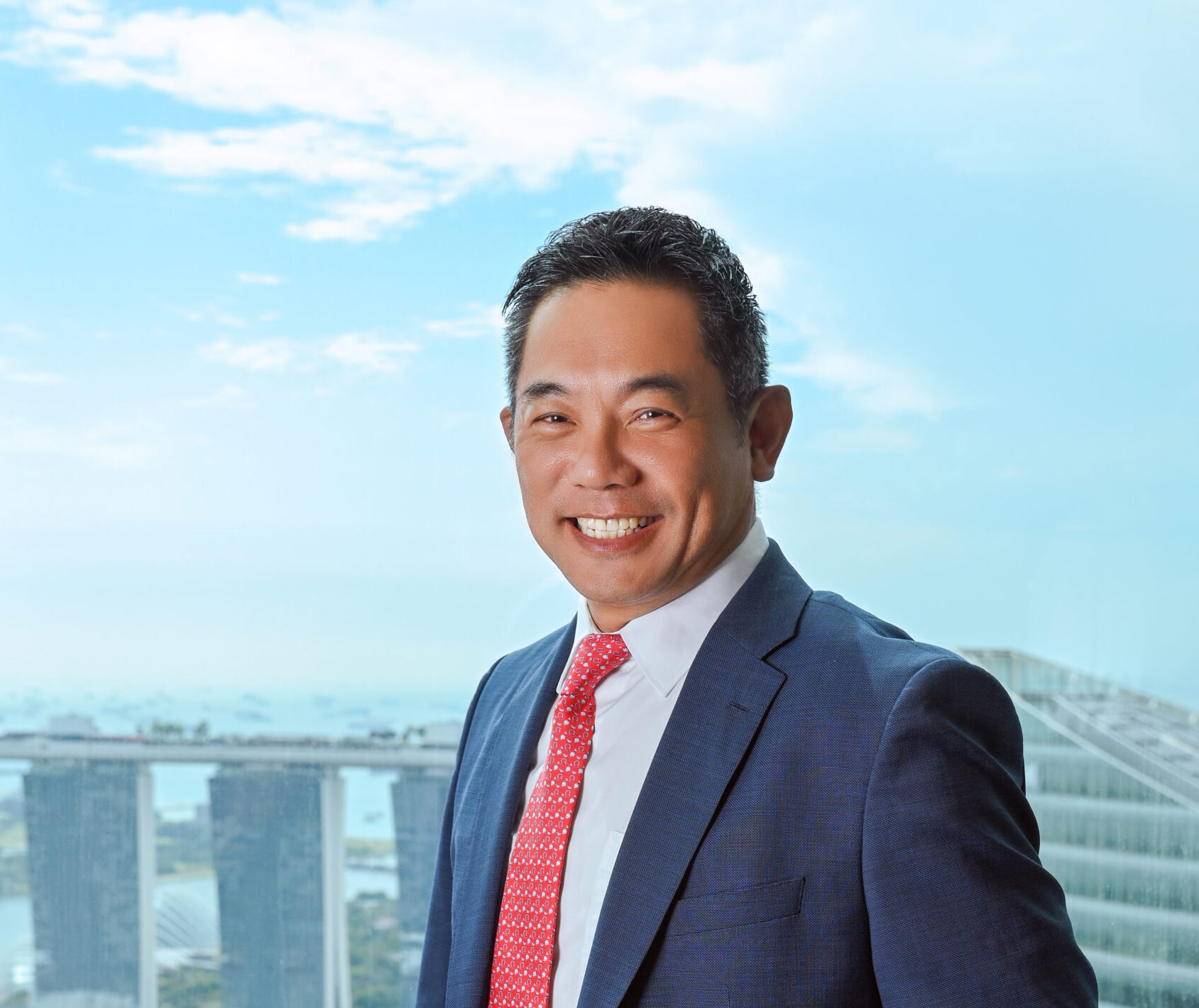
Leading The Franchising Boom In Asian Hospitality

Joon Aun Ooi, President, Asia Pacific, Wyndham Hotels & Resorts

As the recovery in global travel starts to gain traction, more hotel owners are looking to scale their operations by partnering with industry-leading brands through franchise agreements. Indeed, the pandemic has accelerated a trend towards franchising in the hospitality sector that started more than a decade ago.

Led by global hospitality leaders such as Wyndham Hotels & Resorts, the proportion of branded hotels globally that were franchised operations rose from 70% in 2010 to around 80% in 2019, according to STR and JLL Research. In Wyndham’s case, the formula for success can be attributed to three factors.

Firstly, Wyndham adopts an “OwnerFirst” mindset where the company constantly collaborates with owners to achieve a win-win outcome. Secondly, Wyndham prides itself on having a brand for every occasion. This enables existing and potential business partners to identify a brand suitable for their market and target guest profile. Lastly, they have robust on-ground presence in Singapore, Jakarta, Seoul, Bangkok, Melbourne, Sydney, Shanghai, Beijing and seven other cities across China to help address owners’ queries and provide support. These three key factors provide existing and potential owners with a high level of confidence when they partner with Wyndham Hotels & Resorts.

Amid challenging economic conditions, the numerous benefits of the franchising model have become increasingly attractive. Franchisees are not only able to associate their hotel with a popular brand, but also take advantage of a franchisor’s global network and expertise, training programs, round-the-clock advisory and support services, as well as access to loyalty and marketing programs.

Meanwhile, as the world’s leading hotel franchisor, Wyndham offers strong opportunities for existing and potential hotel owners to tap into an enterprise system driven by a robust portfolio of iconic brands with strong value proposition.

“We know what it takes to run a successful and collaborative franchise business model with owners.”

While management agreements remain the dominant model in Asia Pacific, the appetite for franchising has been on a good trajectory in 2022, reveals Joon Aun Ooi, President, Asia Pacific, Wyndham Hotels & Resorts.

“Asian owners are more aware of the benefits of franchising today. It gives them branding, distribution and tools to help them reduce operating costs, and the flexibility to run their hotels as they see fit while conforming to franchise standards,” he says.

Ramada by Wyndham Guilin Yangshuo Resort

Owners in the region have become more comfortable with franchising as the talent pool to support this model expands. Asia’s hotel development boom in recent years has swelled the ranks of qualified general managers (GM) and other hotel professionals in the region.

“Asia has a lot of hospitality talent available now. This enables owners to hire their own GMs and other key team players to run the hotel themselves. Due to this factor, I am more enthusiastic about franchising today compared to five years ago,” explains Ooi.

Leading the Pack

Wyndham is widely recognized as one of the leaders of the franchising model in Asia Pacific. The group aims to grow its portfolio to 2,000 hotels in the region by 2025, from around 1,600 currently. Wyndham sees strong demand coming from Greater China, Southeast Asia and the Pacific Rim.

Wyndham Garden Bangkok Sukhumvit 42 Rooftop Pool

Globally, Wyndham is the world’s largest hotel franchising company, with approximately 9,000 hotels in 95 countries across six continents. “We’ve been franchising for decades,” says Ooi. “While other chains are franchising too, we have been very active in Asia Pacific. We know what it takes to run a successful and collaborative franchise business model with owners.” Reflecting the strength of Wyndham’s franchise and owner-first strategies, existing owners made up more than 20% of its signings in 2021, with one owner in Thailand opening four new hotels under the Wyndham portfolio of brands this year alone.

Leveraging a Global Footprint

The key advantage that Wyndham offers owners is its size and global footprint, including a diverse portfolio of 22 brands. The group has deployed 15 of these brands in Asia Pacific: Wyndham Grand, Wyndham, Wyndham Garden, Dolce Hotels and Resorts by Wyndham, Ramada by Wyndham, Ramada Encore by Wyndham, Microtel by Wyndham, La Quinta by Wyndham, Days Hotel by Wyndham, Howard Johnson by Wyndham, Trademark Collection by Wyndham, TRYP by Wyndham, Hawthorn by Wyndham, Super8 by Wyndham and Wingate by Wyndham. The group plans to introduce Wyndham Alltra, an all-inclusive resort brand, in Asia Pacific by 2023. 

Hotel Sol Halong Bay Trademark Collection by Wyndham

The versatility and diversity of the brand portfolio provide franchisees with a wide range of options to meet their unique needs and help them to capture profitable opportunities.

Wyndham partners also benefit from the group’s expansive network of relationships with major online travel agents (OTAs) and distribution partners. Due to Wyndham’s global reach and pool of more than 95 million Wyndham Rewards members, the group can negotiate favorable rates on their franchisees’ behalf. Owners can save on the costs of OTA bookings by taking advantage of these competitive rates, as well as brand marketing efforts that drive guests to direct channels. 

Microtel by Wyndham Sanya Dadonghai

Owners also enjoy the full backing of Wyndham’s highly experienced support team to assist them in their day-to-day operations. Franchisees have round-the-clock access to an online portal, including comprehensive best practices tools in operations and marketing, as well as a direct line to Wyndham support experts. 

Meanwhile, Wyndham’s team of revenue management experts works to optimize property rates and inventory availability for franchisees with the goal of increasing property revenue and market share. Owners can also leverage Wyndham’s Architecture, Design and Construction team to guide them through each step of a new build or conversion process for projects of all sizes.

Winning with Wyndham Rewards

On the marketing front, owners can tap into the award-winning Wyndham Rewards platform. The program, along with Wyndham’s comprehensive and targeted cross-selling efforts, helps connect a franchised hotel with over 95 million loyalty members. Wyndham Rewards offers guests more than 50,000 redemption options around the world, helping ensure repeat business for franchisees. Most recently, Wyndham Rewards clinched Gold at the 2022 Loyalty & Engagement Awards organized by Marketing Interactive. This win is highly significant as it reflects the high level of acceptance and trust the program has among hotel guests and partners in Asia Pacific.

Looking ahead, Ooi says that he believes the recovery in Asia Pacific’s hospitality sector can only bode well for Wyndham’s franchise strategy in the coming years. “More than ever, the challenges of the pandemic have underscored the importance of hotels being affiliated with established, globally known brands. We know what it takes to run a successful and collaborative franchise model, and that’s driving increased interest in our offerings, a trend we expect to continue throughout 2022 as hotels look to further their recovery.”


www.wyndhamhotels.com

Singapore: Positioned For Long-Term Success

After navigating the turbulence of the past two years, Singapore has set its sights firmly on the future as it seeks to capitalize on the post-pandemic rebound. The government has removed almost all Covid-related restrictions and has since embarked on a strategy to sustain Singapore’s longer-term relevance while supporting businesses as they return to a growth trajectory.

Like other countries around the world, however, Singapore faces challenges on multiple fronts, including heightened inflation that threatens to push economies into recession. Rising food and energy prices worldwide are a result of persistent supply chain issues that have been exacerbated partly by China’s zero-Covid approach and the supply shock from the war in Ukraine.

However, economists are cautiously optimistic that Singapore will avoid a technical recession, which is defined by two consecutive quarters of economic contraction. After the GDP dipped slightly by 0.2% for Q2, 2022, the Ministry of Trade and Industry said that the economy appears set to return to quarter-on-quarter growth for the rest of the year.

Reaping the Benefits of Transformation

Despite the uncertain global landscape, companies based in Singapore will continue to reap the benefits of digital and business model transformation efforts undertaken in recent years. Initiatives aimed at streamlining processes, embracing digitalization and finding new avenues for growth have resulted in more sustainable businesses that are better equipped to navigate volatility and capture new opportunities.

For instance, Singapore-based pharmaceuticals group Zuellig Pharma consistently taps into innovation and technology to more effectively serve its stakeholders as part of its broader mission to make healthcare more accessible to the communities it serves.

In the education sector, Singapore Institute of Management (SIM) has also embraced innovation to help its learners acquire skills and knowledge that are relevant for the rapidly evolving future of work. In July this year, SIM rolled out a rebranded identity to reflect this commitment to an industry-focused and skills-based approach to lifelong learning.

Meanwhile, one of Singapore’s leading entrepreneurs, Sam Goi of Tee Yih Jia Food Manufacturing is leveraging a new, state-of-the-art manufacturing facility to emerge stronger from the pandemic, as he seeks to play a key role in Singapore’s bid for nutritional self-sufficiency. 

Riding the Post-pandemic Rebound

The global hospitality industry is also witnessing a welcome recovery as global travel bounces back strongly, with some Singapore-based players having returned to pre-pandemic levels of activity. 

A case in point is Radisson Hotel Group (RHG), which recently unveiled an Asia Pacific (APAC) Expansion Plan that aims to grow its portfolio from around 400 properties in the region to more than 2,000 hotels and resorts by 2025. The expansion plan focuses on five strategic growth markets—India, Thailand, Vietnam, Australia and New Zealand—and RHG’s strategy will be powered by building local development and operations teams with local language capabilities in these markets.

The healthcare sector is another beneficiary of the post-pandemic rebound. IHH Healthcare—which operates 80 hospitals in ten countries under leading brands such as Fortis, Parkway and Pantai—saw its business plummet by almost 80% during the crisis, pushing the company into a loss for the first time in many years.

Through the uncertainty, IHH, which is listed in Malaysia and Singapore, stayed true to its mission to become the world’s most trusted healthcare services provider. The group’s decision to follow its moral compass has since paid dividends, and it has come out of the pandemic stronger than ever.

Committed to Sustainability

Many of these companies are focused on incorporating sustainability into their operations, even as they chase business expansion. IHH recently introduced its “Care. For Good.” vision, which aims to create sustainable value for all its stakeholders. This involves not only taking care of patients, but also its people, the public and the planet.

Meanwhile, Zuellig Pharma has put in place a sustainability framework that outlines 22 material issues grouped under four themes: Setting the Highest Standards of Integrity, Nurturing Talent, Improving Health Outcomes, and Respecting the Environment. RHG has also developed an APAC Expansion Plan in line with the group’s sustainability targets, reinforcing its commitment to become net zero by 2050.

Other organizations are more directly engaged in promoting sustainability in an effort to address climate change. One such enterprise is Plastic Credit Exchange (PCX), a commercial operation based in Singapore that launched the world’s first non-profit, fully integrated and blockchain-protected plastic offset program. PCX offers brands a way to achieve their sustainability goals by showing them that there is an effective, achievable way to clean up their plastic waste.  

The Singapore Edge

Looking ahead, companies and entrepreneurs from around the world will undoubtedly continue to set up shop in Singapore, attracted by the city-state’s well-known strengths of global connectivity, ease of doing business and good governance. Drawn by these strengths, Sudhir Agarwal came to Singapore in 2016 to build a global business process outsourcing enterprise from scratch. In just six years, his company, Everise, has grown into an industry powerhouse that is expected to register around half a billion U.S. dollars in revenue this year.

Agarwal credits operating out of Singapore as one factor that has given him a competitive edge in the industry. “I chose Singapore because of the ease of setting up the company and doing business here. I was clear that Everise would be built on the important pillar of governance, which we all know is very strong in Singapore.”

Transforming Lives Across Southeast Asia

Leading beauty and wellness company Nu Skin has been positively impacting people’s lives in Southeast Asia for the past quarter-century through groundbreaking research and development, technological innovations, and significant community efforts.

The success of its endeavors is reflected in the impressive list of awards and achievements it has chalked up over this period. Among other accolades, Nu Skin was named the world’s No. 1 brand for Beauty Device Systems for four consecutive years*, and Pharmanex was named No. 1 weight management and wellbeing brand in Malaysia and Singapore** by Euromonitor International.

Nu Skin’s success is also largely due to its extensive network of distributors who invest considerable time and effort into, and are dedicated to, promoting the brand, leading to them becoming successful entrepreneurs themselves.

ageLOC Reset

They have not only built rewarding businesses for themselves over the past 25 years, but have helped others transform their lives, and raised the industry’s level of professionalism.

The company’s greatest impact, however, comes from its commitment to scientific innovation grounded in a rigorous R&D process supervised by a world-class team of scientists whose research and insights are dedicated to changing the way the world views aging.

Led by these insights, Nu Skin developed ageLOC proprietary scientific research to address the underlying causes of aging, such as gene expressions associated with the process of becoming older, rather than just its symptoms.

“Our knowledge and understanding of these learnings are applied to the development of proprietary, innovative, safe, and effective products. We are revolutionizing the nutrition and personal care industries with products that offer comprehensive anti-aging solutions,” says Dr Joseph Chang, Nu Skin’s Chief Scientific Officer.

Among its most recent innovative achievements is ageLOC Reset. Based on seven years of exclusive Nu Skin research, and powered by the company’s anthocyanin blend, this new product has shown that it can help improve one’s wellbeing and counteract the negative effects of a hectic lifestyle when combined with a healthy diet, regular exercise, and adequate sleep.

ageLOC LumiSpa iO with IoT technology

A Digital Ecosystem that Benefits Everyone ,Smart Beauty Devices, and App-Driven Customized Regimes

Being a company that prioritizes innovation, it is not surprising that Nu Skin is also leveraging digital technology to improve the efficiency of its processes, and better engage with its customers.

It recently launched EMPOWERME, a new digital ecosystem and strategy that recommends personalized beauty and wellness products through interactive and engaging digital experiences. In this way, Nu Skin can provide holistic solutions across the beauty and wellness spectrum, integrating its products into the customer experience.

These solutions include digital apps such as Nu Skin Vera, which enables customers to participate in AI-driven skincare consultations, monitor their skin’s improvement with selfies, and order products, among other features.

Nu Skin distributors also use Vera to help their customers find the best products through intuitive questionnaires, top-of-the-line facial scanning technology, and Intelligent Recommendations, an innovative AI that uses algorithms for product personalization. Following that, Nu Skin Stela tracks distributors’ sales volume and commissions and manages their client lists. 

“Through our digital ecosystem, we intend to attract, connect, and nurture our prospects while building a long-term relationship with our customers, who want personalized service, products, and solutions that address their needs. With EMPOWERME, we can connect them and affiliates through digital tools such as Intelligent Recommendations that helps create customized regimes and a seamless connection to social sharing communities,” says Dr Vicky Leevutinun, President of Nu Skin Southeast Asia and Pacific.

Dr Vicky Leevutinun, President of Nu Skin Southeast Asia and Pacific

“Through our digital ecosystem, we intend to attract, connect, and nurture our prospects while building a long-term relationship with our customers, who want personalized service, products, and solutions that address their needs.”

– Dr Vicky Leevutinun, President of Nu Skin Southeast Asia and Pacific

Inner Focus Collagen Plus

The first beauty device that incorporates IoT technology will be the ageLOC LumiSpa iO. This dual-action skincare device helps deliver skin renewal and deep cleansing benefits in a single action. Nu Skin researchers also evaluated visible results when the regime is combined with Inner FocusTM Collagen Plus***.

Fostering a Culture of Good: Initiating Community Outreach Programs and Nurturing Future Generations

In addition to its business operations, Nu Skin aims to be an agent for positive change by caring for the planet, improving the lives of children, nourishing future generations, initiating community outreach programs, and investing in the global community.

Nu Skin Force for Good Foundation, for example, works to improve children’s health, education, and economic circumstances, while Nu Skin Nourish the Children is a global initiative that distributes food to children suffering from malnutrition.

Furthermore, the foundation also supports the Southeast Asia Children’s Heart Fund (SEACHF), raising funds to cover the surgery fees for affected children, and partnering with local hospitals and healthcare professionals who are equally passionate about saving the lives of children born with congenital heart diseases in Southeast Asia. The brand’s distributors can choose to donate 1% of their monthly commissions towards SEACHF.

In terms of sustainability, Nu Skin is striving to improve its product packaging by 2030. The goal is to make everything recyclable, reusable, reduced or renewable. In 2021 alone, it saved 131 tons of plastic and over 34 tons of paper under this initiative. 

In a rapidly changing world, Nu Skin continues to evolve, adapt and emerge stronger. With the vision to become the world’s leading integrated beauty and wellness company, and a mission to be a global force for good, Nu Skin hopes to continue to change lives through its business and product innovations.

“Nu Skin will continue to transform generations across Southeast Asia and globally. We want to empower individuals to discover their best selves through our integrated beauty and wellness solutions and business opportunities,” maintains Dr Leevutinun.


Join Nu Skin’s 25th Anniversary Celebration!


This live virtual event for Nu Skin Southeast Asia from July 21 to 24, 2022, celebrates the brand’s success, honors the distributors, and will introduce new innovative products. Discover these along with the ageLOC beauty devices and Pharmanex products.
Admission is free: visit www.nuskin.com/sealive/en/home.html


*Source: Euromonitor International Limited; Retail Value RSP terms; all channels; 2017 to 2020. Beauty Systems are at-home Skin Care Beauty Devices used exclusively with or recommended to be used with a topical consumable of the same brand. Claim verification based on Euromonitor custom research and methodology conducted January-March of 2021. Sales of at-home skin care beauty devices includes sales of electric facial cleansers as defined in Passport database. This category does not include haircare/removal appliances, body shavers, and oral care appliances.
**Source: Euromonitor International Limited; Consumer Health 2022ed, per Weight Management and Wellbeing category definition, retail value RSP 2021, data.
***Product name may vary from market to market.

www.nuskin.com

Precision Targeting: Richard Mille’s Elegant Timepieces And Mindful Philanthropy

RM 74-02 © Lilias Le Quellec

There is a beauty and wonder that only comes from true precision. Whether manifested in extraordinary feats of horological engineering or within the infinite complexity of the human mind, the result is never less than breathtaking. There is, then, a natural synergy between the world’s finest mechanical watches and the wonder that is the human brain. It has, however, taken Richard Mille, one of the world’s leading Swiss watch marques, to recognize this resonance and duly support these two highly complementary celebrations of perfect precision.


A part of the Paris Brain Institute, ICM is the first neurology center in France.

This commitment is embodied equally in two of the company’s luxury tourbillon timepieces—the RM 74-01 and the RM 74-02—and its continuing support for the Paris Brain Institute, a research establishment acknowledged as a world leader when it comes to decoding the mysteries of the human mind. Naturally, Richard Mille is setting new standards for innovation and sustained excellence in both spheres of activity.

Combining pioneering technical expertise and future-facing functionality, the in-house automatic tourbillion timepieces embody unparalleled elegance while remaining the ultimate expression of precision watchmaking engineering. This sees them stay true to Richard Mille’s high-end horological heritage, while also representing a bold step forward for the science of Swiss watch manufacturing.

Timeless Timepieces, Future Classics

Although sharing the same ultra-skeletonized heart, the two models boast bold, highly individual crafting, including distinctly different casing materials and strikingly contrasting aesthetics. In many ways, they are best considered fraternal twins, albeit siblings with markedly different personalities.

For its part, the RM 74-01 comes clad in grey Cermet, a metal-ceramic composite renowned for its corrosion-resistant and scratch-proof qualities. Combining the lightness of titanium with a ceramic resilience, the material—the product of many years of joint development between Richard Mille and the IMI Group, a global leader in microtechnology—has a diamond-esque invulnerability, making it the optimum choice for the case of this signature model. Harmoniously complementing the case is a grade 5 titanium caseband, while the bridges and baseplate deliver an engagingly elegant and simpatico finish.

RM 74-01 © Lilias Le Quellec

By contrast, the RM 74-02 comes enhanced with another proprietary Richard Mille material—Gold Carbon TPT®. This combination of a singular composite material (Carbon TPT®) and fine gold leaf was perfected only after many years of tireless development. With its robust and resilient properties matched only by its lightness, the contrast between the carbon matte black and the intermittent golden filigree bestows a truly bespoke haute horological air. Its singular silhouette also incorporates fine threads of 24-carat yellow gold, haloing a radiance that extends across its baseplate and red-gold caseband, while its polished pillars and crown are similarly encircled with matching material.

From L – R: Jean Todt, founding member of the Paris Brain Institute, Professor Gérard Saillant, President of Paris Brain Institute, Richard Mille

Beyond their distinct external aesthetic, the twin cores of both models are in-house automatic tourbillon calibres—the CRMT6 for the RM 74-01 and the CRMT5 for the RM 74-02. While the baseplate and bridges of the CRMT6 are both fashioned from PVD- and electro-plasma-treated grade 5 titanium, its CRMT5 counterpart favors the more traditional hues of yellow and red gold. Incorporating an impressive 50-hour power reserve, both movements are faultlessly driven by a variable-geometry rotor, ensuring each watch and its winding can be customized in line with the needs and preferences of its owner.

Characteristically slender, the contours of the RM 74-01 and RM 74-02 ably forefront their majestically positioned tourbillons, which are set at the six o’clock point. In a finely finessed finishing touch, the beveled festooned flange draws the eye to each watch’s movement, while an adept adornment of fine handcrafting further refines the already delicate features of these two timeless timepieces.

Philanthropically Minded, Cerebrally Focused

Given the deeply cerebral design work behind these two timepieces, it’s clear that Richard Mille owes a deep debt to the intricacies of the human mind. Recognizing this, the company’s strategic alliance with the Paris Brain Institute sees it committed to supporting the research body in its mission to establish a greater understanding of how the brain works, while helping fund its ongoing work to remedy many crippling neurological ailments.

Such philanthropic endeavors are nothing new to Richard Mille, which has a long history of supporting a variety of highly deserving causes, including The Rafael Nadal Foundation, YB Afraid and the Only Watch Charity Auction. The Paris Brain Institute, though, has struck a particular chord with the fine watchmaker, and has seen the brand’s eponymous founder keen to champion its future success.

Underlining the company’s long-term commitment to the center, he said, “Supporting an organization as advanced and promising as the Institute is a noble cause. By helping to facilitate its research, we are saving lives and improving the everyday existence of many people across the world.”

Paris Brain Institute

Through its financial assistance and its establishment of the Richard Mille Donors’ Club, the brand believes it can play a key role in sustaining the Institute and its 700 dedicated researchers. In this way, it seeks to bring hope to the one billion people around the world suffering from neurological conditions, many of whom lack access to proper treatment.

As with the company’s exquisite timepieces, there’s a pleasing symmetry in the mindfulness of Richard Mille’s philanthropic endeavors.