For generations, Macao’s identity in the global imagination was defined by its vibrant cultural heritage, world-class entertainment and iconic skyline. Today, a quieter yet far more profound story is unfolding. The city is reinventing itself as one of Asia’s most compelling gateways for international business and private capital.
The underlying proposition is straightforward: in an era where global trade pathways are being constantly redrawn, businesses need a trusted, well-connected base to expand into China. Meanwhile, Chinese enterprises are seeking reliable springboards into international markets. Macao sits at the heart of this convergence.
Operating under the “One Country, Two Systems” framework, the city offers a familiar, internationalized legal framework rooted in civil law tradition, free flow of capital and a corporate tax rate capped at 12%.
“As Macao develops its high tech and big health sectors, attracting the right talent and providing the right policy and financial support will be crucial,” says Alex Che, President of the Board of Directors of the Commerce and Investment Promotion Institute (IPIM) of the Macao SAR. “Our aim is to create a stable and attractive business environment where companies can establish themselves, implement projects and grow.”
Connecting Business, Bridging Worlds
What gives Macao its competitive edge is not just its distinct legal system but its connections across the Guangdong–Hong Kong–Macao Greater Bay Area. Just across the water lies the Guangdong-Macao In-Depth Cooperation Zone in Hengqin, a 106-square-kilometer territory designed to give Macao-based businesses room to scale.
The “Macao R&D, Hengqin commercialization” model offers businesses a practical route from research to production. Companies can develop technologies and protect intellectual property within Macao’s internationalized legal framework, then tap Hengqin’s space and industrial capacity to bring products to market. Simplified cross-border capital management and a preferential 15% corporate income tax rate for eligible companies in Hengqin support this arrangement, alongside access to the Chinese mainland’s supply chains, manufacturing expertise and tech talent.
Macao’s historical ties with Portuguese-speaking countries position it as a commercial platform for China to access markets encompassing approximately 300 million people across Europe, Latin America and Africa, as well as the wider Spanish-speaking world. Its double taxation agreements further support its role as a base for structuring cross-border investments, helping reduce double taxation on income covered by those agreements. Together, these advantages strengthen Macao’s appeal to family offices, private equity investors and multinational firms.
A Blueprint for Diversification
“We want Macao to be a place where research becomes business—and business goes global,” says Che. “The Macao Sci-Tech Park and government guidance fund are being developed to help companies make this journey.”
Under Macao’s Third Five-Year Development Plan (2026–2030), targeted investment in major economic diversification projects is expected to reach approximately 130 billion patacas (US$16.2 billion). The primary objective is clear: deepen Macao’s economic diversification and drive non-gaming industries toward a sustainable share of around 60% of GDP by 2030.
At the core of this transformation is the Macao SAR Government Guidance Fund, designed to attract private investment by providing public-private matching capital. Co-investment is intended to help reduce entry risk for private equity firms, venture capital investors and family offices seeking early-stage opportunities across the city’s “1+4” strategy for industrial diversification. Alongside integrated tourism and leisure, the strategy prioritizes big health and biomedicine, modern finance, high technology, and a broader grouping encompassing conventions and exhibitions, commerce and trade, culture and sports.
Macao also offers targeted tax incentives for fund management businesses. Taxable income from authorized fund management activities is subject to a concessionary 5% corporate income tax rate, compared with the standard rate of up to 12%. Performance fees earned from managing private equity funds are exempt from corporate income tax. Additional incentives include stamp duty exemptions for fund management activities and a one-time property transfer stamp duty exemption for purchasing one non-residential property for the company’s own use.
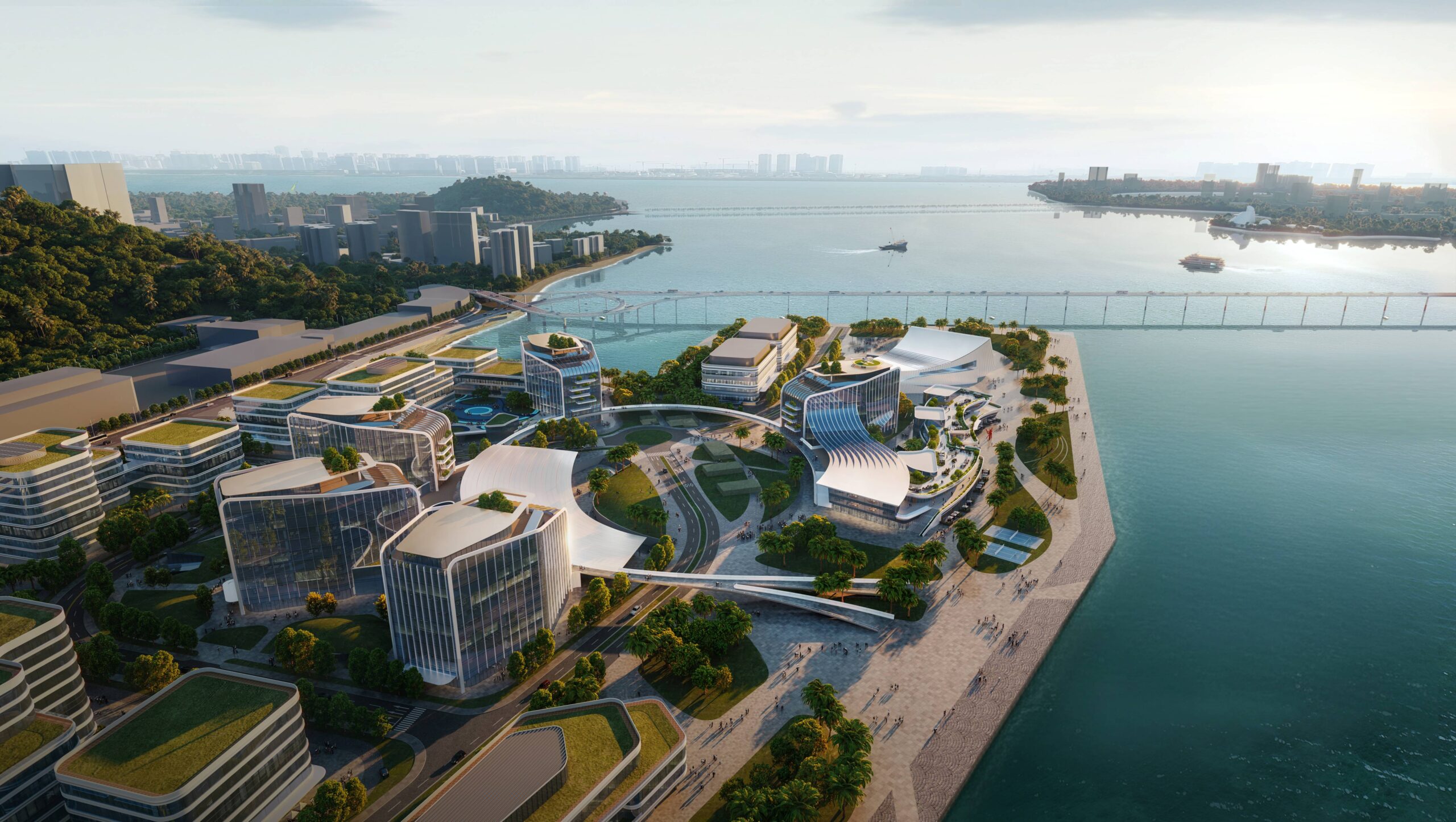
The Macao Sci-Tech Park will support R&D in biomedicine, digital technology, integrated circuits, aerospace technology and other advanced technologies. Planning and design are scheduled for completion in 2026, with the first construction project targeted to become operational by 2030. Paired with Hengqin’s industrial capacity, the park will help companies move from research and incubation in Macao to commercialization and scale across the border.
Real-World Traction: The ASEAN Connection
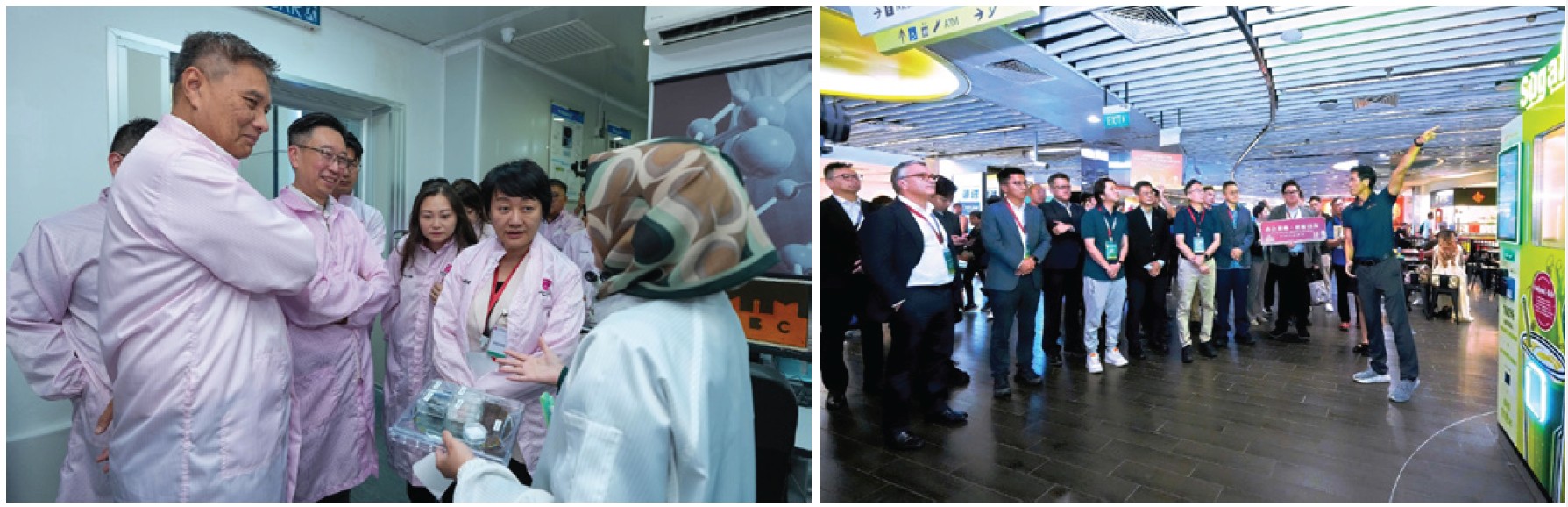
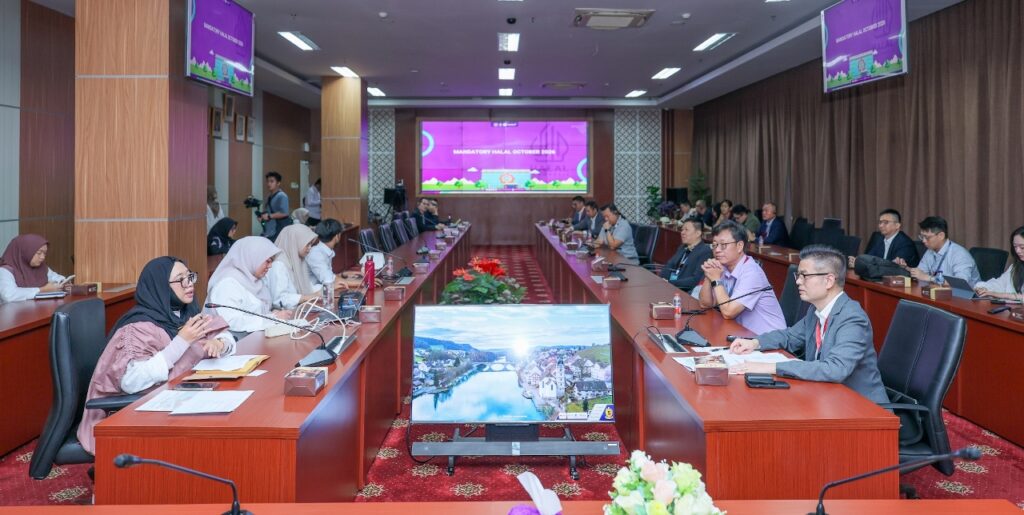
Macao’s role in connecting businesses across markets was demonstrated during a recent Macao SAR government mission to Singapore, Malaysia and Indonesia, with IPIM organizing business exchanges. The tour delivered concrete commercial results, securing 189 cooperation agreements and hosting over 370 targeted business-matching sessions across biopharmaceuticals, cross-border e-commerce, halal certification and financial services. The breadth of sectors involved indicates the connections established are extending well beyond conventional trade.
One agreement links the Macao International Technology Industry Centre (MITIC) with Kimia Farma, a leading Indonesian state-owned pharmaceutical company. Kimia Farma has an expansive network of over 1,000 retail pharmacies and deep local distribution expertise. The agreement aims to bring high-quality pharmaceutical products from the Chinese mainland and Macao into Indonesia’s vast healthcare market.
The partnership illustrates how Macao can connect pharmaceutical suppliers with an established local distributor to facilitate entry into a new market. In Latin America, Macao’s connections with Brazil also provide a foothold from which businesses can explore the region’s Spanish-speaking markets.
In April, an IPIM-led business mission to Portugal and Spain delivered 220 business-matching sessions and 109 signed projects, offering a tangible measure of the commercial activity these connections are already generating.
“These exchanges help companies understand how they can work together, from technology development to reaching new customers,” says Che. “That practical understanding is what helps turn a promising connection into a workable project.”
A Forward-Looking Partner for Global Capital
As business leaders and investors look across Asia for their next chapter of expansion, Macao presents a compelling combination of institutional stability, strong government backing, a competitive tax environment and multi-market access. Through IPIM’s dedicated “One-Stop Service,” companies receive assistance from initial registration to operational setup.
For investors, that may ultimately be Macao’s most compelling proposition. Its commercial potential is no longer defined by the size of the territory itself but by the scale and diversity of the markets it brings within reach.