Singapore Retains Competitive Edge

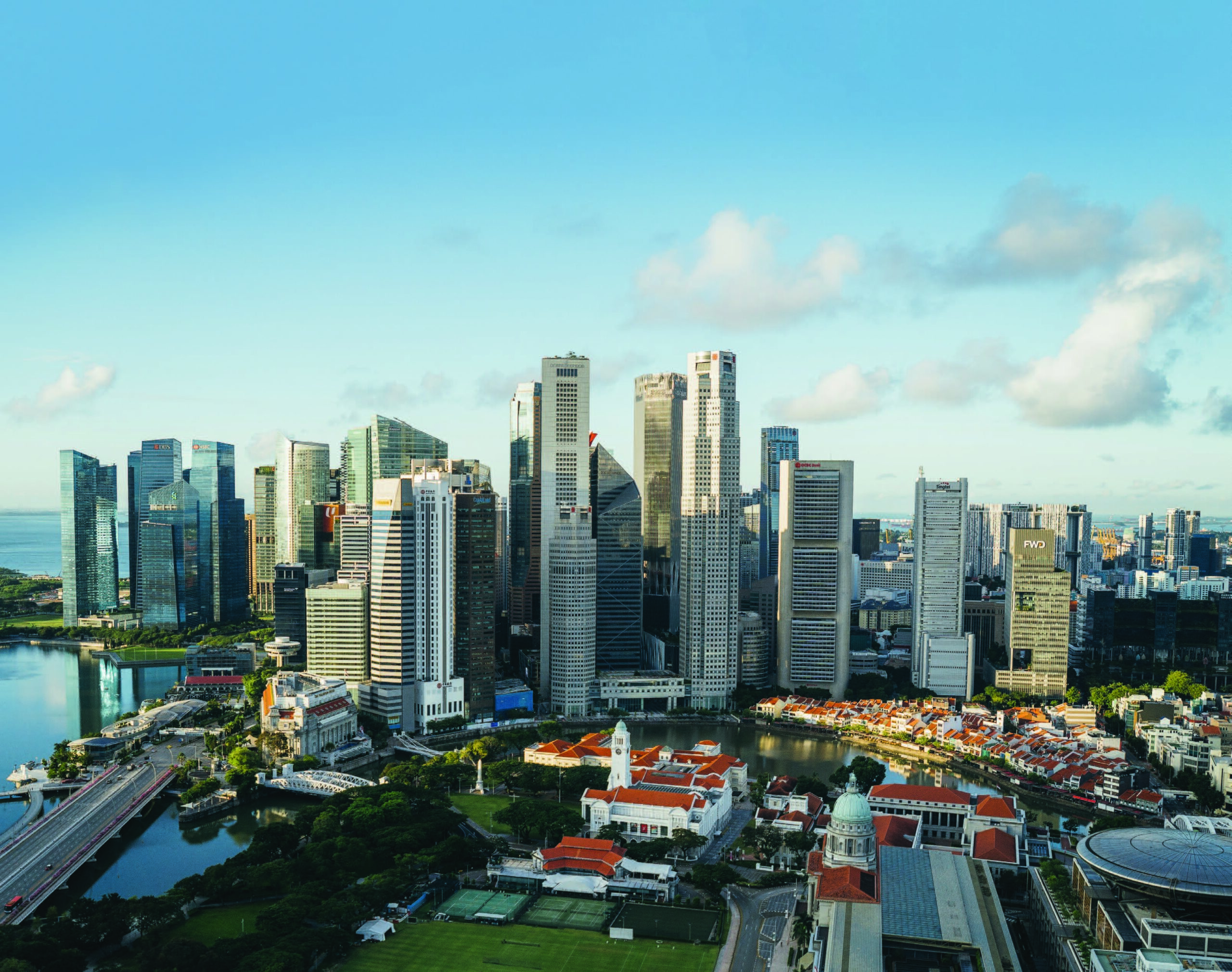
As one of the most competitive economies in the world, Singapore continues to build on its strong financial system, market efficiency and macroeconomic stability. The city-state has been ranked fourth out of 64 economies in the 2023 World Competitiveness Ranking by the International Institute for Management Development (IMD), based on economic performance, government and business efficiency, as well as infrastructure. Although it slipped a rank from the previous year, Singapore remains the most competitive economy in Asia, ahead of Taiwan and Hong Kong.

In the wake of a rapid economic rebound from the pandemic in 2022, Singapore’s economy registered a 0.4% year-on-year growth in the first quarter of 2023. This growth, albeit moderating from the previous quarter’s 2.1% expansion, signifies the nation’s resilience. In the second quarter of 2023, the economy expanded by 0.5% year-on-year, mainly supported by the transportation and storage, other services, and information and communications sectors, according to the Ministry of Trade and Industry (MTI).

Like many economies, Singapore is not immune to the challenges posed by the slowing global economy and geopolitical tensions, coupled with tightening financial conditions. The MTI anticipates the nation’s GDP for 2023 to fall within the range of 0.5% to 1.5% as external demand remains subdued.

Despite this muted growth forecast, bright spots remain as some sectors are showing signs of recovery. The growth outlook for aviation- and tourism-related sectors such as air transport and accommodation remains positive, given the ongoing recovery in international air travel and inbound tourism. Consumer-facing sectors such as retail trade and food and beverage services are also expected to continue to expand, bolstered by resilient labor market conditions and the resurgence of inbound tourism.

Global Expansion Through Singapore

As a leading trade center, Singapore consistently attracts foreign investment due to its global connectivity, pro-business environment, exceptional infrastructure and a highly skilled workforce. Singapore stands out as the preferred destination for multinational corporations seeking to put down roots in the region.

Among them is SHEIN, the global fashion and lifestyle juggernaut with 11,000 employees based in key centers around the world including Singapore, the U.S. and Ireland. SHEIN’s global expansion is being led out of Singapore due to its strong governance and access to key markets in the region, among others. “SHEIN’s decision to be headquartered in Singapore is a testament to our belief in its vibrant ecosystem and alignment with our global vision,” says Leonard Lin, SHEIN’s Global Head of Public Affairs and Singapore General Manager. “Our commitment to Singapore goes beyond our business operations, and is also reflected in our continuous efforts toward engaging with the community, nurturing local talent, and fostering a sustainable fashion ecosystem right here in the heart of Asia.”

A Vibrant Fintech Landscape  

Meanwhile, Singapore’s fintech sector has expanded significantly, backed by a strong regulatory environment and digital infrastructure. The Monetary Authority of Singapore has recently announced a fresh round of funding over the next three years to boost the sector. The S$150-million (US$111 million) funding program aims to accelerate fintech innovation, particularly in areas such as artificial intelligence, data analytics and regulatory technology (regtech). 

The thriving fintech sector, showcased through events such as the annual Singapore Fintech Festival, cements the city’s role as a prime hub for fintech innovation. The diverse range of fintech entities, coupled with abundant venture capital investment opportunities spanning various funding stages, further solidifies Singapore’s position as the preferred destination for foreign fintechs seeking ASEAN market expansion and global recognition.

Take for instance, Surfin Meta, a Singapore-based fintech founded in 2017 with a mission to drive financial inclusion in emerging markets. The company selected Singapore as its base to better serve the markets in the region. It made a notable entry into Indonesia in 2018 with an online personal loan platform, and rapidly expanded its operations to Vietnam, Mexico and the Philippines in the same year. Today, Surfin Meta operates in 10 markets, serving 35 million unbanked and underserved users.

Wealth Management Excellence

The growth in global wealth in recent decades has contributed to the rise of family offices around the world. Many wealthy families are turning to professionally run family offices to help them manage their wealth and secure their legacies. As a global financial hub, Singapore has benefited from this trend, with some 1,100 single-family offices established in the country at the end of 2022.

Bank of Singapore, the private banking subsidiary of OCBC, has emerged as a major player in the family office segment in Singapore, managing more than a quarter of the 700 single-family offices established in Singapore at the end of 2021.

“Singapore’s status as an international financial center is key to its allure. With excellent global connectivity, a deep pool of skilled professionals in wealth management and a supportive tax environment, it serves as the ideal gateway to regional investment opportunities,” says Robin Heng, Bank of Singapore’s Global Market Head for Philippines, Australia, Indonesia, Thailand and Indochina.

The bank has a dedicated Family Office Advisory team that focuses on understanding clients’ needs and tailoring plans accordingly. As demand continues to grow for family offices in Asia, Bank of Singapore aims to enhance its offerings and expand its footprint in the wealth management space.

Prospects in Real Estate

Singapore’s growing number of high net worth individuals (HNWIs) has spurred activity in the real estate sector. Strata-titled offices and conservation shophouses stand out as attractive investments for HNWIs and family offices.

Homegrown boutique agency Brilliance Capital has emerged as a strong player in this segment, offering tailored real estate investment services for wealthy families, institutional investors and publicly listed companies from around the region. The firm, led by Executive Director Sammi Lim, has chalked up an impressive list of transactions since its inception three years ago, including the sale of a suburban mall for S$220 million (US$162.3 million), among others. 

Despite the prevailing market uncertainties, Lim believes that Singapore’s strong fundamentals and resilience will position it favorably against its regional peers. She anticipates that well-funded institutions, family offices and HNWIs with longer-term investment horizons will remain active in the market.

Looking ahead, Singapore’s journey as a competitive economic powerhouse continues to unfold. Despite global challenges, the nation’s commitment to innovation, diversification and adaptability fuels optimism for sustained growth.

Real Estate Remains Resilient

The real estate sector in the Asia-Pacific (APAC) region is projected to stabilize in the second half of 2023, on the back of improving macroeconomic conditions. Experts predict that as inflation eases and interest rates reach their peak, investors in the region will have exceptional opportunities.

Several key themes have emerged across the real estate markets in the region. Offices will continue to be the go-to asset class although the pandemic has had a deep and lasting impact on how people work and the concept of the workplace. A joint report by PwC and Urban Land Institute reveals that the demand for modern, high-quality office buildings remains strong, even as hybrid and remote work practices continue. Additionally, multifamily build-to-rent developments are gaining traction in APAC, with investors exploring opportunities in Australia and China.

Meanwhile, although Singapore remains an attractive destination for foreign investors, emerging markets such as Indonesia, the Philippines and Vietnam are gaining momentum. These markets offer high rates of economic growth and boast emerging consumer classes, according to the report.

Sustainability Considerations Transform Real Estate

In the Philippines, the real estate sector is evolving to the next level, with one of the largest property developers in the country, Ayala Land, Inc. (ALI), leading the transformation. The group’s commitment to sustainability is evident in the projects it undertakes—from its integrated mixed-use developments to luxurious residences spearheaded by its two business units Ayala Land Estates and Ayala Land Premier.

“Our vision extends beyond real estate development,” says Robert Lao, Group Head of Ayala Land Estates. “We aim to create thriving sustainable communities that provide diverse growth opportunities and inclusive spaces to all. It’s about planning for a mix of developments and spaces that nurture the environment, social and economic growth.”

Boasting a robust portfolio spanning over 45 sustainable estates across the country, ALI is the mastermind behind the nation’s most prominent mixed-use developments, including the Makati Central Business District, Bonifacio Global City, Cebu Business Park and Nuvali.

Indeed, sustainability is a common theme across markets in Asia as investors are placing a greater emphasis on Environmental, Social and Governance (ESG) criteria and ratings of real estate. Over in Hong Kong, Sun Hung Kai Properties (SHKP) is transforming the city’s skyline with its iconic and environmentally friendly developments. Its latest project, the High-Speed Rail West Kowloon Terminus Development (XRL Development), aspires to be more than another office complex, combining work and leisure elements for the well-being of tenants. Designed by Zaha Hadid Architects, the XRL Development incorporates low-carbon design and materials, including photovoltaic panels at roof levels and portions of the facade.

The project has received numerous sustainability accolades including LEED Platinum, BREEAM Excellent rating, BEAM Plus (Platinum), WELL (Platinum), China Green Building Label (3 star) and China Healthy Building Label (3 star).

As real estate investors look ahead, many will be drawn to APAC’s resilient and dynamic market with cautious optimism.

ESG Remains Crucial To Building A Sustainable Future

Environmental, Social and Governance (ESG) has evolved from a nice-to-have to a corporate imperative over the years. Governments, businesses and investors recognize the importance of ESG in driving the world’s transition to a greener and more sustainable future and are doubling down on efforts to achieve nature-positive targets.

At the World Economic Forum’s annual meeting in Davos earlier this year, global leaders discussed how new approaches and partnerships could lead to new solutions, such as leveraging philanthropy in new ways, driving climate adaptation and spurring more ambitious, comprehensive and sustainable infrastructure investment plans that could stabilize the planet and help the world meet the 2030 emissions reduction goal.

Driving Sustainable Change

Among the businesses driving sustainable change is Apical, part of the Singapore headquartered RGE group of companies. As the world’s second largest vegetable oil processor, Apical has embarked on a journey to become a leading second-generation biofuel feedstock provider through the collection of waste and residue from mill and palm oil refineries, along with used cooking oil, to act as an alternative to other forms of feedstock.

The company has also diversified its operations into other downstream areas such as sustainable aviation fuel (SAF) used to power aircraft. Through a joint venture, Apical is now commercially using at scale the waste generated by its operations as viable feedstock to produce SAF. These efforts highlight the company’s commitment to driving sustainable change in the palm oil sector.

In the real estate sector, Hong Kong’s Sino Group is leading the way toward a climate-resilient built environment. Sino Group integrates sustainability into all aspects of its operations and aims to achieve net zero by 2050 through more energy-efficient design, green construction and procurement, renewable energy usage, reduction of waste and carbon emissions and promoting sustainable living at its properties.

As of June 30, 2022, the company recorded a reduction of greenhouse gas emissions and electricity consumption by almost 40% from its 2012 baseline, exceeding its initial target.

Capitalizing on the Green Transition

As the world transitions to a low-carbon economy, investors are ready to capitalize on opportunities presented by this global shift. HSBC Global Private Banking offers investors three main ways to embed sustainability into an investment portfolio: ESG enhanced, thematic and impact investing.

ESG enhanced investments refer to investing in companies that score well on ESG criteria, while thematic investments focus on specific sustainability themes such as renewable energy, water conservation or circular economy. On the other hand, impact investing aims to generate an intentional, direct and positive social or environmental impact alongside financial returns.

The bank believes that by adopting an ESG approach to investment and finance, investors can play a crucial role in driving the transition to a low-carbon economy, while also generating long-term financial returns.

Bridging the ESG Trust Gap

But while companies are starting to make progress on sustainability objectives, some investors feel strongly that they are not getting the quality of ESG data required to evaluate a company’s strategy and risk profile, according to the Asia-Pacific findings in the latest EY global corporate reporting and institutional investor survey. This information gap threatens to stifle access to capital for many organizations and ultimately, could hinder progress on decarbonization.

Investors believe that Asia-Pacific organizations are “highly selective” about the information they provide and unless there is a regulatory requirement to do so, most companies will provide only limited ESG disclosures useful for decision-making.

The good news is that both sides acknowledge that there are weaknesses in current reporting standards, including issues such as lack of requirements for supporting evidence, separation of ESG reporting from mainstream financial reporting and a lack of forward-looking disclosure, so more can be done. Asia-Pacific companies can bridge the ESG trust gap with investors by taking key action to ensure that sustainability is built into their reporting processes—systemically, strategically and rigorously.

Advancing Social Justice

In addition to environmental concerns, organizations are starting to give the same attention to the social component of ESG. Businesses today are faced with a growing number of social justice issues that can affect their corporate reputation—from human rights and gender equality to health and safety, and community engagement.

FGV Holdings Berhad, a global and diversified agribusiness based in Malaysia, is one of the world’s largest producers of crude palm oil. In its efforts to operate a sustainable and socially responsible business, FGV has implemented various programs to strengthen its labor practices, including aligning its policies and recruitment practices with international labor standards.

One of the main standards adopted by FGV is the no recruitment fees policy for the hiring of migrant workers. The company has taken several measures, including setting aside about US$25 million to compensate current and former FGV migrant workers who had paid recruitment fees to secure jobs.

Indeed, there is plenty that businesses can do to build on the ESG framework to drive real change. Those that lay the right foundation now are likely to succeed long into the future.

Japan: A New Way Forward

Japan is ushering in a “new form of capitalism” to reinvigorate its economy after more than two years of closed borders due to the pandemic. Japanese Prime Minister Fumio Kishida’s new economic policy, unveiled last June, aims to achieve a “virtuous cycle of growth and distribution” through public-private partnership. As part of the policy guidelines, the government aims to pave the way for wage growth to offset the impact of inflation and boost investment in technology, startups, human capital and decarbonization.

On the back of these ambitious plans, the government revised its economic growth forecast for fiscal 2023 to 1.5%, up from the previous forecast of 1.1%. The overall GDP is projected to reach 558 trillion yen (US$4.31 trillion) this year, exceeding the pre-pandemic record of 554 trillion yen (US$4.28 trillion) in 2018. Companies are projected to increase investments by 5.0%, with exports and imports set to rise by 2.4% and 2.5% respectively, despite concerns of a global recession. 

Focus on Long-Term Growth and Innovation

Central to Kishida’s economic strategy is incentivizing long-term growth and strengthening Japan’s capacity for innovation, particularly in industries such as biotech, smart cities, artificial intelligence (AI) and space technology. As part of this push to champion innovation, the government is also taking steps to cultivate a world-class startup ecosystem and help local startups succeed on the international stage.

Indeed, Japan has always been a leader in innovation and technology. Japanese companies continue to create maximum value at home while making their mark on the global stage.

Take THK, for example. The global automation giant has set the standard for innovation in factory automation technologies and processes since 1971. Today, the company is leading the way with solutions bolstered by AI and IoT applications, and more than 60% of its sales come from overseas markets.

THK’s latest digital offerings include a customer communication platform that adds value to the purchasing process and an IoT platform that can predict faults in components and automatically minimize malfunctions without human intervention.

Meanwhile, soy sauce manufacturer Kikkoman has penetrated more than 100 countries since its establishment in 1917. Kikkoman Corporation Chairman and Honorary CEO Yuzaburo Mogi attributed the company’s long-term growth and success to the foresight of its top management. He says, “Now, more than ever, it is critical for top management to have a clear grasp of the global business environment and an ability to see ahead.”

Kikkoman aims to keep expanding in Asia, South America and eventually Africa in the next decade. 

Global expansion is also on the agenda of Japanese advertising firm ADREX, founded in 2018. The company’s client-first philosophy, coupled with its business transparency, has contributed to its success. While many young enterprises are focused on immediate profits, ADREX believes in investing in long-term growth. The company celebrated a couple of milestones last year: the launch of its first in-house data analytics tool and the setup of its first overseas base in New York City.

With the domestic economy finally reopening—alongside government support—Japanese businesses are poised for further growth in the year ahead. 

Building A Better Future With ESG

As the fight against climate change becomes a key priority for governments and people around the world, businesses are heeding the call by placing Environmental, Social and Governance (ESG) factors at the top of their agendas. Many countries are working towards the ambitious goal of keeping global temperatures from increasing by more than 1.5 degrees Celsius above pre-industrial levels by achieving net zero emissions by 2050.

However, the task of achieving this target remains elusive, with a recent United Nations report warning that the current climate plans from governments worldwide are insufficient to limit rising temperatures. Against this grim backdrop, a rising number of companies globally are stepping up their ESG efforts to help their governments meet these targets. Investors are also reassessing their portfolios and channeling more funds toward responsible companies that operate sustainably and with clear ESG metrics.

Addressing the problem at its source, energy companies and product manufacturers are taking significant steps to reduce the environmental impact of their operations, both by embracing circular economy models and by harnessing renewable energy solutions such as solar, wind and hydrogen.

One such energy company is Malaysia’s PETRONAS, which has responded to this need for change while continuing to provide a reliable supply of energy. PETRONAS has been actively working to reduce greenhouse gas (GHG) emissions from its hydrocarbon resources, as part of its efforts to achieve net zero carbon emissions by 2050.

The company’s path to net zero supports Malaysia’s own ambitions to help limit the rise in average global temperature to well below 2 degrees Celsius. Malaysia ratified the Paris Agreement in 2016 that deals with GHG emissions and climate mitigation. As such, PETRONAS  has taken progressive steps to decarbonize its operations by undertaking and consolidating climate action activities across the group.

Real estate companies are also changing the way they do business by placing sustainability at the core of new developments, ensuring that water and energy waste are minimized while implementing eco-friendly initiatives designed to bring residents closer to nature.

Central Pattana, the property arm of Thai conglomerate Central Group, is pursuing sustainable outcomes through a variety of means, including the use of solar cell and automation systems at all its developments, and installing over 400 electric vehicle (EV) charging stations at Central shopping centers in 2022. The company is also ramping up the use of sustainability-based designs at its projects.

Collectively, these efforts will help Central Pattana elevate the quality of life of people, the communities they live in, and ultimately the planet, while striving simultaneously to become Thailand’s first mixed-use developer to reach net zero emissions by 2050.

Central Pattana’s sister company, Central Retail, is leading the charge for environmentally aware retail practices that reduce waste, cut carbon-based fuel use, and enrich the quality of life across communities. The company is fully committed to becoming Thailand’s first Green and Sustainable Retail organization. To this end, the company has set long-term goals to reach net zero by 2050 and developed short-term 2030 goals with a strategic initiative called ReNEW.

In the aviation space, Airport Authority Hong Kong (AAHK), the statutory body overseeing Hong Kong International Airport (HKIA), is committed to ESG principles. Since pledging to become the World’s Greenest Airport, back in 2012, a decade of transformation has seen AAHK look to make good on its aspiration across every applicable ESG metric. Among other initiatives, AAHK has developed a carbon management plan which includes expanding the EV fleet from all airside saloon cars to other airside vehicles, electrifying and pooling of ground services equipment at the airport, and developing innovative energy management solutions such as the award-winning Weather Forecast for Air-conditioning Control System.  

Focusing on Social Issues

While environmental considerations take most of the limelight when it comes to sustainability, companies also recognize the importance of the social and governance aspects of the equation in reaching their organizational goals.

For instance, ensuring that everyone has access to affordable financial products and services is critical when it comes to tackling the social issue of inequality globally. A large portion of the populations in many countries remain unbanked or underserved by the traditional financial system. This lack of access limits the opportunities of this group, trapping them in a cycle of poverty.

One financial services provider that has been dedicated to financial inclusion is Home Credit, which offers consumer finance solutions through its responsive mobile application, bringing credit and other financial services to millions of individuals underserved by traditional financial services institutions. Since its establishment in 1997, Home Credit has actively worked to provide a bridge to financial systems as one of three main pillars in its ESG strategy.

As the importance of ESG gains awareness in the business world, more companies are looking for guidance on how they can embark on this critical journey. Professional services firm CLA Global TS (formerly known as Nexia TS) has a long track record of working with their clients to help them reduce their carbon footprint. The firm also focuses on the social and governance aspects of ESG, as it balances the needs of people and regulators with that of the environment to promote ambitious, yet achievable targets for the companies it works with.

On November 1, the firm joined CLA Global, a leading global organization comprising independent accounting and advisory firms, as the group’s independent network member in Asia, covering Southeast Asia and China. CLA Global TS plans to play a pivotal role in developing the Sustainability Reporting and Advisory service standards within the CLA network. The firm’s Sustainability & Climate Change team has also branched out into advisory and compliance work by leveraging its experience in sustainability reporting.

As ESG continues to evolve in Asia, these companies and more are breaking new ground in the sustainability space, and shining a light towards a brighter future for all in the region and beyond.

Riding A New Wave Of Digital Innovation

The world has never felt the pervasiveness of technology more than it does today. The pandemic accelerated numerous tech trends that were already evident in the days before Covid-19 made its presence felt. Whether we’re exploring virtual worlds, making payments with our smart watches or traveling in driverless vehicles, technology has embedded itself in almost everything we do.

Amid buzz over the latest digital trends, the metaverse—hailed as the next iteration of the Internet—is perhaps the one that has drawn the most attention recently. Experts envision the metaverse to encompass multiple online platforms that combine aspects of the physical and digital worlds.

Meanwhile, NFTs, or non-fungible tokens, powered by blockchain technology have captured the imaginations of digital artists and content creators around the world, giving them an avenue to monetize their creativity.

For businesses, digital transformation is an area that they can no longer afford to ignore. Companies that fail to adopt technology to increase productivity, generate new revenue streams or reach new audiences, risk being left behind in an increasingly digital world.

Digital Payments Gaining Traction
As e-commerce continues to gain pace, digital payments are also starting to become mainstream in many markets. According to a recent Mastercard survey, consumers in Asia Pacific are among the most enthusiastic adopters of digital payments globally.

The study found that 88% of consumers in this part of the world have used technologies like digital wallets, QR codes and cryptocurrencies in the past year. While the pandemic may have been the catalyst for this rapid adoption, Mastercard predicts that this shift in consumer behavior may be permanent.

Clearly, Mastercard is playing a key role in shaping the future of payments in Asia and the rest of the world. Among other initiatives, the company has been leading efforts to strengthen the digital ecosystems of its partners and customers with a host of innovative solutions.

AI Transforming Major Industries
However, it is not just multinational companies that are helping to transform the world through technology. Innovative startups are also making their mark in the dynamic tech sector. Malaysian drone technology solutions firm Aerodyne, for instance, pioneered the use of artificial intelligence (AI) for large-scale data operations, analytics and process optimization in major industries.

With a presence in 35 countries, the company, founded by Malaysian entrepreneur Kamarul A Muhamed, employs drones armed with cutting-edge AI software to help businesses in areas such as precision automation, security and intelligence, as well as logistics. The 8-year-old startup has found much success, and is ranked first in the global remote sensing category by Drone Industry Insights.

With both global leaders and startups striving to make an impact through technology, the world can expect new, innovative solutions in the coming years that will impact the way we work, live and play in unimaginable ways.

The Philippines: Ready To Soar Anew

Malls, hotels, restaurants, and construction sites light up with renewed activity in the Makati Central Business District.

Prior to the emergence of Covid-19, the Philippines was already one of Asia’s fastest-growing economies. Now, with post-pandemic recovery well underway, and the tempering of global concerns ranging from fuel to supply chain issues, the outlook for the country’s economy is bright as it looks to regain its momentum and rise to even greater heights.

Positive developments have followed the relaxation of Covid-19 restrictions, thanks to an expanded vaccination program and adherence to health precautions. This has led to a rebound in investments and household consumption.

“Strong retail growth is a bright spot in the Philippines and in the region,” says Frederic C. DyBuncio, President and CEO of SM Investments Corporation. “Despite rising inflation, SM Retail reported its revenues rising by 18% in the first half of 2022.” 

The pandemic has also spurred the adoption of digital and online transactions in the country, leading to a fintech boom. “Digital innovations have made doing business in the Philippines easier, creating a springboard for economic recovery,” explains Nestor V. Tan, President and CEO of BDO Unibank, the Philippines’ largest bank.

Speaking on the property sector, Vista Land & Lifescapes President and CEO Manuel Paolo A. Villar Jr. shared in their H1 2022 earnings report about how the company saw their income grow by 11% from last year, and will continue to upgrade and develop digital initiatives. Having recently launched VistaREIT, their company’s commercial real estate investment trust, Villar remains optimistic about the prospects of a reinvigorated economy.

Official figures show the Philippines’ GDP posted 8.3% growth in the first quarter of 2022, slowing to 7.4% in Q2 due to inflationary pressures. The government expects full-year growth to be between 6.5-7.5%, still among the highest in the region.

With growth accelerating and financial burdens easing, the new administration is confident about the country achieving upper-middle-income status within the next six years.

In its first few months, the Marcos government has highlighted its continued focus on fiscal management and reviving the underutilized agricultural sector. The current team has stated its commitment to not just sustain, but to also expand the previous administration’s ambitious Build Build Build program, keeping infrastructure spending at 5-6% of GDP. By targeting other promising sectors, such as technology, healthcare and education, the goal is to raise the country’s attractiveness as an investment destination.

The latest official statistics show all economic sectors expanding, with growth mostly driven by the services and industry sectors at 9.1% and 6.3%, respectively. Business process outsourcing remained buoyant even during the pandemic and is expected to continue to play a significant role. However, tourism is the sector predicted to rebound most dramatically over the next two years.

Having weathered great storms, both literal and figurative, the Philippines is showing that, with a bit of wind at its back, its economy is ready to again fly forward and upward.

Channeling Wealth To Public Service Fields And Injecting Financial Vitality Into The Real Economy

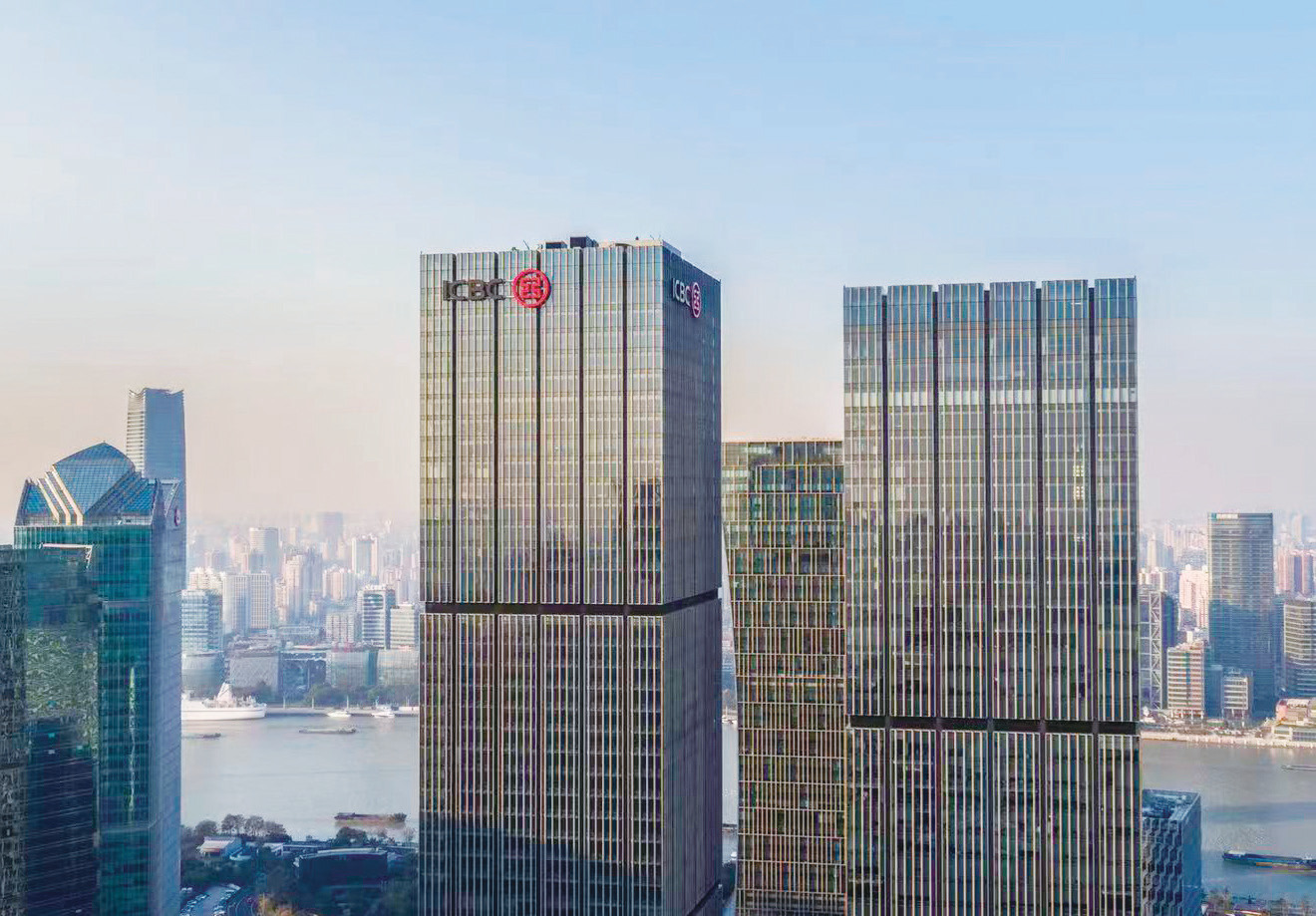
The Headquarter of ICBC Private Banking

The real economy, as the foundation of the new development paradigm of China, is charged with the mission and vision of developing the country through development of industries. “The real economy cannot grow without the support of finance. The Chinese private banking industry should give play to its resource endowment and capability advantages in its position as the ‘intersection’ of retail banking, corporate banking and investment banking businesses and the top of the whole retail finance ecosystem to deliver financial vitality to the real economy and serve the entrepreneur group and the real economy they represent,” said Li Baoquan, General Manager of the Private Banking Department of ICBC.

Empowering the real economy with comprehensive services. As main financial service providers to the real economy, commercial banks play a vital role. Upholding the business philosophy of “integrity and steadiness”, ICBC Private Banking has promoted the integrated development of “family business, enterprises and industries”. We joined hands with entrepreneurs, seized the opportunities of national policies and made best use of ICBC’s professional advantages to jointly build a bank-enterprise ecosystem with quality enterprises, supporting the transformation and upgrading of the Chinese economy.

Developing charitable trust to assist inheritance of family businesses. The nature of wealth management is to improve the efficiency of asset allocation and support and share the value from the growth of excellent enterprises. The biggest good about wealth management is that the wealth management service provider can help others achieve success while helping itself. The “Charitable Trust for Partners” from ICBC Private Banking always assists clients achieving inheritance of both material and spiritual wealth, channeling wealth to public service fields and thus promoting common prosperity.

Bringing services deep into communities. The demand for financial services is growing. Over 70% of ICBC’s private banking clients are private business owners. To provide more convenient and better services to clients, ICBC has set up “ICBC Sharing Station” on the basis of existing service centers for the convenience of people. ICBC Private Banking has upgraded the comprehensive services for entrepreneurs in all respects and built the “finance + pan-finance” service system.

Developing green finance to support ”carbon peak and carbon neutrality”. The financial sector shall channel more funds into green-related industries, advocate green production, and encourage green consumption. With a deep understanding of green finance policies and regulations, ICBC Private Banking has developed well-matched high-quality financial services for high-quality development, and continued to improve the quality and efficiency of green finance services, to support the achievement of “carbon peak and carbon neutrality” goals.

Taking coordinated actions to support enterprises amid the pandemic. Affected by the pandemic, enterprises are suffering from shortage of working capital, while banks are facing obstacles in operation at brick-and-mortar outlets. Banks are required to strengthen online services to meet every service need as far as possible. ICBC Private Banking has taken coordinated actions to ensure the operation of primary-level institutions and services and kept improving the quality and efficiency of financial services.

Looking back, ICBC always put clients in the first place and gave full play to its advantages as a large bank to support the development of the private sector. Through charitable trusts, ICBC contributed its bit to common prosperity. Looking forward, ICBC Private Banking will continue to create social value, fulfill social responsibilities and improve the level of financial services for the real economy. We will keep a foothold in the new development stage, integrate into the new development paradigm, build a corporate-private integrated service platform for entrepreneurs, and promote sustained and coordinated development of enterprises with the economy, society and environment.


Leading The Franchising Boom In Asian Hospitality

Joon Aun Ooi, President, Asia Pacific, Wyndham Hotels & Resorts

As the recovery in global travel starts to gain traction, more hotel owners are looking to scale their operations by partnering with industry-leading brands through franchise agreements. Indeed, the pandemic has accelerated a trend towards franchising in the hospitality sector that started more than a decade ago.

Led by global hospitality leaders such as Wyndham Hotels & Resorts, the proportion of branded hotels globally that were franchised operations rose from 70% in 2010 to around 80% in 2019, according to STR and JLL Research. In Wyndham’s case, the formula for success can be attributed to three factors.

Firstly, Wyndham adopts an “OwnerFirst” mindset where the company constantly collaborates with owners to achieve a win-win outcome. Secondly, Wyndham prides itself on having a brand for every occasion. This enables existing and potential business partners to identify a brand suitable for their market and target guest profile. Lastly, they have robust on-ground presence in Singapore, Jakarta, Seoul, Bangkok, Melbourne, Sydney, Shanghai, Beijing and seven other cities across China to help address owners’ queries and provide support. These three key factors provide existing and potential owners with a high level of confidence when they partner with Wyndham Hotels & Resorts.

Amid challenging economic conditions, the numerous benefits of the franchising model have become increasingly attractive. Franchisees are not only able to associate their hotel with a popular brand, but also take advantage of a franchisor’s global network and expertise, training programs, round-the-clock advisory and support services, as well as access to loyalty and marketing programs.

Meanwhile, as the world’s leading hotel franchisor, Wyndham offers strong opportunities for existing and potential hotel owners to tap into an enterprise system driven by a robust portfolio of iconic brands with strong value proposition.

“We know what it takes to run a successful and collaborative franchise business model with owners.”

While management agreements remain the dominant model in Asia Pacific, the appetite for franchising has been on a good trajectory in 2022, reveals Joon Aun Ooi, President, Asia Pacific, Wyndham Hotels & Resorts.

“Asian owners are more aware of the benefits of franchising today. It gives them branding, distribution and tools to help them reduce operating costs, and the flexibility to run their hotels as they see fit while conforming to franchise standards,” he says.

Ramada by Wyndham Guilin Yangshuo Resort

Owners in the region have become more comfortable with franchising as the talent pool to support this model expands. Asia’s hotel development boom in recent years has swelled the ranks of qualified general managers (GM) and other hotel professionals in the region.

“Asia has a lot of hospitality talent available now. This enables owners to hire their own GMs and other key team players to run the hotel themselves. Due to this factor, I am more enthusiastic about franchising today compared to five years ago,” explains Ooi.

Leading the Pack

Wyndham is widely recognized as one of the leaders of the franchising model in Asia Pacific. The group aims to grow its portfolio to 2,000 hotels in the region by 2025, from around 1,600 currently. Wyndham sees strong demand coming from Greater China, Southeast Asia and the Pacific Rim.

Wyndham Garden Bangkok Sukhumvit 42 Rooftop Pool

Globally, Wyndham is the world’s largest hotel franchising company, with approximately 9,000 hotels in 95 countries across six continents. “We’ve been franchising for decades,” says Ooi. “While other chains are franchising too, we have been very active in Asia Pacific. We know what it takes to run a successful and collaborative franchise business model with owners.” Reflecting the strength of Wyndham’s franchise and owner-first strategies, existing owners made up more than 20% of its signings in 2021, with one owner in Thailand opening four new hotels under the Wyndham portfolio of brands this year alone.

Leveraging a Global Footprint

The key advantage that Wyndham offers owners is its size and global footprint, including a diverse portfolio of 22 brands. The group has deployed 15 of these brands in Asia Pacific: Wyndham Grand, Wyndham, Wyndham Garden, Dolce Hotels and Resorts by Wyndham, Ramada by Wyndham, Ramada Encore by Wyndham, Microtel by Wyndham, La Quinta by Wyndham, Days Hotel by Wyndham, Howard Johnson by Wyndham, Trademark Collection by Wyndham, TRYP by Wyndham, Hawthorn by Wyndham, Super8 by Wyndham and Wingate by Wyndham. The group plans to introduce Wyndham Alltra, an all-inclusive resort brand, in Asia Pacific by 2023. 

Hotel Sol Halong Bay Trademark Collection by Wyndham

The versatility and diversity of the brand portfolio provide franchisees with a wide range of options to meet their unique needs and help them to capture profitable opportunities.

Wyndham partners also benefit from the group’s expansive network of relationships with major online travel agents (OTAs) and distribution partners. Due to Wyndham’s global reach and pool of more than 95 million Wyndham Rewards members, the group can negotiate favorable rates on their franchisees’ behalf. Owners can save on the costs of OTA bookings by taking advantage of these competitive rates, as well as brand marketing efforts that drive guests to direct channels. 

Microtel by Wyndham Sanya Dadonghai

Owners also enjoy the full backing of Wyndham’s highly experienced support team to assist them in their day-to-day operations. Franchisees have round-the-clock access to an online portal, including comprehensive best practices tools in operations and marketing, as well as a direct line to Wyndham support experts. 

Meanwhile, Wyndham’s team of revenue management experts works to optimize property rates and inventory availability for franchisees with the goal of increasing property revenue and market share. Owners can also leverage Wyndham’s Architecture, Design and Construction team to guide them through each step of a new build or conversion process for projects of all sizes.

Winning with Wyndham Rewards

On the marketing front, owners can tap into the award-winning Wyndham Rewards platform. The program, along with Wyndham’s comprehensive and targeted cross-selling efforts, helps connect a franchised hotel with over 95 million loyalty members. Wyndham Rewards offers guests more than 50,000 redemption options around the world, helping ensure repeat business for franchisees. Most recently, Wyndham Rewards clinched Gold at the 2022 Loyalty & Engagement Awards organized by Marketing Interactive. This win is highly significant as it reflects the high level of acceptance and trust the program has among hotel guests and partners in Asia Pacific.

Looking ahead, Ooi says that he believes the recovery in Asia Pacific’s hospitality sector can only bode well for Wyndham’s franchise strategy in the coming years. “More than ever, the challenges of the pandemic have underscored the importance of hotels being affiliated with established, globally known brands. We know what it takes to run a successful and collaborative franchise model, and that’s driving increased interest in our offerings, a trend we expect to continue throughout 2022 as hotels look to further their recovery.”


www.wyndhamhotels.com

Singapore: Positioned For Long-Term Success

After navigating the turbulence of the past two years, Singapore has set its sights firmly on the future as it seeks to capitalize on the post-pandemic rebound. The government has removed almost all Covid-related restrictions and has since embarked on a strategy to sustain Singapore’s longer-term relevance while supporting businesses as they return to a growth trajectory.

Like other countries around the world, however, Singapore faces challenges on multiple fronts, including heightened inflation that threatens to push economies into recession. Rising food and energy prices worldwide are a result of persistent supply chain issues that have been exacerbated partly by China’s zero-Covid approach and the supply shock from the war in Ukraine.

However, economists are cautiously optimistic that Singapore will avoid a technical recession, which is defined by two consecutive quarters of economic contraction. After the GDP dipped slightly by 0.2% for Q2, 2022, the Ministry of Trade and Industry said that the economy appears set to return to quarter-on-quarter growth for the rest of the year.

Reaping the Benefits of Transformation

Despite the uncertain global landscape, companies based in Singapore will continue to reap the benefits of digital and business model transformation efforts undertaken in recent years. Initiatives aimed at streamlining processes, embracing digitalization and finding new avenues for growth have resulted in more sustainable businesses that are better equipped to navigate volatility and capture new opportunities.

For instance, Singapore-based pharmaceuticals group Zuellig Pharma consistently taps into innovation and technology to more effectively serve its stakeholders as part of its broader mission to make healthcare more accessible to the communities it serves.

In the education sector, Singapore Institute of Management (SIM) has also embraced innovation to help its learners acquire skills and knowledge that are relevant for the rapidly evolving future of work. In July this year, SIM rolled out a rebranded identity to reflect this commitment to an industry-focused and skills-based approach to lifelong learning.

Meanwhile, one of Singapore’s leading entrepreneurs, Sam Goi of Tee Yih Jia Food Manufacturing is leveraging a new, state-of-the-art manufacturing facility to emerge stronger from the pandemic, as he seeks to play a key role in Singapore’s bid for nutritional self-sufficiency. 

Riding the Post-pandemic Rebound

The global hospitality industry is also witnessing a welcome recovery as global travel bounces back strongly, with some Singapore-based players having returned to pre-pandemic levels of activity. 

A case in point is Radisson Hotel Group (RHG), which recently unveiled an Asia Pacific (APAC) Expansion Plan that aims to grow its portfolio from around 400 properties in the region to more than 2,000 hotels and resorts by 2025. The expansion plan focuses on five strategic growth markets—India, Thailand, Vietnam, Australia and New Zealand—and RHG’s strategy will be powered by building local development and operations teams with local language capabilities in these markets.

The healthcare sector is another beneficiary of the post-pandemic rebound. IHH Healthcare—which operates 80 hospitals in ten countries under leading brands such as Fortis, Parkway and Pantai—saw its business plummet by almost 80% during the crisis, pushing the company into a loss for the first time in many years.

Through the uncertainty, IHH, which is listed in Malaysia and Singapore, stayed true to its mission to become the world’s most trusted healthcare services provider. The group’s decision to follow its moral compass has since paid dividends, and it has come out of the pandemic stronger than ever.

Committed to Sustainability

Many of these companies are focused on incorporating sustainability into their operations, even as they chase business expansion. IHH recently introduced its “Care. For Good.” vision, which aims to create sustainable value for all its stakeholders. This involves not only taking care of patients, but also its people, the public and the planet.

Meanwhile, Zuellig Pharma has put in place a sustainability framework that outlines 22 material issues grouped under four themes: Setting the Highest Standards of Integrity, Nurturing Talent, Improving Health Outcomes, and Respecting the Environment. RHG has also developed an APAC Expansion Plan in line with the group’s sustainability targets, reinforcing its commitment to become net zero by 2050.

Other organizations are more directly engaged in promoting sustainability in an effort to address climate change. One such enterprise is Plastic Credit Exchange (PCX), a commercial operation based in Singapore that launched the world’s first non-profit, fully integrated and blockchain-protected plastic offset program. PCX offers brands a way to achieve their sustainability goals by showing them that there is an effective, achievable way to clean up their plastic waste.  

The Singapore Edge

Looking ahead, companies and entrepreneurs from around the world will undoubtedly continue to set up shop in Singapore, attracted by the city-state’s well-known strengths of global connectivity, ease of doing business and good governance. Drawn by these strengths, Sudhir Agarwal came to Singapore in 2016 to build a global business process outsourcing enterprise from scratch. In just six years, his company, Everise, has grown into an industry powerhouse that is expected to register around half a billion U.S. dollars in revenue this year.

Agarwal credits operating out of Singapore as one factor that has given him a competitive edge in the industry. “I chose Singapore because of the ease of setting up the company and doing business here. I was clear that Everise would be built on the important pillar of governance, which we all know is very strong in Singapore.”