Taking Startups To The Next Level

Kenji Minefuji, Manager, Investment Lead, Mitsubishi Electric Corporation and Kelvin Ong, Cofounder & CEO, FTV LABS Pte. Ltd.

Kenji Minefuji, Manager at the Business Innovation Group of Mitsubishi Electric, and his team go through 100 to 200 proposals from startups every month.

Each proposal is unique, but they share one thing in common—they hope that ME Innovation Fund (MEIF), a 5-billion-yen (US$38.27 million) corporate venture capital (CVC) fund set up by Mitsubishi Electric Corporation and venture capital firm Global Brain, will invest in their business.

“We like companies with passionate founders,” Minefuji says, referring to one of the criteria the fund looks at when investing in companies. The fund has one main objective: to realize promising new startups that can collaborate with Mitsubishi Electric to uplift the quality of life for people.

Although the fund, launched in January 2022, is considered a new vehicle in the startup ecosystem, Minefuji believes that it has what it takes to be successful.

Industry Knowledge and Instant Chemistry

In the world of startups, entrepreneurs are often looking for investors who share the same mindset, understand industry pain points and can help them grow.

One of the companies in which MEIF has invested is Singapore-based software startup FTV LABS, a leading provider of Field Service Management (FSM) software KEGMIL. The startup empowers field service organizations with smart automation and insights to improve their operational efficiency, service performance and knowledge retention, which leads to greater customer satisfaction and profitability.

Minefuji is confident that FTV LABS has the best offering in Southeast Asia, combining industry knowledge, cutting-edge technology and a highly capable team that can help drive digital transformation across multinational corporations.

FTV LABS Cofounder and CEO Kelvin Ong says one of the key things that attracted him to the team at MEIF was their knowledge of the market and industry.

“We are operating in a niche space, but it has huge market potential. They understood our business, the industry challenges; there was instant chemistry,” Ong says. “We believe they are the right partner to help us achieve our goal of becoming the leading service provider of field service technology.”

Ong is also impressed by the proactive approach and level of support he receives from MEIF and Mitsubishi Electric. He says that even though there are many CVC funds in the startup ecosystem, not many offer the level of support that MEIF does.

The Right Support

MEIF has helped the company overcome various challenges, including matching FTV LABS with the right customer profile to validate its ideas.

“As a startup, we have limited resources and need to stay focused on refining our product and value proposition for the right customers.

The FTV LABS office in Singapore

This is where Mitsubishi Electric fits in as our ideal customer. They gave us access to the various business units within Mitsubishi Electric so that we could test assumptions and gather user feedback. It would be nearly impossible for us to do this on our own,” Ong says. “They helped us push for meetings with the internal stakeholders and push for replies; they worked as if they were our internal managers.”

Minefuji believes the software company has huge growth potential. With Mitsubishi Electric’s scale and reach, FTV LABS’ solutions can be applied across the firm’s operations globally and adopted by other customers worldwide.

“We look forward to more collaboration opportunities with MEIF and other forward-looking field service organizations as we aim to deliver the best product for the industry and drive greater value for our customers,” Ong says.

And ultimately, this ties back to the main objective of the fund. Minefuji sums up, “Our hope is to be chosen by great startups. If we were to produce a unicorn company along the way, that would be a plus.” 


https://www.mitsubishielectric.com/cvc/


China Recovery and Asian Structural Growth Present Opportunities in Uncertain Times

Asia’s Growth Amid Downturn in Developed World

China’s faster-than-expected reopening and consumption-led recovery have provided a notable lift to Asian economies, supporting a broad-based improvement in manufacturing and services PMIs across the region. Given that China is the single largest trading partner of 16 major economies in Asia, its demand recovery helps mitigate the drag from the global downturn for Asian exporters. New orders in Asia have already recovered to expansionary territory in January and have continued to improve in the first quarter. The pace of new export orders contraction has slowed considerably in the Asian exporting economies.

Upside surprises from China’s manufacturing and services PMI data reaffirm that the economy is on track to stage a strong cyclical recovery in 2023. We expect China will deliver a speedy growth acceleration from 2.2% y-o-y in Q1 to 7.4% in Q2, 5.5% in Q3 and 6.9% in Q4, lifting full-year GDP growth back to 5.6% in 2023 from 3.0% in 2022. We expect China can overachieve the conservative 2023 GDP growth target of “around 5%” set at the annual National People’s Congress in March.

In contrast to the growth downturn in developed economies, which is exacerbated by the tightening credit conditions caused by the banking sector turmoil in the U.S. and Europe, Asia stands out as the only region that is expected to deliver growth acceleration to 4.7% in 2023 from 3.5% last year. Alongside China’s recovery, India’s service sector boom is reflected by the surge of its services PMI to 59.4 at a 12-year high in February, adding momentum to Asia’s resilient growth in these uncertain times. The recent market turmoil triggered by Silicon Valley Bank (SVB) and related banking events have added to the market uncertainty. We believe a systemic banking crisis should be averted but the market volatility may persist. We see the Asian markets as relative safe havens in the volatile markets.

Asian Banking Sector Resilient to Contagion Risks

Against the backdrop of heightened banking sector volatility in the U.S. and Europe, the Asian banking sector has stayed resilient to withstand contagion risks. Thanks to the robust capital adequacy ratios, liquidity positions, diversified business models and the broad and stable retail deposit base, Asian banks stand out as relative safe havens amid the sector uncertainty. In Hong Kong and Singapore, the total deposits have increased significantly. Asian banks do not have mismatch in asset and liability maturity because they have been prudently regulated after the 1997-1998 Asian financial crisis.

Fan Cheuk Wan, Managing Director, Chief Investment Officer, Asia at HSBC Global Private Banking and Wealth

In our view, Asian banks have built strong capital buffers to resist recent volatility in the AT1 bond market, thanks to their much higher CET1 capital ratios versus regulatory requirements. In particular, mainland Chinese banks are insulated from the banking turmoil in the developed economies due to their domestic-oriented business portfolios and loan book. ASEAN banks are also well diversified across different industries and geographies within the region.

Positioning in Reopening Winners in China and Asia

We are fully overweight on China and EM Asia equities due to their resilient domestic fundamentals, positive growth outlook and attractive risk-reward profile. China’s policy pivot towards growth stabilisation is strategic and supported through multiple policy levers, and is less prone to U-turns than many investors seem to fear. China’s consumption-led recovery will not only support Asia growth but will also reduce the risk of a global recession.

Our high conviction theme on Asia’s reopening winners position in the beneficiaries of China’s speedy reopening and resumption of international travel. We favour quality leaders in travel, airlines, mass consumption, hospitality, food and beverages and Macau gaming sectors. China’s rapid reopening should lead to broadening of economic recovery; we like blue chip Chinese internet leaders which will benefit from the more supportive government policy, asset restructuring and fundraising opportunities, better growth outlook and improving consumer confidence. China’s accelerating housing recovery will boost demand for metals and construction equipment.

In Hong Kong, we see positive recovery outlook for the retail landlords due to expected improvement in occupancy rates, positive rental reversion and additional revenue from turnover rents. We think the insurance sector in mainland China and Hong Kong can benefit from a normalisation of activity levels, just as banks and stock exchanges can.

The ASEAN economies also emerge as major beneficiaries of China’s border reopening, as Thailand, Vietnam and Singapore are the top three travel destinations in Southeast Asia most favoured by mainland Chinese tourists. In Thailand and Vietnam, Chinese tourists made up about 30% of their overseas visitors before the pandemic. In Thailand, the government targets 5 million tourists from mainland China to visit the country this year, implying total tourist arrivals will almost triple 2022’s levels. According to the United Nations World Tourism Organization, last year the return of international visitors to Asia Pacific only reached 23% of pre-pandemic levels, setting the stage for a strong recovery to take place in 2023.

Green Transition and ASEAN Growth

Asia’s green transformation continues to be our high conviction theme, focusing on opportunities from the energy transition and independence, green infrastructure development and innovation of new energy vehicles technologies in the region. According to McKinsey, the addressable market size for green businesses in Asia is expected to reach between US$4 trillion and US$5 trillion by 2030, as sustainability is increasingly valued by various stakeholders, including investors, customers and employees.

China’s transition towards renewable energy and electric vehicles is well underway, backed by strong policy support and catalysed by the global energy crisis. During the March National People’s Congress, the government announced fiscal stimulus measures, including targeted tax cuts and fee reductions for green transition and exemptions of purchase taxes for new electric vehicles. Following the normalisation of construction activities post-Covid, our 2023 solar installation forecast for China is now at 120 GW, translating into robust growth of 38% y-o-y. On the other hand, energy storage is gaining traction, in particular batteries that are used in new energy vehicles and the renewable energy industry.

Apart from cyclical catalysts, the ASEAN economies ride on structural growth tailwinds in the next decade with the economic gravity shifting to Southeast Asia. Our high conviction theme on “ASEAN Tigers” captures secular growth opportunities in ASEAN consumption companies, infrastructure plays, banks and Singaporean REITs. ASEAN economies were supercharged by robust domestic demand and reopening tailwinds in 2022. We expect consumption to stay supportive of growth, though with a smaller impact given slowing global growth and base effects.

Asian Quality Credit for Resilient Carry Opportunities

As the Fed is stepping closer to the end of its tightening cycle, we see an improving outlook for the Asian credit market. We are bullish on the theme on Asian quality credit as we see an opportune time to switch from time deposits to high-quality credits to lock in yields at attractive levels. Within Asian fixed income, our duration preference remains short to medium, taking advantage of the inverted credit curve.

In terms of high-quality corporate bonds in Asia, we find a few sectors offering attractive investment cases, including high-quality Hong Kong corporate bonds which enjoy reopening tailwinds, Chinese technology, media and telecommunications (TMT) bonds on the back of normalisation in regulatory environment and Indonesian quasi-sovereign high-grade bonds given the country’s improving fundamentals.

Within the China property credit market, we continue to prefer higher quality issuers including the state-owned developers which have much stronger financial positions compared to privately-owned and highly geared developers.

About Fan Cheuk Wan
Fan Cheuk Wan is a member of the Global Investment Committee for Global Private Banking and Wealth and Chair of the Regional Investment Committee in Asia. Fan has 28 years of investment experience and is responsible for developing investment strategies and themes across all asset classes for private banking and wealth clients in Asia. With her investment expertise and wealth of market knowledge, her views are always sought after by the media, including Bloomberg TV, CNBC, Cable TV, NOW TV and Channel NewsAsia.

privatebanking.hsbc.com


Disclaimer

Investments in emerging markets may be extremely volatile and subject to sudden fluctuations of varying magnitude due to a wide range of direct and indirect influences. Such characteristics can lead to considerable losses being incurred by those exposed to such markets. This article is not a personalized communication from HSBC to you and does not constitute and should not be construed as legal, tax or investment advice or a solicitation of the sale or recommendation of any product or service. You should not make any investment decisions based mainly or solely on this article. All investments involve risks and may experience upward or downward movements and may even become valueless. Issued by The Hongkong and Shanghai Banking Corporation Limited

Sustainability Is The Driving Force Of Home Credit’s Strategy

Home Credit has a pioneering reputation in the consumer finance industry in Vietnam. Between 2020 and 2022, the company was rated as the “Most Desired Brand” in the market by the Ipsos’ Annual Brand Health Tracker. It has also received many other prestigious awards in the technology, HR and CSR categories.

Annica Witschard, CEO of Home Credit Vietnam, shares the company’s ESG journey so far.

Why is Home Credit Vietnam proactively developing an ESG strategy when this trend is still new in Vietnam?

ESG principles are actually not new to us at all. They have always been integral to our business approach, even before being called ESG. Responsible finance, financial inclusion and digital empowerment, which have been woven into Home Credit’s DNA since day one, are central to our policies and commitments to customers, staff and the communities that we serve.

I strongly believe that an action-driven ESG strategy has a powerful impact on the sustainable growth plans of any business. But, it’s not just about the business growth; it’s also about driving transformational social impacts. I am proud to say that our strategy has so far proven successful. Our customers say that they find us trustworthy, responsible and friendly. Three out of four of our customers recommend Home Credit services to their families and friends, while 75% of new revenue is generated by returning customers.

Annica with the Sustainability team

We are able to achieve steady and healthy business results while maintaining the lowest non-performing loan ratio across the industry.

In addition, as more and more employees seek purpose and value at work, we find that social responsibility and a forward-thinking workforce strategy are keys to employee satisfaction and attracting talent in a competitive labor market.

How is sustainability included in work at Home Credit Vietnam?

First and foremost, we apply the principles of good governance through responsible financing and acting with transparency and compliance. We offer customers the right products, based on their needs and financial capacities with sustainable repayment plans, ensuring that they clearly understand all essential information related to the service and do not become overburdened. At the same time, we promote responsible borrowing practices via roadshows and workshops, focusing on teaching core skills such as money management or household budgeting.

We serve more than 14 million customers nationwide, most of whom are low-income earners with no credit history, and therefore not being served by traditional banks. We can plug that gap and help them access financing easily and safely to quickly achieve their daily goals. This is financial inclusion in action.

The “S” in ESG is also an area we focus on. We give back by supporting female entrepreneurs in communities and teaching financial literacy, which I believe will have long-term positive impacts for both societies and our business. We have also invested in CSR programs that have delivered, for example, direct aid for flood victims and for people in need during Covid-19.

Our digital products ensure that the end-to-end aspects of our transactions are efficient and promote sustainable consumption. Our automated lending process helps to improve customer experience, increases the ease of doing business across the economy and lowers the impact on the environment.

Annica Witschard, CEO of Home Credit Vietnam

Can you explain more about your digital strategy and some of your innovative products, e.g., Home PayLater and Home App?

Digital empowerment is one of our goals as a business. Home PayLater is a recently launched Buy Now, Pay Later product which will revolutionize the way customers shop, allowing them fast access to consumables without adding financial pressure to their budgets. Home App, which was launched last July, helps customers access a full suite of financing services anytime, anywhere.

These technologies are underpinned by a solid technological foundation, a wealth of data, and cutting-edge information security protocols that are designed to enable everyone to benefit from digitisation.

In the context of global economic instability in 2023, how can Home Credit build a sustainable future?

We do not treat ESG as “just another line item” in our budget but as the driving force of our sustainable growth.

This year is going to be challenging but we believe in the resilience of the Vietnamese economy. We trust that improving access to responsible finance through digital innovation will help us to mitigate global headwinds and contribute to the broader economic recovery.

We will keep on ensuring consistency and coherence in our approach to sustainability while pioneering high-quality products and services. I trust this will continue to make us a desired brand that customers, partners and employees want to stay with.

www.homecredit.vn

Helping Entrepreneurs Reach New Heights

In an increasingly complex market environment, entrepreneurs are faced with challenges not just related to running their businesses, but also managing their accumulated wealth.

Customized Solutions for Different Entrepreneurial Needs

Partnering with the right private bank and wealth advisor is pivotal in setting up a path to success for their businesses and personal goals. With a customized and holistic wealth and legacy plan, be it guiding them through transitions such as liquidity events, or realizing their philanthropic aspirations, entrepreneurs are able to focus on their day-to-day business operations and success.

J.P. Morgan Private Bank clients are able to leverage the bank’s established global network, as well as access its comprehensive services in corporate and investment banking, commercial banking and asset management, giving J.P. Morgan Private Bank the capability to customize solutions for every stage of an entrepreneur’s business life cycle and private wealth journey.

Narrowing the Accessibility Gap

J.P. Morgan caters to the needs of established entrepreneurs who have accumulated substantial wealth, as well as startup founders beginning to make their mark on the business world. Unsurprisingly, the needs of these two groups differ greatly.

For example, startups are looking for connections and networks that can help take their businesses to the next level of growth, including funding needs. This goal is more challenging for enterprises led by women, who are faced with higher hurdles compared to their male counterparts.

A J.P. Morgan report found that women-powered businesses—defined as businesses founded and led by women—represent only 5.7% of around 15,000 high-growth businesses identified across Asia Pacific (APAC).

Kam Shing Kwang, CEO of J.P. Morgan Private Bank in Asia and the Vice Chair of Investment Banking for Greater China


“The study confirms our observations that women are severely underrepresented in high-growth businesses in APAC. However, even when faced with the challenges of Covid-19, there has been an increase in the absolute number of women-powered businesses in APAC compared to five years ago, much more progress can be made to accelerate the pace of growth,” says Kam Shing Kwang, CEO of J.P. Morgan Private Bank in Asia and the Vice Chair of Investment Banking for Greater China.

“The year ahead will undoubtedly be challenging with a global economic slowdown looming. However, we are confident that as more women come together—through networks and government-aided initiatives—this statistic will continue to see an upward trend.”

The report aligns with our firmwide commitment to empower and fuel women’s ambitions by advancing financial equality at J.P. Morgan and in our local communities. This mission is driven by our global initiative called “Women on the Move,” formed in 2013 to support women in both their personal and professional lives.

“At J.P. Morgan, we are committed to playing our part in addressing gender equality—beginning with setting the tone from the top. In APAC, we have a number of senior women leaders who lead by example and help set precedent—and it shows, as The Private Bank leadership team in the region has equal representation,” says Kwang.

Jumpstarting Connections

The same study highlighted that entrepreneurs and leaders prioritize the importance of having a strong network that can help them build their expertise, as well as find champions and mentors to help them in their journeys.

“Starting a business is not easy. Many entrepreneurs have shared that the barriers they face as women, especially in certain sectors that are male-dominated, are significantly higher,” says Karen Tan, Head of Wealth Advisory for Singapore and Southeast Asia at J.P. Morgan Private Bank.

“At The Private Bank we leverage our global connections to bring together entrepreneurs to facilitate network building, linking them up with not just like-minded individuals in the entrepreneurial space, but also our client network and family offices who are keen to diversify their portfolios. We are committed to fuel the ambition and success of all women and support them in our communities—creating platforms to facilitate networking, knowledge and advice for women entrepreneurs, with the report’s focus on high-growth businesses in APAC.”

“At J.P. Morgan, we are committed to playing our part in addressing gender equality—beginning with setting the tone from the top. In APAC, we have a number of senior women leaders who lead by example and help set precedent—and it shows, as The Private Bank leadership team in the region has equal representation,” says Kwang.


Supporting Evolving Needs

J.P. Morgan advises entrepreneurs to help them grow and preserve their wealth, and provides support in important areas such as succession planning and philanthropy, offering sound and practical advice on creating a lasting legacy for them and the families, and the causes that they are passionate about.

Karen Tan, Head of Wealth Advisory for Singapore and Southeast Asia at J.P. Morgan Private Bank

“The needs of entrepreneurs tend to evolve over time with changes in their business and family circumstances. J.P. Morgan advises them over the course of this journey, helping them to think about their portfolios, their succession plans and giving back to the community,” says Tan. She notes that with longer life expectancies, women have an even greater need for support in their long-term wealth planning.

J.P. Morgan does this with its differentiated “goals-based” planning approach to help entrepreneurs manage their wealth over their lifetimes, as well as craft strategies for wealth transfer to the next generation. This involves determining what a client wants to achieve with their wealth, who could be best suited to take responsibility for its management, how assets should be held and how to prepare them for any future transfer.

J.P. Morgan’s global connectivity and universal banking capabilities also ensure that The Private Bank is able to serve its clients’ business and personal wealth needs across multiple geographies. For instance, the Bank has a dedicated team, 23 Wall, that provides the world’s most prominent families with access to the firm’s entire intellectual capital, balance sheet and deal flow around the world.

These capabilities are also backed by the firm’s fortress balance sheet, which helps to assuage any concerns over security and safety in an uncertain environment.

Investing for Future Growth

J.P. Morgan prioritizes investing in talent and technology to ensure the effective and efficient solutions and services are available to entrepreneurs around the world. Coupled with The Private Bank’s tried-and-tested “Integrated Team Model,” which provides clients direct access to a suite of specialists and experts, entrepreneurs can then focus on growing their businesses and taking it to the next level.

Looking ahead, it is critical for entrepreneurs to work with the right banking partner that can help bolster their wealth aspirations amid ongoing market uncertainties.

Whether you’re a successful entrepreneur or just starting out, The Private Bank is fully equipped to help you through different stages of growth, to achieve even greater success. J.P. Morgan Private Bank has been a trusted partner to entrepreneurs in Asia and beyond and is well positioned to navigate the entrepreneurial journey ahead.


Establishing Philanthropic Purpose


Giving back to the community has become a priority for many entrepreneurs and family businesses in Asia Pacific. Even in their investing activities, they are not only thinking for profit, but also for purpose.

To this end, a rising number of family businesses in the region are keen to set up philanthropic foundations to support causes that are meaningful to them. Others are also eager to help startups, not just in terms of funding, but also providing advice and mentorship to these budding enterprises.

“In the U.S., we already see so much being done by entrepreneurs to give back, and we are seeing greater interest and activity in the region, especially in places like Singapore and Hong Kong. We have witnessed wealthy families and successful entrepreneurs finding new avenues to pass on their wealth meaningfully and thoughtfully—with impact,” says Karen Tan, Head of Wealth Advisory for Singapore and Southeast Asia at J.P. Morgan Private Bank.

To help them in this growing space, The Philanthropy Centre at J.P. Morgan tailors its advisory service for clients at different stages of their donor journeys. When working with first-time philanthropists, the team focuses on helping them identify and articulate their passions, with the aim of understanding their primary giving interests and the social issues closest to their hearts.

Sometimes it involves building on a framework passed on to them by their predecessors, and coming up with a refined plan with specific and measurable goals that address issues they are most passionate about. In addition to mapping out their philanthropic journey, the team at J.P. Morgan Private Bank has the capability to advise which vehicles could be adopted to effectively achieve specific charitable goals, as well as provide the access to collaborate across the private and public sector—to collectively move the dial.


Click here for more information

learn.more@jpmorgan.com

Translucia, MQDC Partnership Promises Game-Changing Metaverse

Over the recent years, many global technology companies have begun exploring and building a metaverse, which many believe would be the next evolution of the internet, a world where people can live, work, play and relax in a three-dimensional virtual reality that they can experience from the comfort of their own homes.

Although these metaverse development efforts are largely coming from tech giants in the West, it does not stop two Thai companies, T&B Media Global and MQDC from embarking on their ambitious metaverse journey.

Going on Full Steam

Since Bangkok-based entertainment studio T&B Media Global announced its Translucia metaverse project in October 2021, the company has made significant progress in its development, and has tied-up with many metaverse ecosystem players globally to help build Translucia, including New Delhi-based 3D modeling and rendering specialist Sunovatech, Switzerland-based digital asset bank Sygnum and Chinese creative company Black Flame. Translucia has also established a Research & Development Center in Melbourne, Australia to ensure it always has the most cutting-edge Web 3 technologies to incorporate into the project.

T&B Media Global Group Deputy CEO Bhak Tanta-Nanta says “many more global companies are expected to join Translucia this year” and adds that the company has some “really exciting and amazing events planned for 2023,” including the official launch of the Translucia website in the first quarter. Users can also expect to have a taste of the Translucia virtual experience—but in the real world—by the end of the year.

“We are moving full steam ahead in terms of building the world and narrative of Translucia,” Tanta-Nanta says.

Infinite Universe of Interconnected Metaverses

Imagine needing to have separate devices for WhatsApp, LINE, Facebook and any other popular apps available in our smartphones today—the experience would be horrible.

Like how one is able to use multiple apps within a mobile device, the Translucia metaverse works similarly: by enabling users to have interconnectivity to other metaverses from its own metaverse, Tanta-Nanta says.

“Essentially, Translucia is an infinite universe of interconnected metaverses. Inside the Translucia metaverse itself, we will build various worlds within and it is a never-ending process. Being a platform designed to provide interconnectivity to other metaverses is our aspiration to ensure a seamless experience for our users in the metaverse,” says Tanta-Nanta.

He says the company is currently evaluating various economic and tokenomics models for Translucia to ensure that businesses and people are able to benefit fairly, and securely, from participating in the economy of Translucia.

“We hope to launch the first phase of Translucia in 2025,” he says.

Metaverse for Good

Unlike other metaverses that may only allow users to work, live, relax and play, Tanta-Nanta says Translucia aims to serve a bigger purpose.

“Our goal is to build a metaverse for good—one that can reduce inequality, fight depression, improve the overall sense of wellness for our users and increase humanity by reconnecting people to values that make us human,” he says.

He adds that one of the reasons Translucia was able to attract various global companies into its metaverse project is because they share the same values and mindset of building a metaverse for good. “Our secret sauce is our purpose. Translucia is designed with positive impact in mind and companies that share these same values are easily aligned,” he says.

Bhak Tanta-Nanta, T&B Media Global Group Deputy CEO
Interconnected metaverses

Early Supporter

One of the earliest supporters of Translucia metaverse is Bangkok-based MQDC, one of the leading property developers in Thailand. In September 2021, MQDC announced that it will be building its own metaverse called Idyllias within the Translucia metaverse.

Bridging the worlds of reality and wonder
Overview of Idyllias, Idy garden view

Less than a year later, it announced that it has collaborated with global consultancy firm Accenture to develop the metaverse. “We are working very closely with Accenture to define the right and robust business model for our metaverse project. We need to make sure that everything we offer to our users will have a unique value proposition,” MQDC Metaverse Project Director Parut Penpayap says.

Just like its partner Translucia, MQDC is also moving at a fast pace. Penpayap says the company’s recent brand reveal in early February will be followed by various activities to create awareness of its metaverse. It also plans to officially launch its metaverse in 2025.

“We are going to keep the momentum going by unfolding the tangible experiences that people could encounter through the metaverse,” Penpayap says.

Parut Penpayap, MQDC Metaverse Project Director

Transforming MQDC into a Digital Company

Penpayap says its metaverse initiative marks the “next chapter for MQDC.” He adds, “We see the Idyllias as a digital transformation initiative that could help us scale the business to the global level.”

He shares that its metaverse initiative comes in a three-prong strategy. First, is to provide virtual experiences as premium offerings to existing and future customers of MQDC. Second, is to develop virtual realms to attract users by offering a combination of virtual assets and experiences. Lastly, is to provide its customers a hybrid and seamless experience whether they are onsite at MQDC’s project sites, or online via the MQDC metaverse.

Importance of Interoperability

Penpayap adds that one of the main reasons MQDC decided to build its metaverse on the Translucia metaverse is the latter’s capability in interoperability. He says that with interoperability, users will be able to have a seamless experience.

“I see interoperability playing a key role in two aspects. First, is that users can make transactions within the MQDC metaverse, as well as other metaverses within the Translucia metaverse, using the same digital assets or tokens.

“The other aspect of interoperability is about the way that we could bridge the interconnection of the reward system between the physical world and the virtual worlds,” he says.

For All Well-Being

More importantly, Penpayap says the MQDC metaverse will continue to practice MQDC Group’s philosophy of “For All Well-Being,” whereby every decision it makes must contribute positively to society and the environment, and help overcome global and local pain points.

“Together with Translucia, we will be deploying and utilizing emerging technologies like artificial intelligence and blockchain to deliver the ‘For All Well-Being’ experiences to people around the world,” he says.

Without diving into the specific details, he shares that these technologies, when integrated with internet-connected devices, can help play a significant role in providing future living solutions for people both in the physical and virtual worlds.

“Basically, our aim for the MQDC metaverse is not just about improving the quality of life of our users, but also about taking good care of the planet and the world of biodiversity,” Penpayap says.


POSCO Group Focusing On Green Materials To Achieve Sustainable Growth

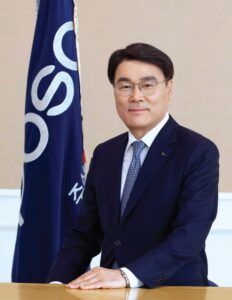
Jeong-Woo Choi, POSCO Group CEO

Starting from a small fishing village in Pohang, South Korea more than 50 years ago, POSCO has grown to become one of the largest steel companies in the world. Two of the key reasons behind the company’s success are its focus on sustainable growth and becoming a responsible corporate citizen.

Today, POSCO Group is moving towards becoming a world-class green materials provider and has embarked on many initiatives to make the world greener and reduce carbon emissions.

POSCO Group CEO Jeong-Woo Choi, who recently won the CEO of the Year award at the 10th Global Metals Awards by S&P Global Commodity Insight and was appointed as the Chairman of the World Steel Association, shares the company’s future plans and his thoughts on the importance of sustainable practices and the steel industry’s future direction.

POSCO Group has grown significantly over the past four years. What are your priorities for the company in the near future?

POSCO Group aims to become a world-class green materials provider using innovative technologies that have not existed in the past. These green materials will be used in industries such as future mobility, housing and infrastructure, and will contribute to the realization of future eco-friendly values such as carbon neutrality.

One of the green materials that we are working on is green steel. Currently, we are working on a technology called HyREX or hydrogen reduction, which could significantly reduce carbon emissions in the steelmaking process. By 2028, we hope to build a HyREX demo plant and commercialize the technology by 2030.

The group is also looking at expanding its domestic and overseas production bases for cathode and anode materials in the rechargeable battery material business. We will also start the saltwater-based production of lithium with an annual capacity of 50,000 tons in Argentina in 2025. This will play an essential role in helping the group achieve its goal of 300,000 tons of lithium production by 2030.

Another priority for us is to grow the secondary battery material business, which is also one of our fastest growing businesses. Last July, we held an investor relations event for the secondary battery material business and presented our 2030 goals for significant materials such as nickel (220,000 tons), cathode material (610,000 tons), and anode material (320,000 tons). We also target to achieve KRW 41 trillion (US$30.8 billion) in revenue by 2030.

POSCO Argentina lithium demo plant

How important is Environmental, Social and Governance (ESG) to POSCO Group? What are the ESG initiatives promoted by the company?

POSCO Group has implemented the management philosophy of corporate citizenship since 2018. In July 2019, the corporate citizenship charter was released, with the details and the practice principles elaborated. The charter mainly embraces what ESG stands for.

We have also established the ESG discussion committee, where key management, including CEOs of the holding and operating companies, participates every quarter to debate and discuss the responsive measures on ESG issues such as climate change, safety, diversity, and inclusion, which are considered crucial by our internal and external stakeholders.

An advanced governance system is also set up to detail what was discussed and report the result to the board of directors and ESG committee before it is communicated to stakeholders. We plan to develop the process further.

How important is Environmental, Social and Governance (ESG) to POSCO Group? What are the ESG initiatives promoted by the company?

POSCO Group has implemented the management philosophy of corporate citizenship since 2018. In July 2019, the corporate citizenship charter was released, with the details and the practice principles elaborated. The charter mainly embraces what ESG stands for.

We have also established the ESG discussion committee, where key management, including CEOs of the holding and operating companies, participates every quarter to debate and discuss the responsive measures on ESG issues such as climate change, safety, diversity, and inclusion, which are considered crucial by our internal and external stakeholders.

An advanced governance system is also set up to detail what was discussed and report the result to the board of directors and ESG committee before it is communicated to stakeholders. We plan to develop the process further.

You have been recently appointed as the Chairman of the World Steel Association. What are some of your key priorities in this new role?

POSCO Group CEO Jeong-Woo Choi (left) was appointed as the Chairman of the World Steel Association.

Many countries, companies and organizations have set the goal of achieving carbon neutrality by 2050. However, the practical methods and technologies we have currently fall short of meeting this target.

Instead of partially modifying the process based on current technologies and facilities, we need to develop new technologies for commercialization and set up the relevant facilities covering raw materials for product manufacturing.

In addition, the materials used for new facilities need to be produced with carbon neutrality and supplied to steel mills. It is another challenge to the new supply channels for carbon-neutral raw materials.

To overcome the challenge, the World Steel Association plans to develop ongoing projects in each category and try a new approach. First, we plan to strengthen the sharing of technology innovation among steel companies and promote cooperation with other industries to create a carbon-neutral ecosystem. We will hold conferences for industry players to keep abreast of the progress on carbon neutrality and new technologies such as HyREX.

Second, we plan to design an intelligent safety solution that can fit a new decarbonized production process. The new carbon-neutral steelmaking process has been developed and is headed toward commercialization. In this regard, we must proactively prepare for a unique and potential industrial risk.

Third, we plan to define the standards for green steel. There is rising demand and interest from various industries for green steel. However, there are no common criteria or standards for this.

In determining the standards for green steel, we plan to involve steel companies, customers and third-party independent certification institutes in the discussion. In addition, we plan to define green steel within a set timeline by considering a roadmap for developing carbon neutrality technology.

Last but not least, we will try to secure the supply network of eco-friendly fuel and raw materials for green steel production. We plan to create a venue where not only global raw material partners but also renewable energy and hydrogen producers and relevant associations can discuss while sharing information about a broad scope of topics, including demand forecast, procurement risk, and each country’s policy direction. In addition, we will strive to enhance the recyclability of steel by standardizing the categorization system for steel scraps.

You were also named CEO of the Year at the 10th Global Metals Awards by S&P Global Commodity Insight. What was your initial reaction?

POSCO Group awarded “Metals Company of the Year”, “Industry Leadership Award: Steel”, “Deal of the Year” as well as “CEO of the Year”.

While I am honored to receive the award, I need to reiterate that this achievement is possible only with the dedication of all the employees of the POSCO Group. Hence, I want to share this recognition with all the executives and employees of the group, too.

I hope that all of us at POSCO Group will remain committed to making POSCO a good corporate citizen and to building a better, more sustainable future together. 

  •  

www.posco-inc.com 

Positioning For Southeast Asia’s Green Revolution

Southeast Asia (SEA) plays a pivotal role in the world’s net zero transition. Southeast Asia is rich in natural resources and at the heart of many supply routes across the globe. The region holds some of the most valuable natural biodiversity in rainforests, mangroves, and peatlands.

However, Southeast Asia is also extremely vulnerable to global warming. Asia has 99 of the 100 most environmentally at-risk cities and crop yields could fall as much as 22% by 2050.

The good news is that many Southeast Asian governments have pledged ambitious carbon neutrality plans backed by massive stimulus to push for green and sustainable industries. And for good reason as the stakes are high.

As part of wider response measures, Southeast Asia’s governments are pledging investment in green technology. These commitments not only seek to address the immediate climate issues but have the potential to create more than US$1 trillion in annual economic opportunities by 2030, according to Bain.

For investors, this is a nascent opportunity as an emerging thematic trend. But knowing where governments and industry will focus efforts could build resilience into your portfolio to grow in tandem with the markets.

Here are themes and market developments to look out for.

#1: Building sustainable smart cities:
Southeast Asia is expecting a population surge of 90 million in the next decade, which will put more stress on existing infrastructure. Cities are a key contributor to climate change, responsible for 75% of carbon emissions, with transport and buildings being the largest emitters. Smart building solutions can unlock cost savings by adopting efficient energy usage.

However, to solve climate change, the future of transport has to be electric, which is insignificant at under 1% of market penetration globally. Indonesia has an ambitious target of producing 20% of electric vehicles of their total production in the next five years.

Globally, electric vehicles are expected to grow by 36% annually, reaching 245 million vehicles in 2030—more than 30 times above today’s level. Southeast Asia, coming from a low base, is expected to see bigger exponential expansion. In the region, electric two and three-wheelers will represent the lion’s share of the total electric vehicle fleet, as this category is most suited to rapid transition to electric drive.

With such goals, there will be immense improvement s in electric vehicle infrastructure. For example, Singapore is aiming to deploy 60,000 charging points and require all newly-registered cars to be cleaner-energy models by 2030 and phase out internal combustion engines by 2040.

#2: Transitioning to greener energy:
In the region, resource extraction and energy generation are still very much coal-reliant and inefficient, and must be decarbonised in a sustainable manner. ASEAN has set a target of 23% share of renewable energy in primary energy supply by 2025.

It is not realistic to suddenly replace fossil fuels with renewables. However, the transition to natural gas is one low-hanging fruit. The advancement of green hydrogen technology can possibly be a solution, but solar and wind has the potential to grow significantly due to substantial land mass in the region.

In Singapore, the government has commit ted to quadruple solar energy deployment by 2025, including covering the rooftops of public housing blocks with solar panels. In another decade, the ambition is to deploy five times that of today, with at least a two gigawatt-peak, capable of powering over 350,000 households a year.

Singapore can also play a crucial role as a clean tech hub as a test bed of commercialisation for new green technologies—such as green hydrogen and battery storage capabilities—and scale these solutions in other markets.

#3: Securing sustainable food chains:
Agricultural practices are subsistence and inefficient in many parts of the region, however, employing technology and localising production are key to feeding a growing and large urban population in a sustainable manner.

Singapore, as a small city with limited land for traditional agriculture, wants to increase its local food production through vertical farms and sustainable aquaculture that can increase yield.

Also, take for instance the upside in development of alternative plant-based protein, which is estimated to generate US$14 billion by 2025, globally. Singapore can be the launchpad for alternative plant-protein research such as cell-cultured protein, and the development of a plant-protein production hub for the region.

Indeed, sustainable agriculture and food technology can be scaled across SEA improving yield, production and security significantly.

#4: Reconfiguring to more efficient supply chains:
SEA’s manufacturing hub can become a viable alternative to China—and supply chains can be reconfigured sustainability. As supply chains shift to this region, more robotics and automation will be employed to improve productivity and energy efficiency.

Furthermore, the implementation of the Regional Comprehensive Economic Partnerships (RCEP), will allow a standardisation of cross-border regulations, which will promote trade efficiencies, streamline logistics and eventually reduce carbon emissions.

Capturing Southeast Asia’s Green Transition

James Cheo, Chief Investment Officer for Southeast Asia at HSBC Global Private Banking and Wealth

Southeast Asia’s green transition should not be ignored by investors.

The investment case for Southeast Asia’s green opportunities will evolve from a small set of pure play renewable and clean tech companies to a broader set of opportunities across the whole economy. All companies across all sectors will be affected by climate change and are pressured by their shareholders to become net zero and have an action plan in place.

There is growing evidence that investors in the region have recognised the importance of the net zero transition. In Indonesia, Southeast Asia’s largest economy, there is growing demand for ESG solutions from investors, including high net worth and ultra-high net worth (UHNW) individuals and families.

Like their peers in other parts of Asia, Indonesia’s wealthiest are allocating a greater portion of their portfolios to ESG products. This is expected to gain pace as wealth continues to accumulate in the country. According to Statista, the number of UHNW individuals residing in Indonesia is forecasted to increase to over 1,100 in 2025, from 630 in 2020. Meanwhile, HSBC research shows that it is projected that Indonesia’s aggregated financial wealth is expected to grow by over 120% from 2022 to 2030.

The trend will also be fueled by Indonesia’s sustainable transformation. A study by PwC found that ESG is a top business priority for Indonesia, with the government introducing regulatory changes to strengthen the sustainable investment landscape.

On this front, HSBC helps its UHNW clients in Southeast Asia build more resilient portfolios by delivering a range of ESG investment solutions; encompassing a biodiversity thematic discretionary mandate, sustainable core multi-asset solutions and private equity impact funds.

There is a need for investors to be aware of these trends and avoid companies that fail to adapt to these changes. At the same time, investors can gain exposure to Southeast Asia’s green opportunities either through global companies—with strong ESG scores that are adapting to these trends, or pure-play companies that are pushing the boundaries of green innovation.

As Southeast Asia’s transition into a green economy gains traction, knowing what lies ahead will position your portfolio to capture a golden value creation opportunity.

About James Cheo
Mr. Cheo is a member of the Global Investment Committee for Private Banking and Wealth Management and also a member of the Regional Investment Committee in Asia. In his role, he spearheads the development of investment strategies across all asset classes for global private banking and wealth management clients in Southeast Asia. With his knowledge and wealth of experience, his investment views are frequently sought after, with appearances on notable financial media including BBC, Bloomberg, CNBC, and Channel News Asia.

privatebanking.hsbc.com


Disclaimer

The information contained in this article has not been reviewed in the light of your individual circumstances and is for information purposes only. It does not purport to provide legal, taxation or other advice and should not be taken as such. No client or other reader should act or refrain from acting on the basis of the content of this article without seeking specific professional advice. Issued by The Hongkong and Shanghai Banking Corporation Limited.

The Genius And Mechanics Behind A Smile

RM 88 Automatic Tourbillon Smiley

A yellow circle, two oval eyes, a wide upturned mouth.

Drawn by Franklin Loufrani just over 50 years ago, the Smiley has become an established symbol in the collective consciousness. Now more than ever, the popular emoticon serves as the embodiment of positivity and joy, and continues to play a universal role at the heart of pop culture.

This symbolic and exuberant attitude that is so effectively captured by the Smiley, was reason enough for the teams at Richard Mille to want to create an emotion-driven watch that represented all these values. In particular, the multivalent quality of a smile that is so fundamental to social interactions and so expressive of our innate desire to connect with others.

The result of this three-year quest is the RM 88 Automatic Tourbillon Smiley—a timepiece that is both a visually stunning work of art and an unapologetic feat of precision engineering.

Like the emoticon on which it was inspired, the RM 88 Automatic Tourbillon Smiley resonates joy and invokes smiles; thanks in no small part to the meticulously curated application of icons of the Smiley world—a blooming flower, a hot sun, a delicious pineapple, a burgeoning cactus, a pink flamingo and a vivid rainbow.

This array of micro sculptures has been seamlessly interwoven into the movement to form a surreal scene brimming with merriment while simultaneously demonstrating sheer mastery of the infinitely small. A scene where Richard Mille’s Creative and Development Director, Cécile Guenat, expresses how “the decorative elements are spontaneously placed in the watch, following an explosion around the tourbillon carriage.”

This timepiece is, quite simply, a joy and a wonder to behold.

Engineering the Dream
Even as we revel at the completed project, a succession of critical challenges had to be tackled before the RM 88 Automatic Tourbillon Smiley could see the light of day.

The challenges revolved around the incorporation of the exquisite micro sculptures, created by specialist engraver Olivier Kuhn, into the calibre assembly. Firstly, the dimensions and weight of the gold micro sculptures, each weighing less than a gram, had to be judiciously calibrated for consistency while ensuring they were robust enough to withstand every type of shock.

Another challenge was in determining how to arrange the objects in three-dimensional space around the central motif—the Smiley—to maximize aesthetic effect while facilitating their insertion by the watchmaker.

Holistically, there was also the visual challenge of ensuring enough free space to display the multiple protagonists of this scene with the greatest possible impact.

In order to meet all these challenges it was decided that a new in-house calibre was needed. This was how the CRMT7 calibre came into being.

The CRMT7 is an all new skeletonized automatic tourbillon movement with hours, minutes and a function indicator that oscillates at four Hz (28,000 vibrations/h) and features a power reserve of 50 hours. This movement has been designed, machined and assembled entirely in-house by Richard Mille.

The new calibre facilitated a simple yet elegant answer to the challenge of integrating and inserting the iconic micro sculptures. The solution was to equip the watch with two baseplates: one technical, to support the movement, and the other to secure the ornamental objects on the left-hand side of the dial. This auxiliary baseplate would subsequently be mounted onto the movement.

This novel arrangement meant that the micro sculptures could be presented at an inclined plane, for added volumetric and three-dimensional effect. However, the arrangement also required different attachment methods. The pink flamingo, for instance, is fastened using a stud while the sun, the flower, the cocktail glass and the gradient gold rainbow, are affixed with screws. Meanwhile, the pineapple and the cactus are pierced by two pins in polished Phynox while the Smiley itself is assembled on a decorative bridge, lending the impression that it floats above the movement.

RM 88 Automatic Tourbillon Smiley

Focused and Persistent Attention to Detail
With the major technical issues finally resolved, the teams at Richard Mille then got down to the details, sparing no effort in ensuring every minute element was given the attention and finish it deserved.

The shining face of the Smiley has been microblasted and hand-painted in 3N yellow gold while the cocktail glass consists of a four-part assembly in 3N and 5N gold. The parasol, the olive (1.7mm in height), the 0.4mm diameter grooved straw—all polished—and the glass, whose base has also been microblasted for that “chilled” effect, weigh an astonishing 0.4 grams in total. The gold flower above is made of 5N gold and features a mirror-polished heart and a brushed, rhodium plated petals.

The additional motion work bridge, to which the Smiley is affixed, takes the form and colours of a rainbow. This bridge, made of microblasted ARCAP® with polished angles and drawn-out edges, gleams with faint reflections thanks to hand-applied varnishes.

The small seconds hand alternates between rain and fine weather by the minute. It glides its way over the ARCAP® cloud affixed to the tourbillon then hides beneath a small cloud microblasted and satin finished in white gold, before re-emerging at the foot of a rainbow of four shades of gold. Made of white gold and 2N, 4N and 6N gold, the rainbow itself has been subjected to alternate microblasting and drawn-out finishing, a culmination of 25 hours of craftmanship.

A function indicator at 3 o’clock allows one to see the winding (W) and hand-setting (H) positions as the crown is pulled out. The RM 88 Automatic Tourbillon Smiley also sports a free-sprung balance with variable inertia for greater reliability when subject to shocks and during movement assembly or disassembly.

The entire mechanical ensemble is housed in a visually stunning case made of ATZ white ceramic, a material known for its high scratch-resistance and a perennial whiteness that contrasts effectively with the red gold of the case band.

Beyond such attention to detail, the RM 88 Automatic Tourbillon Smiley is, at its heart, as enthralling as it is rare. Only 50 pieces are available worldwide. For more information about this exceptional timepiece, visit www.richardmille.com.

Steering Business Growth By Focusing On Well-Being

 Thiti Thongbenjamas, President of DTGO Prosperous and Hansa Susayan, Chairman of DTGO Prosperous

For DTGO Prosperous (DTP), a global investment company, keeping true to its “for all well-being” business philosophy is crucial to its future growth as it aspires to become a true global investment firm.

DTP President Thiti Thongbenjamas says the philosophy of “for all well-being” places a strong emphasis on sustainability via innovation, as well as generating positive impact for the stakeholders, customers and community.

“Global expansion is a key driver in achieving our commitment to social and environmental responsibility,” Thongbenjamas says.

Walking the Talk

At the height of the Covid-19 pandemic, the hospitality sector suffered a huge blow due to lockdown measures, which eventually resulted in staff layoffs and wage cuts.

However, DTP, which acquired 17 hotels comprising various well-known brands across the U.K. in October 2019, decided to retain all of its 1,200 hotel staff and maintain their salaries—a policy that was applied across the DTGO group of companies, including sister company Magnolia Quality Development Corp, one of Thailand’s leading property developers.

“We are in the business of people. With the acquisition, the employees are effectively our family. During challenging times, families don’t give up on each other; instead they take care of one another,” Thongbenjamas says.

The decision to keep all of its employees in the U.K. proved wise, as the hotels reaped the benefits when international borders reopened and lockdowns were lifted. DTP’s hotels were able to go at full speed immediately and serve their guests at full capacity.

More importantly, the decision has also opened more doors to new opportunities and potential partnerships that would play a key role in helping DTP achieve its expansion plans.

Driving Business Growth

DTP is focusing on brownfield projects and high-potential assets in order to generate stable and sustainable income for the group and its investors.

It has four business pillars: global investments, asset management, fund management, and venture capital and innovative investment. Its global investments business pillar is mainly responsible for investing in brownfield property assets. Its asset management pillar is largely responsible for improving its existing assets’ value with the aim of generating stable income.

Its fund management business pillar is responsible for raising capital and recycling capital in order to grow its portfolio. Meanwhile, its venture capital and innovative investment arm generally focuses on identifying potential startups that can generate long-term returns and synergize with the group’s business.

DTP currently has more than US$650 million of assets under management (AUM), including the 17 hotels in the U.K.

“By end-2025, we hope to grow our AUM to approximately US$5 billion. It may sound aggressive, but it is achievable, especially when you have a vibrant monetizing and capital recycling plan with the right partners,” Thongbenjamas says.

To achieve the goal, DTP would need to make progress in all four business groups.

Well-Being For All

Besides giving its 1,200 staff the much-needed “umbrella” during the Covid-19 pandemic, DTP also took steps to ensure that it did not neglect the community in which it operates.

The company organized various programs and activities to engage with the local community, including providing assistance and relief to the homeless.

DTP also takes environmental-related issues seriously, as it embarks on various initiatives to increase the adoption of renewable energy. It applied heat-to-power conversion technology to minimize environmental impact and reduce energy cost. It also has plans to install solar panels to further boost its efficiency.

These value enhancements, coupled with improved operational efficiency and assets have helped increase the hotels’ valuation. Today, the hotel portfolio is valued around 16% higher than when it was acquired back in late 2019.

Becoming a True Global Company

The acquisition of the 17 hotels in the U.K. was just the start of DTP’s global expansion plan. Over the next three years, the company aims to penetrate other European markets, as well as the U.S. and Asia.

Hilton Garden Inn Birmingham Brindleyplace, U.K.
Crowne Plaza Glasgow, U.K.

It is also looking to acquire and invest in student accommodation properties, in particular, those located in Australia, Germany and the U.S. DTP also plans to acquire retail properties and offices. Meanwhile, DTP is in talks to invest in various technology companies. “We are finalizing M&As with them. These companies are expected to play a synergizing role for DTGO Group’s technology and metaverse ecosystem,” he says.

Once everything is finalized, it will increase the group’s investment portfolio, which includes the American-based biotechnology company Life Biosciences and the Korean-based artificial intelligence company Mind AI.

While eyeing global opportunities, Thongbenjamas will also be keeping a close watch on Thailand.

“We will concentrate a lot on our backyard. In the coming year, there should be more opportunities for good value hospitality assets in Thailand. This is an opportunity for us to further grow our portfolio and our commitment to Thailand’s tourism, especially in popular tourist destinations such as Phuket,” he says.

Riding on Its Successful REIT Momentum

Besides seeing its U.K. hospitality business gaining traction and valuation, 2022 is a momentous year for DTP as it launched its maiden real estate investment trust (REIT) called DTPHREIT.

DoubleTree by Hilton Hotel & Spa Chester, U.K.

DTPHREIT, which is a buy-back REIT, invests in hotels and serviced apartments in high-potential areas, including Waldorf Astoria Bangkok, Magnolias Ratchadamri Boulevard Serviced Residences and U Khao Yai Hotel.

Investors of the DTPHREIT are expected to receive annual returns of 7% and the DTPHREIT will sell these properties back to their original owners when the investment period is over. The REIT was well-received as the securities were oversubscribed during the initial offer period.

“While we know that investors will enjoy the stable high return that the REIT has to offer from our high-quality assets, we were still surprised by the strong response from the investment community as this is our first REIT fund,” Thongbenjamas says.

The company is in discussions with other property owners about possible subsequent launches of similar buy-back REITs, and it is also exploring the possibility of launching a private equity fund in the near future.

Business of People

While there are big plans for each of DTP’s business pillars in 2023 and beyond, Thongbenjamas says the company will remain disciplined in its investment strategy and ensure that all its ventures, investments and acquisitions meet three criteria.

First, the assets will help the group to achieve a diversified portfolio. Second, it is able to monetize the assets by generating stable income or getting a windfall via divestment. Third, the assets are able to synergize with the group’s businesses.

“At the end of the day, we are in the business of people. Hence, it is important to always give back to society and the community,” he says. “That’s why we have a policy of contributing 2% of our topline to social and environmental causes, which is consistent with our ‘for all well-being’ motto.”

www.dtgo.com

Cyan Partners Dtac To Offer Cybersecurity Protection In Thailand

Frank von Seth, CEO of cyan, Markus Cserna, CTO of cyan and Dr. Wolfgang Reckendorfer, Chairman of Dr. Reckendorfer & Partners


Trusted Cybersecurity Specialist

cyan Digital Security, one of the leading cybersecurity providers in Europe, has been playing a key role in safeguarding mobile devices and their users from cyber threats for many years.

Headquartered in Vienna, Austria, cyan has partnered with several mobile network operators in different countries to protect millions of devices and users across the globe with its growing portfolio of modern cybersecurity solutions.

According to Frank von Seth, CEO of cyan, one of the key reasons the company is able to grow its client base consistently is the way it designs its cybersecurity solutions. “Cybersecurity solutions often tend to be large and complex, but cyan has designed its solutions in a way that allows mobile carriers to easily deploy the service and protect their customers at the mass level,” von Seth says. “We are able to win the trust of telecom companies due to the simplicity of our solutions.”

Launch of dtac Safe

This year, cyan and dtac launched dtac Safe, a value-added cybersecurity service aimed at protecting dtac’s customer base of 19.6 million. Under the partnership, cyan’s cybersecurity solution is integrated as an SDK within dtac’s existing app, which customers already have on their smartphones. Hence, no additional downloads or ongoing updates are needed. Users can activate dtac Safe with just a few taps and it starts protecting their device instantly.

“The digital landscape in Thailand is transforming at a fast pace with more users sharing personal information and making transactions online. Therefore, it’s essential to protect users and give them peace-of-mind while browsing online. This is where dtac Safe comes in—a mass cybersecurity product at a very affordable price,” says Alexandra Reich, the former CEO of dtac.

Raising Awareness, Driving Growth

According to Independent IT-Security Institute, 450,000 new malwares are found each day. Cyberattacks keep evolving on a day-to-day basis which requires cybersecurity providers to keep up with these developments and be one step ahead. “Today, we are seeing an increasing number of attacks against individuals. By just mistakenly pressing a button or a wrong link, cybercriminals potentially could have full access and control of your phone, and you may need to pay a ransom to regain control of your device,” says von Seth. With its own research centers and patent protected methods, cyan is able facilitate its Threat Intelligence to predict future threat development patterns and hence offers a future-ready protection for subscribers.

Although mobile users in Thailand are tech-savvy, and aware of the risk of cyberattacks, no one is immune to the shape-shifting nature of cyberattacks. Which is why it’s essential to have a service like dtac Safe that protects you in the background without you ever having to worry about clicking the wrong link or losing your data online. With dtac Safe, you have an invisible guard making sure you can enjoy your online journey unbothered.

To help drive the awareness of the importance of cybersecurity, dtac & cyan are working together on educating users on conscious cyber threat awareness and introduce attractive plans and packages to dtac subscribers. “We hope to make dtac Safe a cornerstone cybersecurity product that protects all users,” von Seth says.

Expansion in Sight

“Asia is a huge opportunity and an exciting market for us.” With the success story of dtac, cyan is gearing up to partner with other MNOs in the Asia Pacific region. “We are already in talks with key players in countries such as Indonesia, Vietnam and Singapore,” adds von Seth.

This year, Dr. Reckendorfer & Partners helped cyan establish a regional office in Thailand to provide dedicated technical and go-to-market support for their Asia Pacific partners. “With our modern cybersecurity solutions and years of expertise in Western & Asian markets, we believe we are a perfect partner for MNOs in Asia,” says von Seth.

  •  

www.cyansecurity.com