Recovery On The Horizon

Malaysia is on track for a resilient recovery after the disruption caused by the pandemic.

Buoyed by a high vaccination rate that has surpassed 90% among the country’s adult population, and the pledge by the government to boost the economy, Malaysia is on track to recover strongly from the disruption brought about by the Covid-19 pandemic.

In its latest report on Malaysia’s economy, Bank Negara Malaysia noted that the economy grew by 16.1% in the second quarter compared to a contraction of 0.5% in the first quarter of 2021. It also said that the economic performance was supported mainly by the improvement in domestic demand and continued robust exports performance.

Bank Negara Malaysia says the Malaysian economy is projected to expand by between 3% and 4% in 2021. It believes that the expected reopening of the economy will support a gradual recovery in the fourth quarter this year, with higher global growth and sustained policy support providing a further lift to economic growth.

“Malaysia’s growth recovery is expected to broadly resume in the latter part of the second half of 2021 and improve going into 2022,” says Nor Shamsiah Mohd Yunus, Governor of Bank Negara Malaysia.

Meanwhile, the Organization for Economic Co-operation and Development says that Malaysia remains a business-friendly country that attracts large flows of foreign direct investment and is well-integrated in global value chains.

According to its Ministry of Finance, Malaysia is registering net foreign capital inflows thanks to the positive progress on the National Recovery Plan. “For the month of August, a total of US$1.8 billion was registered in terms of foreign portfolio flows, marking the highest monthly net inflow since June 2020, and offsetting the declines in the two preceding months,” it said.

Seizing Opportunities

Many businesses had to adapt to changes as a result of the pandemic, and one company that did well was MedTech startup BookDoc. The six-year-old startup pivoted to help Malaysia cope with Covid-19 and at the same time diversified its business.

The company adapted its BookDoc app to become a booking platform that supported 500 government clinics and helped them manage queues and practice social distancing when Malaysia was going through its lockdowns.

Malaysia has gained an international reputation as a safe and trusted healthcare destination.

It also introduced innovative services such as “lab uberization”—conducting real-time PCR tests by going to people’s homes and offices instead of waiting for them to come into test centers. This helped BookDoc to diversify and weather the storm during the tough months.

As the economy continues to open up in 2021 and 2022, Malaysia Healthcare Travel Council (MHTC), an agency under the Ministry of Health, will continue to move forward with greater industry resilience to enhance the health tourism sector.

There is great potential for Malaysia’s medical tourism market as it has grown from around US$130 million to nearly US$400 million, an average of 16% in annual growth, between 2011 and 2019.

MHTC continues to actively promote medical tourism as it believes Malaysia is not only a safe and trusted healthcare destination but also offers strong value propositions. These include hospital fees being regulated by the government, world-class medical facilities that are easily accessible with a short waiting time, and specialty fields ranging from fertility, cardiology and oncology to orthopedics, neurology and health screenings.

Capitalizing on Technology

Malaysia has always been quick to capitalize on the power of technology, and one company at the forefront of developing smart cities is Cyberview, which is currently building three technology clusters centered on Smart Mobility, Smart Healthcare and Digital Creative spread across four zones in Cyberjaya. The project is estimated to contribute US$60 billion to Malaysia’s GDP and potentially create 87,000 job opportunities by 2045.

An aerial view of Cyberjaya, Malaysia’s premier smart city, where plans are in place to transform it into a global technology hub.

Cyberview believes that it has all the ingredients, from infrastructure to talent and policies, to strengthen Cyberjaya’s position as a global technology hub. After all, the likes of China Mobile International, Dell, Ericsson, HTC Global, Huawei and Modality Systems have made Cyberjaya Malaysia’s premier technology investment destination for decades.

Another company capitalizing on technology is Silverlake Axis, which is taking on newer, nimbler, fast-growing financial technology (fintech) companies at their own game. The company has just won a major digitalization project from a bank in Thailand that involves transforming a traditional operating model for banks into a digital one without affecting its legacy infrastructure.

This will help the Thai bank embark on their digital transformation with peace of mind as Silverlake Axis has the expertise to understand how banks work and is suited to helping them to transform through their digital journey.

Recognized Globally

Internationalizing Malaysia as a brand is one of the key strategies in reviving Malaysia’s economic fortunes for 2022. This is why the Halal Development Corporation (HDC) and the Malaysia External Trade Development Corporation are co-hosting the Halal Cluster Week at Dubai’s World Expo in November in a quest to attract US$80 million in potential trade and investment.

HDC plans to take its initiatives global through the introduction of its new Muslim Friendly Guidelines, a set of standards and regulations for the halal industry covering the retail, tourism and medical sectors. It also plans to undertake a halal ecosystem assessment in 22 countries in collaboration with the Islamic Development Bank. The study will help to identify key components of the halal industry in the countries involved, including best practices and gap analysis.

Meanwhile, the world’s largest glove maker, Top Glove, is setting its sights on going further by focusing on Environmental, Social and Corporate Governance (ESG) goals.

Top Glove realizes that it cannot just be good at producing gloves but also needs to be the best at producing these products in a sustainable way. With its emphasis on ESG, the company plans to reduce its carbon emissions and water consumption by 25% and 34%, respectively, by 2025, and reduce waste being sent to landfills by 10%. It has also committed to consulting experts on labor issues such as the worker recruitment process, employment terms, training and workplace safety, among others.

Looking Ahead

As Malaysia continues to look to the future, RHB Bank’s quarterly economic outlook report notes that a few key events are likely to support increase in consumption by the end of 2021 into early next year.

With working capacity increasing to 100% and business operating hours normalized as states recover, broader industries that were deemed non-essential and high-risk should gradually be reopened.

Coupled with the opening of international travel, which will support tourism-related segments, mobility should improve, which lends support to the labor market and private consumption recovery.

“Consumer spending is already well positioned to capitalize on the reopening of the economy. Household savings have significantly built up during the pandemic due to mobility restrictions, moratoriums and cash support. The increased savings are arguably involuntary, and mostly in liquid assets, which may likely be drawn upon when consumer confidence improves,” the report noted.
Hong Kong: China’s Financial Gateway To The World

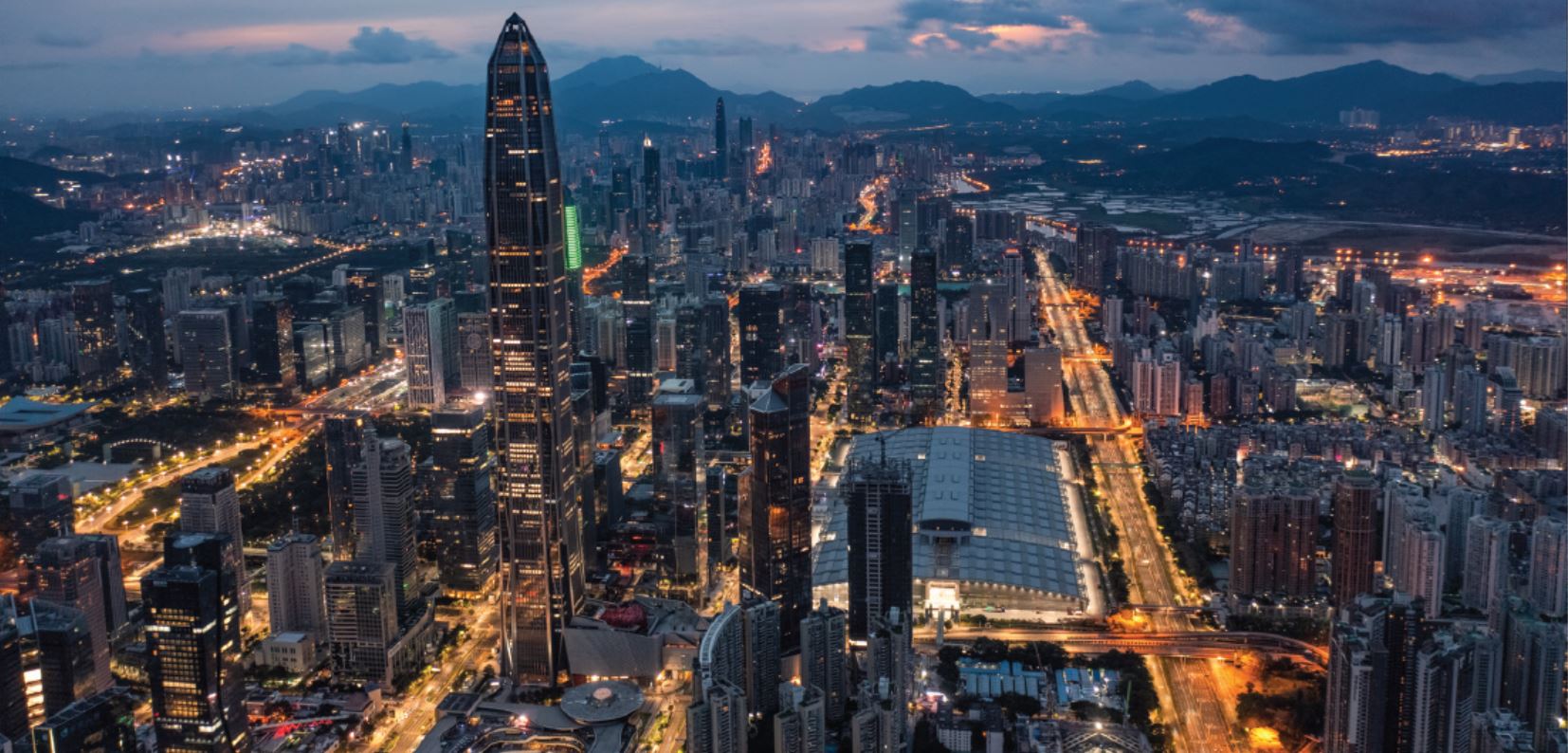
As the most important gateway to China, Hong Kong is constantly strengthening its connectivity to enhance cross-border transactions. With its free port status and an autonomous customs territory, the city is building financial linkages across Guangdong, Hong Kong and Macau, which together comprise the Greater Bay Area (GBA).

Hong Kong facilitates about two-thirds of China’s inbound and outbound foreign direct investments and provides a channel for the global trade of Chinese goods and services. The financial hub has helped boost the international usage of renminbi (RMB), which is now the world’s fifth most active currency, accounting for 2.2% of international payments as of August, data from Swift shows.

Banks in the city currently handle 75% of RMB flows around the world and that figure is poised to grow with China and Hong Kong promoting cross-border RMB investments and financing activities. Mainland enterprises are also issuing green and sustainability related products in Hong Kong, aiming it to become a hub for green finance within the GBA.

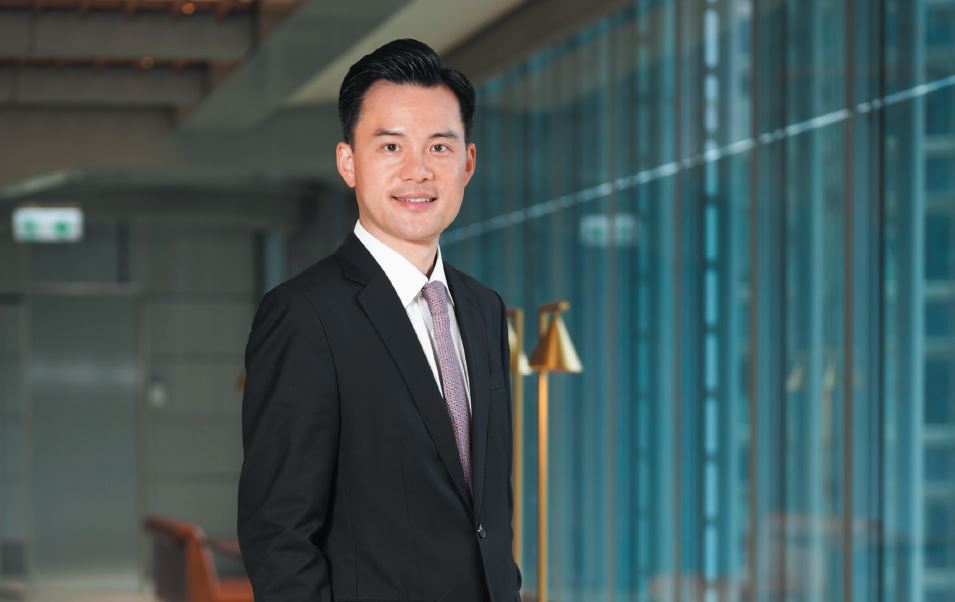
“Different stakeholders have been engaging in conversations and preparatory work to enhance Hong Kong’s connectivity as well as standards of financial services and product offerings,” says Laurence Li, Chairman of the Financial Services Development Council (FSDC), a high-level cross-sectoral advisory body set up by HKSAR Government in 2013 to promote Hong Kong’s financial services industry. “With some favourable measures being introduced and implemented in an orderly manner, the industry believes the ever-improving connectivity of financial markets will lead to uncharted market potentials.”

Capturing Opportunities

To help Hong Kong’s financial services industry capture market opportunities in the GBA, the FSDC has recommended and advocated for connecting cross-border payments and transfer infrastructure; enhancing the convenience of remote account opening procedures; and fostering cross-boundary mortgage financing, insurance and wealth management businesses.

The recently launched Wealth Management Connect scheme will help mainland investors diversify investment portfolios through exposure to overseas markets via retail funds domiciled and regulated in Hong Kong, while attracting offshore investments to onshore wealth management products in Mainland. It will also allow Hong Kong investors to broaden their mainland exposure.

Accelerating Internationalisation

Coming after the Hong Kong stock connect with Shanghai in 2014 and Shenzhen in 2016, the scheme will deepen the linkages between the two markets. These significant developments in the liberalisation of China’s capital markets would accelerate RMB’s internationalisation and strengthen Hong Kong’s position as a global offshore RMB hub, KPMG said in a recent note to clients.

The new southbound leg of China’s Bond Connect programme will further stimulate demand from mainland Chinese investors for Hong Kong and U.S. dollar-denominated bonds, boosting liquidity and facilitating a more efficient price discovery process. It could also broaden the investor base for both Hong Kong dollar and offshore RMB bonds.

The constant improvement of Hong Kong’s financial market linkages to China will help establish the territory as the future hub for fintech and digital assets across the GBA. As more cross-border products and services become available, Hong Kong will steadily march towards its vision of becoming the world’s premier wealth and asset management centre.

           To find out more      Follow FSDC on LinkedIn

www.fsdc.org.hk


Beximco Health: Beximco Adopts Cutting Edge Technology In The Fast Changing Textile And Garment Industry

Global textile and apparel makers are accelerating their digital transformation amid intensifying competition from online fashion brands and booming demand for e-commerce in the wake of the Covid-19 pandemic that has kept consumers at home as cities around the world went into lockdowns to curb the coronavirus from spreading.

With the pandemic upending the fashion industry, Beximco—Bangladesh’s leading textile and apparel maker—is leveraging innovative technologies to gain global market share and deepen relationships with customers in the fashion and retail industries.

“Global competition is increasing with the rise of fast fashion and digital only players,” says Syed Naved Husain, Group Director and CEO of Beximco. “Traditional retailers are under financial pressure and players such as Amazon and Primark—are fast moving and at the forefront of the digital economy and are gaining market share. Retailers that can adapt and change quickly, such as Zara and Target, are doing well, but they want to work with suppliers who can also change and adapt quickly.”

Beximco has been quick to adapt technological innovation, one of its hallmarks since it began operations over 26 years ago. The company employs advanced design, manufacturing and distribution solutions to add value to its customers’ businesses across the entire value chain. It’s a one-stop shop that gives clients best in class service with flexibility, agility and speed.

“We’ve taken a very proactive approach to the implementation of production technologies and processes that have the greatest impact on efficiency and product quality,” says Group Chairman of Beximco, A. S. F. Rahman. “We collaborate closely with our customers across the entire value chain. Beximco also invests in the education, training and skills development of all its employees, enabling them to support the production of differentiated value-added garments.”

Smart Fabrics

One area Beximco has excelled in is its use of “smart fabrics,” or textiles that leverage technology for fashion or design purposes. About 45 percent of apparel companies surveyed by McKinsey in February 2020 are looking to integrate more innovative materials into their products, a trend McKinsey describes as “materials revolution.”

Beximco makes use of performance fabrics that can be engineered to integrate features such as thermal management, quick drying, extra durability, antimicrobial, odor free, or UV protection. In partnership with brands such as Zara, U.S. Polo Assn, Land’s End and Marks & Spencer, the company makes garments that look stylish for work, but wearable for outdoor and sports activities because of features such as all-way stretch, temperature regulation and reinforced seams.

3D Design Solutions

Beximco also utilizes 3D design technology to efficiently showcase samples to clients. The digital solution—developed by fashion design software firms CLO and Browzwear—enables realistic garment simulations.

Using the software, designers can make virtual samples, see how the designs fit on models and show them to buyers at different locations, without cutting any fabric. This speeds up the design process and enables the designers to save time and resources, while identifying potential issues with the fit and pattern.

“3D processes will result in reduced approval timelines and less fabric wastage, enabling Beximco’s designers to be more creative and have closer collaboration with their counterparts at the brands,” says Husain.

SmartLab New York

Beximco customers in the U.S. can even access the company’s cutting edge technology at its SmartLab in New York. Designers and product developers who visit the SmartLab are able to develop garment washes that fit their requirement on the spot, and digitally transfer their chosen wash recipe to Beximco in Dhaka for bulk production.

The company is also building a network of “urban factories” that will help designers develop and produce a small batch of orders for trials or test marketing. These facilities can make up to 1,000 pieces of garments for quick-to-market and pre-bulk-buying runs.

“This will save customers travel and shipping time and provide them with many of the same capabilities in New York as would be available in Dhaka,” says Husain. “The SmartLab New York also allows fashion design students in the U.S. to practice creating washes and looks using the SmartLab software and immediately see their designs in actual fabrics.”

Beximco’s technology initiatives help to slash manufacturing lead times and retailers’ time to market, allowing the company to cater to fast evolving fashion trends. Recognizing the firm’s capabilities, Zara Women exponentially boosted its orders with Beximco.

Fighting Covid-19

The company’s agility and flexibility was put to the test as Covid-19 spread rapidly last year. At the height of pandemic, Beximco quickly pivoted to make fabrics for the manufacture of personal protective equipment (PPE).

The company leveraged its existing strengths in technical fabric, sewing and large scale manufacturing to launch Beximco Health—a new division dedicated to making PPE materials for the production of surgical and isolation gowns, coveralls, as well as N95 masks. The new division built a new facility, with clean room and PPE testing lab, on the group’s 20-acre (80,900-square meter) campus in a very short period of time.

Since advanced PPE testing facilities were limited in Bangladesh, Beximco formed a strategic partnership with Intertek UK to create an on-site laboratory. The 12,000-square feet (1,100-square meter) Centre of Excellence PPE Lab conducts physical, chemical and microbiological testing, enabling Beximco to obtain PPE certifications fast. Following its launch, one of the first shipments was the delivery of 6.5 million PPE gowns to the Federal Emergency Management Agency in the U.S.

“The new Beximco facility marks an important step in the diversification of the global supply chain, especially for healthcare equipment,” says Earl R. Miller, the U.S. Ambassador to Bangladesh, who personally witnessed the shipment of the PPE gowns to the U.S. from the airport. “Beximco instantly saw the dangers of this dependence and invested to meet the challenge, and it’s not the first time Beximco has risen to the challenge posed by a disrupted supply chain.”

To find out more

www.beximco.com


HSBC Global Private Banking Aims For Mainland China Market Leadership

Jackie Mau, Head of Global Private Banking, Mainland China at HSBC

With a substantially bigger and better-resourced presence in mainland China than any other foreign bank, HSBC has made no secret of its ambition to establish its private banking business as the country’s foremost international wealth manager, a key milestone in its mission to achieve a similar dominance across the wider Asian region.

To achieve this, HSBC has committed one third of its total planned Asia-focused private banking development spending to expand its onshore resources in China. HSBC Global Private Banking is set to extend its presence in mainland China well beyond its current Shanghai, Beijing and Guangzhou hubs in the next five years.

As part of this strategic expansion, a massive pan-Asian recruitment drive is underway, a move that will add 5,000 client-facing wealth management and private banking staff by 2025. With the hiring of relationship managers, investment counsellors and specialists, HSBC can better support affluent, high-net-worth (HNW) and ultra-high-net-worth (UHNW) clients in mainland China, Hong Kong and Singapore. This commitment will also double the size of HSBC Global Private Banking’s wealth management staff in the mainland.

Key Strategic Appointment

Perhaps the most crucial move with regards to achieving the bank’s aspirations is the appointment of Jackie Mau in August as Head of Global Private Banking, Mainland China at HSBC.

Previously Regional Head of UHNW for HSBC’s Global Private Banking Team, Mau believes the time is right to further enhance the group’s private banking and wealth management services in China.

“While it’s fair to say that the market has been quite volatile, a development that has made many of our high-net-worth clients take a defensive stance, we are now at what I’d term the mid-cycle phase,” Mau says. “This is the point where risk diversification becomes highly advisable, something we can clearly help with. At the same time, China’s domestic consumption is surging. Shopping malls are teeming and demand for luxury goods remains impressively robust. For our global clients, a little exposure in China would definitely help bolster their portfolios.”

Mau also believes that mainland China’s ongoing macro-economic development will, ultimately, usher in increased demand for HSBC Global Private Banking’s diverse service offerings.

“HSBC Global Private Banking positions itself across a wide client continuum from high-net-worth individuals to their ultra-high-net-worth counterparts,” Mau says. “For our more affluent investors, we have a dedicated raft of professional consultants and investment advisers available. They can help with any arising wealth management issues, while also leveraging the support of our Hong Kong- and Singapore-based specialists from the philanthropy advisory and charitable service teams for those families or individuals looking for the most efficient and effective ways to give back to their communities, shaping a better and more sustainable future.”

Digitalisation, ESG and the GBA

Three factors are widely perceived to deliver significant changes to mainland China’s massive wealth management market. These are the growing preference for enhanced digital engagement channels, an increased commitment to Environmental, Social and Governance (ESG) aligned opportunities on the part of mainland investors, and the prioritisation of the huge Greater Bay Area (GBA)—comprising Guangdong, Hong Kong and Macau—as one of the country’s key growth drivers over the coming years. Mau sees all three as representing an opportunity for HSBC Global Private Banking to take a lead, distinguish itself from its competition and deliver clear benefits to its clients.

On the innovation front, the bank is heavily investing to develop a new generation of digital capabilities that will meet—if not exceed—the expectations of the country’s highly tech-savvy investors. “China’s second generation HNW individuals, as well as successful new economy entrepreneurs, all want to interact with their banks in quite a different way to the channels private banks have been accustomed to,” Mau says. “Looking to meet this challenge head on, we are developing a new generation of robust digital platforms that will allow our clients to access a host of online services, including virtual meetings with relationship managers, and the execution of any required transactions.”

In terms of ESG, HSBC Global Private Banking again prides itself on taking a proactive approach, anticipating its client requirements and evolving the required products, services and solutions in time to meet emerging demand.

Acknowledging the growing importance of ESG in investment portfolios, Mau says, “While our unparalleled global and regional reach allows us to onboard a comprehensive portfolio of ESG funds, our commitment goes beyond that. As a group, ESG is very much part of our DNA. This is reflected in our sustained support for a wide variety of related communities, education and environmental protection projects.”

The GBA is also very much a core element in HSBC Global Private Banking’s onward strategy. Recognising the opportunity offered by a region that is already home to one fifth of China UHNW individuals, plans are already in place to significantly expand the bank’s presence within its borders.

“In addition to our existing strengths in Hong Kong and our GBA Wealth Management Connect service, we’re recruiting up to 3,000 personal wealth planners within four years to scale the Group’s mobile wealth planning service in mainland China,” Mau says. “We are also looking to help meet the needs of entrepreneurs via such capital management initiatives as HSBC GBA Business Credit Connect. In short, we believe we have the key building blocks to emerge as the dominant player within the region.”

Talent, Talent, Talent

As to the wider challenge of securing an equally preeminent position across the mainland China market, Mau is confident that one key element of HSBC Global Private Banking’s strategy that would allow the bank to achieve its goal is talent.

“Recruiting, developing and retaining the right talent is at the very heart of our strategic growth plan,” Mau says. “As the wealth management sector in mainland China is still in its infancy, we will work with local talent and supplement with the best from Hong Kong and throughout Asia. We will also nurture a new generation of graduate trainees from local universities in mainland China as a sign of our long-term commitment to the country. In the end, whether you are a local client looking to go global or an overseas investor looking for an exposure in the China market, you can be confident that HSBC Global Private Banking’s depth of resources, experience and reach will more than exceed your expectations.”


privatebanking.hsbc.com


Disclaimers

The information contained in this article has not been reviewed in the light of your individual circumstances and is for information purposes only. It does not purport to provide legal, taxation or other advice and should not be taken as such. No client or other reader should act or refrain from acting on the basis of the content of this article without seeking specific professional advice. Issued by The Hongkong and Shanghai Banking Corporation Limited.


J.P. Morgan: Asia At The Forefront Of Accelerated Digital Transformation

Kam Shing Kwang, CEO of J.P. Morgan Private Bank in Asia, aptly captures the pace and scale of the accelerated digital transformation during her welcome speech at the sixth annual J.P. Morgan Tech Exchange that was concluded in early June 2021. Global spending on digital transformation will reach US$6.8 trillion between 2020 to 2023, with 65% of global GDP expected to be digitalized by 2022, Kwang said.1

The three key areas of technological transformation are artificial intelligence (AI), big data, and cloud computing. Emerging digital trends, such as e-commerce, IoT and smart cities are converging, thought leaders, chief executives, entrepreneurs and investors said at this year’s Morgan Tech Exchange conference that was attended by more than 650 J.P. Morgan Private Bank clients.

Whilst convergence of different areas of digital transformation is underway, facilitating resilience and enabling efficiencies, there’s also a shift of value creation around the world. The Morgan Tech Exchange also reflected on the increase in innovation and the tilt to value creation in Asia, underscored by the value raised in Asia capital markets.

Unlocking the Full Potential of AI, Big Data and Cloud Computing

AI, big data and cloud computing are already heavily used but each will see continued convergence, unlocking further impact and efficiencies. Kwang expects AI to contribute US$15.7 trillion to the economy by 2030,2 driven by the numerous innovative applications from self-driving cars, virtual travel booking agents, autonomous customer service chatbots and robots as well as AI-driven social analytics. The potential is huge in Asia as digital transformation is being widely embraced in this region. The market for AI in the region is forecasted to rise at a CAGR of 41.6% from 2019 to 2027.3 Asia is leading the way on how these technologies will be ingrained in many facets of people’s lives around the world.

Earlier this year, a Tokyo-headquartered multinational automotive maker started to build a prototype “city of the future” at the foothills of Mount Fuji. This will be a testing ground—transformed with AI, autonomous cars and IoT homes—for building a smart city that can then be replicated around the world.

For big data, the global market is forecasted to more than double to US$103 billion by 2027 from 2018 levels.4 A more recent example of big data being leveraged successfully in the region is the “Big Data Migration Map,” which Kwang described as a popular cutting-edge app that utilizes mass data aggregation. The app’s popularity is due to its ability to predict changes in the epidemic situation in China.5

Cloud computing is no doubt an area that saw an exponential increase in adoption due to the pandemic as businesses were forced to embrace remote working capabilities. During a time that the world needs to operate remotely, it has propelled cloud infrastructure and cybersecurity to become the foundation of running businesses with minimal disruption even during the pandemic.

“Global spending on digital transformation will reach US$6.8 trillion between 2020 to 2023, with 65% of global GDP expected to be digitalized by 2022.”

– Kam Shin Kwang, CEO of J.P. Morgan Private Bank in Asia

Asia Drives Digital-First Economy

Asia is leading the world’s digital transformation journey and a prime mover in the worldwide e-commerce boom. Asia Pacific will account for 42.3% of retail and e-commerce sales worldwide.6 China’s dominance in e-commerce means that 62.6% of all digital sales will take place in Asia Pacific.6 The growth is driven by the region’s growing middle class, young population and increasing Internet penetration. Asia’s e-commerce revenues will continue to grow, reaching US$1.9 trillion by 2024.7

The Morgan Tech Exchange this year revealed many insightful takeaways in the world’s digital transformation, particularly the emergence of new tech titans from Asia. In recent years, many of the world’s biggest companies are from the region, with a number of Chinese e-commerce firms competing head on with U.S. tech giants.

In Southeast Asia, homegrown e-commerce firms are beating U.S. and international rivals, Patrick Grove, founder and CEO of Malaysian Internet group Catcha Group, said at the conference. A similar trend is happening in ride-hailing and food delivery, he added.

This trend suggests that the global technology landscape has evolved and will continue to evolve, with more Asian tech giants spreading their wings around the world. “If you look at the valuations of the top 15 or 20 tech companies, the top ones are probably two-thirds in the United States, and the other one-third in China,” Eric Schmidt, co-founder of Schmidt Futures and former chairman and CEO of Google, said at the Global China Summit hosted by J.P. Morgan this year.

These technology companies in Asia have also helped lead stock exchanges in Hong Kong and Shanghai to become two of the three largest stock exchanges globally in 2020, respectively raising US$51.28 billion and US$49.42 billion.8

Technology Builds Resilience and Enables Efficiencies

What do these trends mean for companies, investors and consumers?

One of the greatest impacts of technology is it has allowed companies to be resilient even as the pandemic disrupted industries and societies. The robust Internet infrastructure in many countries allowed companies to shift to remote work during lockdowns, helping curb the spread of Covid-19.

E-commerce is one of the technology trends that has directly affected most consumers, including the older generation who used to be typically averse to technology. Around the world, consumers stuck at home due to government-enforced lockdowns and travel restrictions turned to online shopping and food deliveries, boosting the usage of digital payments such as e-wallets.

With the growth of e-commerce, AI-driven innovations followed. For instance, businesses developed new applications such as AI-empowered customer relationship management solutions that enable online stores to tailor their sales recommendations to customer preferences based on their purchase history. Such innovations helped e-tailers boost their online sales even more.

For investors, AI is one of the key technologies that has been transforming the investment process. In finance, AI can be used to identify trends by leveraging high volumes of data (big data) in order to discover repeatable patterns and predict the direction and trajectory of asset prices. The use of AI and big data has also fueled the growth of fintech, with the global AI fintech market predicted to increase at a CAGR of 23.4% in the next five years to reach US$22.6 billion by 2025.9

For veteran investors, technology trends combined with other global trends has transformed the investment landscape. The trends that come with globalization and economic growth woven together also make for a complex world of investing. Thankfully, AI, big data, and cloud computing infrastructure is something technology can help decode and simplify.

The pandemic has certainly accelerated the move toward a digital-first economy and this momentum isn’t slowing anytime soon. Investing with experienced managers who have expertise in digital disruption and innovation offers potential returns.


1. Source: https://www.idc.com/getdoc.jsp?containerId=prUS46967420. Data as of Oct 29, 2020.

2. Source: https://www.pwc.com/gx/en/issues/data-and-analytics/publications/artificial-intelligence-study.html. Data as of 2017.

3. Source: https://inkwoodresearch.com/reports/asia-pacific-artificial-intelligence-market/.

4. Source: https://www.statista.com/statistics/254266/global-big-data-market-forecast/. Data as of March 2018.

5. Source: https://www.weforum.org/agenda/2020/04/how-next-generation-information-technologies-tackled-covid-19-in-china/. Data as of April 8, 2020.

6. Source: https://www.emarketer.com/content/global-ecommerce-2020. Data as of June 22, 2020.

7. Source: https://www.statista.com/forecasts/1117851/worldwide-e-commerce-revenue-by-region. Data as of July 7, 2021.

8. Source: https://www.hkex.com.hk/-/media/HKEX-Market/Market-Data/Statistics/Consolidated-Reports/Annual-Market-Statistics/2020-Market-Statistics.pdf. Data as of January 2021.

9. Source: https://www.forbes.com/sites/louiscolumbus/2020/10/31/the-state-of-ai-adoption-in-financial-services/?sh=34e2b0362aac. Data as of October 31, 2020.


How J.P. Morgan Digitalized Financial Services In A Transformative Way

One of the companies that has been using innovative technology to digitalize its services is J.P. Morgan. To stay at the forefront of the digital revolution, the bank has made substantial investments in technology to benefit its customers, including entrepreneurs and other clients.

JPMorgan Chase is the first major U.S. bank to roll out an AI-powered virtual assistant that makes it easier for corporate clients to seamlessly move money around the world, whether it’s for routine payroll or multi-million-dollar mergers and acquisitions. This technological innovation enables the bank to offer a multi-channel, and consistent customer service. The virtual assistant provides clients instant information, such as balances, on demand. Machine learning also enables the app to adapt to the clients’ behavior over time to make useful recommendations.

The bank also serves entrepreneurs, whether they’re running a trendsetting consumer goods startup or a tech disruptor. The bank focuses on solutions for high-growth, disruptive companies at every stage of their life cycle, from day one to IPO and beyond. One of the innovative technology tools that J.P. Morgan offers clients is Chase Cashflow360, which enables entrepreneurs to connect digitally with suppliers and customers to automate invoicing, payments, approvals and reconciliation.

While J.P. Morgan Private Bank aspired to continue to connect and engage with its clients via their existing channels of choice at the height of the pandemic last year, the disruption brought about by Covid-19 called for new modes of communication, and rapidly accelerated the Private Bank’s digital transformation agenda.

In February 2021, J.P. Morgan Private Bank launched the WhatsApp Business Account in Asia, in order to communicate their latest insights via the popular instant messaging platform. They were the first private bank to leverage a Business Account to broadcast insights to clients. They also deployed a chatbot on their official WeChat account, which further engaged a subset of clients and followers on this platform preferred by clients in China. In doing so, J.P. Morgan has been leveraging the best communications technology that suits their clients’ needs.

Since the onset of Covid-19, J.P. Morgan Private Bank has also launched a Virtual Events Hub, allowing clients to access live events and replays with the most influential thought leaders from across J.P. Morgan and renowned guest speakers from various sectors. The bank has hosted over 160 virtual events, in webcast, Zoom meetings and conference call formats, covering ideas and insights across macro economy, investment, wealth planning, cybersecurity and philanthropy.

People’s needs and behaviors are changing and J.P. Morgan is changing with them.


J.P. MORGAN: SERVING ASIA FOR OVER A HUNDRED YEARS

J.P. Morgan is one of the world’s oldest, largest and best-known financial institutions. With a history dating back over 200 years, the bank has US$2.6 trillion in client assets under management, a net worth of US$476 billion and 250,000 employees to date.

J.P. Morgan is no stranger to technological innovation, having been the banker to Thomas Edison’s Edison Electric Company in 1878. The group continues to innovate. The company recently invested in partnerships with high-profile startups, including OnDeck and Roostify to the tune of $600 million. In June 2021, it acquired OpenInvest, a San Francisco-based startup backed by Andreessen Horowitz. Through the platform, clients globally can create highly personalized, dynamic and value-based portfolios.

J.P. Morgan also has a rich history in Asia. This year, it is celebrating its centennial in China, where the bank’s roots began in 1921 when predecessor Equitable Eastern Banking Corporation opened its China branch. Equitable Eastern Banking later merged with Chase National Bank in 1930. In 2007, J.P. Morgan received approval to establish JPMorgan Chase Bank (China) Co. Ltd., becoming the country’s first locally-incorporated foreign bank, with its head office set up in Beijing.

The bank also has a strong private banking arm in Asia. The bank has been named Best Private Bank—UHNWIs by the Asset Triple A Private Capital Awards for Private Bank for the sixth year running. Globally, full-year revenues at its wealth management arm rose 4% to a record of US$6.6 billion in 2020 from the previous year. The number of wealth management client advisers rose 2% to 2,462, giving the bank a 12:1 ratio of clients per adviser.

J.P. Morgan continues to raise the standard in private banking, delivering a uniquely elevated experience shaped around its clients.

Learn More

learn.more@jpmorgan.com 

Timeless Luxury That Looks And Sounds Great

The occasional luxury item is often very comforting and enjoyable, but everyone has a different idea of what luxury means. Some people enjoy drinking vintage champagne or whisky while listening to exquisite music. Others may choose to splurge on a lavish vacation or an exceptional timepiece.

Though the luxury market has been around for centuries, the relationship between luxury and investment did not emerge until the 18th century. That’s when households began to purchase high-value goods, such as art and timepieces, according to Dr Seán Williams, a senior lecturer at the University of Sheffield’s School of Languages and Cultures. People began to consider luxury an economic and social asset during the period of European Enlightenment (with a particular emphasis on France) from the 17th to 18th centuries.

Nowadays, luxury is associated with authenticity, substance, and sustainability, principles embraced by haute couture brands like Bang & Olufsen and Richard Mille to a significant degree. These marques have created a powerful digital presence while attracting consumers through their aesthetic, luxurious, and environment-friendly products.

Bang & Olufsen, for instance, understands how music can bring people together, not only as entertainment but also as a source of passion and happiness. Its latest wirelessly connected speakers, such as the Beoplay A9 Fourth Generation and Beolab 28, combine noble finishes of oak or walnut, and sleek materials, such as aluminum and Kvadrat fabric, representing the future of home audio.

Looking like minimalist pieces of art, these speakers are easily upgradeable, repairable, and exchangeable. A touchscreen or smartphone allows audiophiles to stream their favorite music, and seamlessly connect to other speakers, televisions and digital apps.

Luxury transcends from high-performance music to high-performance timepieces. Richard Mille’s unapologetically bold watches are hailed as the ultimate expression of excellence, thanks to complex horological innovations, exceptional engineering, and hi-tech applications. Since its launch 20 years ago, the demand for the Swiss watchmaker’s timepieces consistently outstrips production.

As investment-worthy as its other premium timepieces, the new RM 72-01 Automatic Winding Lifestyle Flyback Chronograph and RM 65-01 Automatic Split-Seconds Chronograph herald new heights in haute horology. The former displays the company’s first proprietary flyback chronograph that took 30 months to complete, while the latter is the most complex timepiece ever created in its fabled Les Breuleux, Switzerland workshops.

It is easy to acknowledge such extraordinary achievements when you know you can count on being presented with the best-ever creations of sound and time that are as amazing and inspiring as they are exciting.

Petronas: An Aspiration For A Sustainable Future

India’s largest single location open access solar farm of 175 MWp at Gadag, Karnataka.

There is no doubt that climate change is one of humanity’s greatest challenges. Its effects are detrimental and range from sweeping ecological damage and community impact to potentially trillions of dollars of losses in economic cost.

Cognizant of this, PETRONAS, as a global energy solutions provider, is guided by its Net Zero Carbon Emissions (NZCE) aspiration. The goals of NZCE are driven by a clear path to combat climate change and generate near-term macroeconomic payback for the Malaysian economy while delivering a sustainable future for the world, its people and the business.

To achieve NZCE, PETRONAS has identified four building blocks to balance the energy trilemma, defined as energy security (supply), energy equity (affordability) and environmental sustainability. These are building operational excellence, making cleaner energy more accessible, accelerating technology and innovation stewardship, and investing in nature-based solutions.

Driving Forward

With this clear vision articulated, PETRONAS has already begun to pursue more climate friendly solutions and opportunities in the broader energy space, while creating new sustainable values for the organization.

These new values include boosting energy efficiencies through the increased use of natural gas and renewable energy supply capacity such as solar power and hydrogen. Complementing these efforts is PETRONAS’ commitment to lower emissions from its operations through the reduction of hydrocarbon flaring, venting and fuel gas usage.

A testament to how the company is utilizing solar power in its own facilities can be seen in PETRONAS’ Rooftops and Assets Nationwide (also known as Project SINARAN), an initiative to generate clean energy from solar photovoltaic (PV) systems. To date, more than 100 sites have had their installations completed or are in various stages of planning and execution.

Besides addressing internal needs, PETRONAS leads the way with approximately 1,000 megawatts of solar capacity in operations and under-development projects across India, Dubai and Malaysia. PETRONAS’ notable projects include the 175-megawatt power solarization project, India’s largest commercial and industrial (C&I) open access solar farm in a single location. Meanwhile in Malaysia, PETRONAS has signed the largest solar Power Purchase Agreement (PPA) through its deal with Lotuss Stores (formerly known as Tesco), and has a wide variety of customers, from fabrication yards and research complexes to universities and utility companies.

PETRONAS has also made headway in the production of low-carbon hydrogen by looking into carbon capture, utilization and storage (CCUS) technologies and renewable based hydrogen production pathways. In the near future, it plans to collaborate with key customers and hydropower suppliers to produce zero emission (green) hydrogen.

In addition, PETRONAS is currently looking into solutions for nature-based carbon offsets in order to preserve and restore these natural carbon sinks.

www.petronas.com/sustainability

Malaysia Prepares For Post-Pandemic Resurgence In Medical Tourism

Before the pandemic struck in 2020, Malaysia’s medical tourism industry had been growing year over year, contributing US$400 million to the national economy in 2019. In that year alone, the country welcomed 1.2 million visitors seeking medical services and treatments ranging from fertility, cardiology and oncology to orthopedics, neurology and health screenings.

World-class Healthcare

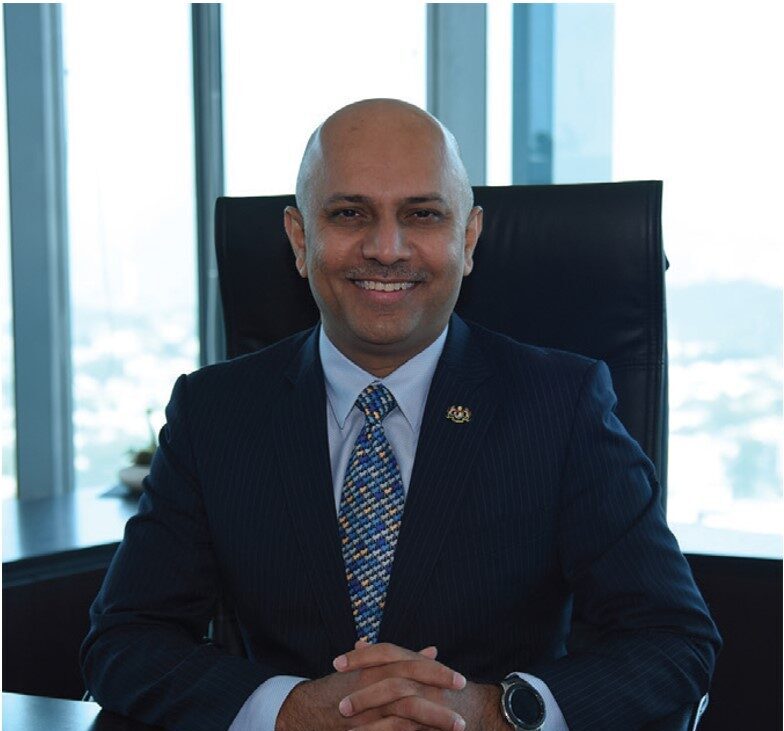
“Our strength as a key player in the medical tourism industry lies in our easily accessible world-class healthcare services offered at a comparatively affordable price thanks to government-regulated ceiling rates,” says Mohd Daud Mohd Arif, the CEO of MHTC.

MHTC CEO, Mohd Daud Mohd Arif

“Once known as the ‘Hidden Jewel of Asia’ for medical tourism, we have since been recognized as the Destination of the Year for healthcare travel from 2015 to 2017, and most recently in 2020, awarded by the International Medical Travel Journal,” continues Mohd Daud.

“With over 200 private hospitals and many highly qualified physicians and specialists, waiting time for consultations and treatments is minimal. There is no barrier to communication as English is widely spoken and translators can easily be arranged for non-English speakers. For post-treatment options, Malaysia has a myriad of world-class spas and resorts, wellness centers and health-centric tourist attractions on offer, although this may be limited at the present time due to the pandemic,” he adds.

MHTC is an agency under the Ministry of Health tasked with promoting Malaysia as an international healthcare destination. The agency also serves as a one-stop center for all matters related to healthcare travel—ranging from handling of inquiries and business development to safeguarding regulations and facilitating applications.

Forging Resilience

The insigHT virtual conference held in Kuala Lumpur last year.

Malaysia, like most countries around the world, is emerging from the pandemic with a slew of initiatives to kickstart the economy, and “forging industry resilience” is one of the key strategies. In line with this, an upcoming virtual conference by MHTC with a similar theme, named insigHT2021, will be held from November 16 to 18. 

Held annually, the event is a medical travel market intelligence conference that gathers thought leaders and partners from within the country and abroad to collaborate and advance the healthcare travel industry in Malaysia and the region.

The conference will gather some of the top minds from around the world to discuss topics ranging from the future of healthcare and implementation of travel passports to the convergence of hospitality and wellness, and how the industry can work together to achieve common goals.

Besides hospital and healthcare administrators, the conference is expected to attract industry players, professionals and officials from travel, tourism, pharmaceutical, real estate, government and many other sectors.

“New global tourism trends will emerge in 2022, and the future of travel will be impacted by socio-economic shifts, digital innovations and new travel experiences. As professionals in the industry, we must be prepared for what lies ahead and forge resilience,” says Michel Julian, United Nations World Tourism Organization’s program officer and one of the key speakers at the upcoming conference.

Conference participants from around 40 countries will get the chance to exchange ideas and knowledge with peers through private online meetings and roundtable discussions. Participants will also get the opportunity to build their company’s visibility among industry players while brushing up on upcoming trends and post-pandemic recovery strategies. An e-business card download facility will be available to make it easy for participants to expand their networks and connect with their peers.

http://www.mhtc.org.my/insight2021

Redefining Purpose Beyond Profit

Corporates in Asia and the rest of the world are devoting more and more resources toward achieving socially responsible and sustainable outcomes as they seek to make a positive impact globally.

This trend has been accelerated by the pandemic, as remote work, changing consumer behavior and rising inequality have forced companies to rethink their priorities and adjust their strategies to adapt and thrive. Meanwhile, the challenges posed by the climate emergency continue to loom large on boardroom agendas.

According to a report by Deloitte, there is also growing evidence to suggest that companies with superior Environmental, Social and Corporate Governance (ESG) performance will also do well financially over the long term.

This drive to demonstrate ESG performance has led to an upsurge in companies looking to establish sustainability targets, from measurably reducing carbon emissions and single-use plastics, to ensuring that new building projects meet globally recognized certification standards.

Leading the Way

In the wealth management space, more of Asia’s leading business families are seeking out advisors who can help them invest with purpose and social impact. This comes as they are poised to pass an unprecedented amount of wealth on to a new generation of more socially aware family members.

To address their needs, financial institutions such as HSBC Global Private Banking are incorporating sustainability considerations into their investment and advisory processes. With an extensive network of non-governmental organizations (NGOs), the bank has also been supporting progressive clients in realizing their philanthropic ambitions, preserving their legacy and making long-lasting impact in the wider community.

Sustainability has also come to the fore in the real estate sector. For instance, Hong Kong-based Sino Group has been committed to making a positive impact through its vision of Creating Better Lifescapes, which aims to help communities thrive by embracing green living and wellness, pursuing meaningful designs, and seeking innovation while respecting heritage and culture.

Reflecting its commitment to this journey, Sino Group last year introduced its Sustainability Vision 2030, a blueprint charting the company’s path toward 2030 and beyond. This ambitious plan establishes goals that are in line with Sino Group’s three pillars of Green Living, Innovative Design and Community Spirit, and also aims to support the United Nations’ Sustainable Development Goals.

Thanks to forward-thinking companies such as these, Asia is moving purposefully toward a more sustainable and socially responsible future.

Philippine Economy Comes Back Stronger

The Philippines has always prevailed through major challenges, from natural disasters to political uncertainties. However, the lingering socio-economic impact of the Covid-19 pandemic could strain the country’s much vaunted resilience now more than ever. Though still rocky, a path to recovery does lie ahead.

GDP growth significantly rebounded in the second quarter of 2021, surging 11.8% compared to the previous year, the highest growth in more than three decades. Among major sectors, manufacturing expanded by 22.3%, construction by 25.7%, and services by 9.6%. These figures have already brightened the economy’s full-year growth outlook despite some expected bumps due to the continuing spread of coronavirus variants. The government’s goal of vaccinating all adults—70% of the population—by the end of the year is crucial for the economy to sustain its growth trajectory. More than 42 million total vaccine doses have been administered so far.

Vaccine distribution may be uneven across the country, but in Metro Manila at least, the rollout seems to be proceeding briskly. The National Capital Region—which accounts for around 36% of the national economy—seems to be moving towards herd immunity. As of late September, almost 70% of the region’s target residents have been fully vaccinated, while almost 90% have already received their first dose.

The efforts of the private sector, such as global port management company International Container Terminal Services, Inc., have been instrumental in procuring and distributing the vaccines. SM Investments, the country’s largest conglomerate, provided free vaccines not only to its workforce, but also stakeholders and business partners, offering its properties as vaccination and testing hubs.

Prudent financial policies and vital reforms are expected to clear the way for further recovery, with growth expected to pick up by the last quarter of 2021 and into next year. With several high-impact infrastructure projects slated for completion in 2022, job opportunities are bound to expand and the country’s competitiveness will improve. These are also supporting the appreciation of real estate values in major cities, providing investors with unprecedented opportunities. Rebounding exports and remittances, and increased spending ahead of next year’s general elections, are also expected to boost domestic consumer demand.

The increasing adoption of digital technology and online transactions has greatly accelerated over the past year, boosting efficiency and the ease of doing business. Growth has now been more decentralized, with the government focusing on decongesting the capital and stepping up digitalization initiatives to sustain economic activity. Indicators point to a Philippines that will bounce back better, with more inclusive and sustainable growth, supported by robust infrastructure, and a resilient population that’s more digitally savvy.