Singapore: Speed Of Change

Amid global shifts, Singapore continues to build on its strengths while adapting with speed and agility to drive growth.

Singapore has built its economic success on being a trusted hub connecting the world. But as trade shifts, technology disrupts industries and global uncertainty deepens, the city-state faces a new imperative: adapt faster to stay ahead. As a major hub for business and finance, Singapore continues to attract capital, talent and ideas.

It reclaimed the top spot in the 2026 IMD World Competitiveness Ranking, making a seven-place jump to rank first globally in business efficiency. The ranking assesses four key areas: economic performance, government efficiency, business efficiency and infrastructure. These strengths continue to draw global companies to Singapore, giving them a base from which to tap opportunities across the region and beyond. 

The Singapore Economic Development Board (EDB) helps these companies by facilitating their market entry, growth and regional expansion, while connecting them with talent and Singapore’s innovation ecosystem. The EDB’s Industrial Postgraduate Programme, for example, gives companies access to a highly skilled talent pool, while policies such as the National AI Strategy 2.0 and the AI Verify Foundation’s Testing Framework and Toolkit provide global technology firms with the regulatory clarity to research and deploy sensitive, proprietary systems with confidence.

Singapore’s startup ecosystem is one of the fastest growing in the world, with more than 4,500 companies spanning sectors from fintech, deep tech and AI to food tech, advanced manufacturing and healthcare. Startups based in Singapore benefit from access to funding, strong government support and regional and global market opportunities, creating a strong foundation for growth and innovation.

Everise is one such success story. What began as a modest startup in Singapore has grown into a billion-dollar global customer experience company specializing in healthcare. Its beginnings in Singapore gave Everise access to the capital and visionary partners it needed to pursue its ambitions. The company has credited Singapore as a key node connecting it to a succession of world-class strategic partners.

Technology as a Competitive Edge

Singapore’s economy grew by 6.1% year-on-year in the first half of 2026, supported by robust AI-related investment and resilient manufacturing exports. This stronger-than-expected performance prompted the Ministry of Trade and Industry to raise its 2026 GDP growth forecast to 4.5% to 5.5%, from its previous forecast of 2.0% to 4.0%. The revised outlook is also underpinned by an expected acceleration in global AI-related capital expenditure.

Against this backdrop, Singapore continues to invest in its digital ecosystem, supporting businesses—including small and medium-sized enterprises—in adopting AI and equipping workers with the skills they need to use it effectively. These efforts are aimed at strengthening Singapore’s AI capabilities across both enterprises and the workforce.

The Infocomm Media Development Authority (IMDA) is a driving force behind Singapore’s digital transformation efforts, supporting enterprises in adopting digital technologies and AI and strengthening their competitiveness in the digital economy. Its initiatives are designed to meet different business needs and levels of digital maturity, helping enterprises take the next step in their digital journey.

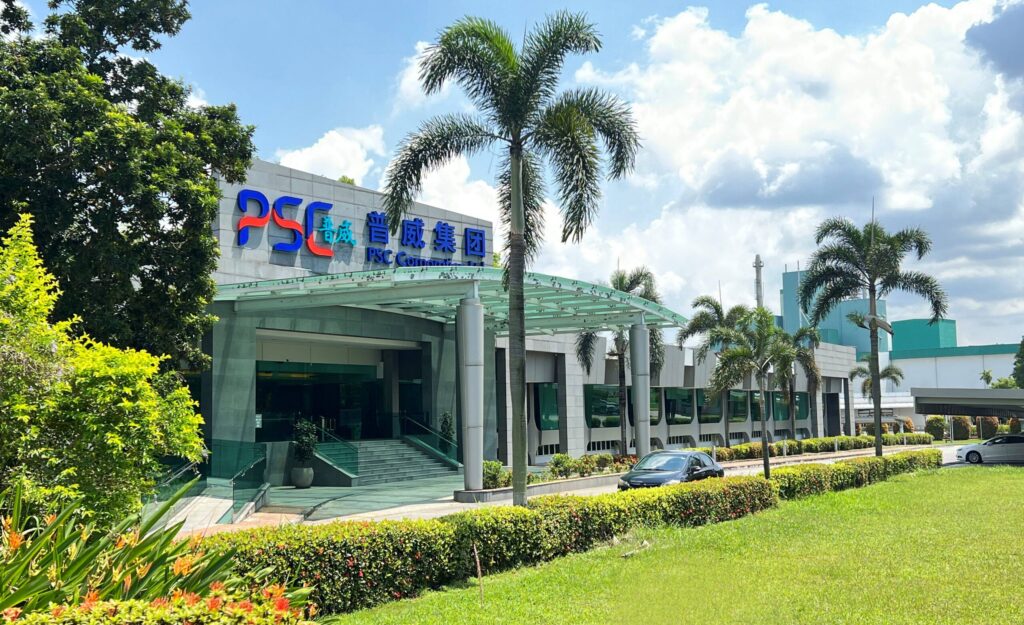
Homegrown companies such as PSC Corporation, Tat Seng Packaging and Tee Yih Jia Food Manufacturing have maintained their competitive edge by focusing on innovation, sustainability and digital transformation. For these companies, the future lies in building on proven strengths while adopting new technologies to prepare for what comes next.

Changing Demographics, Evolving Needs

Change is sweeping across the healthcare sector. As Singapore’s population ages, a new model of care is needed to meet evolving demands. IHH Healthcare, for instance, is shifting from a hospital-focused group toward an integrated healthcare ecosystem player spanning prevention, diagnosis, treatment and recovery. A central part of this strategy is moving suitable procedures from hospitals to ambulatory and community care, so that hospitals can focus on emergencies and complex, high-acuity care. IHH believes that the future of healthcare will be defined by how effectively every part of the ecosystem works together around the patient, improving access, affordability and continuity of care. 

The concept of building an interconnected ecosystem is also shaping the future of real estate. While mixed-use developments have long brought different asset classes together, the focus is increasingly on creating connected environments where residential, commercial and retail spaces work together to create places where people want to live, work and play. 

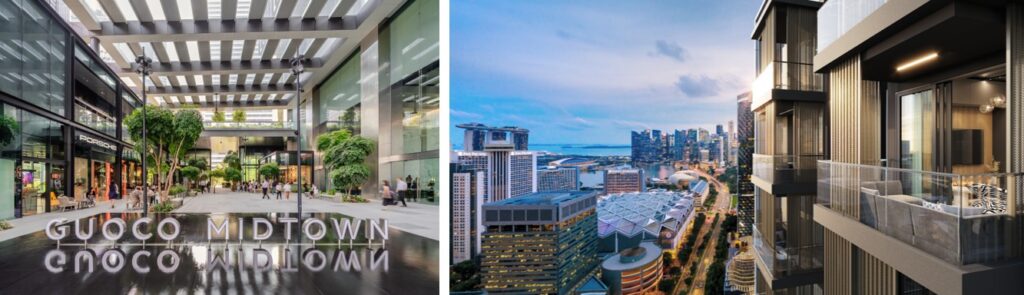
GuocoLand believes that the ultimate test of placemaking is whether a development uplifts its neighborhood, attracts diverse communities, creates activity beyond office hours and becomes a destination with its own sense of identity. This philosophy is applied at Guoco Midtown, an integrated development that seeks to rejuvenate the entire district. GuocoLand believes that as Singapore continues to evolve, integrated mixed developments will play an increasingly important role in making the city more connected, sustainable and livable.

Looking Ahead

As Singapore prepares to assume the ASEAN Chairmanship in 2027, it will continue to build on its strengths and adapt swiftly to a rapidly changing and increasingly uncertain global environment. It will seek to strengthen ASEAN centrality and unity, deepen regional integration and advance ASEAN as a more effective single market. Globally, Singapore will continue to position itself as a trusted, relevant and resilient hub, ready to navigate future challenges and opportunities. 

How Global Businesses Are Growing And Building What’s Next From Singapore

From AI research labs to cross-border factories, global businesses are discovering that Singapore is a trusted foundation from which to scale across Asia.
Southeast Asia’s economies now represent a combined market of more than 680 million consumers. Yet, capturing that opportunity is rarely a straight line. Against the backdrop of contrasting regulatory regimes, uneven data infrastructure and supply chain vulnerabilities, the question for international C-suite decisionmakers is no longer whether to expand but how to do so without unnecessary operational risk.

In 2025, Google DeepMind established its first Southeast Asian research lab in Singapore, while Barry Callebaut opened a Global Innovation Center there earlier this year, housing its first global AI Center of Excellence. Both companies, while operating in different industries, arrived at the same conclusion: Singapore offers a sound base for innovation and growth into the region.

That ability to build outward rests on structural advantages that let companies plan not just quarters but years ahead. Singapore combines a strategic location with an expanding web of bilateral and regional economic frameworks, giving companies the confidence to commit manufacturing, supply chains and operations beyond a single market.

Trust as Infrastructure

Ask executives why they anchored their most sensitive work in Singapore and one word recurs: trust. Dependable rule of law, strong intellectual property protection and consistent, business-friendly governance give companies the confidence to house not just back offices here but proprietary technology and long-horizon research.

That trust is part of a broader competitive proposition: Singapore reclaimed the top spot in the IMD World Competitiveness Ranking for 2026, reflecting an institutional environment that keeps pace with innovation across finance, healthcare, advanced manufacturing and now AI—giving companies the latitude to pursue more ambitious, higher-value work.

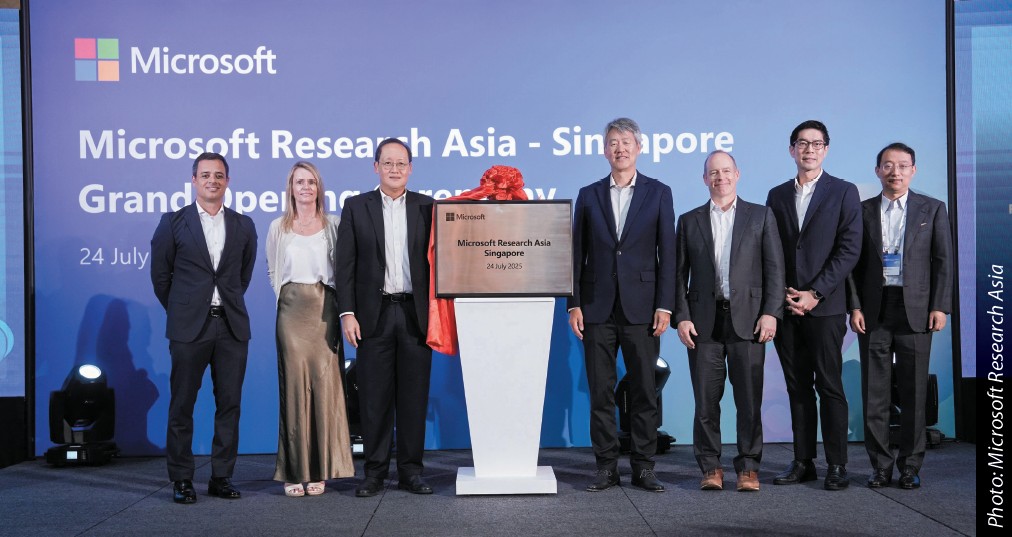
Nowhere is that trust more consequential than in AI. For multinational innovators, the high stakes of AI force a difficult choice: move fast to capture growth or build the deep local connections needed to create lasting impact. Rarely can they do both. That is precisely why Microsoft chose Singapore as the home of Microsoft Research Asia’s (MSRA) first AI research lab in Southeast Asia, following an evaluation process that stretched well over a year.

“A key differentiator is Singapore’s ‘fullstack’ AI talent pool,” says Dr. Lidong Zhou, Corporate Vice President of Microsoft and Managing Director of Microsoft Research Asia. “The workforce demonstrates deep research expertise, strong engineering capability and multilingual, cross-cultural fluency. Singapore also produces highly adept practical implementers who can translate foundational models into reliable, resource efficient solutions for demanding industries like healthcare, finance and logistics.”

Government-backed pipelines such as the Singapore Economic Development Board’s (EDB) Industrial Postgraduate Programme (IPP) help sustain that talent stream while policies like the National AI Strategy 2.0 and the AI Verify Foundation’s Testing Framework and Toolkit—now referenced by companies and regulators internationally—give global technology firms the regulatory clarity to research and deploy sensitive, proprietary systems with confidence.

“A key differentiator is Singapore’s ‘full-stack’ AI talent pool. The workforce demonstrates deep research expertise, strong engineering capability and multilingual, cross-cultural fluency.”

– Dr. Lidong Zhou, Corporate Vice President, Microsoft Research Asia

Strong Partnerships That Spur Innovation
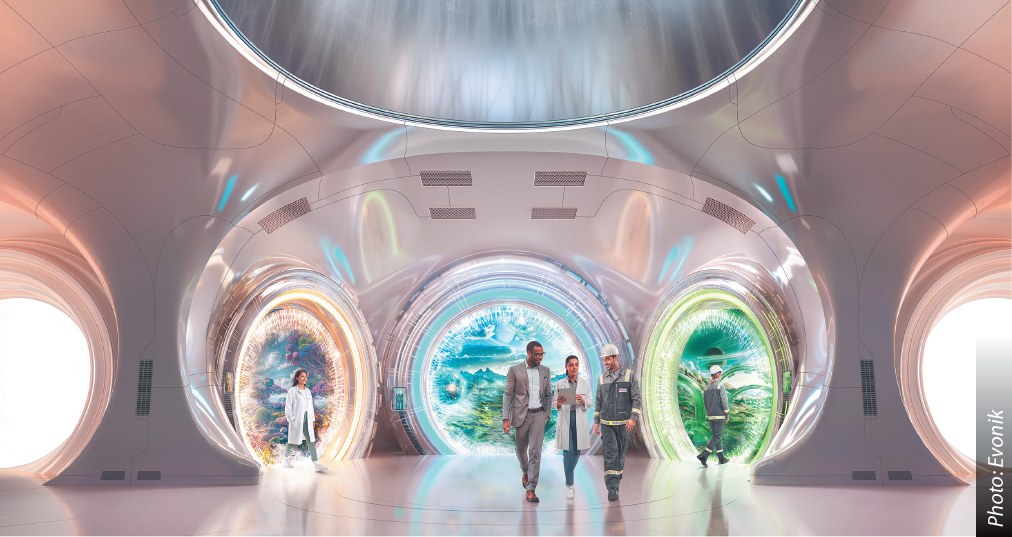
For Microsoft, this confidence has been built through years of partnerships with Singapore’s universities and industries. Together with partners across Singapore’s healthcare ecosystem, MSRA is exploring multimodal and agentic AI approaches to support clinical decision making, unlock insights from complex medical data and advance research in disease diagnosis, risk assessment and personalized care. It also collaborates with the National University of Singapore (NUS) on spatial and embodied intelligence, advancing benchmarks that integrate perception, language and action for complex manipulation tasks.

These partnerships reflect the broader ecosystem Singapore has built to connect global technology companies with research institutions, industry expertise and talent—helping companies scale AI responsibly from research to real-world applications across the region. That same ecosystem supports R&D across industries.

German specialty chemicals group Evonik has made Singapore one of its most significant Asian outposts, since the establishment of its first office in 1969. Today, Singapore is home to Evonik’s Asia-Pacific regional headquarters, its first Asia Research Hub, and live manufacturing plants across Jurong Island and Tuas.

Evonik owns and operates the world’s largest manufacturing complex for DL-methionine, an essential amino acid for animal nutrition, on Jurong Island. More recently, Evonik further expanded its manufacturing footprint with the opening of a world-scale alkoxides production facility on Jurong Island to serve growing demand across Asia in areas such as biodiesel, pharmaceuticals and chemical recycling. Evonik’s R&D presence in Singapore is also deeply extensive, covering topics across sustainability, novel materials, life sciences, skin sciences and more.

For Evonik’s Singapore-based Deputy CEO and Asia-Pacific President Claus Rettig, these diverse activities all point to a broader regional strategy. He says, “Asia is central to Evonik’s growth strategy. Our ambition is to increase the region’s contribution from around a quarter of global sales today to one-third by 2032. To achieve this, we are strengthening our presence across the region by investing close to our customers and building on the distinct capabilities of markets such as China, India, Japan, South Korea and Southeast Asia. This regional network enables us to respond faster to customer needs while creating a more balanced and resilient global footprint.”

“Asia is central to Evonik’s growth strategy. Our ambition is to increase the region’s contribution from around a quarter of global sales today to one-third by 2032.”

– Claus Rettig, Deputy CEO and Asia-Pacific President, Evonik

Connectivity That Unlocks Value
The Johor-Singapore Special Economic Zone (JS-SEZ) offers a simple but powerful proposition: Singapore’s connectivity, capital and regulatory certainty paired with Johor’s land, labor and cost advantages. Together, they create something neither side could build alone.

The numbers tell the story. Since early 2024, Singapore-based companies have committed over S$5.5 billion (US$4.3 billion) to Johor. The pipeline spans advanced manufacturing, agri-tech and data centers—with global names across medtech, logistics and specialty chemicals exploring cross-border operations. What unites them is a shared logic: keep R&D, product development and regulatory a airs in Singapore; scale production and fulfillment in Johor.

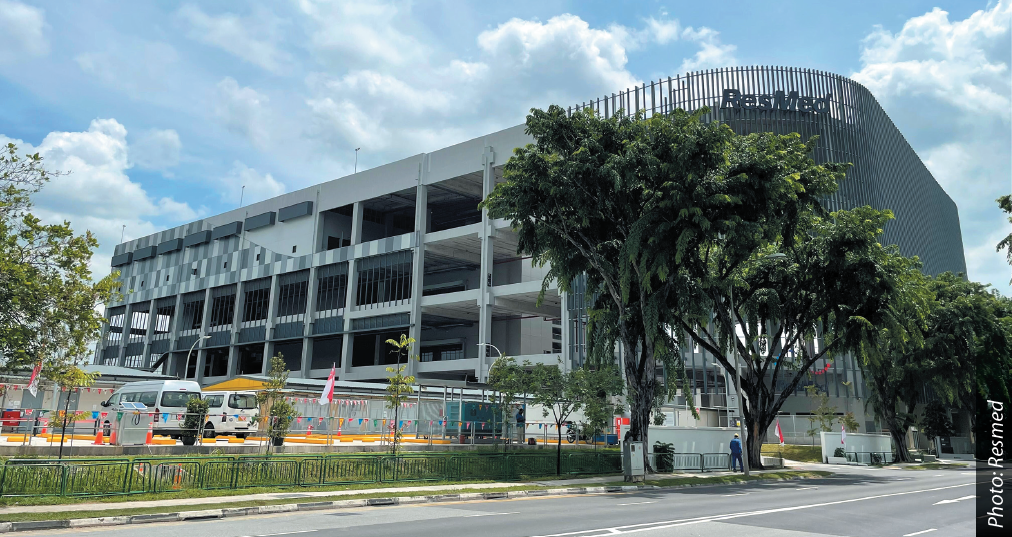
U.S.-headquartered Resmed demonstrates how Singapore’s advanced capabilities and connectivity can support global growth. The health technology company has built a significant presence in Singapore, including its Tuas Advanced Manufacturing Centre, which produces leading devices such as the AirSense 11. That footprint complements Resmed’s manufacturing operations in nearby Johor, creating an integrated regional model that combines capabilities across both locations.

Nigel Cheong, Resmed’s Director for Manufacturing and Logistics, describes the approach as striking “the right balance between cost effectiveness, resilience and synergy between Singapore and Johor.”

Proximity is a key advantage. It gives Resmed greater flexibility to move people, knowledge and expertise across its operations while strengthening the resilience of its regional footprint. As connectivity between Singapore and Johor deepens, Resmed offers a compelling example of how global companies can leverage Singapore as a strategic hub, tap complementary capabilities across Southeast Asia and build operations designed to scale globally.

“Resmed’s approach strikes the right balance between cost-effectiveness, resilience and synergy between Singapore and Johor.”

– Nigel Cheong, Director for Manufacturing and Logistics, Resmed

Engineering Resilience Across Borders
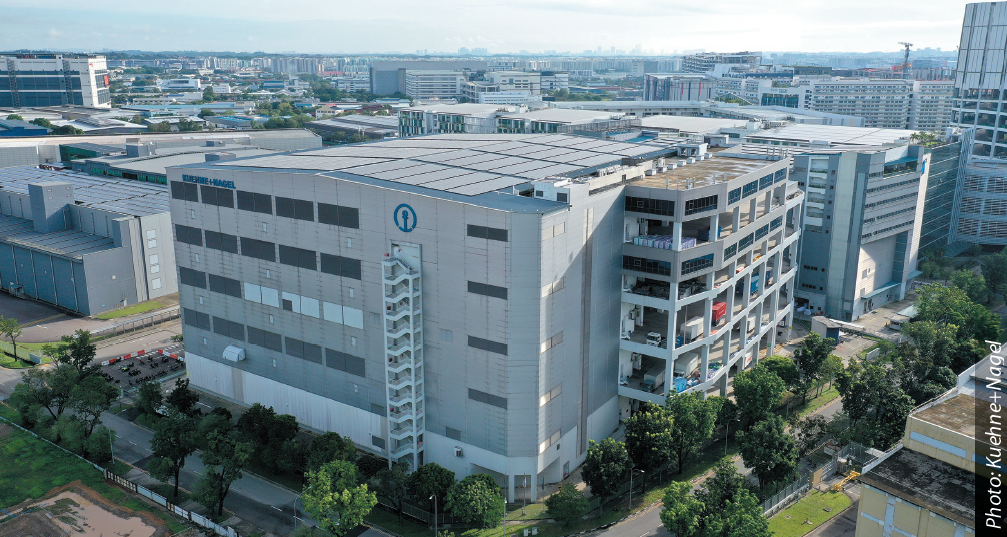
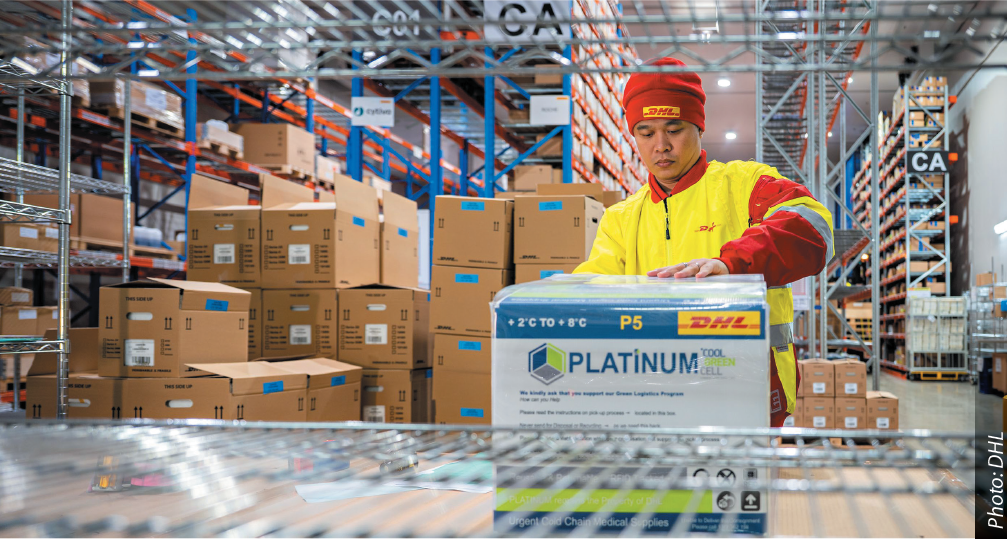
DHL and Kuehne+Nagel show how Singapore’s trade infrastructure and connectivity extend the same logic into logistics. Both have built operations spanning Singapore and Johor, using the city-state’s professional and regulatory ecosystem to run time-critical, high-value operations while tapping Johor for scale.

For DHL, Singapore’s data infrastructure and connectivity make it possible to see where supply chains can work more efficiently across the region. Its Connected Control Tower (CCT) uses real-time tracking and predictive analysis to uncover inventory gaps and inefficiencies, revealing optimization opportunities companies may not have realized, from freeing up capacity to reducing working capital tied up in inventory.

Kuehne+Nagel has built a similar hybrid model: seven sites in Singapore—including its Asia-Pacific headquarters and five fulfillment centers spanning more than 85,000 square meters—handle time-critical, high-value cargo while two sites in Johor manage cost sensitive, scalable activities.

Despite the Causeway’s status as one of the world’s busiest land crossings, Kuehne+Nagel’s Peer Rasmussen, Managing Director for Singapore and Malaysia, challenges the assumption that congestion limits cross border operations. “Procedures have become noticeably faster and more efficient,” he says. “In reality, with proper planning, cargo movements can be managed smoothly.”

“Procedures have become noticeably faster and more efficient. In reality, with proper planning, cargo movements can be managed smoothly.”

– Peer Rasmussen, Managing Director for Singapore and Malaysia, Kuehne+Nagel

That same connectivity is extending into healthcare and pharmaceuticals. DHL has opened a 10-million-euro (US$11.6 million) Pharma Hub in Singapore, part of a 500-million-euro (US$578.5 million) regional commitment to life sciences and healthcare, purpose-built for cold-chain pharmaceutical distribution.

Kuehne+Nagel operates its own 50,000-square-meter logistics hub near Singapore’s healthcare cluster, with more than 65% configured for advanced cold storage, redressing and postponement. The facility supports temperature-controlled distribution of pharmaceutical and medtech products across the border, including Thailand.

But connectivity is not simply about moving goods; it is about opening markets. For DHL Supply Chain Southeast Asia CEO Edwin Wong, the strategic advantage of Singapore’s 29 free trade agreements (FTAs) is clear: “Given the current state of global trade, these FTAs enhance our customers’ trade opportunities, offering them greater flexibility for both importing and exporting goods.”

“Given the current state of global trade, these FTAs enhance our customers’ trade opportunities, offering them greater flexibility for both importing and exporting goods.”

– Edwin Wong, Supply Chain Southeast Asia CEO, DHL
The Long View

What connects Microsoft’s researchers, Evonik’s scientists, Resmed’s engineers and the logistics executives of DHL and Kuehne+Nagel is not a single incentive or accolade. It is the ability to combine capabilities that no single market could offer: innovation with application, highvalue operations with scalable capacity, and connectivity with resilience. That is not just a regional headquarters model. It is a strategy for growth that can adapt as the region evolves.

For companies building their presence across Asia, Singapore offers the stability to commit for the long term and flexibility to adapt as opportunities evolve. Its value no longer stops at its borders but rests in what companies can orchestrate from its infrastructure. That is the enduring advantage: the ability to plan for the long term without closing off the options tomorrow may demand.

Find out more at: edb.gov.sg/en/how-we-help/scale-across-southeast-asia

edb.gov.sg
The Ecosystem Behind Singapore’s Digital Transformation

For businesses, the hardest part of digital transformation is not access to new technology but knowing what to adopt, who to trust and how to turn that commitment into real, lasting results.

Johnson Poh, Assistant Chief Executive of IMDA’s Enterprise Transformation and Innovation Group

Digital transformation has moved well beyond the question of whether businesses should embrace it. For many enterprises, the real challenge is understanding why promising projects stall between vision and full implementation.

“The gap between digital ambition and sustained business value is often not a technology problem but an execution problem,” says Johnson Poh, Assistant Chief Executive of IMDA’s Enterprise Transformation and Innovation Group. Closing that gap, he says, is rarely something a business can do entirely on its own. The pieces may be familiar but the challenge lies in bringing together the right information, technology, partners and connections, and making them work together effectively.

From Pilot to Implementation

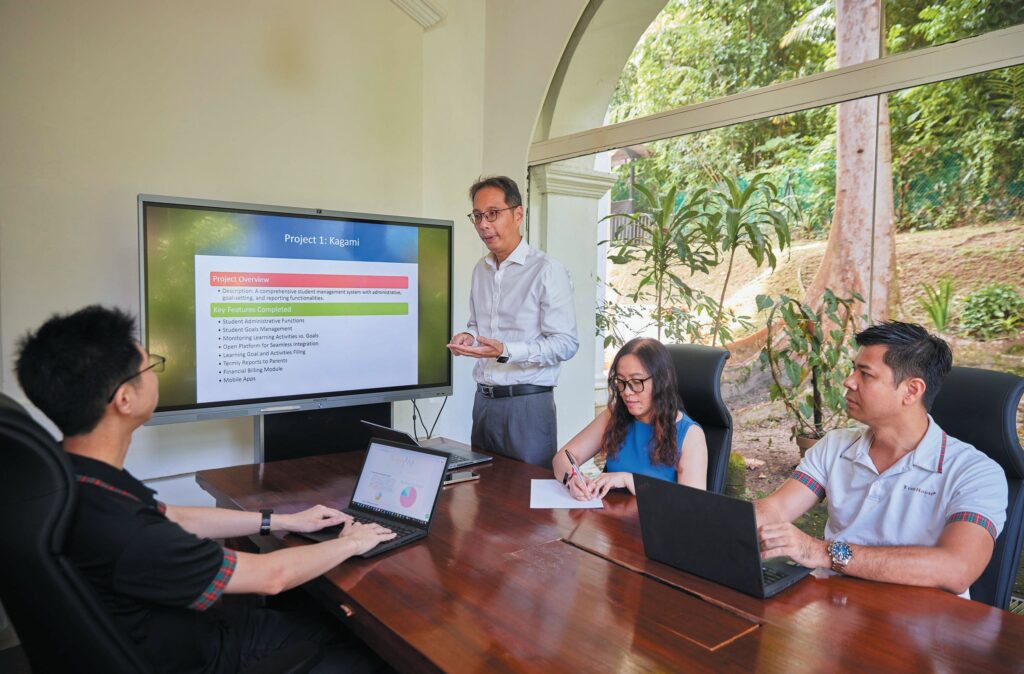
In 2021, Singapore education provider EtonHouse International Education Group adopted an off-the-shelf student management system but found its functionality too limited. The system did not reflect how EtonHouse taught and offered little scope to turn data into actionable insights.

Rather than accept a partial fix, EtonHouse’s Group CEO and Group CTO recognized that the problem demanded a rethink of its digital infrastructure. Tapping into the broader enterprise ecosystem, with support from IMDA’s Digital Leaders Programme, the school built its own applications tailored to its needs, along with an in-house team to maintain them.

Among the tools developed was Kagami, a parent-facing app that provides real-time updates, along with automated systems for attendance, billing and reporting. The school has since recorded a 30% gain in productivity and a 3% year-over-year increase in enrollment while projecting revenue growth of 10%.

“When pilots fail to scale, the gap is rarely the technology itself,” Poh says. “It is the organizational readiness around it.” EtonHouse’s experience illustrates the point. Its leadership remained engaged long after the initial decision, establishing governance structures before expanding the rollout and building a team that understood both the business and the technology. “Scaling a technology is a change-management challenge,” says Poh. “Leadership, governance and talent all need to move together.”

Building Confidence to Adopt

Knowing that change is needed is one thing. The harder part is deciding what to adopt and who to trust. Decision-makers must assess whether a vendor is reliable, whether new solutions will integrate with existing systems and how sensitive data will be protected.

“These are not straightforward questions and getting them wrong can be costly,” Poh says, adding that companies face a trust gap as much as a technology gap. Startups offer cutting-edge innovations but adopting emerging technology carries risk. Enterprises must spend significant effort verifying whether startups can deliver before committing.

EtonHouse developed Kagami, a parent-facing app that provides real-time updates.

This is the gap IMDA’s Accreditation program is designed to narrow. Through independent technical evaluation, IMDA validates that a company’s product works as claimed, giving enterprise buyers a credible basis for assessment. IMDA’s Tech Acceleration Lab also provides a controlled environment for testing a proof of concept, reducing risk before full commitment.

The scale of this ecosystem is significant, reaching over 4,700 decision-makers, including around 500 enterprise C-suite leaders. In 2025 alone, these programs and networks generated more than 13,000 curated interactions between technology companies and potential buyers, with 92% of participants finding the curation relevant to their needs.

Through IMDA’s Accreditation program, Singapore-based AI company ReN3 connected with a large enterprise needing AI for sensitive documents. ReN3’s proof of concept achieved over 90% accuracy across diverse document types while keeping data onsite, leading to full deployment within three months.

“IMDA’s role isn’t to make the adoption decision for the enterprise,” Poh says. “It’s to create the connections and credibility that let that engagement happen in the first place, and to provide independent validation that helps build trust along the way.”

Support for Different Business Profiles

While trust is important, so are timing and organizational readiness. Every business starts from a different place, with different needs and levels of preparedness. Some SMEs need foundational digital capabilities; others are ready to expand technology across the business. Larger enterprises, meanwhile, may require advanced tools for complex challenges.

IMDA’s support is structured to meet different business needs and levels of digital maturity. Singapore SMEs can build core capabilities through programs such as SMEs Go Digital and the Digital Leaders Programme, while larger enterprises can use Accreditation to deploy frontier technologies.

IMDA’s programs are not designed to be followed in any particular order. “There is no one-size-fits-all approach because enterprises are starting from very different places,” says Poh. “IMDA’s role is to meet enterprises where they are while helping them take the next step.”

The opportunity, Poh believes, is not simply to adopt more technology but to understand where it can genuinely change how work is done. That means identifying tasks that can be augmented or streamlined while recognizing where human judgment, creativity and experience remain most valuable. AI is increasingly part of that equation but the goal should be broader than improving efficiency. “Successful AI adoption should not just make individual tasks faster. It should make the company, and the people within it, more capable,” he says.

What Comes Next

Businesses that have sustained technological change typically take a broader view from the outset, treating digital transformation as an ongoing organizational capability instead of a series of individual technology projects. Over time, this builds the capabilities, confidence and connections that enable businesses to continue adapting as new opportunities emerge.

“The real measure of success is not how many digital projects a company has completed,” Poh says. “It is whether the company has become better at transforming itself.”

For enterprises at any stage of their digital transformation journey, more information on the programs and support available can be found at imda.gov.sg.

Building Businesses, Shaping Communities

Entrepreneur, investor and philanthropist Sam Goi has built a diversified global enterprise through astute business judgment and a deep commitment to Singapore’s communities and institutions.

Best known as the entrepreneur behind Tee Yih Jia Food Manufacturing and property and hospitality group GSH Corporation, Sam Goi has paired a sharp eye for undervalued potential with a readiness to embrace technology, translating both into scale and earning him a regular place on Forbes Singapore’s 50 Richest list.

Turning Potential Into Growth

Goi’s career has been defined by an instinct for spotting potential where others see the ordinary. He recognized spring roll pastry as a product every household needed, yet nobody was producing to a high standard at scale, and built a food manufacturing powerhouse around that insight, guided by a perceptive read of what customers wanted.

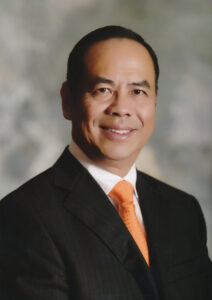
Sam Goi, Executive Chairman of PSC Corporation

Beyond Borders, Across Industries

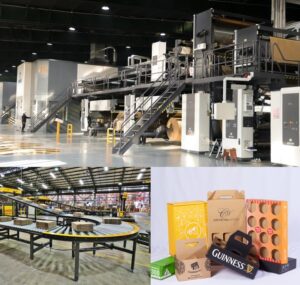
Goi is also Executive Chairman of PSC Corporation, which makes and distributes household and food brands across Singapore and the region, and of Tat Seng Packaging Group, a corrugated paper packaging specialist with operations in Singapore and China. Not content to let these two established businesses simply hold their ground, Goi is leveraging decades of commercial instinct to push both toward their next stage of growth, efficiency and long-term strength.

Betting on Technology to Scale

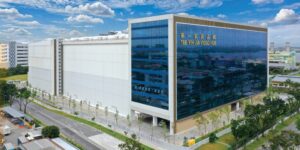
Across his businesses, Goi has consistently invested in automation and innovation. That conviction culminated in a S$500-million (US$395 million) investment in the Tee Yih Jia Food Hub, a nine-story facility housing one of Asia’s largest fully automated cold-storage operations, with 15 cranes moving pallets in and out of rooms maintained at -25 degrees Celsius, with capacity for more than 100,000 pallet positions.

A Voice Beyond Business

Business success has gone hand in hand with service. Goi served as Singapore’s Non-Resident Ambassador to Brazil from 2018 to June 2026. Closer to home he serves as Honorary Chairman of the Ulu Pandan Citizens’ Consultative Committee, supporting grassroots development. He has also long supported education, notably as a founding trustee of the Singapore University of Technology and Design, which conferred on him an Honorary Degree of Doctor of Letters in 2021.

Decades Honed, Eyes on Tomorrow

Goi is positioning PSC and Tat Seng for the future by integrating artificial intelligence and advanced technology into core operations, drawing on his commitment to industrial automation and efficiency. For him, the future lies in combining proven fundamentals with leading-edge technology, building on what works while remaining primed to meet what comes next.

Redesigning Care For The Future

IHH Healthcare is shaping how healthcare is delivered, giving patients more convenient access to appropriate care, better outcomes and greater value at every stage of their journey.

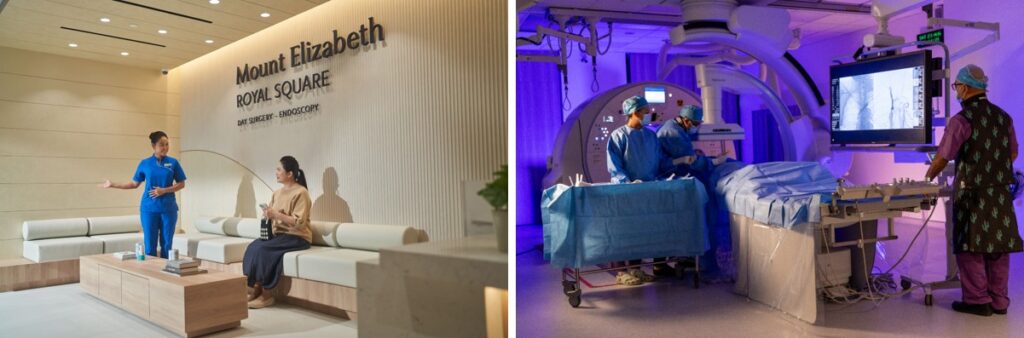
A patient arriving for a routine endoscopy at an outpatient center such as Mount Elizabeth Royal Square has a very different experience from someone entering a hospital for admission. There is no need to navigate a large building, register at several counters or follow processes designed for patients requiring complex hospital care. Instead, the patient checks in, undergoes the procedure, recovers and returns home.

For Dr. Prem Kumar Nair, Group CEO of IHH Healthcare, this simpler journey illustrates a fundamental change in healthcare. Thanks to medical advances, many procedures that were once performed in hospitals can now be delivered safely in dedicated outpatient facilities.

Dr. Prem Kumar Nair, Group CEO of IHH Healthcare

“I don’t think you will see hospitals in the same way a decade from now. They will have to be part of a larger healthcare ecosystem, and a big part of that system is going to be ambulatory and community care.”

– Dr. Prem Kumar Nair, Group CEO of IHH Healthcare

Right-siting care beyond hospitals not only improves convenience but also reduces costs and frees up capacity for patients who genuinely need intensive or highly specialized care. This approach is central to IHH’s ambition to transform from a hospital-focused group into a healthcare ecosystem player, spanning prevention, diagnosis, treatment and recovery.

The need for change is becoming urgent. Medical inflation continues to outpace general inflation, driven by rising drug and labor costs, as well as ongoing investment in advanced technology. At the same time, people are living longer and spending more years managing conditions such as cancer, diabetes and hypertension. The challenge is not only extending lifespan, but helping people stay healthier for longer through prevention, early intervention and better management of chronic diseases. Dr. Nair believes the traditional hospital-centered model is no longer sufficient for what lies ahead.

Care Moves Into the Community

IHH’s Strategy 2030 blueprint seeks to transform the group, known for its trusted hospital brands Acibadem, Fortis, Gleneagles, Island, Mount Elizabeth, Pantai, Parkway and Prince Court, into an integrated healthcare continuum. Building on its network of 190 healthcare facilities across 10 countries, IHH is creating a connected system that identifies risks earlier, supports people in managing their health and enables them to move seamlessly between primary, ambulatory and tertiary care as their needs evolve.

“I don’t think you will see hospitals in the same way a decade from now. They will have to be part of a larger healthcare ecosystem, and a big part of that system is going to be ambulatory and community care,” explains Dr. Nair.

A central part of the strategy is moving suitable procedures out of hospitals. IHH has opened ambulatory centers that provide same day tests and procedures without hospital admission in Singapore and Hong Kong.

Parkway MediCentre at The Woodleigh Mall in Singapore, for instance, brings together urgent care, primary care, mother and child services, ophthalmology, health screening and radiology in a community setting. Malaysia is also developing such facilities.

IHH says its ambulatory care model has improved patient satisfaction while enhancing operational efficiency and cost effectiveness.

Hospitals will remain essential, Dr. Nair stresses, but they will focus increasingly on emergencies and complex, high-acuity care. Project Renaissance, IHH’s approximately S$350 million (US$275.5 million) upgrade of Mount Elizabeth Hospital, demonstrates this priority. The project has revamped the hospital’s physical infrastructure while introducing digital wayfinding, personalized patient information and a command center that coordinates movement through operating theaters and other services.

Across its markets, IHH continues to invest in advanced medical technologies and clinical capabilities to improve patient outcomes and experience.

Putting Value at the Heart of Care

Changing where care is delivered addresses only part of the affordability equation. IHH is also expanding its Value-Driven Outcomes initiative, which examines the quality and cost of treatment across an entire clinical pathway.

For procedures such as total knee replacement, teams review every stage from admission to discharge. The aim is to remove unnecessary administration, coordinate care teams more effectively and shorten hospital stays while maintaining clinical outcomes.

“Value-Driven Outcomes is quality divided by cost. We have to target the cost part while keeping quality constant. That means looking at all the processes that go into a surgery, cutting out the administrative work that is not required and focusing on the procedure,” explains Dr. Nair.

The approach currently covers close to 10 procedures, IHH says, representing about 20% of the group’s inpatient admissions. IHH aims to extend this further over the next few years—supporting a more sustainable healthcare model for patients and payors.

Enhanced Recovery After Surgery programs are another part of this effort. Through carefully structured care before, during and after an operation, recovery can be accelerated. Colorectal surgery patients who previously took more than five days to regain their ability to perform daily activities may now recover in as little as one and a half days.

Throughout these efforts, patient safety and outcomes remain non-negotiable. As part of its clinical governance framework, IHH tracks 17 common quality indicators across its markets, covering areas including infection control, patient outcomes and readmissions. Results are reviewed monthly and reported to a board committee.

(L-R): Mount Elizabeth Royal Square reflects IHH’s strategy to extend care beyond hospitals and closer to the communities it serves; Project Renaissance has enhanced IHH’s care delivery capabilities at Mount Elizabeth Orchard through upgraded technologies and facilities.

Building a New Care Stack

IHH recognizes that improving healthcare accessibility and affordability cannot be achieved by providers alone. Partnerships are equally important. In Singapore, IHH’s Parkway Shenton clinics support chronic disease management under the Healthier SG initiative, while a transitional care facility receives public sector patients who no longer need acute hospital treatment but are not ready to return home.

Through its innovation programs such as IHH Catalyst, the group works with startups to develop and pilot solutions that address real-world healthcare challenges. Successful innovations can then be adopted and scaled across IHH’s network. The program began with Fortis Healthcare in India and is moving into Hong Kong and mainland China before expanding to other IHH markets.

IHH’s Parkway Shenton clinics support chronic disease management under the Healthier SG initiative.

IHH also actively harnesses technology, data and artificial intelligence (AI) to improve productivity, diagnostics and operations across its network. For instance, it developed NurseShift.ai to automate complex nurse rostering, reducing the time spent on scheduling by 51% and allowing nursing leaders to focus more on patient care.

AI is also being deployed in clinical settings, from flagging possible polyps during an endoscopy to supporting analysis of medical images. But while technology can augment decision-making, it does not replace clinical judgment. Doctors remain responsible for validating findings and determining the best course of care.

IHH’s role extends beyond healthcare delivery to convening conversations that shape the future of healthcare. Through platforms such as its flagship FutureHealth.Now conference, IHH brings together healthcare leaders, policymakers, payors, innovators and technology companies to address healthcare challenges, exchange ideas and accelerate solutions that can make quality healthcare more sustainable for future generations.

Dr. Nair believes the future of healthcare will be defined by how effectively every part of the ecosystem works together around the patient. That vision is at the heart of IHH’s transformation: helping people stay healthier for longer and ensuring they receive the right care, at the right time, in the right place, wherever they are on their health journey.

ihhhealthcare.com

A Billion-Dollar Bet On Complexity: How Everise Turned Healthcare’s Toughest Problems Into Its Greatest Advantage

In just a decade, Everise has grown from a four-person startup into a billion-dollar global customer experience company, with healthcare at its heart. Founder and CEO Sudhir Agarwal explains why the next chapter will be its boldest yet.

Sudhir Agarwal, Founder and CEO of Everise

In 2016, Sudhir Agarwal arrived at a conviction that ran against the grain of his industry. The outsourcing business, he believed, had settled into comfortable mediocrity: compete on cost, chase volume, treat every client identically. He set his sights on building something entirely different.

Agarwal took over a loss-making business and began laying the foundations for growth. Since 2016, Everise’s revenue has grown at double-digit rates every year and Agarwal’s conviction has produced a billion-dollar enterprise. The company says it employs more than 32,000 people across six markets, delivers over 235 million customer experiences annually in 34 languages, and derives more than 85% of its revenue from regulated healthcare. What began as a modest startup now ranks as one of the fastest-growing unicorns in the customer experience industry.

This journey did not begin with a product or a platform but with a deliberate refusal to play by the industry’s old rules. “From day one, I knew exactly what I did not want,” Agarwal says. “I didn’t want to build a commodity company. We wanted to solve complex, high-friction problems that others couldn’t.”

Everise would not compete on lowest-cost labor or chase broad markets. Instead, it built around highly regulated, specialized industries—healthcare chief among them—where expertise and empathy create value that cost-cutting could not replace.

Singapore as Launchpad

If the bet was Agarwal’s, the setting was Singapore’s. The city-state gave Everise more than a headquarters; it provided access to the capital and visionary partners that funded its ambitions. “If it wasn’t for Singapore, Everise would have never become a reality,” Agarwal says.

Singapore became the node that connected Everise to a succession of world-class strategic partners. It began with Everstone Group, the private equity firm that backed Everise from day one in 2016. This partnership was so foundational that Everise’s name is itself a fusion of Everstone and Agarwal’s earlier venture, Sunrise. Brookfield Asset Management, a global alternative asset manager with over US$1.2 trillion in assets under management, invested in 2020. Warburg Pincus, a growth investor with more than US $105 billion in assets under management, joined in 2023 in a deal that valued Everise at approximately US$1 billion.

“We have always wanted partners who are aligned with our DNA,” says Agarwal. “They’re partners in the truest sense of the word. They’re integrated into our system.” That partnership shows up in how quickly doors open. Access to new markets, industry expertise and a view of what’s next in enterprise AI are there whenever Everise needs them.

Healthcare as Growth Engine

Today, Everise’s healthcare footprint spans payer, pharmacy and provider environments. The company was also recently named a Leader in Everest Group’s Healthcare CXM Intelligent Operations PEAK Matrix Assessment. “We have been true to our motto of healthcare, healthcare, healthcare,” Agarwal says. “And that’s paying off.”

That specialization was born from the deliberate choice to embrace complexity where others saw risk. In healthcare, the first call a patient makes is to emergency services; the second is often to Everise. Managing insurance claims, benefits, patient scheduling and billing leaves little room for error. “These are not regular calls,” says Agarwal. “In healthcare, lives are at stake. You don’t have the luxury of mistakes.”

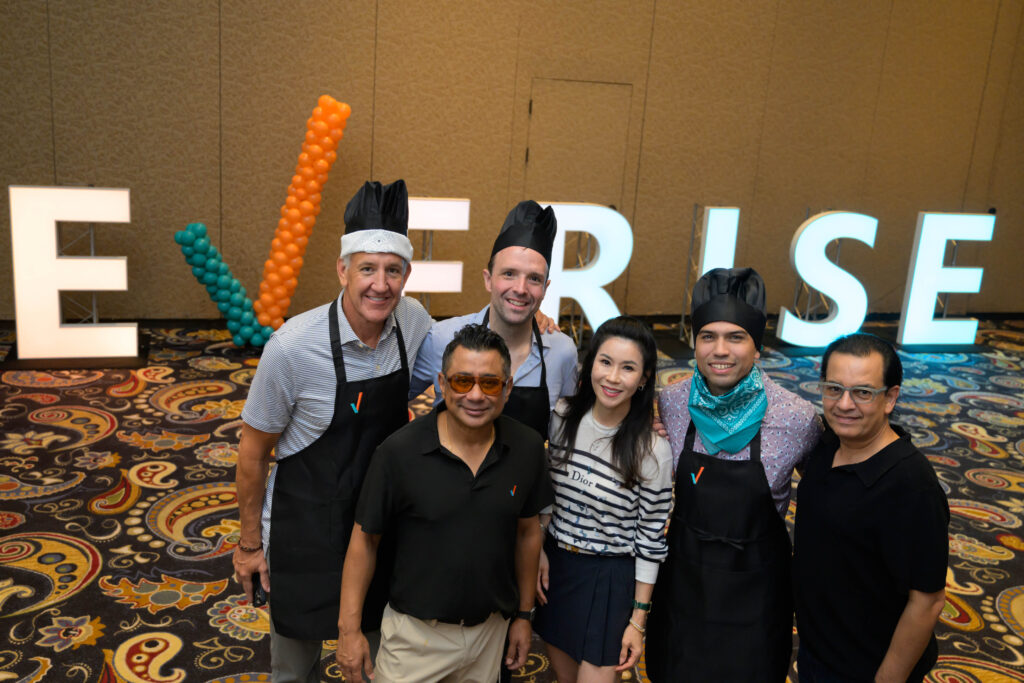
Everise’s senior leadership team at a recent executive leadership summit in 2026

Technology as Quiet Enabler

Technology has underpinned Everise’s growth from day one and proved decisive when Covid-19 hit. Investments in IoT and conversational AI in 2017 and 2018 progressed into the cloud infrastructure that allowed Everise to move over 95% of its workforce home within two weeks. Today, Everise operates an AI-native layer across its business.

This has transformed the way the company uses data. Its Management Information Systems (MIS) team once numbered in the hundreds and produced over 300 reports a week. Today, a team of just 18 data scientists runs an agentic Business Intelligence (BI) platform. By replacing hundreds of manual weekly reports with over 950 automated data feeds, the platform gives leaders instantaneous, round-the-clock visibility into global performance.

“If I want to see process performance in the Philippines right now, I don’t ask anyone. I just check the BI dashboard,” says Agarwal. “Every person in the company has that access.”

Direct access to information flattens hierarchies and speeds decisions. It allows a 32,000-person company to respond like a startup. “We can make changes overnight,” Agarwal says. “That’s still our edge.”

AI and the Human Advantage

Agarwal takes a measured view about the more extravagant predictions surrounding AI. In healthcare especially, he sees the immediate opportunity behind the scenes, connecting fragmented systems and automating administrative work so people can focus on more complex interactions.

EverLead, the company’s AI-powered team lead command center, exemplifies that philosophy. Before Covid-19, team leaders spent 80% of their time supporting their teams. During the shift to remote work, that fell to 20% as administrative demands grew. Since its implementation, EverLead has returned approximately four hours of each team lead’s day to coaching and development.

For Agarwal, the value of AI lies less in replacing people than in changing what they spend their time doing. As AI absorbs routine tasks, the human work that remains becomes more complex and valuable.

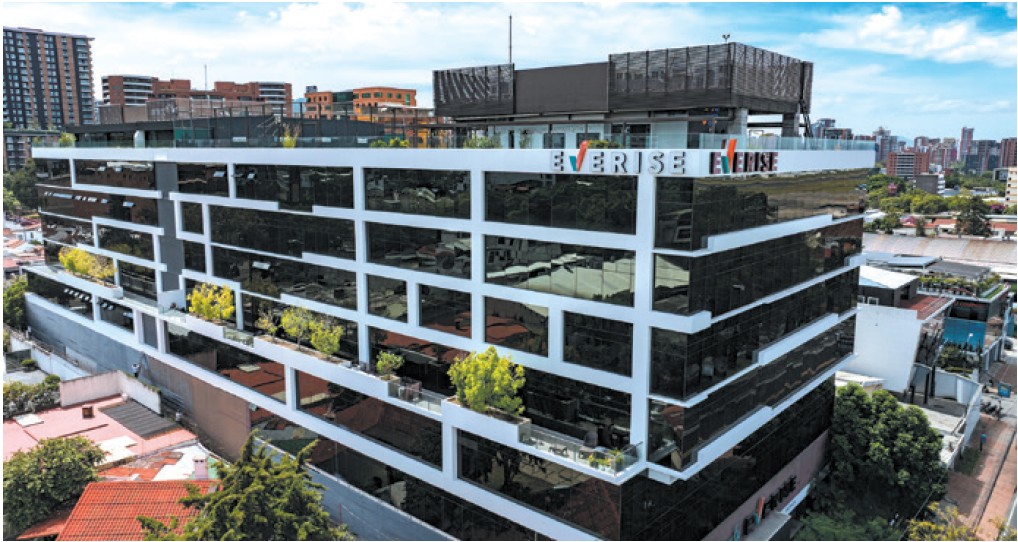
Everise’s geographical reach comprises 12 locations across six countries—its 79,115-square-foot Guatemala site is pictured here

The US$5 Billion Horizon

As it enters its second decade, Everise is setting its sights on becoming a US$5 billion company within five years. Driving this next growth phase is its evolution into an Agentic Enterprise, with AI increasingly embedded in the way the business operates. Three agentic AI products, incorporating Everise’s own IP, have already been deployed at scale, with two more being piloted.

In high-compliance environments such as healthcare, human judgment, empathy and specialized domain expertise remain critical. “Frontline agents are the core engine of our business,” says Agarwal. “Every technology investment is designed to remove backend friction and give our workforce the tools they need.”

That ambition is underwritten by the same partnership model that has carried Everise this far. Brookfield and Warburg Pincus remain closely engaged as Everise scales its next phase of growth.

Looking back at a decade of double-digit growth, Agarwal’s perspective on enterprise-building remains anchored in disciplined execution and selective alliances. “When you align clear governance, deep specialization and the right strategic partners, sustained expansion follows,” he says.

Everise spent its first decade proving that the hardest problems can become the greatest opportunities. It is now betting that the same conviction can redefine customer experience in an AI-powered world, and reshape what the industry is capable of delivering.

How Placemaking Is Shaping Urban Living

GuocoLand’s latest integrated development, Guoco Midtown, reflects a philosophy that seeks to rejuvenate the entire district.

Strategically located in the heart of the city, Guoco Midtown connects the vibrant precincts of
Beach Road, Bugis and Marina Centre.

There was a time when Singapore’s Beach Road precinct was largely somewhere people passed through. Office workers filled the streets during the day before dispersing in the evening, while neighboring Bugis and Marina Centre drew much of the city’s retail and entertainment crowds.

Today, the district tells a different story. Restaurants and cafés spill into public plazas, office workers mingle with residents after business hours, and community events bring life to landscaped spaces throughout the week. Pedestrian connections encourage people to move naturally between Beach Road, Bugis and Marina Centre, while multinational companies, lifestyle brands and residents now occupy the same neighborhood.

The transformation did not happen overnight. Nor was it simply the result of constructing another office tower or residential development. It reflects a philosophy that GuocoLand has refined over the years: that the success of a development depends not only on the buildings themselves, but on how they transform the surrounding neighborhood.

That philosophy first took shape with Guoco Tower in Tanjong Pagar and has since been applied at Guoco Midtown. Within this integrated mixed development sits Midtown Bay, whose residents become part of an ecosystem where offices, retail and public spaces have been planned as a single destination.

Enhancing Connectivity Across Districts

Placemaking is about far more than architecture or attractive public spaces. At its heart, it is about creating places where people want to live, work and spend time. For GuocoLand, that means thinking beyond individual buildings to how an entire district functions.

“GuocoLand believes that successful placemaking is about creating an environment that shapes how people live, work, interact and identify with a district. The ultimate test of placemaking is whether a development uplifts its neighborhood, attracts diverse communities, creates activity beyond office hours and becomes a destination with its own sense of identity,” says Dora Chng, Director, Residential at GuocoLand.

This philosophy was further developed through Guoco Tower and subsequently applied on a larger scale at Guoco Midtown. Rather than treating connectivity, workplaces, residences and public spaces as separate elements, the project was conceived as an interconnected ecosystem where each component reinforces the others.

Connectivity forms one important pillar of this strategy. Guoco Midtown is directly connected to Bugis MRT Interchange, giving commuters access to the East-West and Downtown lines, while sheltered pedestrian links also provide convenient access to the North-South and Circle lines. An extensive underground pedestrian network, overhead bridge and sheltered walkways connect the development with several malls including Bugis Junction, Bugis+, DUO, Suntec City, Marina Square and Raffles City Shopping Centre.

Residents and office workers are also within walking distance of Kampong Glam, Haji Lane, Arab Street, the National Library and several of Singapore’s historic places of worship.

This physical connectivity broadens access to offices, retail, dining and entertainment, encouraging people to move throughout the district rather than remaining within a single building.

Public spaces play an equally important role. Extensive landscaped gardens, plazas and event spaces provide venues for fitness programs, arts activities, weekend markets and community events that keep the precinct active beyond conventional office hours. Instead of serving as transitional spaces, they become places where people gather and spend time.

The workplace itself has also been reimagined. Recognizing changing patterns of work, GuocoLand introduced facilities such as the Network Hub, combining flexible workspaces with lifestyle amenities and networking spaces designed to encourage collaboration and interaction.

Taken together, these elements are intended to create an environment where people choose to spend time rather than simply commute through.

“As Singapore continues to evolve, integrated mixed developments will play an increasingly important role in making the city more connected, sustainable and livable.”

– Dora Chng, Director, Residential at GuocoLand

(L-R): Guoco Midtown brings together dining, shopping and entertainment in one vibrant live-work-play destination for the modern urbanite; commanding views of the Marina Bay skyline.

Building Communities, Growing Neighborhoods

Several years after its first phase was completed, Guoco Midtown has attracted a broad mix of multinational companies across sectors including finance, technology, automotive and industrials, reinforcing the precinct’s position as a business destination. At the same time, new restaurants, cafés, wellness concepts and retail offerings have expanded the area’s appeal beyond office hours.

The district’s public spaces have also become venues for year-round community programming, while new event spaces create stronger connections between Guoco Midtown and the surrounding streets.

These developments demonstrate that successful integrated developments generate benefits that extend beyond their own boundaries.

“Since the completion of Guoco Midtown, we have seen the Beach Road–Bugis district evolve into a more connected, vibrant and activated precinct. The development has strengthened links between the City Hall, Marina Centre and Bugis micro-markets, while attracting new businesses, lifestyle offerings and community activities that have increased footfall and activity throughout the day and evening,” says Chng.

The company views this as evidence that thoughtfully planned mixed-use developments can become catalysts for wider precinct renewal, strengthening both economic activity and community life.

Redefining Ways of Working and Living

The Network Hub is a versatile venue designed to host a wide range of events, from conferences and corporate gatherings to private dining.

Within Guoco Midtown, Midtown Bay occupies a distinctive position. Rather than offering residents only the amenities within a residential tower, it places them within an already established environment that combines offices, retail, dining, public spaces and transport connections.

That distinction is becoming increasingly relevant for affluent buyers whose expectations have expanded beyond luxury interiors and premium finishes. Increasingly, they are also evaluating what lies outside their front door, from how easily they can move through the city to whether daily conveniences are within walking distance.

“Midtown Bay residents are part of a fully integrated urban ecosystem rather than a single residential development. They enjoy the convenience of having workplaces, dining, retail, public spaces and transport connections within walking distance, creating a highly connected and walkable lifestyle,” says Chng.

Looking ahead, GuocoLand believes this approach will become increasingly important as Singapore continues to intensify land use and create more connected urban districts.

Says Chng: “As Singapore continues to evolve, integrated mixed developments will play an increasingly important role in making the city more connected, sustainable and livable.”


https://www.guocoland.com.sg


Jump to an article