From the auction room to the marina, Asia’s ultra-high net worth (UHNW) individuals are turning their passions into an integral part of their portfolios. With fortunes continuing to grow at a rapid clip across the region, many individuals and families are leveraging their art collections, superyachts or private jets to help them achieve their financial goals through specialized financing strategies.
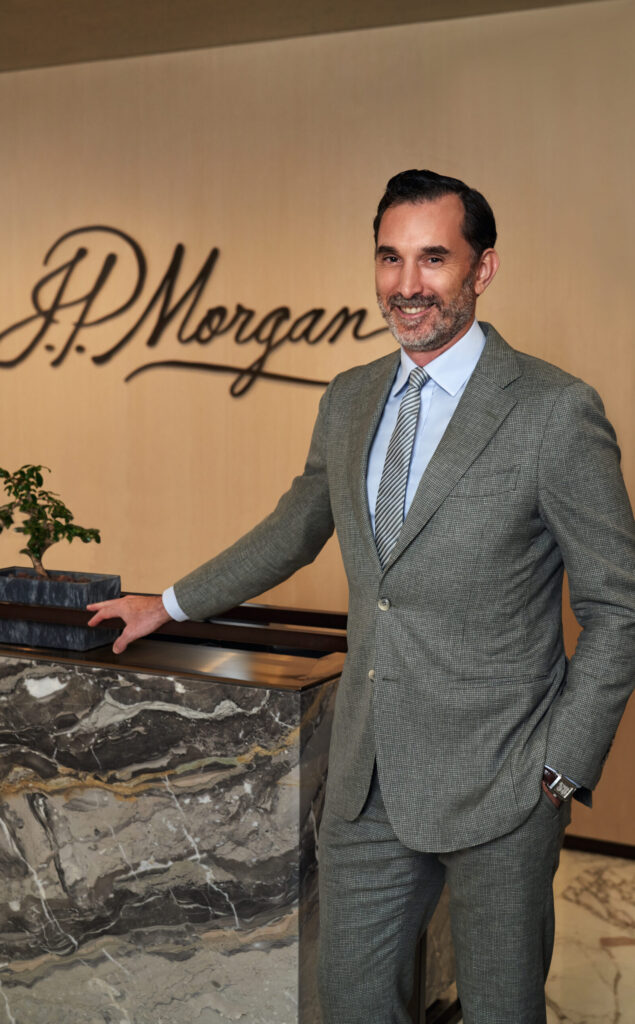
“As more of our clients in Asia acquire lifestyle assets, we are seeing growing interest in using them to unlock value and liquidity. And with greater awareness, we expect opportunities in this space to grow rapidly,” says Stephane Avis, Managing Director at J.P. Morgan, Co-Head of Lending Solutions Asia.
This shift has created an opportunity for J.P. Morgan to apply its global experience to Asia, where specialty lending strategies for passion assets are still relatively new. While the firm has supported clients in the United States and Europe for decades, its offering in Asia has expanded significantly in recent years.”
A Roadmap to Balancing Lifestyle and Wealth
Despite its promise, managing and financing lifestyle assets is far from straightforward. The complexities of owning such assets often extend beyond financial considerations. Art carries cultural and emotional meaning, while yachts and aircraft require significant operational knowledge and experience. For J.P. Morgan, the entry point to advising clients is always a comprehensive conversation regarding their long-term objectives.
“We create a goals-based roadmap for our clients’ wealth for the coming years and even across generations. This approach enhances our conversations with clients, allowing us to focus more deeply on what truly matters to them and to tailor strategies that help achieve their unique goals,” explains Avis.
Such an approach is particularly useful when clients inherit assets they may not know how to manage. For instance, an art collection built over decades may represent family history as well as significant financial value. Clients may hesitate to sell while also considering their liquidity needs.
Lending against this art provides “liquidity without liquidation,” allowing them to preserve ownership while releasing capital to expand their collections or pursue other investments. The same holds true for yachts and aircraft, which often straddle the line between lifestyle and business use. “The more you can look across the client’s balance sheet and lend, not just on liquid assets but also on property or lifestyle assets, the more choices they have and the more flexibility they have in how they want to design a long-term wealth plan,” says Steven Hawkins, Managing Director at J.P. Morgan, International Head of Specialty Lending.
“As more of our clients in Asia acquire lifestyle assets, we are seeing growing interest in using them to unlock value and liquidity.”
– Stephane Avis
Asia’s Take on Passion Assets
While the trend toward lifestyle assets is global, Asia presents its own set of distinct characteristics. Infrastructure for yacht ownership in the region, for example, is still developing. Marinas in Singapore, Hong Kong and other hubs are expanding, yet capacity remains limited. Similarly, private jet ownership is growing rapidly, creating demand for new airport facilities.
“The nature of the asset might change depending on the region. In Asia, the infrastructure for superyacht ownership is still being built out. You might not see as many superyachts locally, but many Asian owners will keep theirs in the Mediterranean or the Caribbean. As infrastructure grows, you are going to see further expansion,” says Hawkins.
Art, however, is firmly embedded in Asia’s family traditions. Families see collections as cultural legacies, and younger generations are increasingly engaged with the art world. “If your parents have invested 40 or 50 years in a specific part of the art world and you inherit that, there is history to it,” notes Avis.
“There might be desire for the next generation to keep the collection, but it is a lot of money sitting idle. That is why we want clients to think about the balance sheet holistically,” he adds.
“What we are doing today, we believe, may be good for you in five years or 10—and good for your grandchildren in 50 years.”
– Steven Hawkins
With one of the world’s largest corporate art collections, J.P. Morgan draws on its deep history with art to help clients navigate the complexities of building and preserving collections. The firm also sponsors leading events and exhibitions such as The European Fine Art Foundation (TEFAF), Paris Photo and the National Gallery Singapore, extending its engagement to the broader art community.
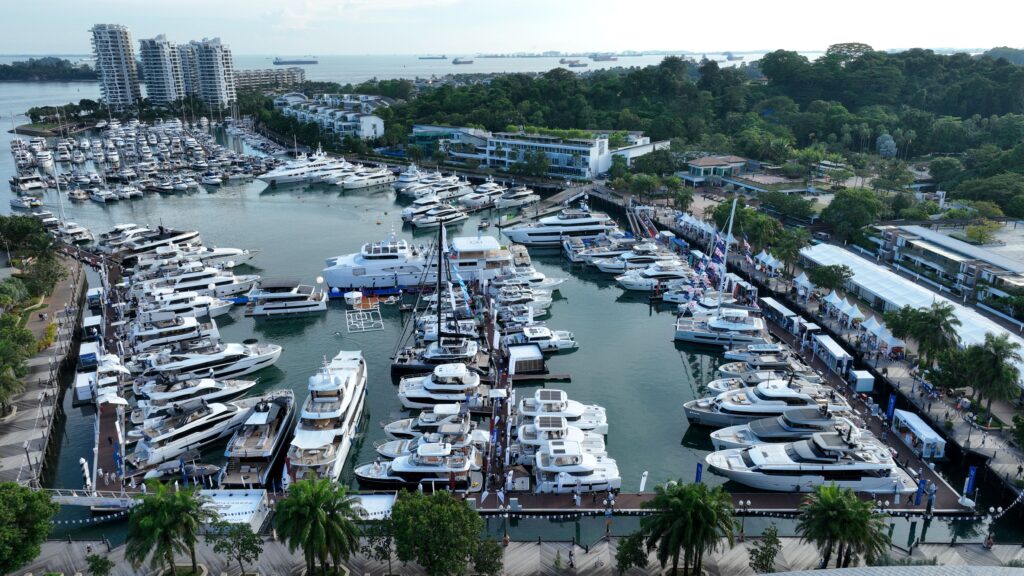
Beyond the art world, the bank has sponsored the Singapore Yachting Festival and the classic car race Mille Miglia. Together, these activities create opportunities for clients to engage, network and learn across the industries that inspire their passions.
“A lot of the value we bring is not just in the balance sheet. It is being able to engage with a family who is maybe purchasing or building their first superyacht and helping them navigate what it means to own one. It is the same in the art space, where we provide a bridge into the industry,” says Hawkins.
Strength in Scale and Connectivity
The appetite for passion assets is set to accelerate in Asia as wealth continues to expand and successive generations take the lead in managing family fortunes. J.P. Morgan expects demand for specialty lending in the region to keep rising, supported by greater awareness among clients and growing infrastructure for yachts, jets and art storage.
The competition in this fast-growing space is intense, but J.P. Morgan’s scale and connectivity offer clear advantages. With a fortress balance sheet, the firm is able to support clients through market cycles, providing stability and confidence even in uncertain conditions. Its worldwide network also ensures clients can access the same capabilities wherever they are, whether in Asia, Europe, Latin America or the U.S.
“Our clients are very mobile. They want to make sure that when they talk to J.P. Morgan, wherever they are, they get the high-level service and consistent answers. The networking and connectivity we have across the firm is extremely important,” says Avis.
The bank’s strength also lies in the long-term approach to client relationships, adds Hawkins. “We really do take a partnership approach when it comes to lending. When we provide access to the balance sheet, it is not on a transactional basis. What we are doing today, we believe, may be good for you in five years or 10—and good for your grandchildren in 50 years.”

For more information