For many ultra-high net worth (UHNW) families in Asia, daily life stretches across multiple jurisdictions. A family may operate their core business in India, hold assets through a Singapore governance structure, educate their children in the United Kingdom and allocate capital to private markets in the United States and China. Simply put, wealth is rarely anchored to a single market.
This shift is taking place against a backdrop of a rapid wealth accumulation. According to Boston Consulting Group’s Global Wealth Report 2025, Asia-Pacific (APAC) remains one of the fastest-growing regions and is projected to lead global wealth expansion at roughly 9% annually through 2029. Cross-border wealth has also accelerated, rising by 8.7% to US$14.4 trillion, with Singapore and Hong Kong among the strongest booking centers.
Geopolitical tensions and market volatility are encouraging further diversification of assets and booking centers. Established hubs such as Switzerland, Singapore and Hong Kong continue to attract inflows as families seek stability across legal and financial systems.
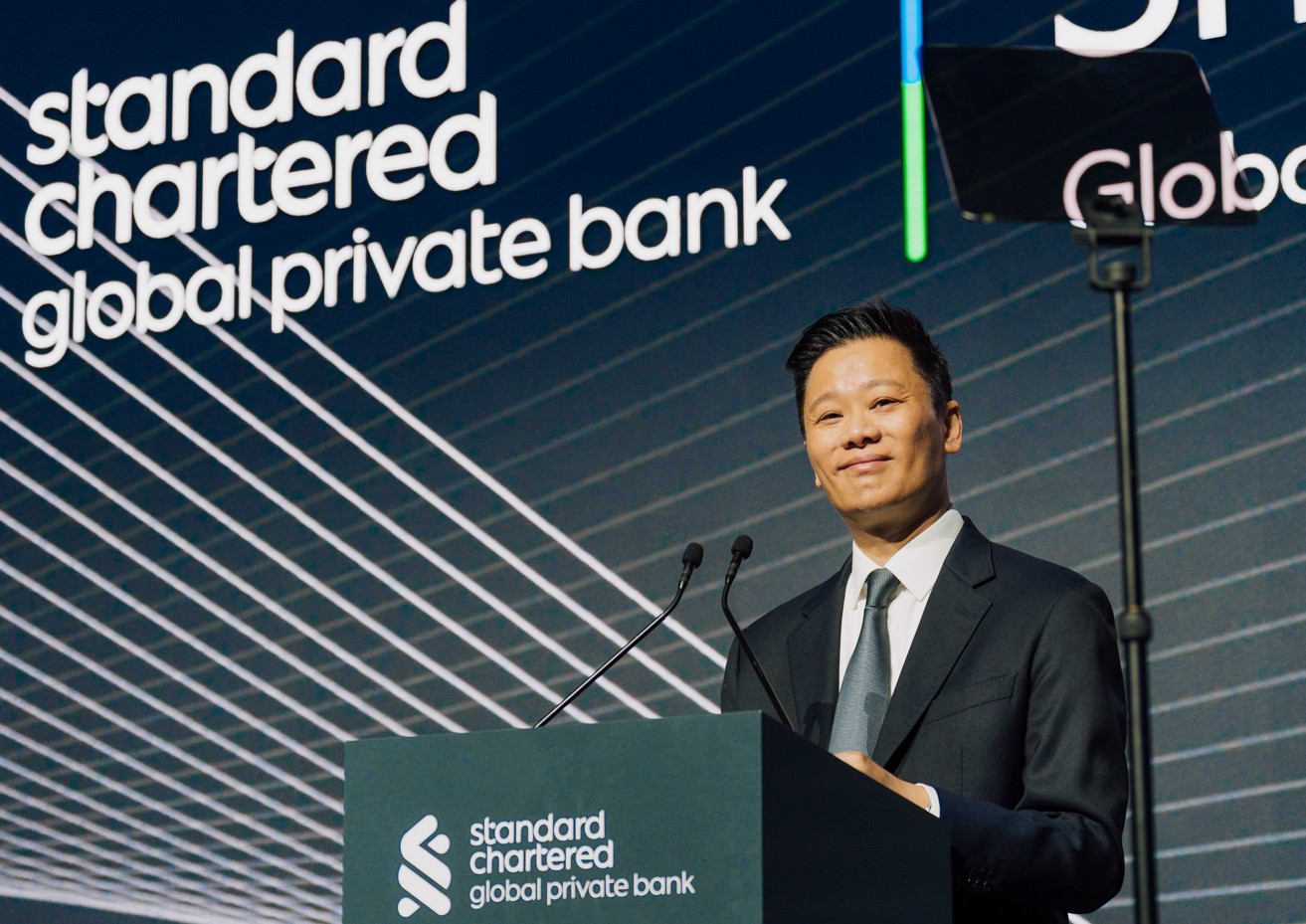
“Today’s UHNW families are increasingly global. Their businesses, investments and family members are spread across continents, reshaping the way they manage their wealth,” says Raymond Ang, Global Head, Private Bank and Affluent Clients, and Head, Wealth and Retail Banking, Greater China and North Asia, Standard Chartered.
The Trillion-Dollar Baton
Growth, however, is only part of the story. A second structural force is now influencing the wealth landscape with equal urgency: the transfer of wealth between generations at a scale never before seen in Asia.
An estimated US$5.8 trillion in wealth is expected to move across APAC by 2030. The challenge for many families is around structuring their wealth to preserve their legacy while preparing the next generation for the responsibilities of succession.
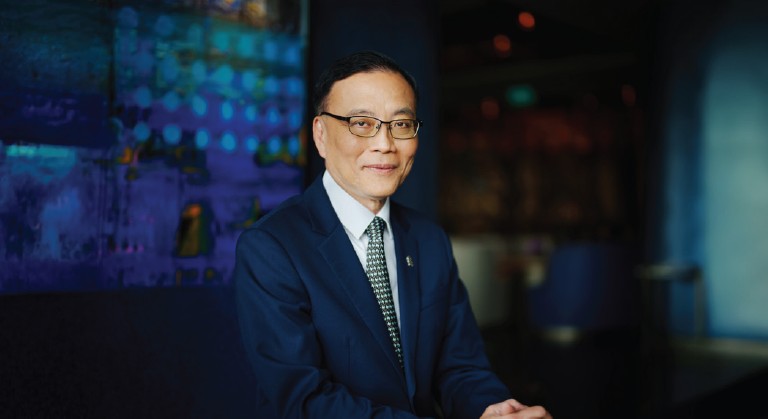
“Intergenerational wealth transfer is a pressing issue for UHNW families in Asia today and it is changing how they think about structures and engagement of the next generation,” notes Foo Tian Ong, Regional Head, ASEAN and Singapore Location Head, Standard Chartered Global Private Bank.
The next generation tends to have a different set of expectations. They are digital natives who are internationally educated; many are founders, investors or philanthropists in their own right. They expect transparency, active participation and direct engagement rather than a passive inheritance.
Partnership, Not Product
Two forces, then, are converging simultaneously: the increasing globalization of wealth and an unprecedented generational wealth transfer. Together, they are calling for a fundamentally different advisory model.
Families increasingly require coordination across tax advisors, lawyers and investment teams operating in multiple markets. Many are seeking clarity on a range of issues, whether it’s how their businesses interact with personal portfolios or succession structures that function across legal systems. Wealth management, in short, is moving away from transaction-based engagement toward deeper, ongoing relationships.
“Clients expect us to look beyond wealth preservation and review their wealth more holistically, from supporting philanthropic ambitions to bridging generational perspectives with advanced technologies. The conversation is about shaping legacies and building resilience as much as it is about returns,” says Ang.
Families whose businesses operate in Asia but have investments extending to Europe or the Middle East need advisors with in-market knowledge in key booking centers, supported by an integrated platform that can connect them seamlessly across these corridors.
Institutions that bring the combined advantages of global reach and deep local expertise have the upper hand in servicing these evolved wealth needs. Technology is also supporting personalization and raising service standards. Digital platforms and artificial intelligence enable bankers to distil insights to provide more personalized communications and advice for clients.
Standard Chartered’s global footprint across Asia, the Middle East, Africa and Europe positions it to support families whose capital and interests span these regions. As a universal bank, it is able to support wealthy entrepreneur clients both in their personal and corporate financing needs—a proposition that few institutions can replicate.
Built to Last
The expansion of wealth in Asia, the acceleration of cross-border flows and the gathering pace of intergenerational transfer are not temporary developments tied to market cycles. They are converging forces that will fundamentally impact how wealth is created, held and passed on.
For wealth managers, supporting this ambition means moving beyond products toward a genuine partnership that helps clients navigate international complexity, anticipate the expectations of the next generation and connect all of this into a coherent, enduring strategy.
Says Foo: “We see more UHNW families seeking partners who understand their evolving and multi-jurisdictional needs. In today’s highly volatile environment, a trusted advisor who truly understands their immediate needs and longer-term family ambitions, and who can connect personal and business needs across continents, will serve them well in building a lasting legacy.”
